Plant Disease Management Handbook

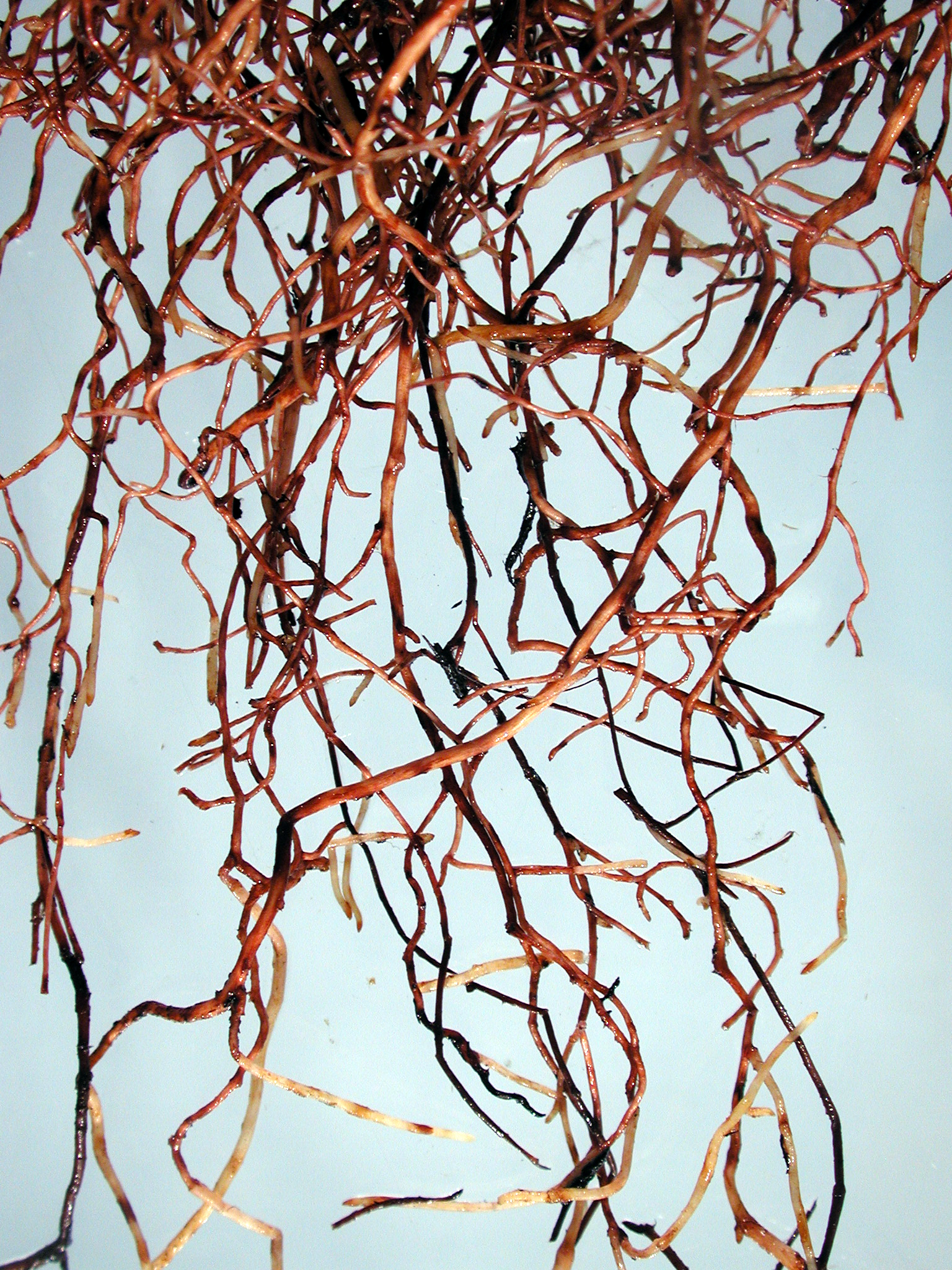
Cause The fungus, Rhizoctonia solani, which can survive in soil for many years. Wind and water can move infested soil and plant debris. Rhizoctonia solani becomes active when soil is 77°F to 91°F, attacking any part of the plant underground (soil contact). The fungus is favored by poor soil structure and high soil moisture. Moisture or nutritional stress or injuries can predispose the crop to infection by R.

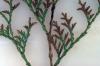
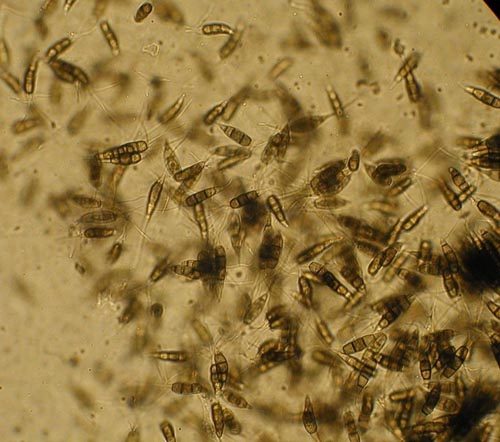
Cause The fungus Pestalotiopsis funerea is common problem on arborvitae samples coming into the OSU Plant Clinic. The fungus can colonize tissue damaged from other pathogens, insects, freeze injury or sunscald. Other stresses include being pot bound, too much or too little water or fertilizer. Spores are disseminated from diseased tissue by splashing rain.

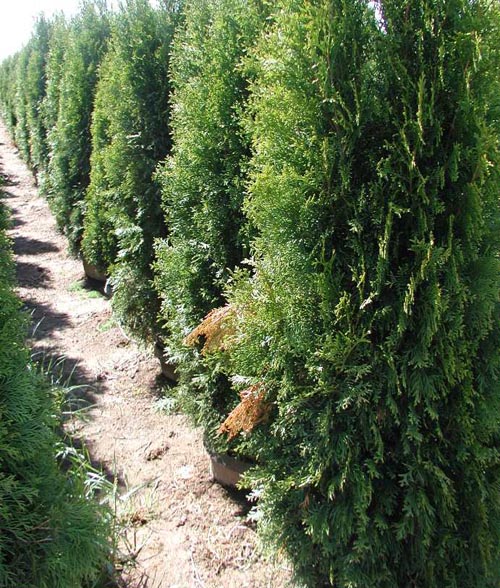
Image related to Arborvitae (Thuja occidentalis)-Tip Blight

Cause Several. Many samples sent to the OSU Plant Clinic are from poorly drained and wet sites where oxygen depletion to the roots is likely. Occasionally, pathogens such as Phytophthora lateralis or Armillaria ostoyae (may be refered to as A. solidipes in some publications) are associated with rotted roots.

Cause The absence of disease organisms, insects, or mites associated with this condition suggests the problem is due to stress of some sort. The exact source of stress that results in black flagging is unknown. Water stress, drying winds, high temperatures, injury to the roots, or damage to lower stems are possibilities. In some instances, black flagging has occurred when none of these conditions have been present.

Image related to Arborvitae (Thuja occidentalis)-Black Flagging

See:

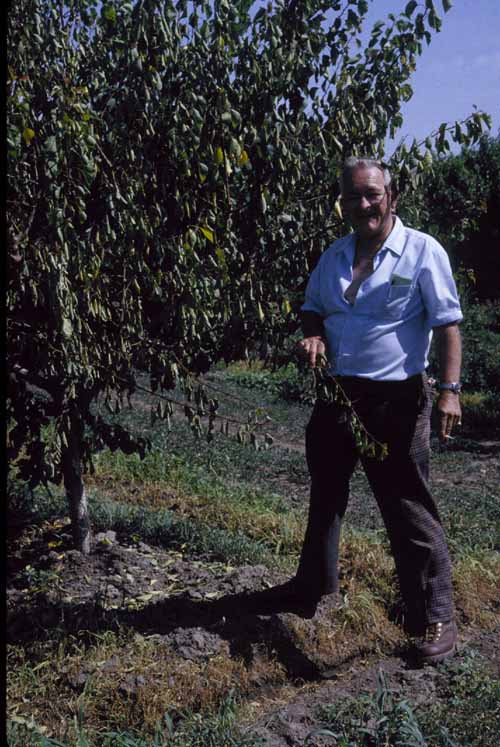
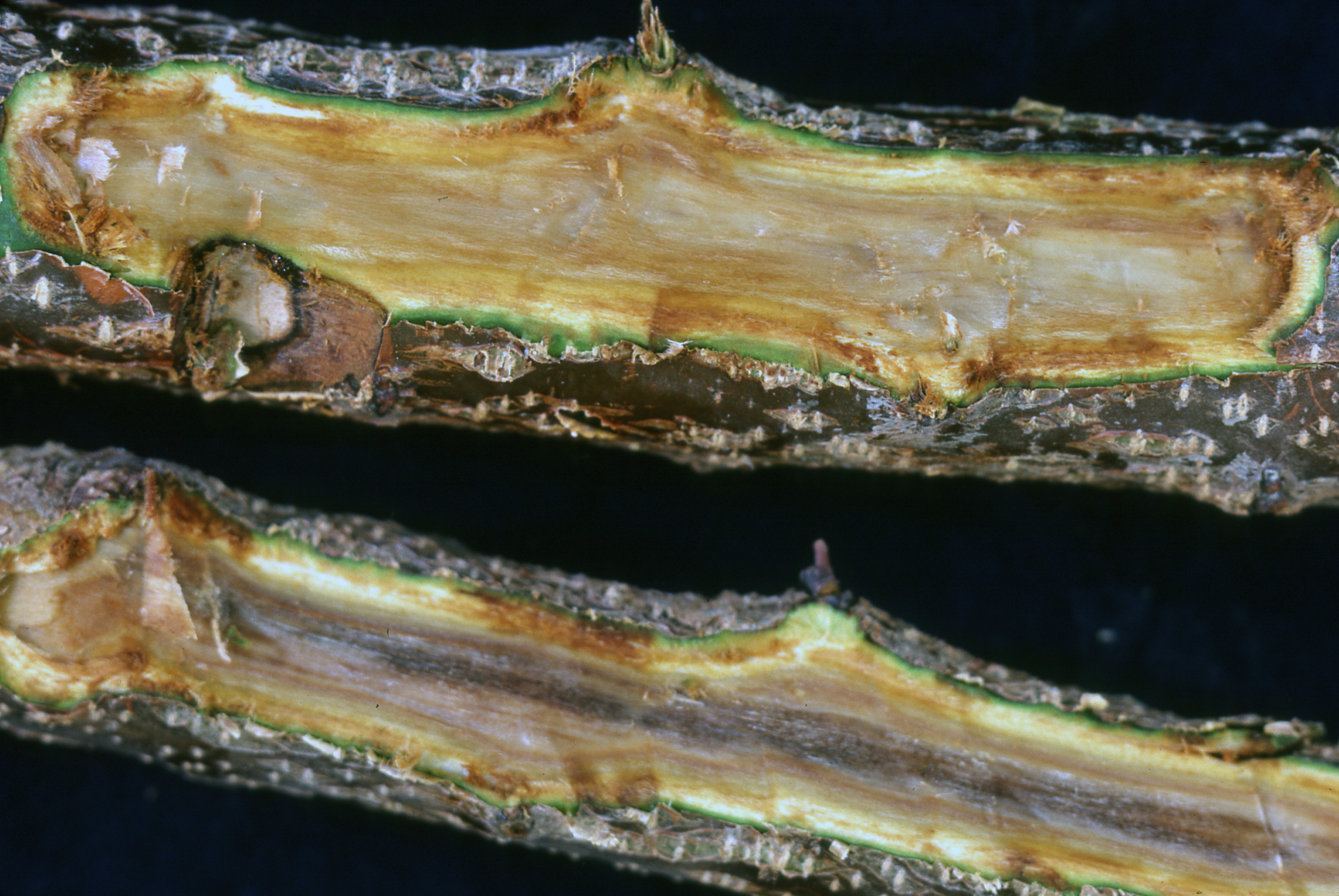
Note Out of dozens of samples there were few (5) diagnosed with Verticillium wilt by the OSU Plant Clinic.

Image related to Apricot (Prunus armeniaca)-Verticillium Wilt

See:

Note Out of dozens of samples there were only two (2) diagnosed with silver leaf by the OSU Plant Clinic.

Image related to Apricot (Prunus armeniaca)-Silver Leaf

Cause Wilsonomyces carpophilus, a fungus that overwinters on infected buds and twigs. Spores spread primarily by splashing water and can remain viable several months when dry. Most cultivars appear to be very susceptible. Fruit damage was common among the samples sent into the OSU Plant Clinic.

Cause The fungus Alternaria alternata has been shown to be involved with this problem. Frequently observed on the cultivar Moorpark in eastern Washington and occasionally on cultivars Perfection and Riland. Symptoms may be due to a hypersensitive host response to fungal infection. Sometimes called frog spot in California.