Plant Disease Management Handbook

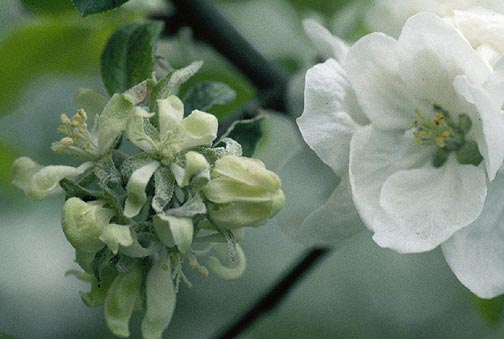
Cause These diseases are associated with graft-transmissible viruses called apple rubbery wood virus 1 and 2. They were assumed to be caused by phytoplasmas, but repeated attempts to confirm this association have failed. Sensitive cultivars include Lord Lambourne, Gravenstein, Golden Delicious, Gala, and Splendour. The disease can reduce fruit yield up to 30% in apple and 50% in pear and infected trees are more susceptible to frost damage.

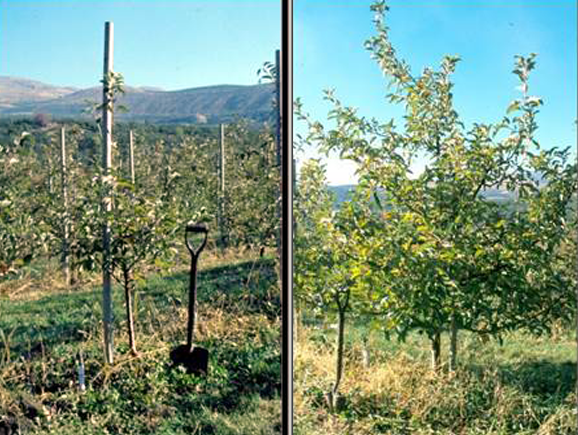
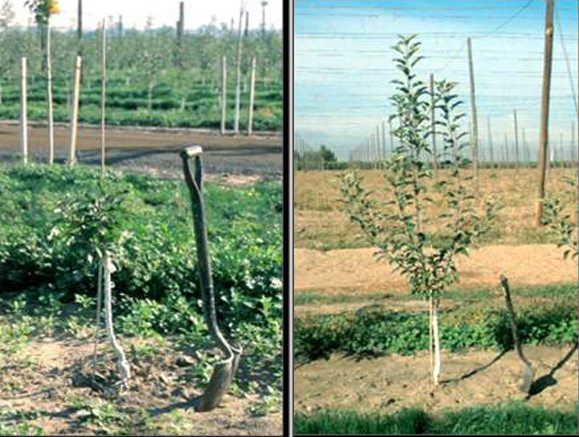
Cause A complex of fungi, oomycetes, and nematodes are the biological factors contributing to apple replant disease. In addition, nonbiological factors including poor soil structure, moisture stress, low or high pH, insufficient available phosphorus, and cold stress while not primary causes of the disease, may exacerbate overall symptom development.

Image related to Apple (Malus spp.)-Replant Disease

Cause The root-lesion nematode Pratylenchus penetrans is the most important nematode affecting apple production. A significant proportion of the Pratylenchus populations in Okanagan, BC orchards and vineyards were P. neglectus or mixtures of P. penetrans and P. neglectus. These nematodes are migratory endoparasites found both in soil and roots.

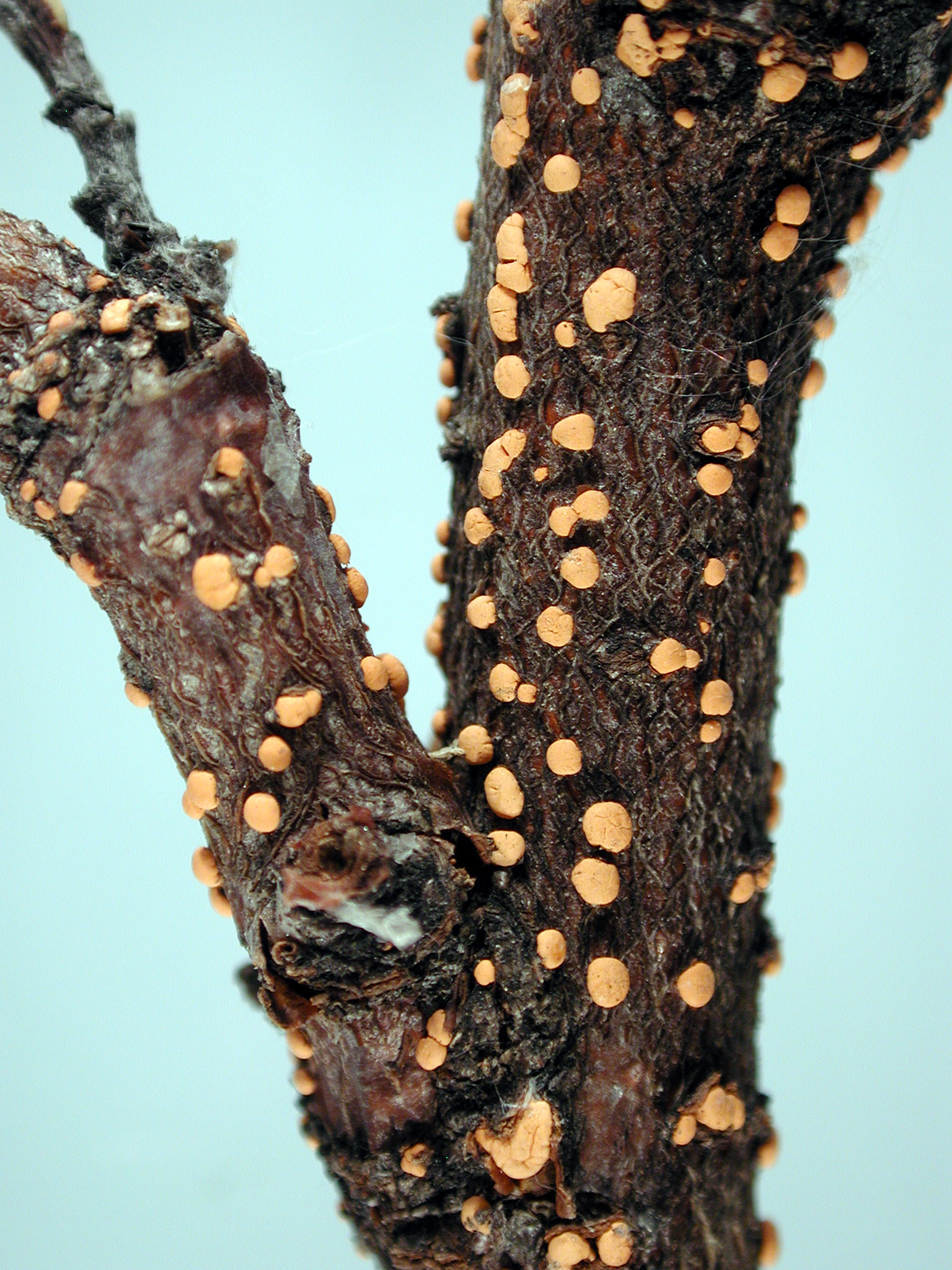
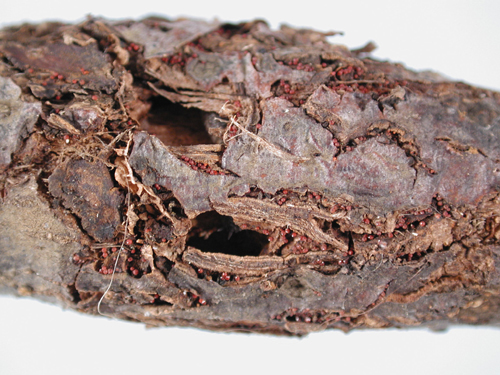
Cause The fungus Nectria cinnabarina is considered a wound invader since it is frequently associated with pruning cuts. Naturally occurring scars may also be sites of entry for the spores. Broken fruit pedicels left in the tree during harvest are another site of entry. The fungus has a wide host range.

Cause Neonectria ditissima (formerly Nectria galligena), a fungus. The disease is found primarily in high-rainfall areas along the coast and Willamette Valley and rarely in southern, central, or eastern Oregon. It has also been reported in western WA but not in Idaho. The canker is perennial. White fungal structures (sporodochia) appear on the canker either the first spring after infection or the next fall and winter.

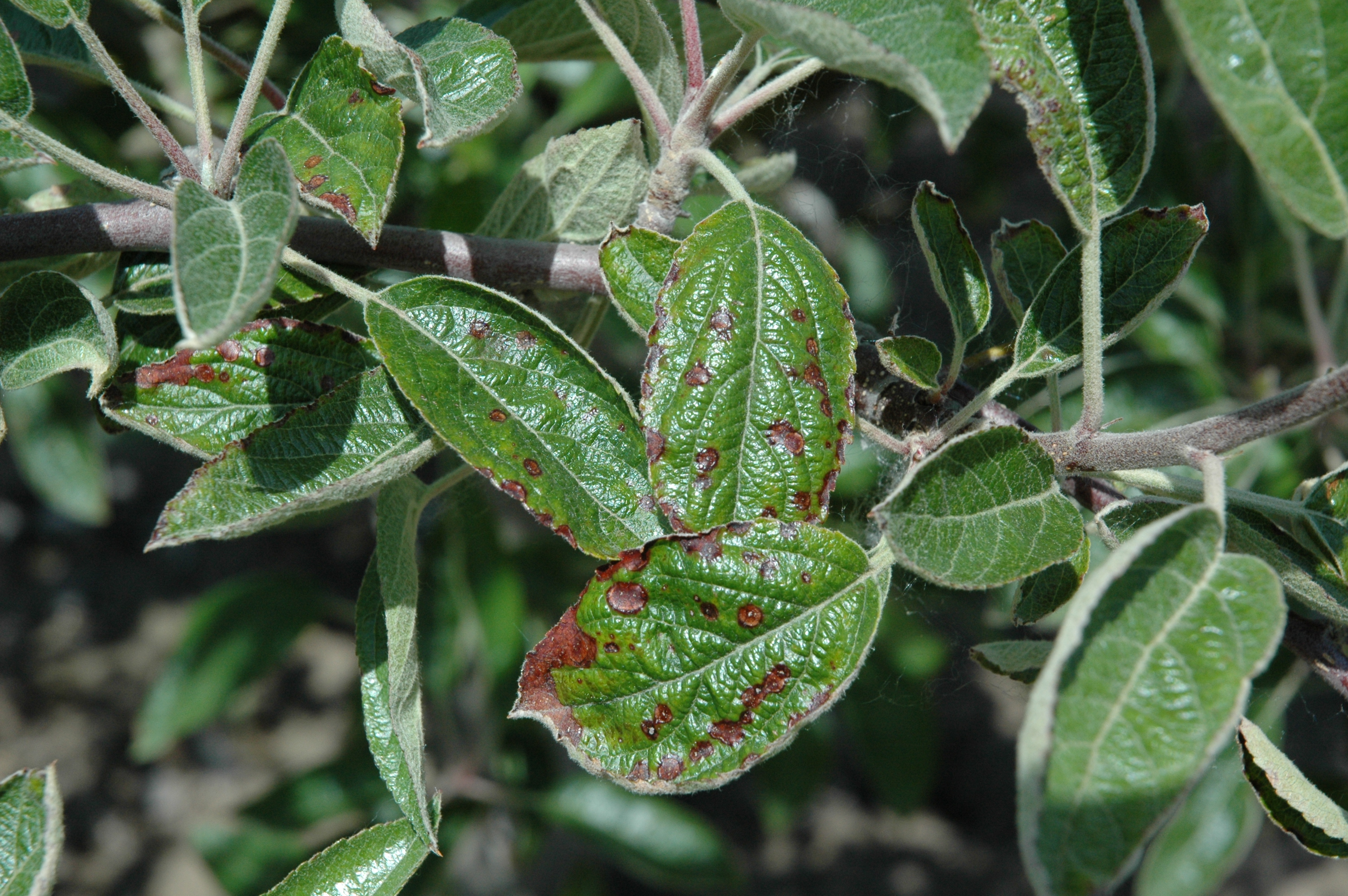
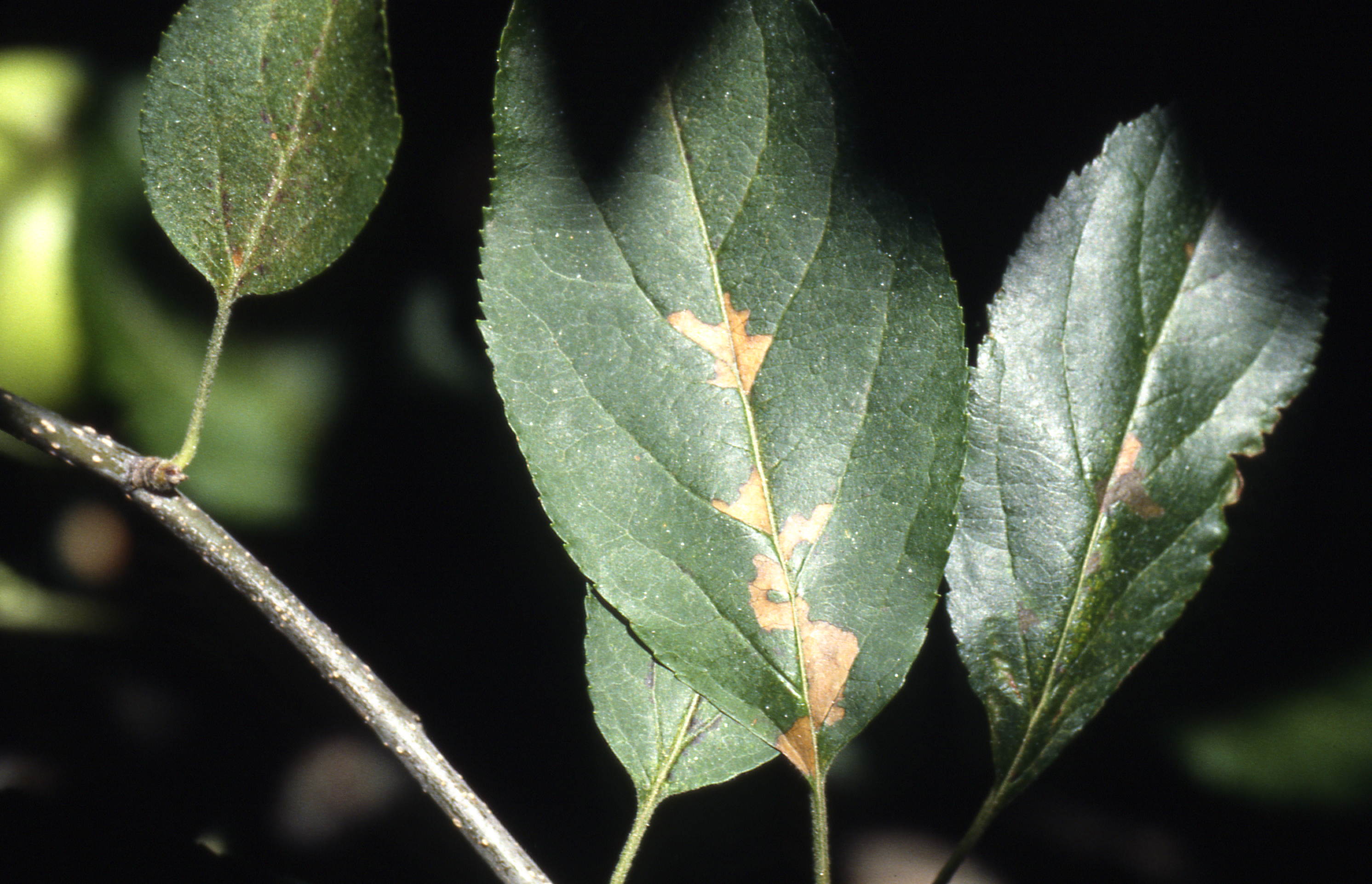
Cause Isolation attempts typically find different saprophytic fungi associated with the necrotic tissue. Fewer necrotic spot symptoms have been associated with some fungicides, indicating a fungal cause to the problem. Alternaria alternata, Stemphyllium, and Aureobasidium have been among the fungi recovered in western Oregon.

Cause A physiological problem that occurs when a cool, rainy period of 4 to 5 days precedes several hot, sunny days. A hormonal imbalance may be the reason. The disorder is restricted to 'Golden Delicious' and its sports.