Plant Disease Management Handbook

See:

Cause Asparagus virus I (AVI) (aphid transmitted), asparagus virus II (AVII) (pollen and seed transmitted), and tobacco streak virus (an ilarvirus) appear to be widely distributed in commercial asparagus plantings.
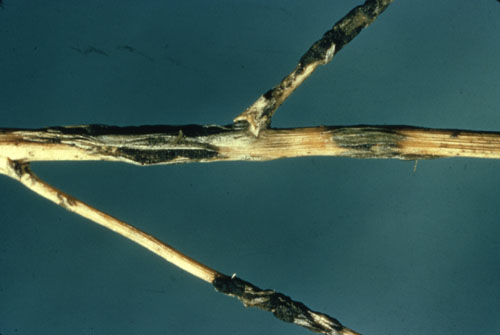
Cause Puccinia asparagi, an autoecious macrocyclic rust fungus that overwinters on old asparagus stems. The summer spore stage, which is the most damaging stage, is windborne and may go through several cycles in a growing season. Reduced size and storage reserves in the crowns weakens plants and reduces yields the following season.

Image related to Asparagus (Asparagus sp.)-Rust

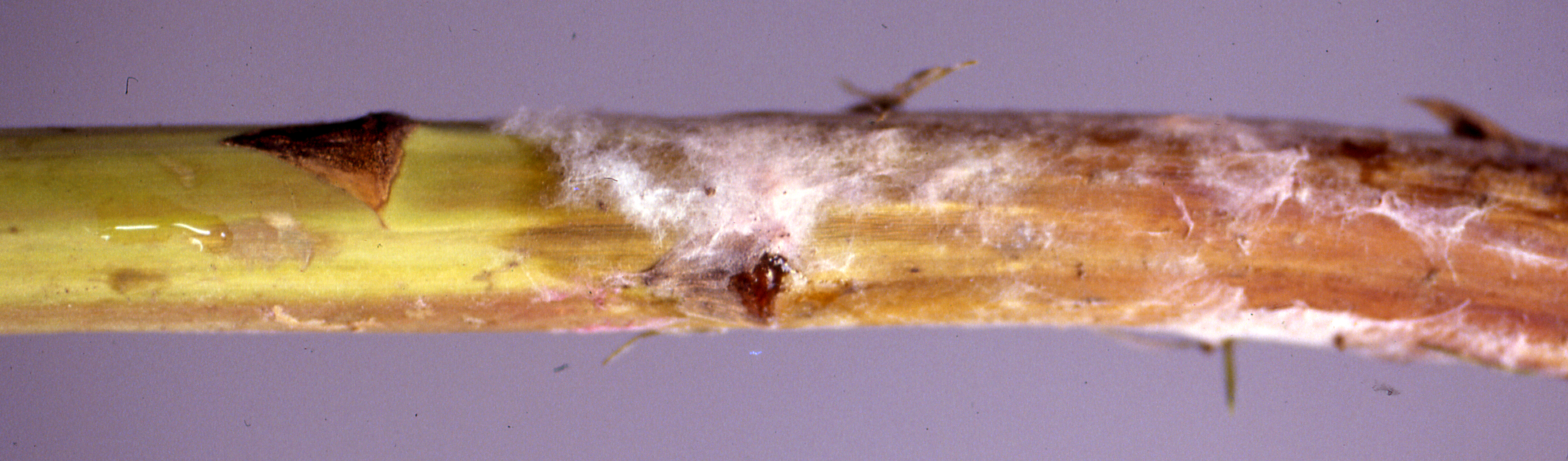
Cause Stemphylium vesicarium (teleomorph = Pleospora herbarum), a fungus that overwinters in infected debris from the previous season's crop. Small, black, spherical fruiting bodies (pseudothecia) form in late fall and winter on asparagus fern material.

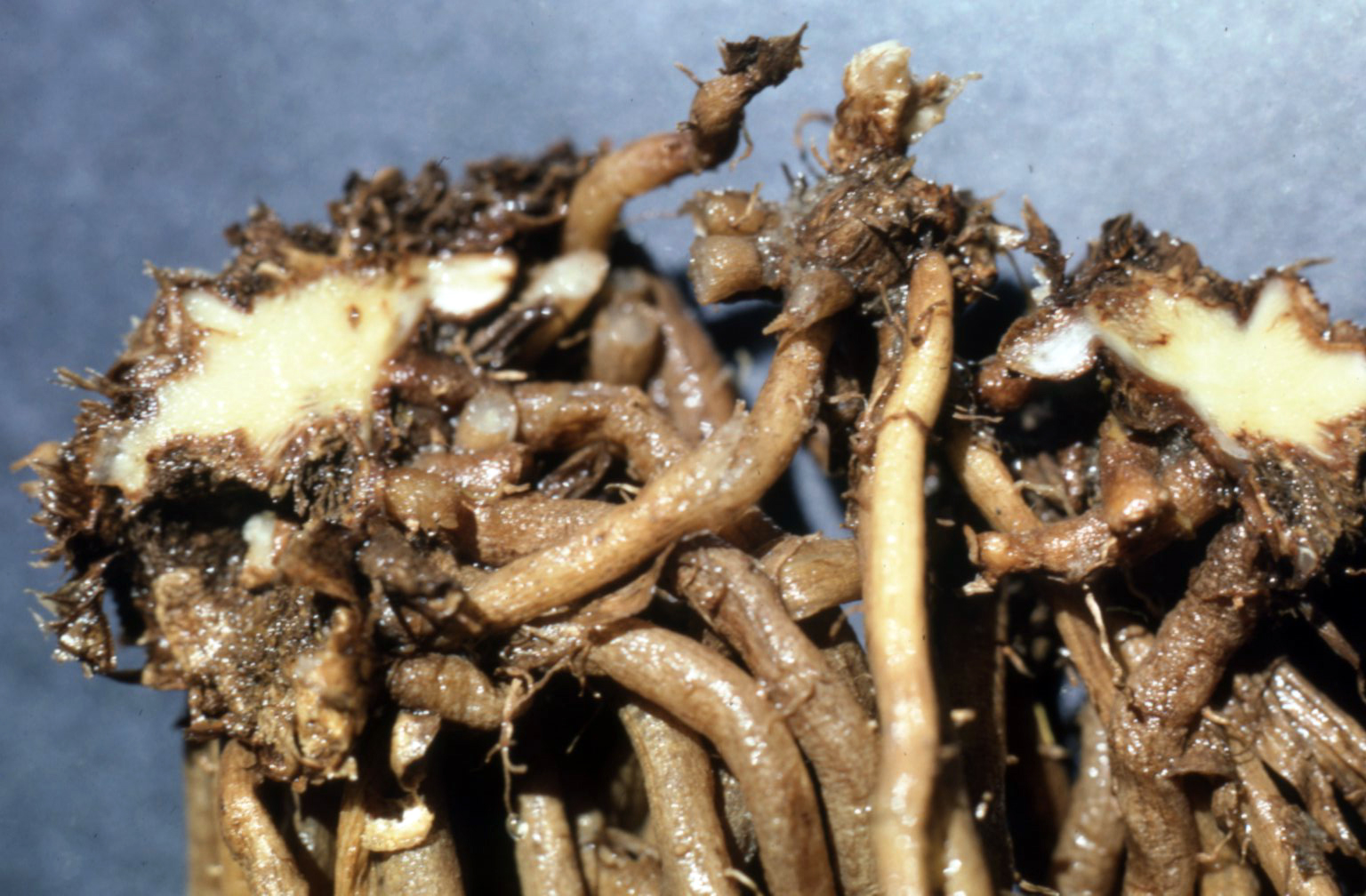
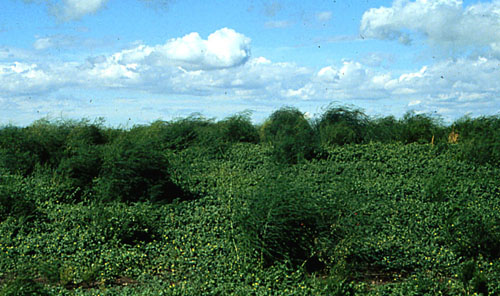
Cause Fusarium oxysporum f. sp. asparagi, F. proliferatum, and F. redolens, fungi that persist in soil and can be seed-transmitted. High soil temperatures (optimum about 82°F) favor the disease, which is more severe on plants in light soils. Low soil pH, poor soil drainage, or low levels of available Mn in soil may all favor disease.

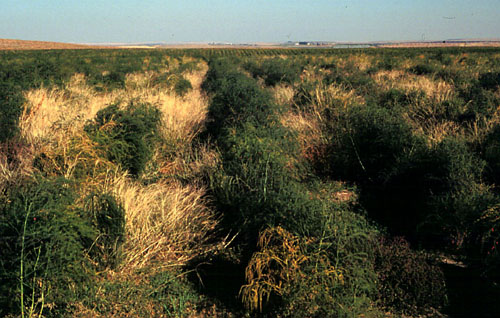
Image related to Asparagus (Asparagus sp.)-Decline
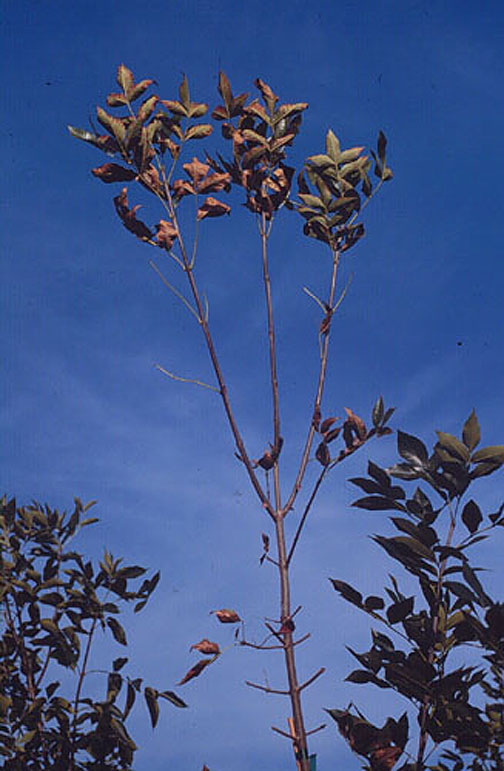
Image related to Ash (Fraxinus spp.)-Verticillium Wilt
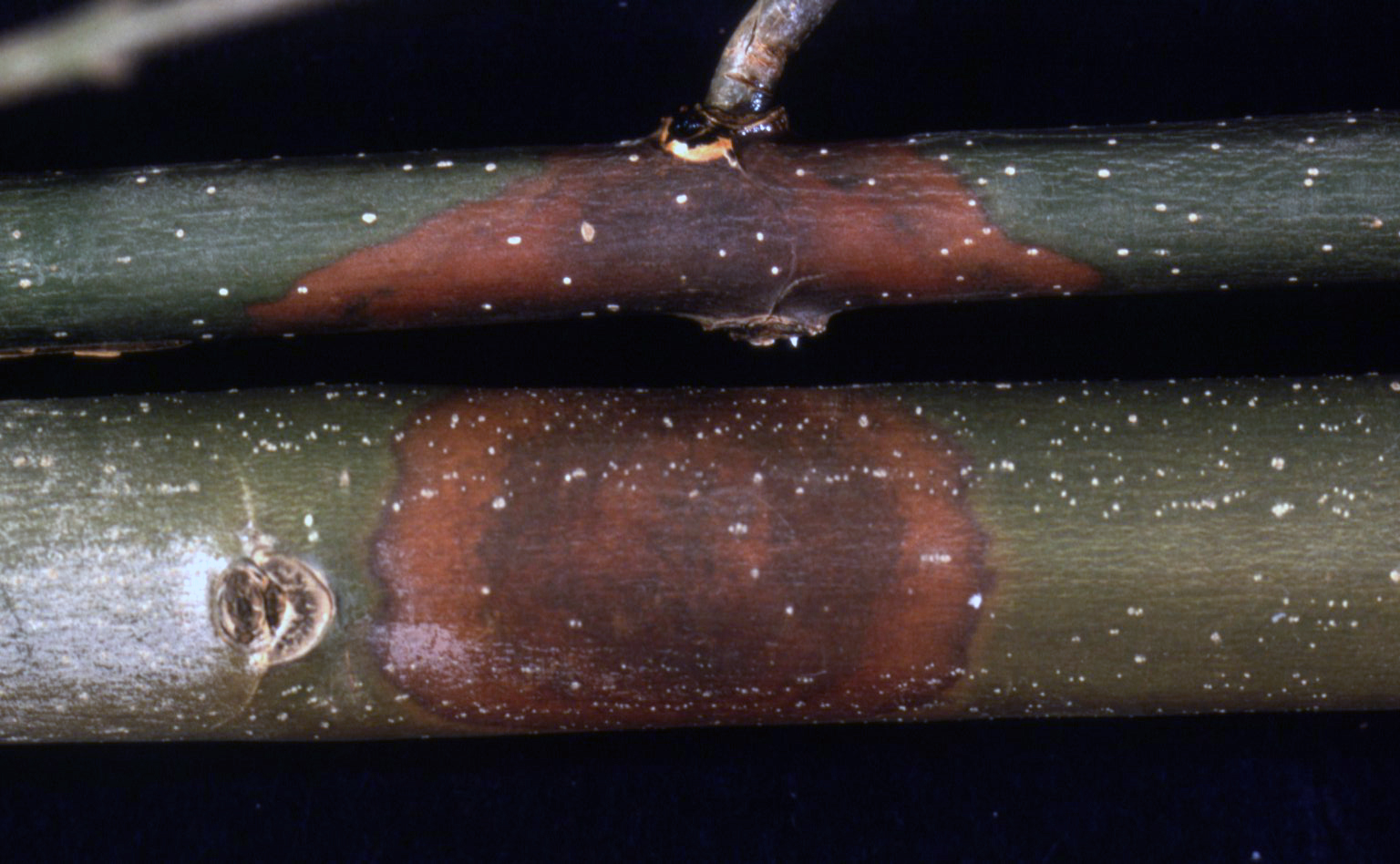
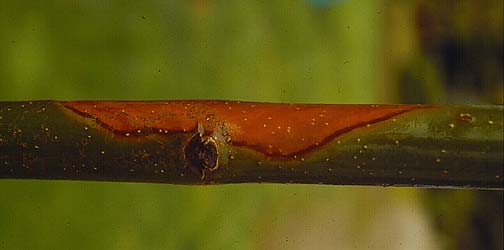
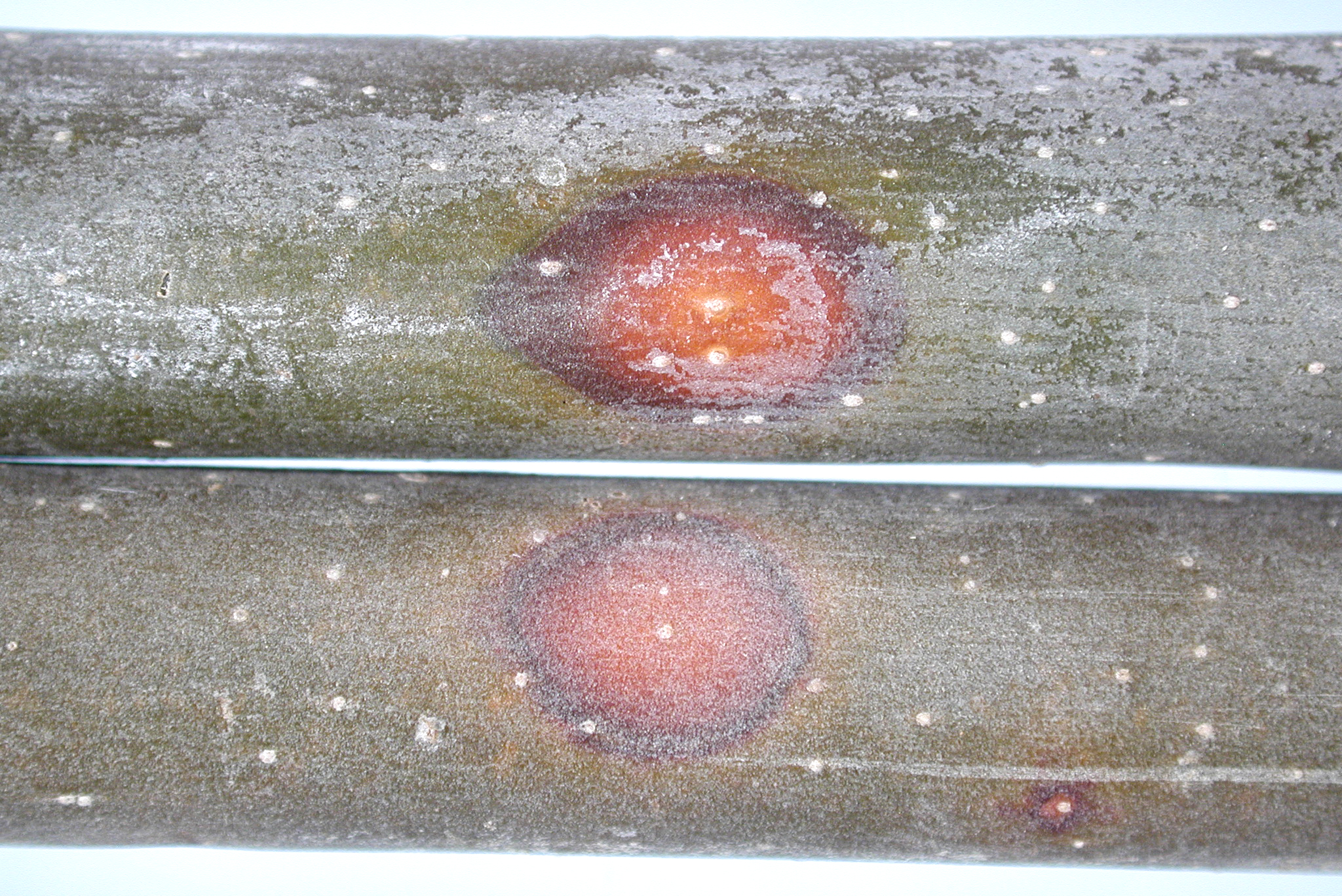
Image related to Ash (Fraxinus spp.)-Coin Canker

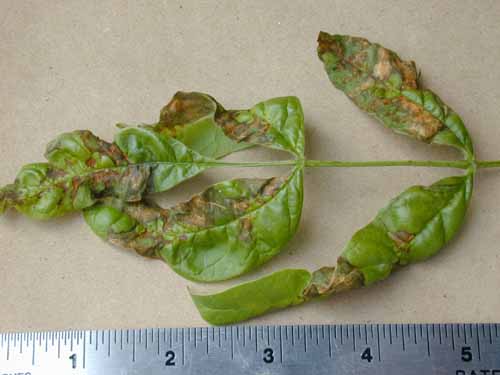
Cause The fungus Plagiostoma fraxini (asexual: Discula fraxinea) has been identified in the Pacific Northwest. The pathogen overwinters on blighted twigs and petioles. Spore spread and infection occurs during wet weather in spring. More infections and larger symptoms can occur if wet weather persists. New infections and lesion growth are prevented when the weather turns hot and dry.

Image related to Ash (Fraxinus spp.)-Anthracnose