Plant Disease Management Handbook

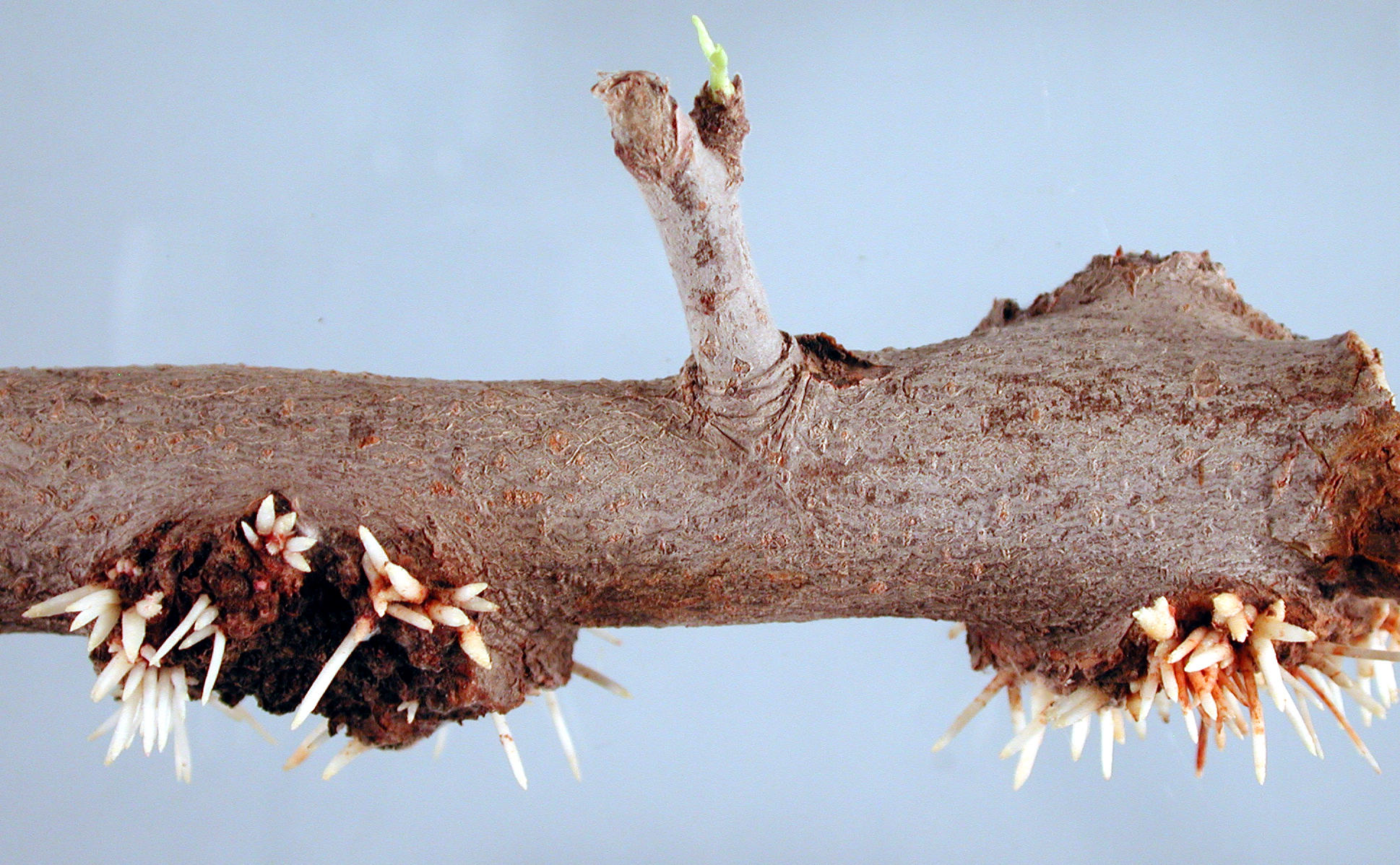
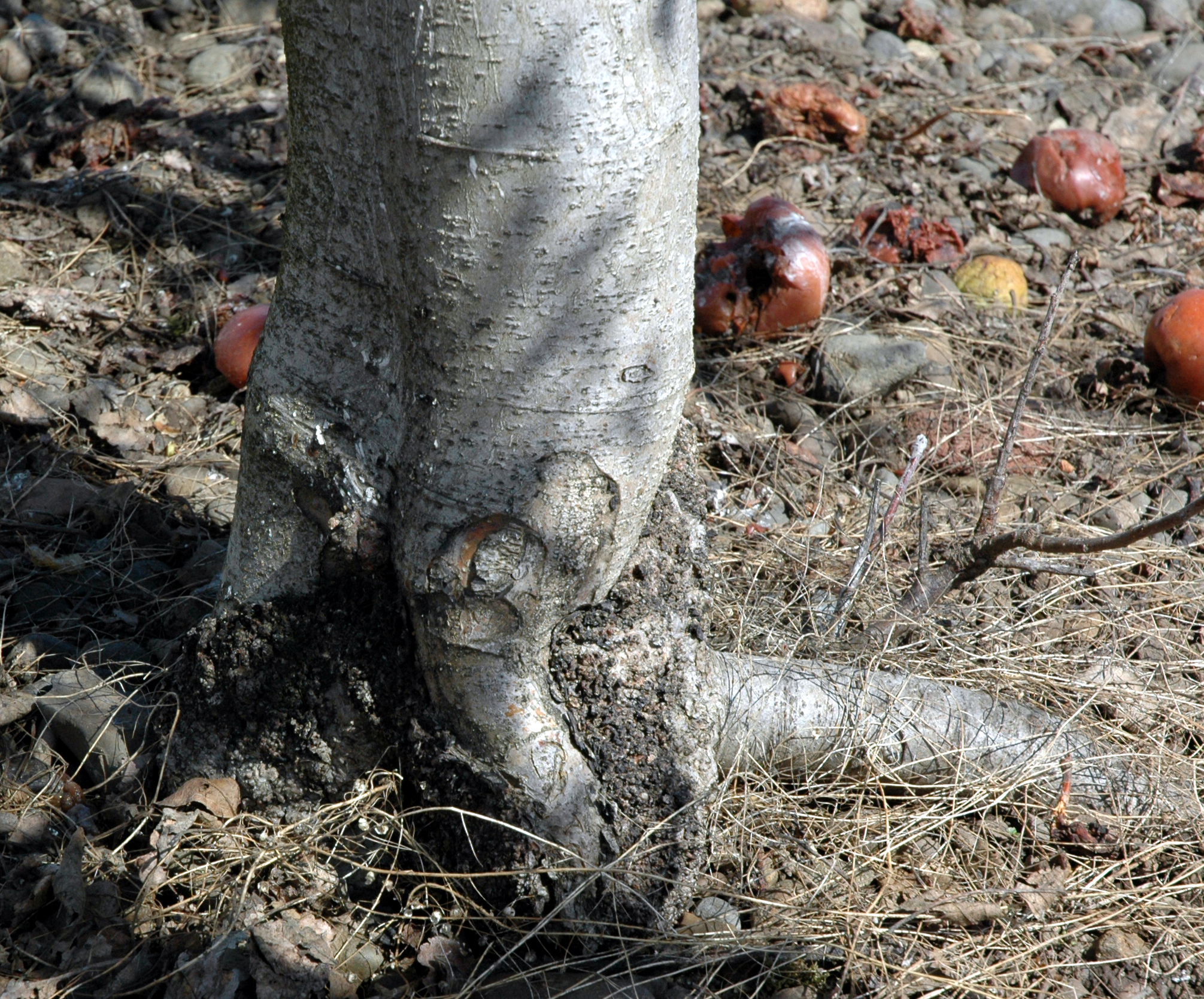
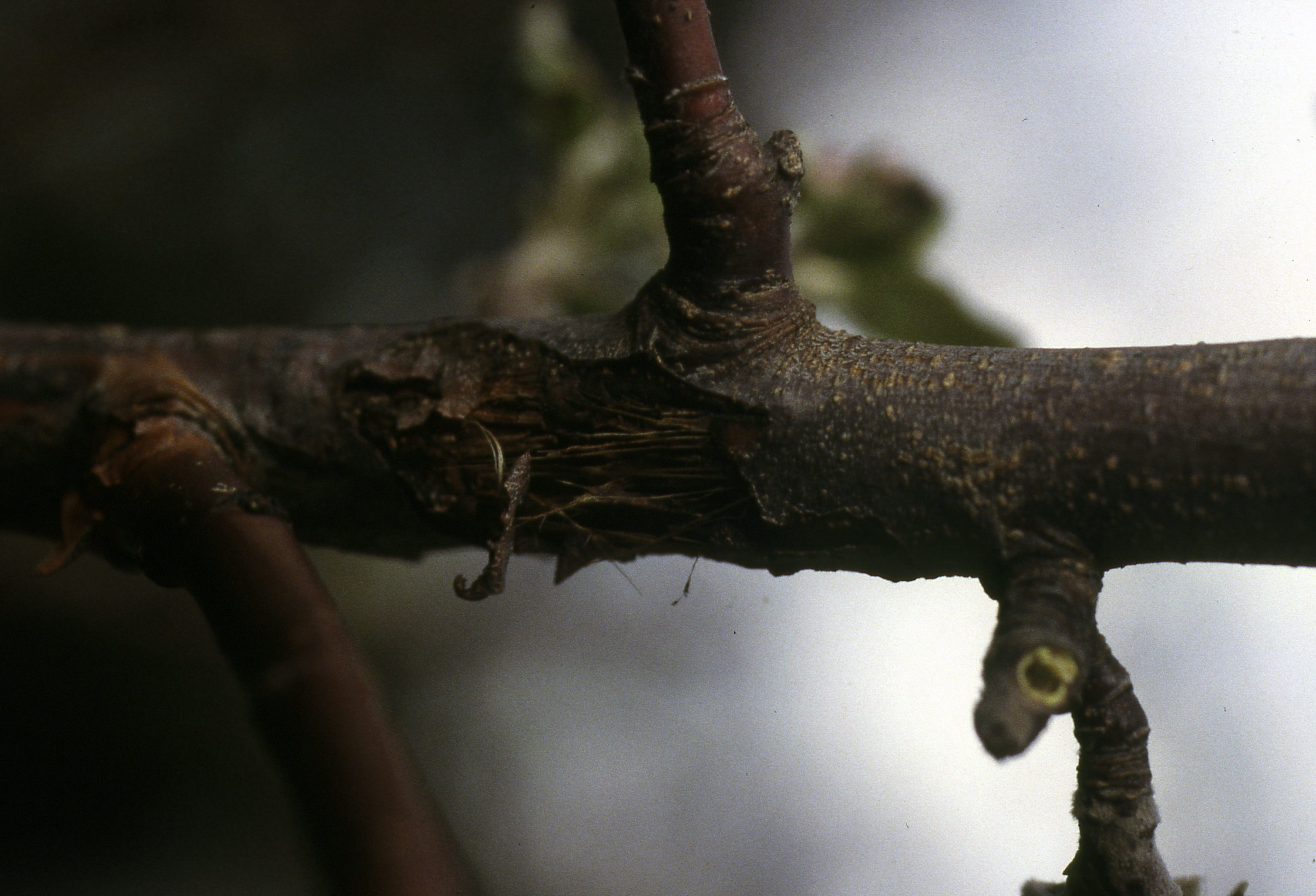
Cause Genetic. The knot is a highly branched but dwarfed root system above the soil line. Although it is often mistaken for crown gall, it is composed of differentiated root tissue that starts from root initials in the young tree. Low light and high humidity and temperature can work together to stimulate development of the root initial. Trunk protectors that reduce light can increase the occurrence of burrknot. Burrknot is common on many of the popular rootstocks such as M7, M9, M26, MM106, and MM111.

Image related to Apple (Malus spp.)-Burrknot

Cause Apple proliferation is caused by Candidatus Phytoplasma mali that can be transmitted by artificial grafting, root grafts or by psyllids and a leafhopper. The disease, which occurs throughout Europe but not in the United States, is a high risk to U.S. production if it ever is introduced here. One possible entry route is illegally smuggled budwood or trees. Infected trees may appear to recover from this disease, such that there are no symptoms, but trees still carry the phytoplasma in the roots.

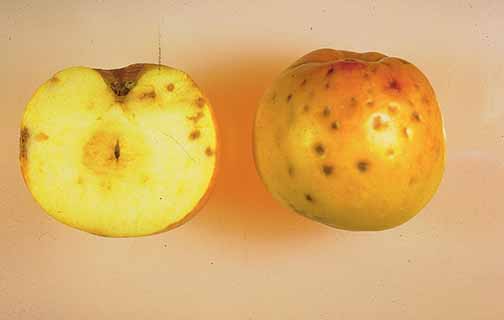
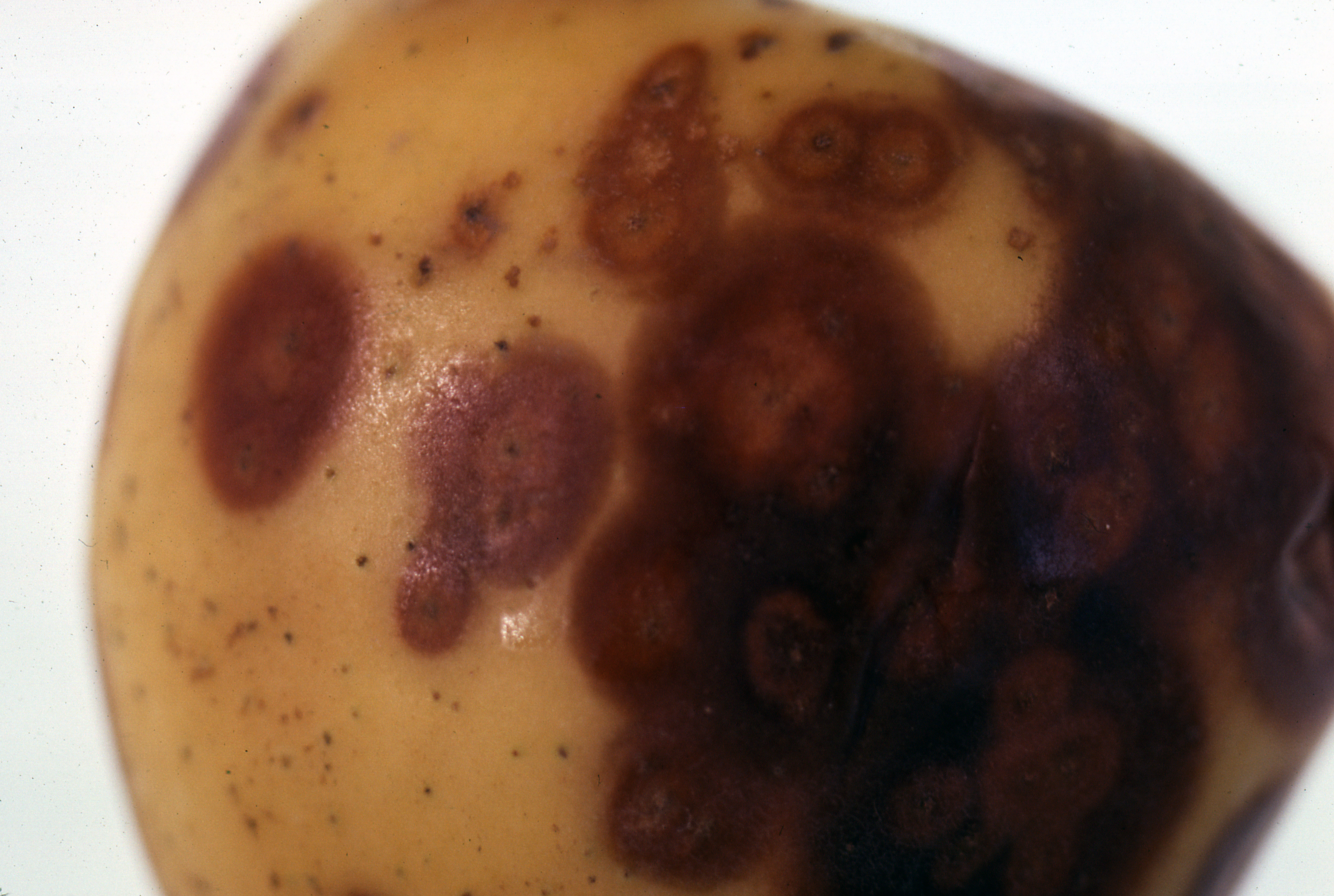
Image related to Apple (Malus spp.)-Anthracnose (Bull's-eye Rot)

See:

Chemical control Best when used on Aphelandra along with cultural controls. Tank-mix and/or alternate products from different groups with different modes of action to prevent the build-up of resistant fungi.

Cause Aphelenchoides fragariae is a pest of various plants including anemone, African violet, begonia, chrysanthemum, coleus, ferns, geranium, hosta, iris, impatiens, lily, malva, orchids, peony, and phlox. Nematode infections are transferred to other areas and from one season to the next in planting stock or in desiccated plant parts. Foliar nematodes need a film of water to move across plant surfaces. Plant-to-plant spread in field or greenhouse occurs when plants are close together.

Image related to Anemone (Japanese Anemone)-Nematode, Foliar

Cause One of the principal viruses in amaryllis is hippeastrum mosaic virus (HiMV), formerly amaryllis mosaic virus; it is a filamentous-shaped virus transmitted by aphids. Nerine latent virus (NeLV), mechanically transmitted cucumber mosaic virus (CMV), and tomato spotted wilt virus (TSWV) also are problems in amaryllis.