Plant Disease Management Handbook

Cause Macrophomina phaseolina is a soilborne fungus that is favored by dry and warm soil conditions and has an extensive host range including beans, brassicas, clovers, corn, cucurbits, grape, lettuce, peppers, onion, strawberry, tomato, tree fruits, and conifers. Disease development is enhanced by high temperature, soil water deficit, and sandy soils. The fungus produces microsclerotia for long-term survival and dispersal in the soil.

See:

Note This is a serious disease of several conifers including mountain hemlock. Western hemlock may be infected but usually not killed.

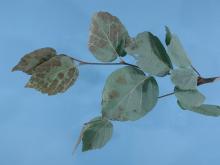
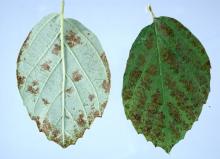
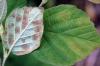
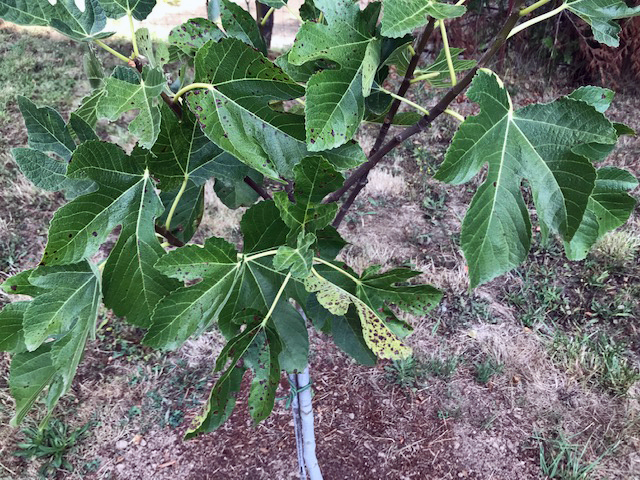
Cause An unknown leaf spot is common in landscapes and gardens in western Oregon. The main symptom is a brown necrosis of the underside of the leaf that looks like a network of lines on the margins of the leaf spot. Spots may be numerous and generally occur between the leaf veins. Tops of leaves may show no symptoms at all or more subtle necrosis between the veins. Symptoms were not apparent when surveying in early June 2022 but by July spots were quite numerous on plants throughout OSU campus.

Note The fungus Phoma caricae-papayae (formerly Ascochyta caricae) has been reported from Oregon causing leaf spots. The OSU Plant Clinic has found the fungus Botrytis sp. and the bacterium Pseudomonas sp. associated with leaf spots.

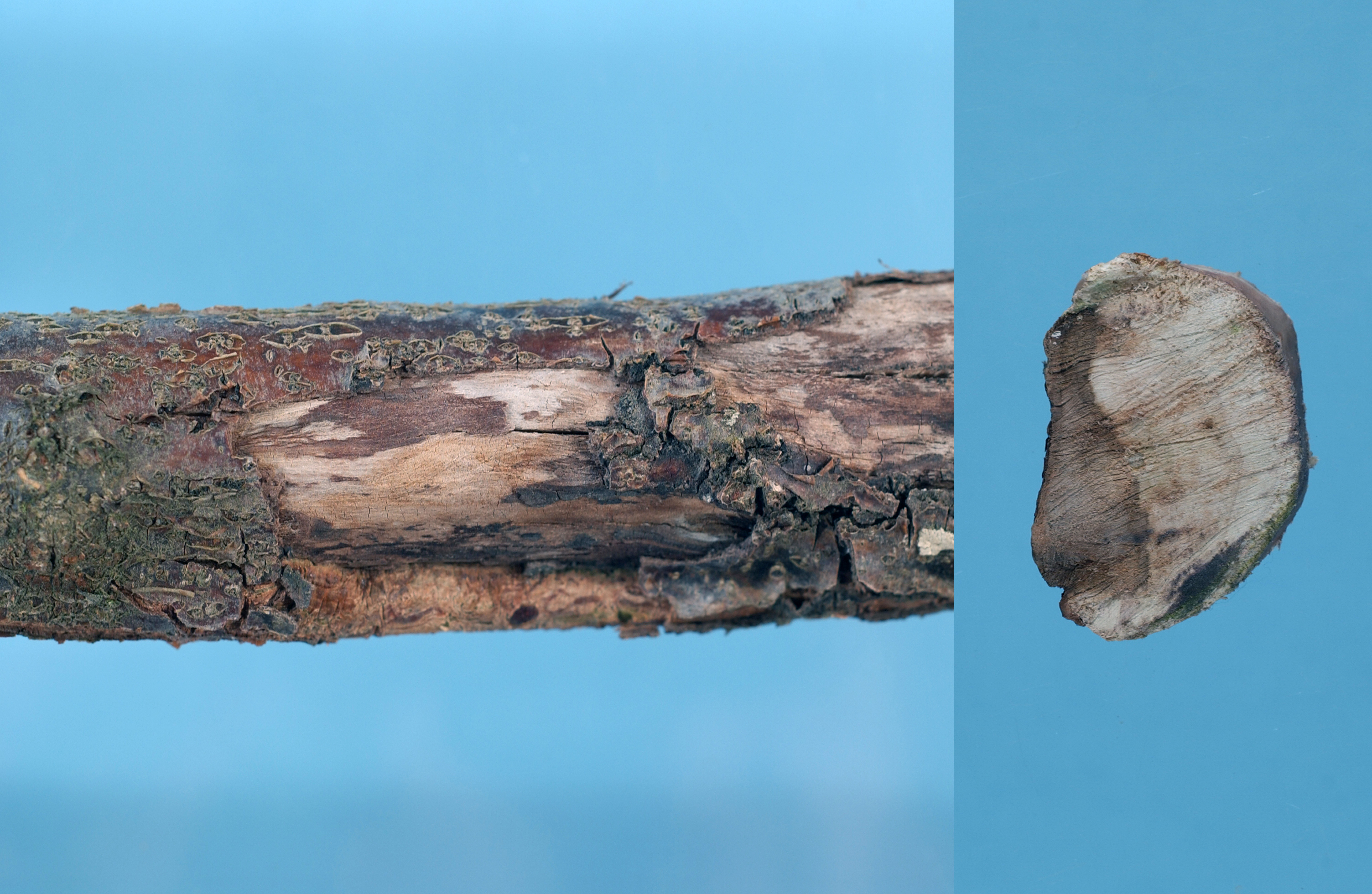
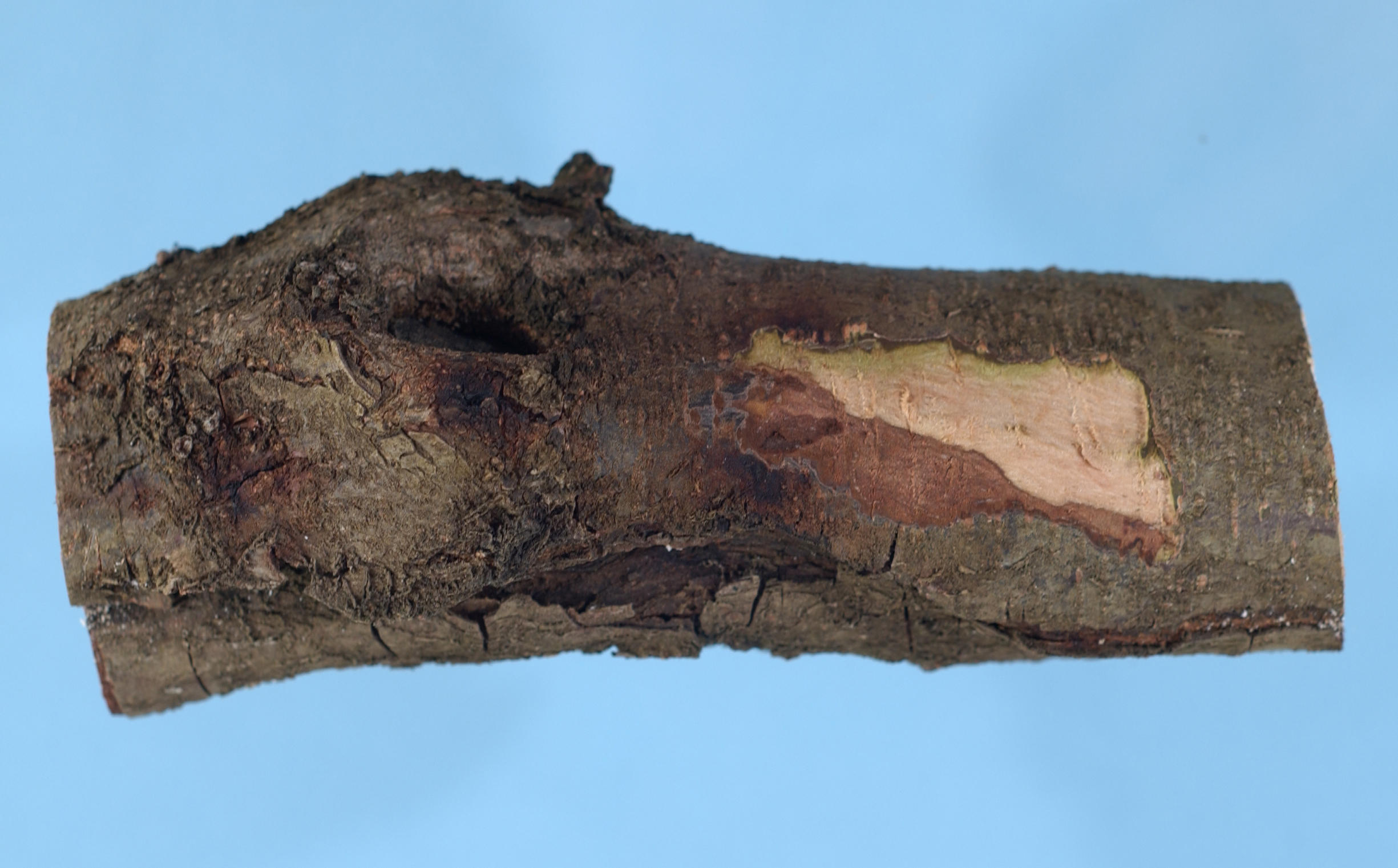
Note The fungus Diplodia sycina var. syconophyla has been reported from Oregon causing canker and dieback symptoms. Nectria cinnabarina has been reported from Oregon and found a few times by the OSU Plant Clinic. Botrytis cinerea, which can cause a stem blight, has been reported from Washington. These fungi do not seem to be a common problem in the PNW.

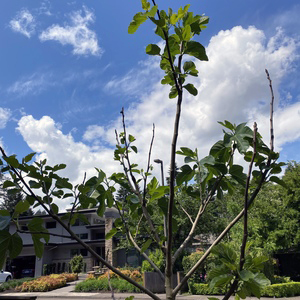
early growth of a fig bush/tree