Plant Disease Management Handbook

By C. M. Ocamb

Cause It is caused by a phytoplasma that is spread by leafhoppers, and the specific phytoplasma involved depends on the region. The dominate type of phytoplasma detected in hemp, including in Oregon, is Beet Leafhopper-transmitted Virescence Agent (BLTVA - group VI), but other types may be present. This disease can affect potato and tomato and also occurs on celery, radish, and Chinese cabbage. The phytoplasma overwinters on weeds or other crop hosts. The disease follows leafhopper migration.
By C. M. Ocamb

A detached hemp branch showing a stem lesion due to a Sclerotinia infection. Photo by Hannah Rivedal, 2019.

By K. Frost and C. M. Ocamb

Hemp shoot showing early symptoms due to infection by Hop latent viroid.

By K. Frost and C. M. Ocamb

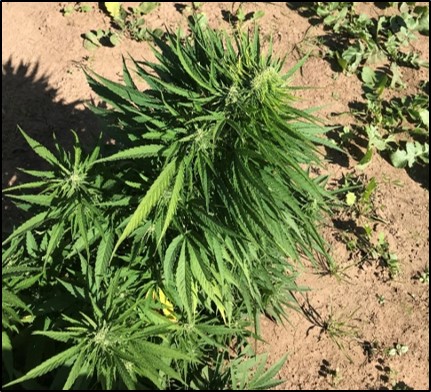
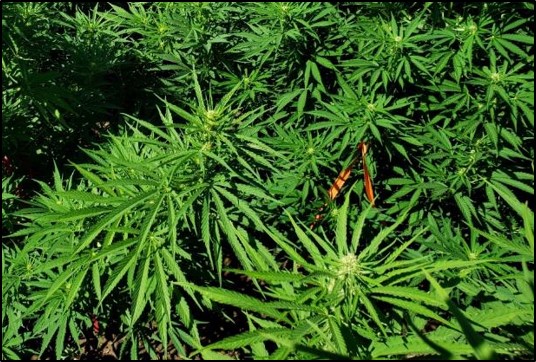
A hemp plant exhibiting symptoms of infection of Beet curly top virus in August.  Note that some shoot portions appear unaffected while others show twisting and curling of leaflets characteristic of this disease.

See:

By C. M. Ocamb

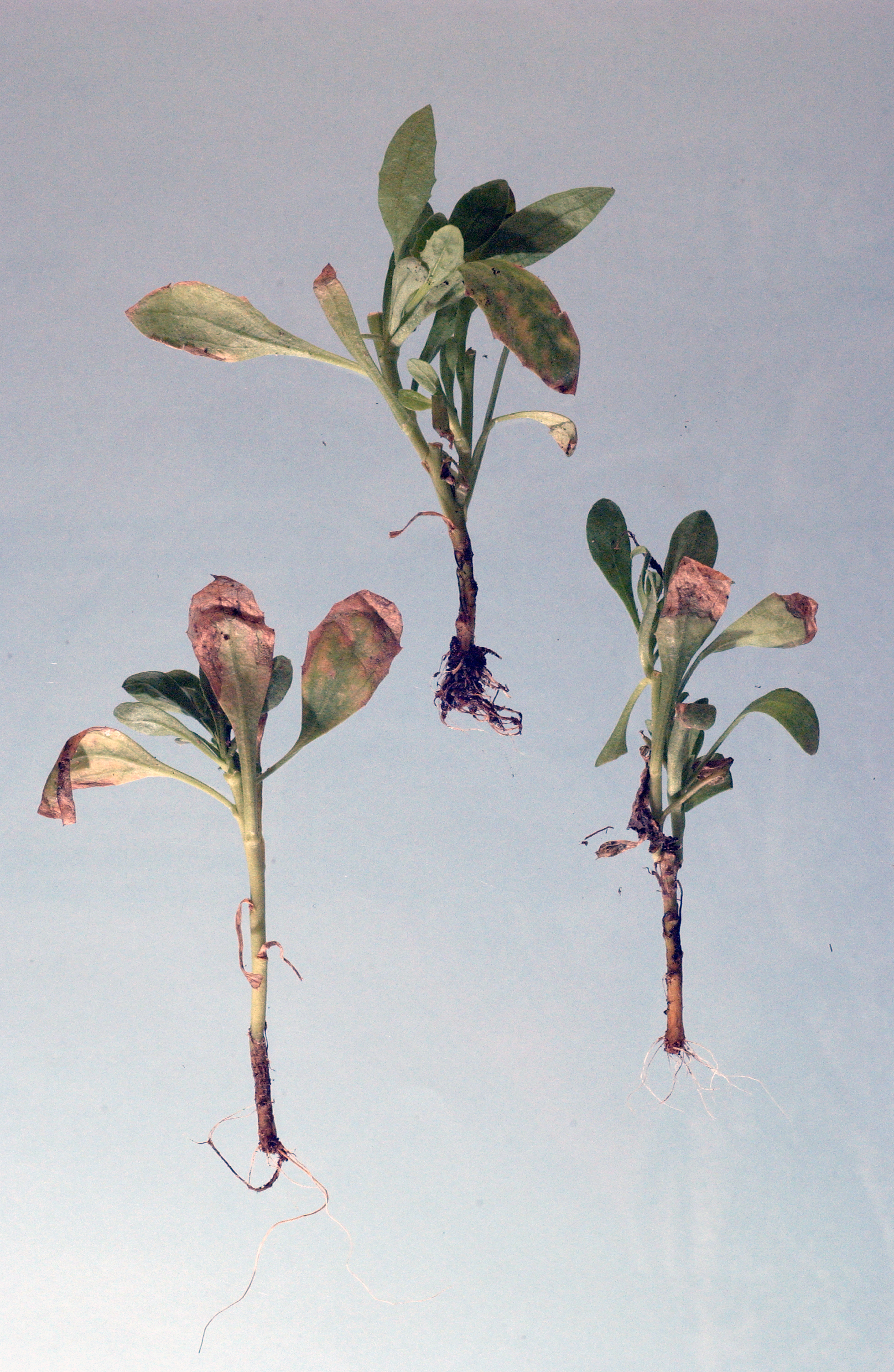
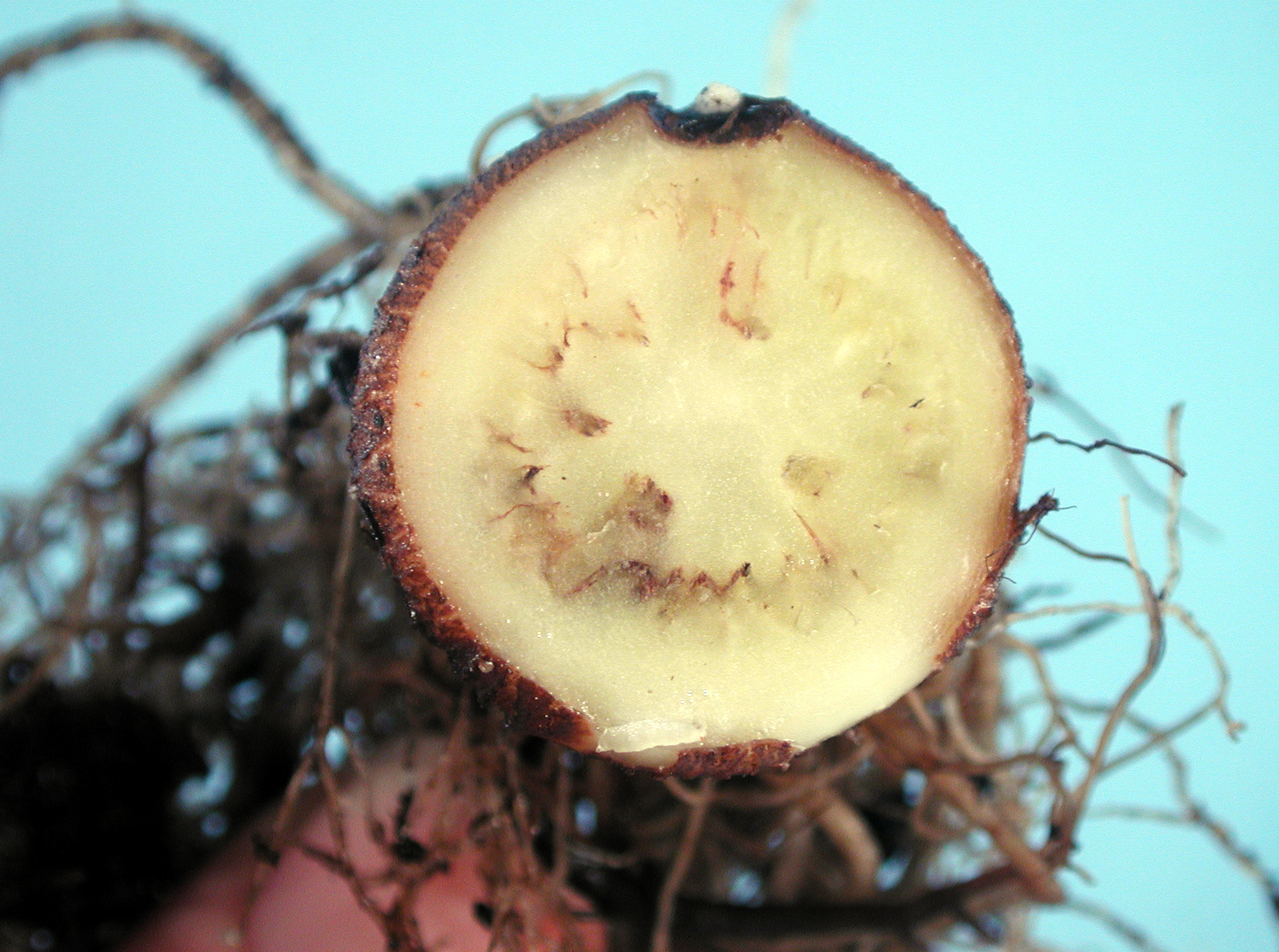
Cause The fungus, Fusarium proliferatum, which can survive in plant debris and has a broad host range. This can affect plants in the field, greenhouse, and vegetative propagation set-ups.

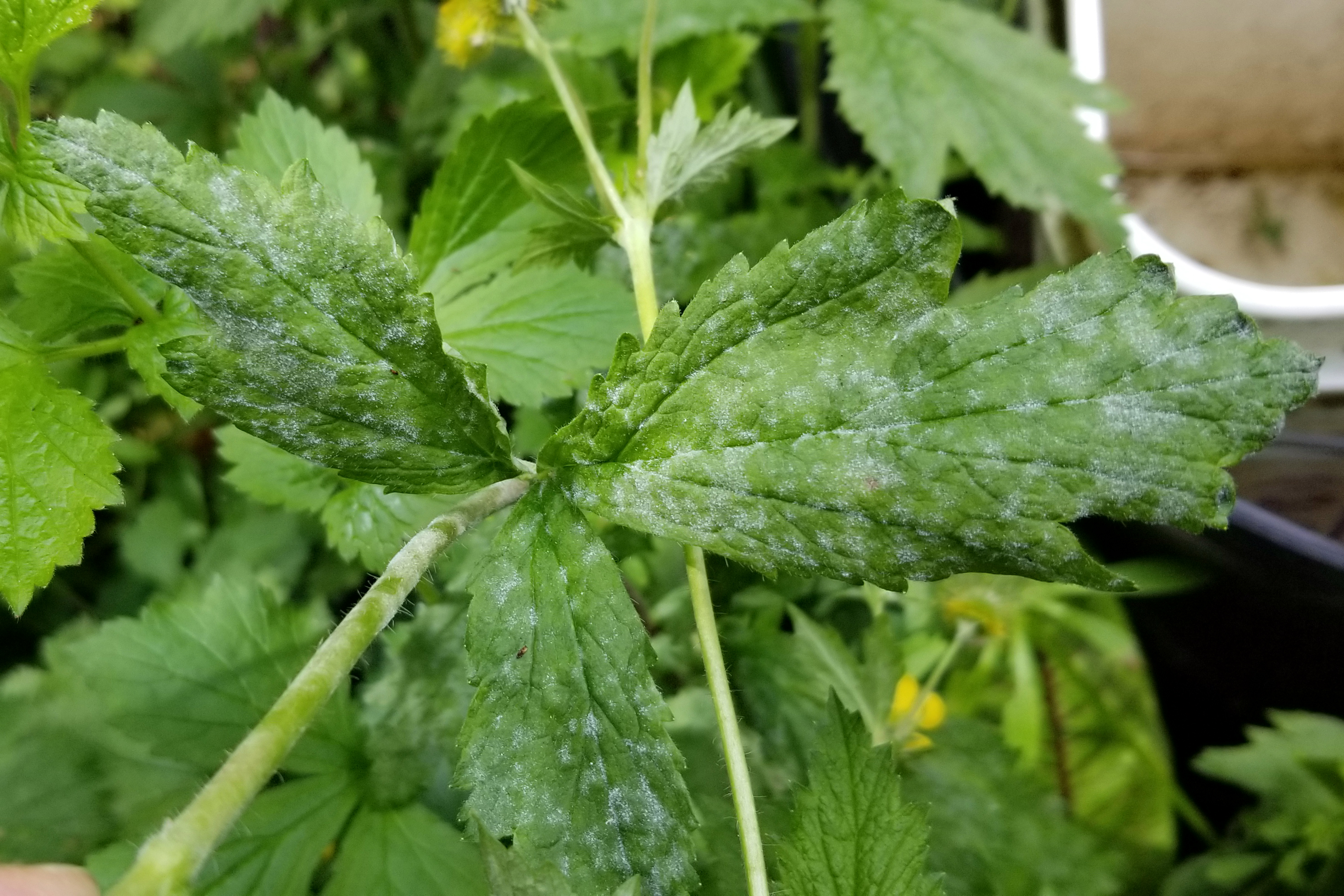
Cause Powdery mildew has been observed on Geum spp. in all states. Podosphaera aphanis, P. macularis and Erysiphe polygoni have been reported from Washington and Idaho. Disease appears to be worse in shaded areas of gardens.