By M. Nampijja, S. Crane, L. du Toit, and C. Ocamb
Plant Disease Management Handbook
Fasciation

Ribbon type fasciation of Coast Redwood (Sequoia sempervirens).
OSU Plant Clinic image, 2008.

Leafy gall caused by the bacteria Rhodococcus fascians showing multiple buds that only partially expand.
OSU Plant Clinic image, 2008.
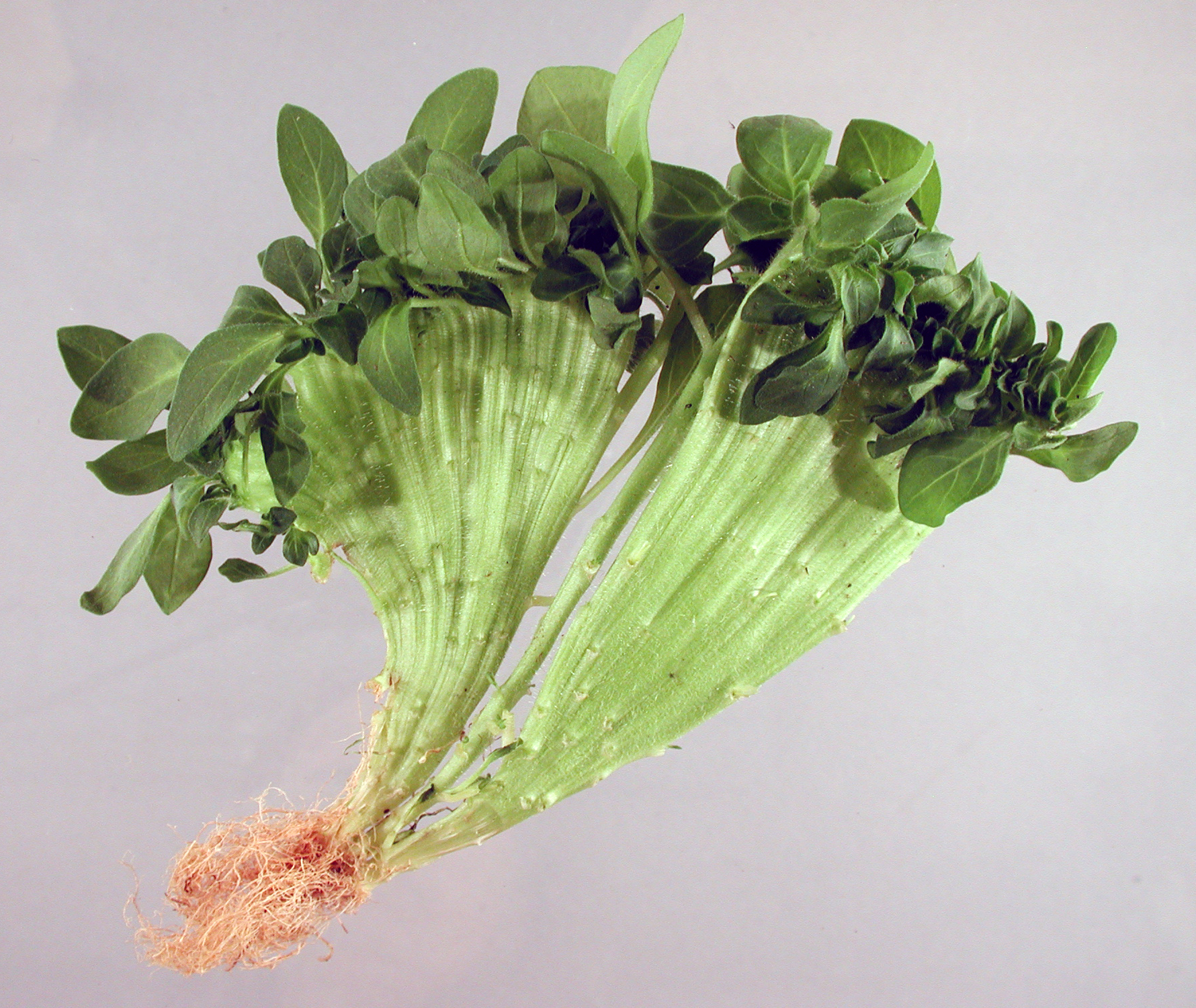
Ribbon type fasciation of this petunia stem.
OSU Plant Clinic image, 2009.

Ribbon type fasciation of 'Berkeley' blueberry.
OSU Plant Clinic image, 2010.

Ribbon type fasciation of Sedum.
OSU Plant Clinic image, 2008.
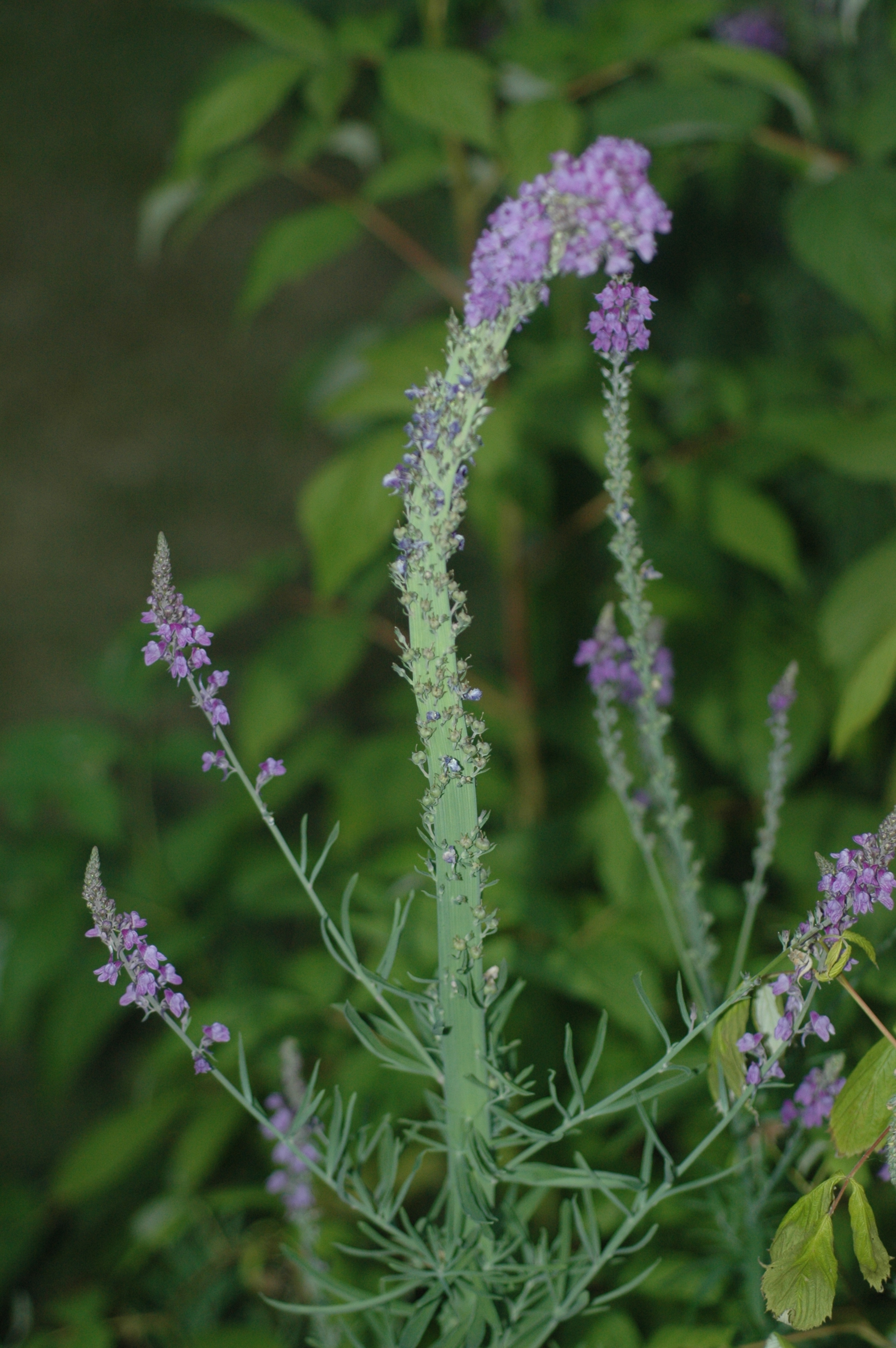
Flatened stem of this Linaria plant is called fasciation.
Jay W. Pscheidt, 2008.
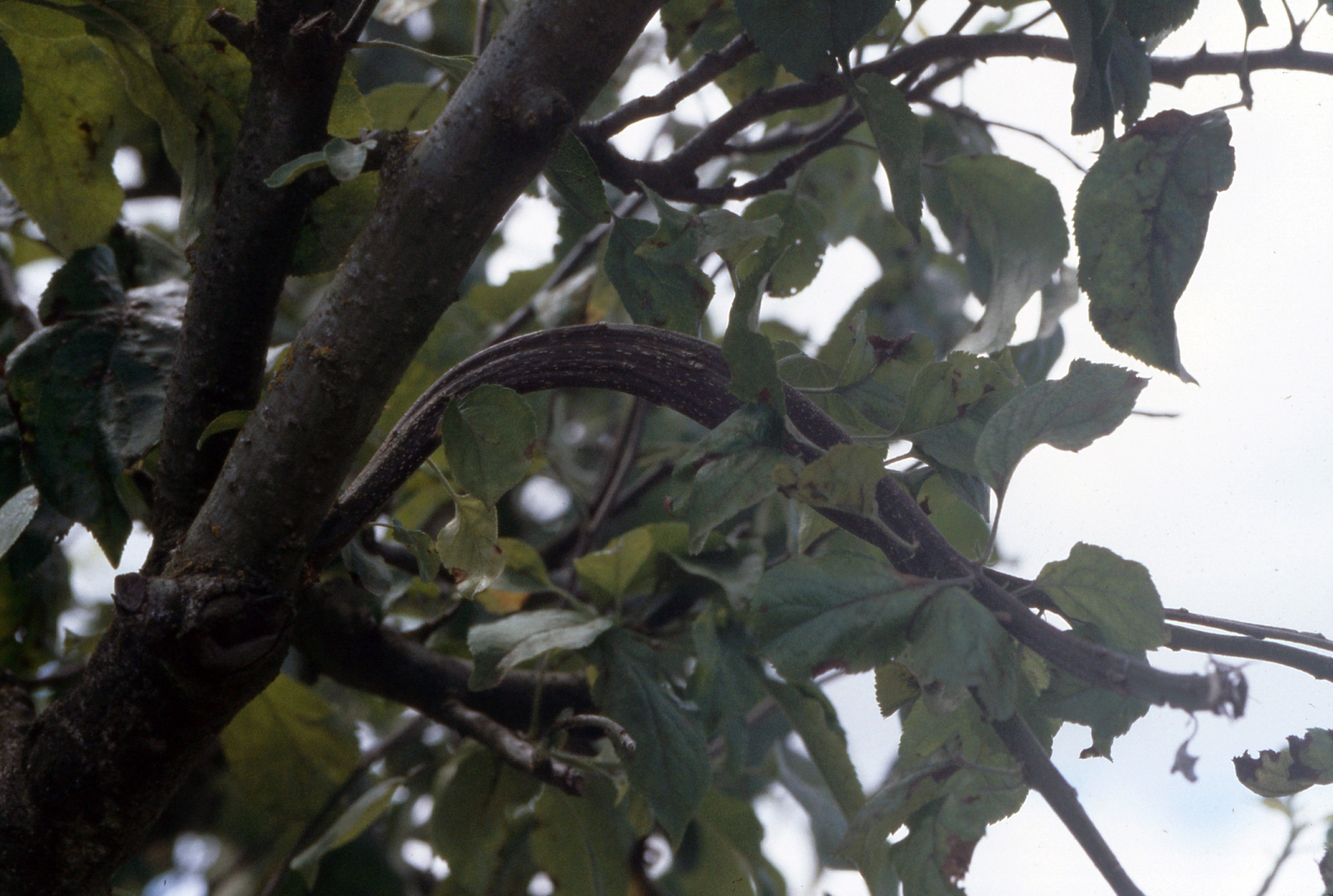
Ribbon type fasciation of 'Rome' apple.
Jay W. Pscheidt, 1990's.
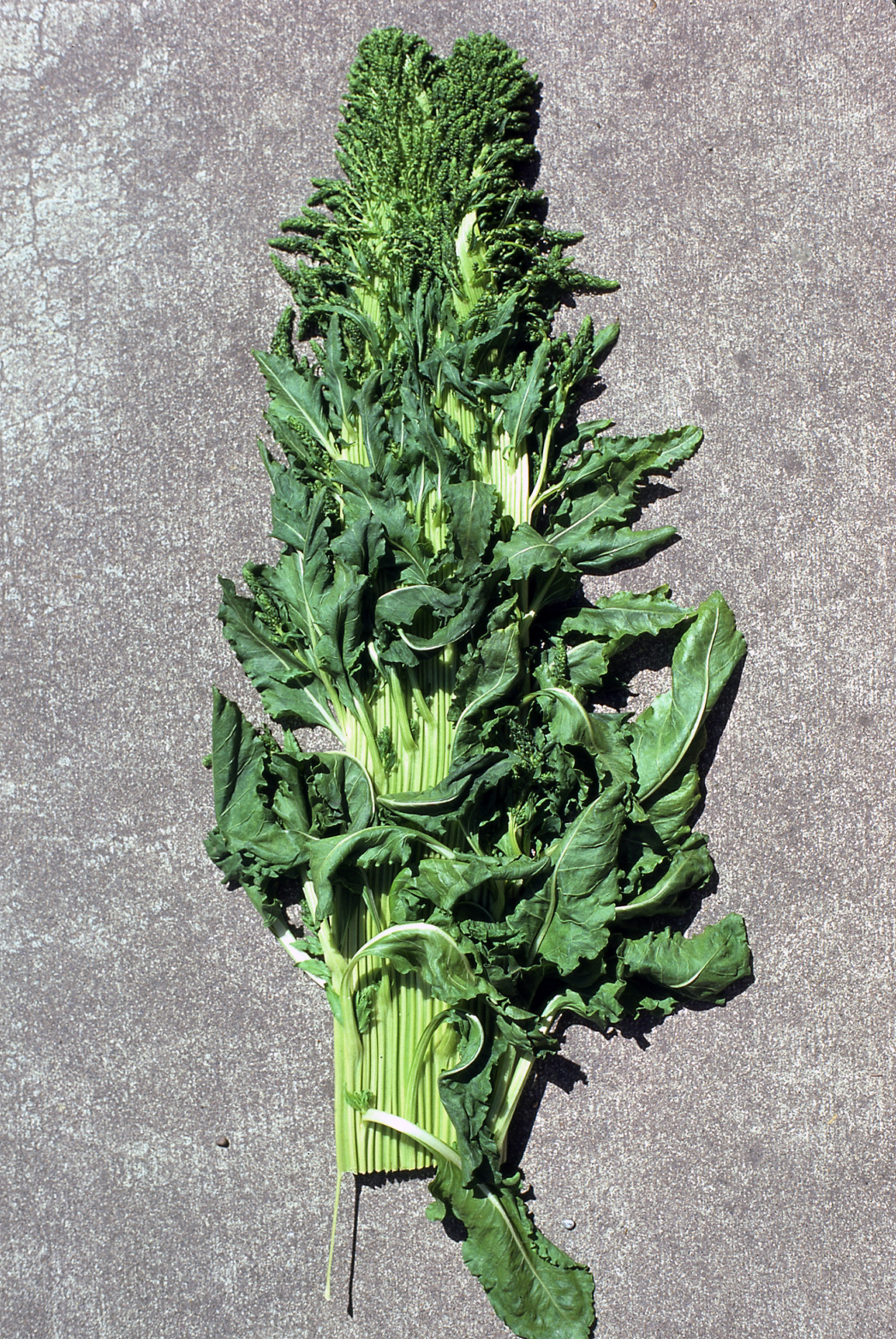
Ribbon type fasciation of sugar beet.
OSU Extension Plant Pathology image collection, 1975.

Ribbon type fasciation of Douglas-fir.
OSU Extension Plant Pathology image collection, 1980.

Fasciation of Shasta Daisy.
Jay W. Pscheidt, 2020.