Plant Disease Management Handbook

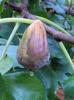
Cause The fungus Botrytis sp. has been reported in Washington and found by the OSU Plant Clinic. Alternaria alternata has been a problem on ripe fruit in California. Rain or dew when figs are ripening will result in surface spotting. These spots are up to 0.2 inch in diameter, are light-brown to-black in color, sunken, and distributed over the entire surface of the fruit.

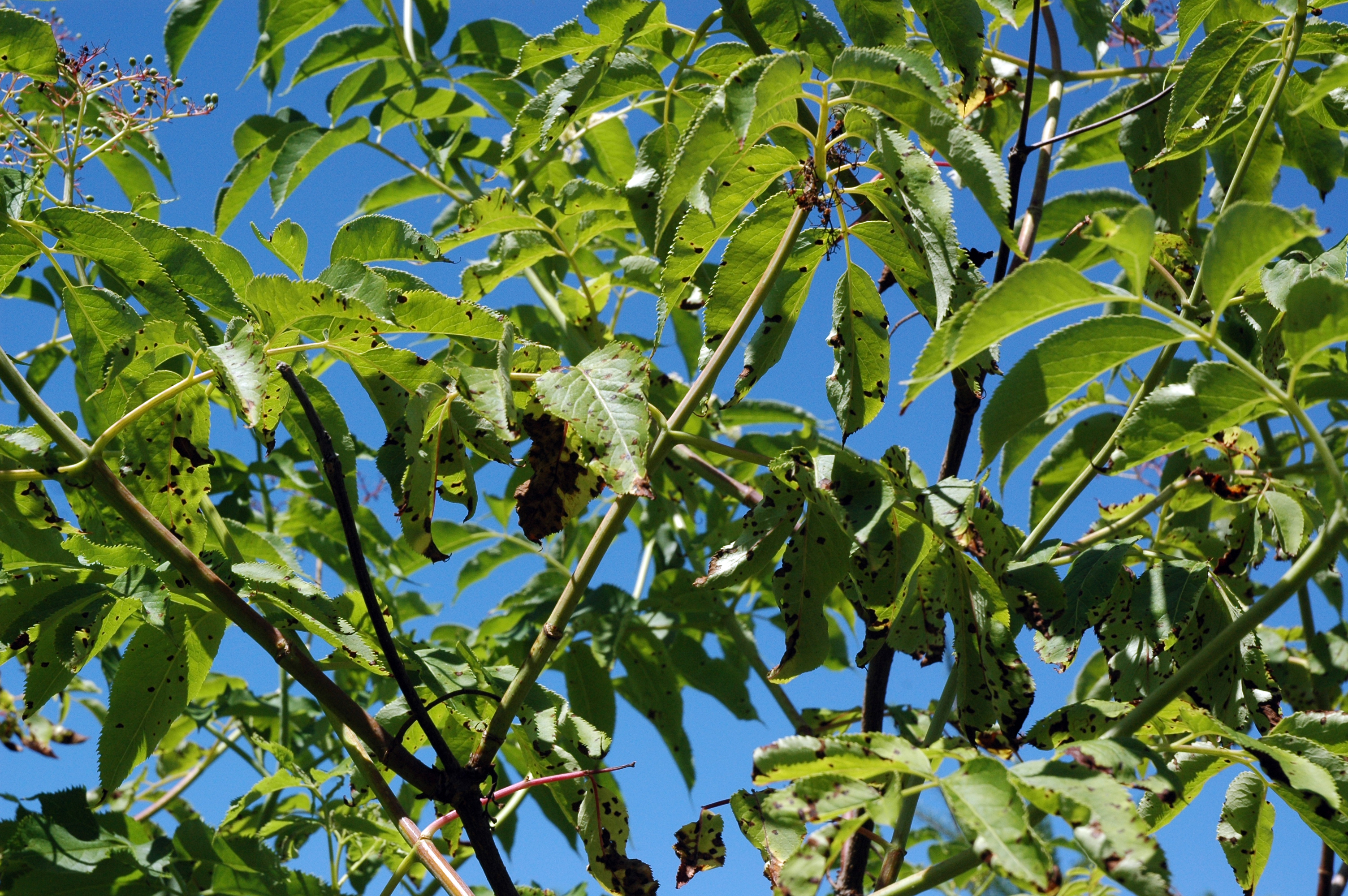
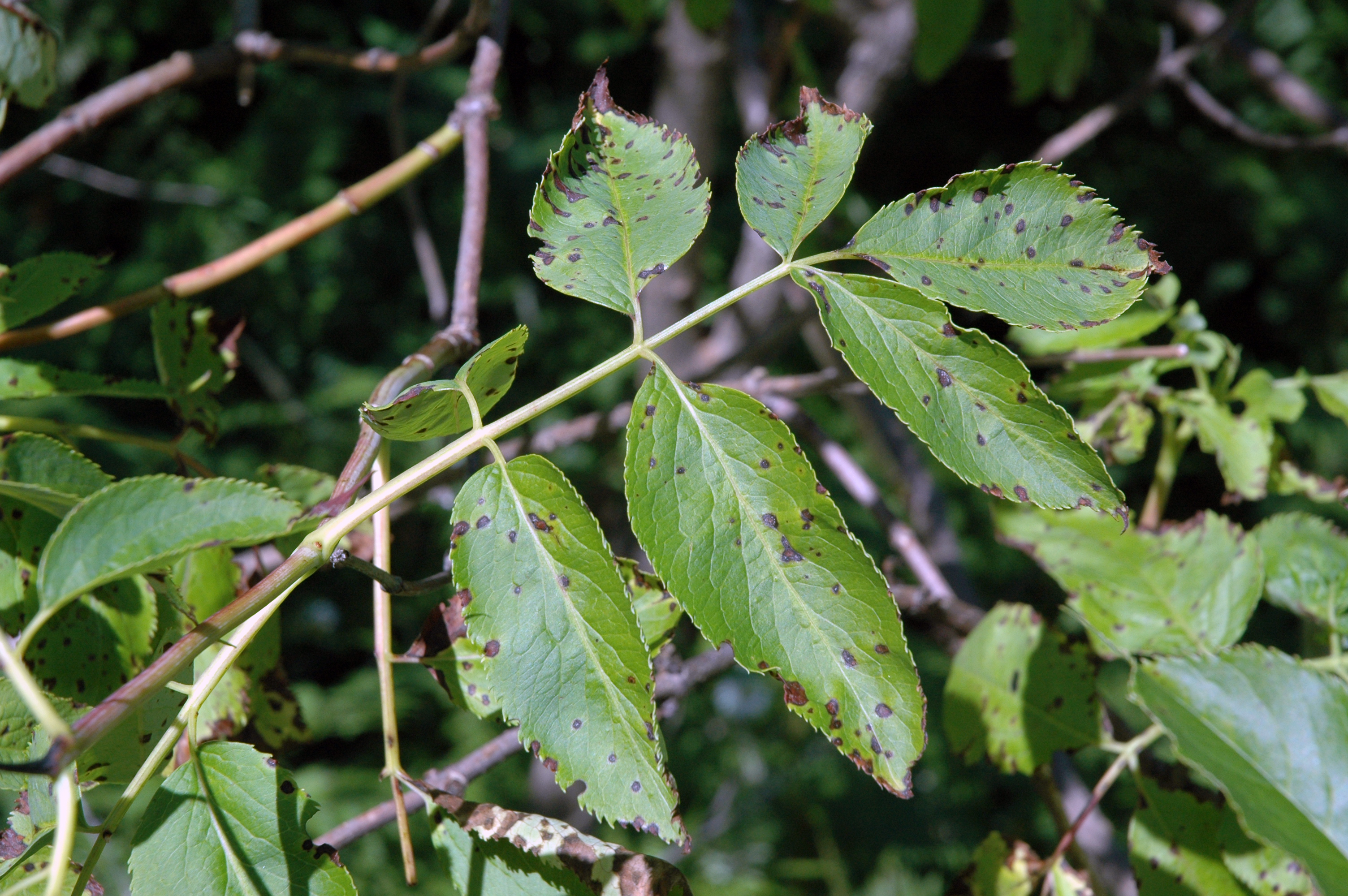
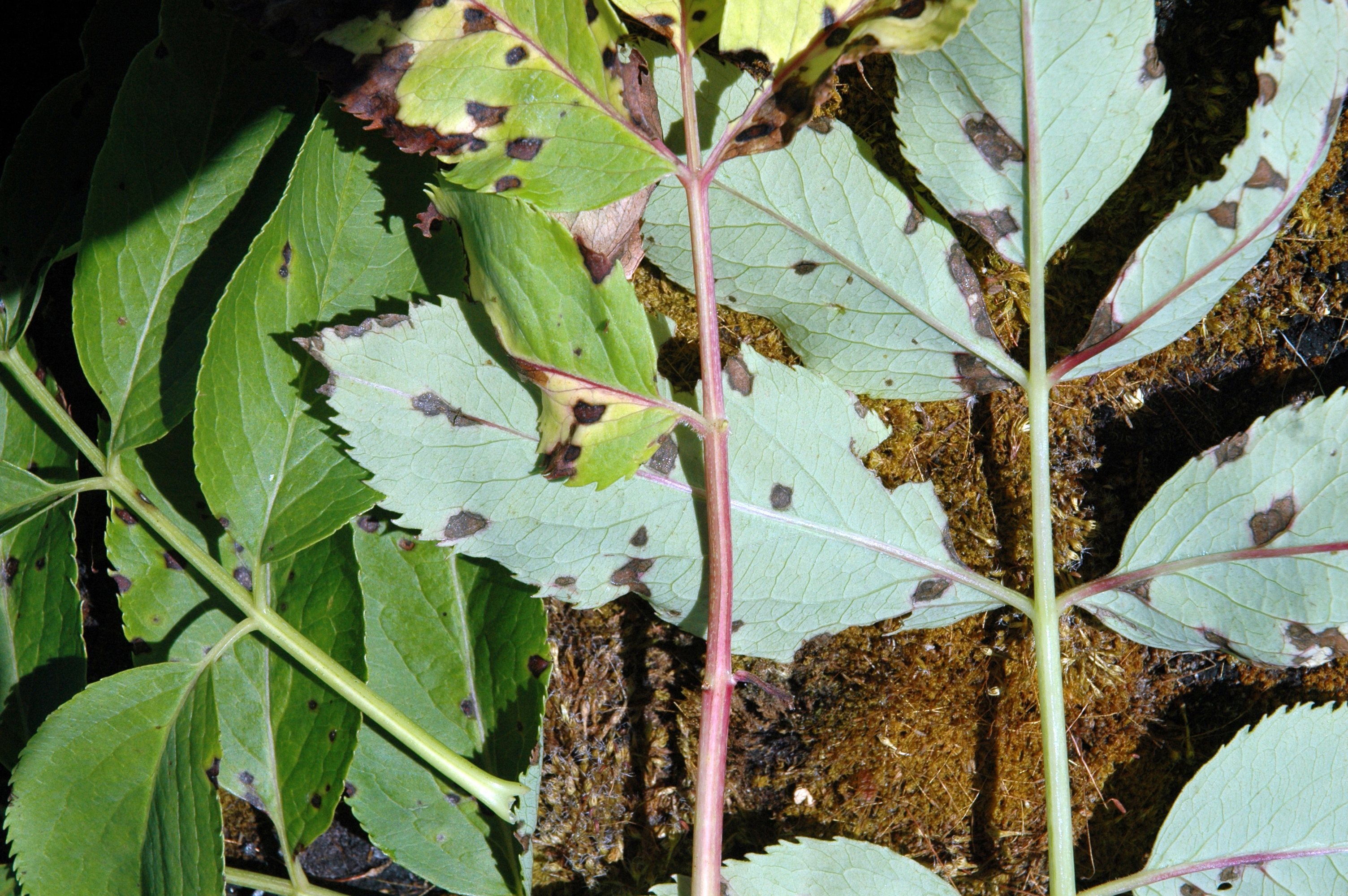
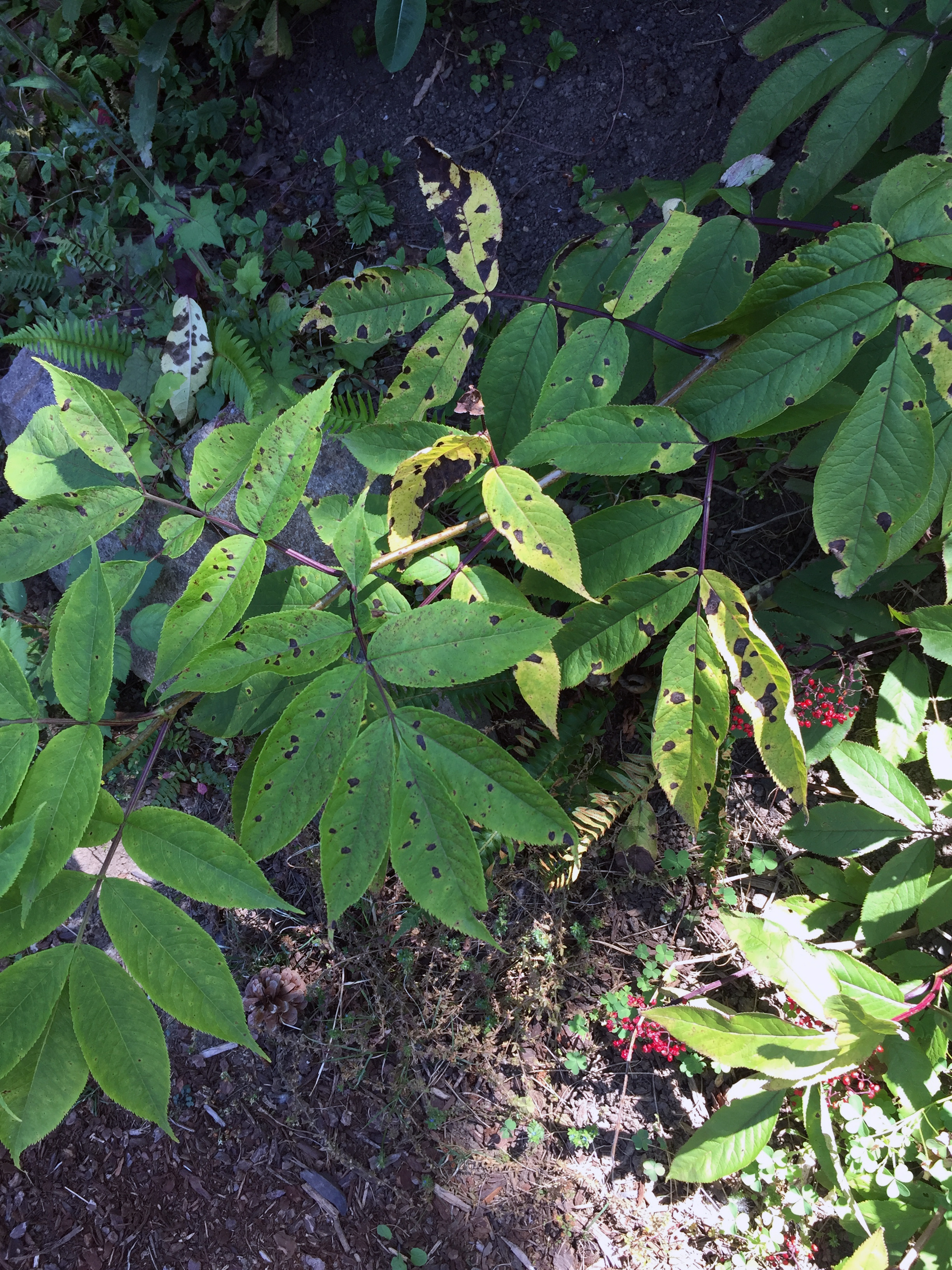
Cause There are numerous leaf spots on Sambucus sp. but only a few have been reported in the PNW including Cercosporella prolificans and Septoria sambucina. A Ramularia sp. has been found by the OSU Plant Disease Clinic. Fungal leaf spots are generally encouraged by wet, rainy weather that keeps foliage wet for long periods of time. Most overwinter in plant debris.

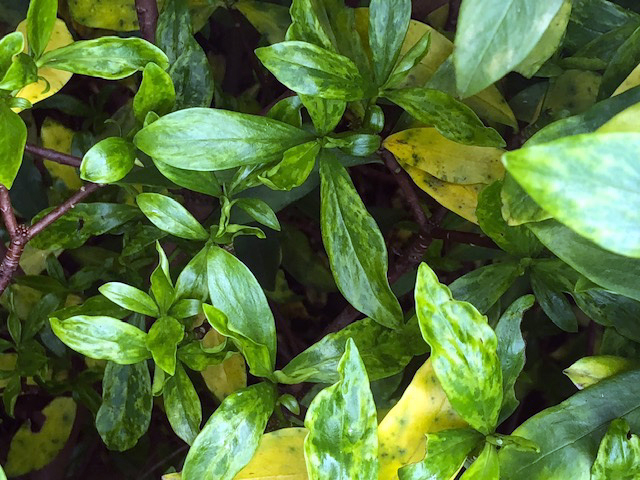
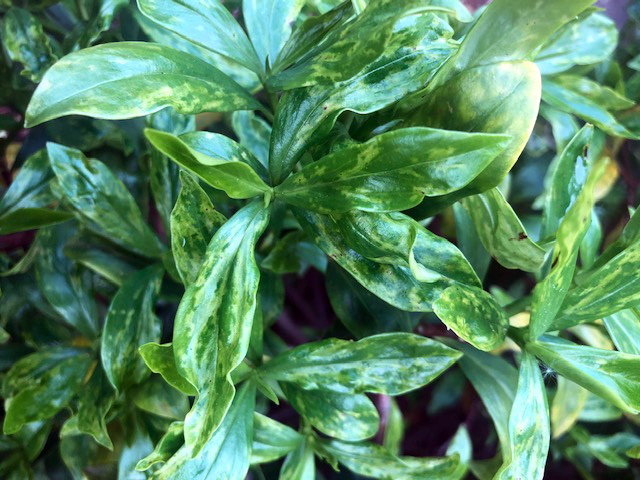
Cause Daphne-infecting viruses such as cycas necrotic stunt virus (CNSV, Nepovirus) which was prevalent in Korea, carnation mottle virus (CaMoV, Carmovirus) has been found by the OSU Plant Clinic, cucumber mosaic virus (CMV, Cucumovirus), daphne virus S (DVS, Carlavirus), daphne virus X (DVX, Potexvirus), daphne virus Y (DVY, Potyvirus), daphne mosaic virus (DapMV, Potyvirus), a tobamovirus, alfalfa mosaic virus, arabis mosaic virus, tobacco ringspot virus, and some other poorly characterized rod-shaped or isometric viruses have been repo

See:

Note Both Fusarium and Rhizoctonia have been cultured by the OSU Plant Clinic from rotting Daphne cuttings that failed to root.

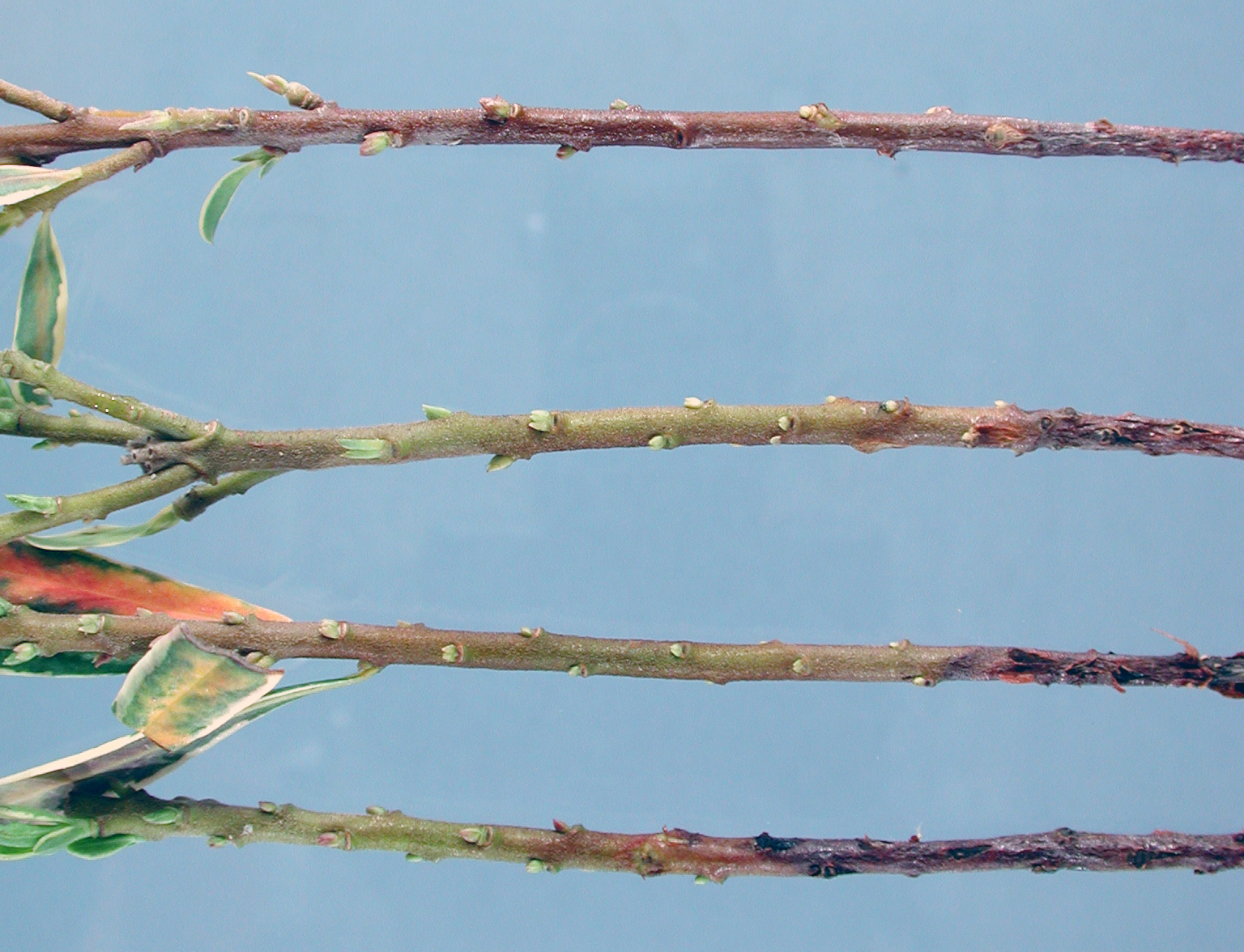
4 daphne cuttings

See:

Note Out of dozens of samples there have been 6 that were diagnosed with black root rot by the OSU Plant Clinic.

Cause The fungi Septoria chrysanthemi has been reported from Washington and S. leucanthemi has been reported from Oregon and Washington. These fungi generally overwinter in plant debris and are favored by conditions that keep leaves wet for extended periods of time.

Cause The fungus Postia amara caused an important stem decay of incense-cedar in Oregon. Airborne spores infect, through open wounds such as those from fire, large open knots, or broken branch stubs. Trees are particularly susceptible when growing in ravines or other locations favoring surface moisture on exposed heartwood for extended periods of time. Fruiting bodies called conks indicate extensive decay columns. Mostly a problem of older trees.