Plant Disease Management Handbook

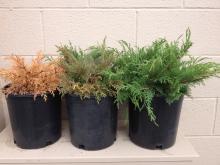
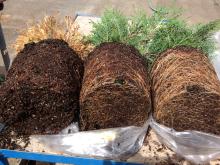
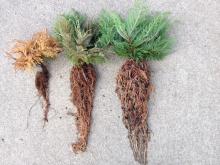
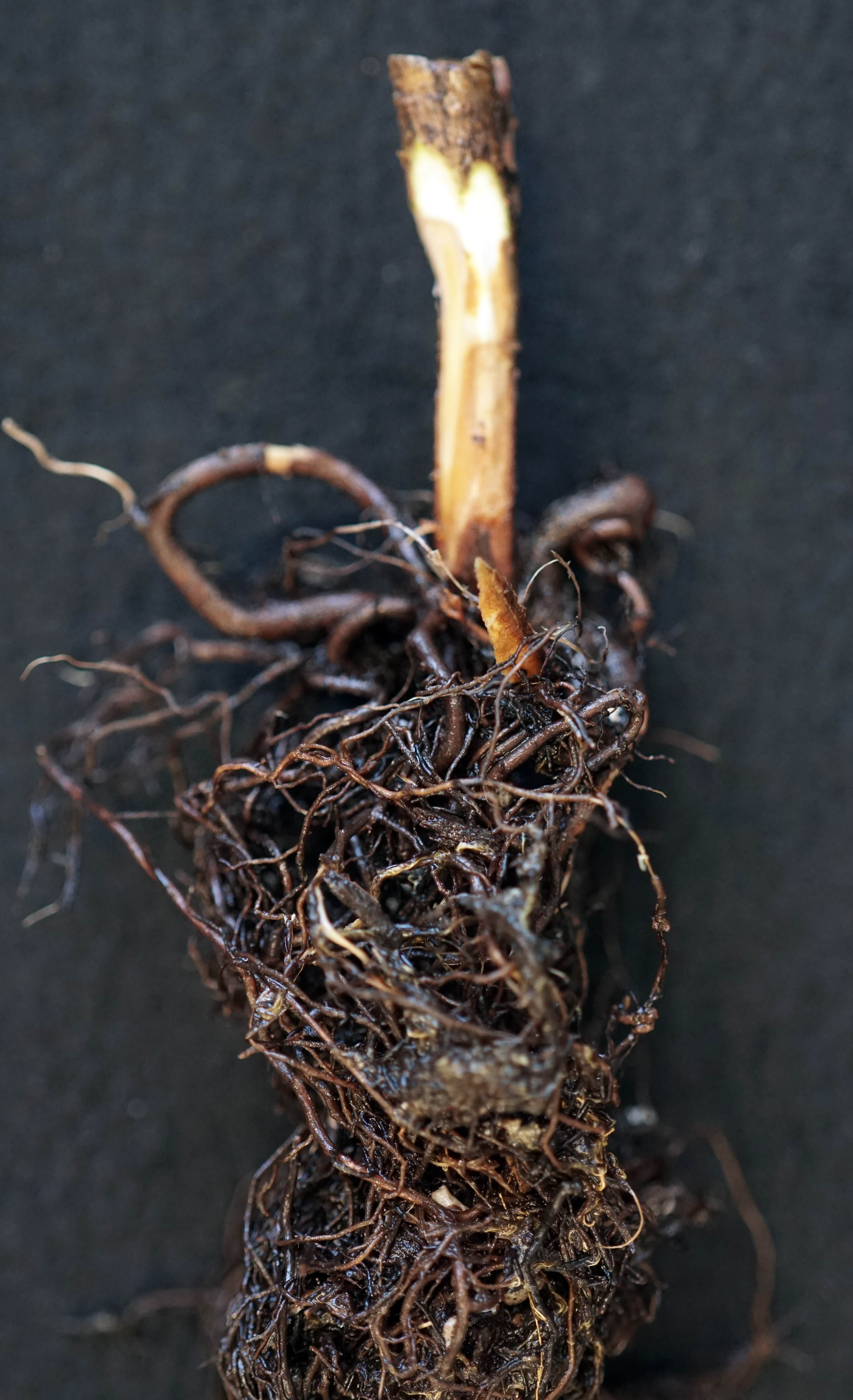
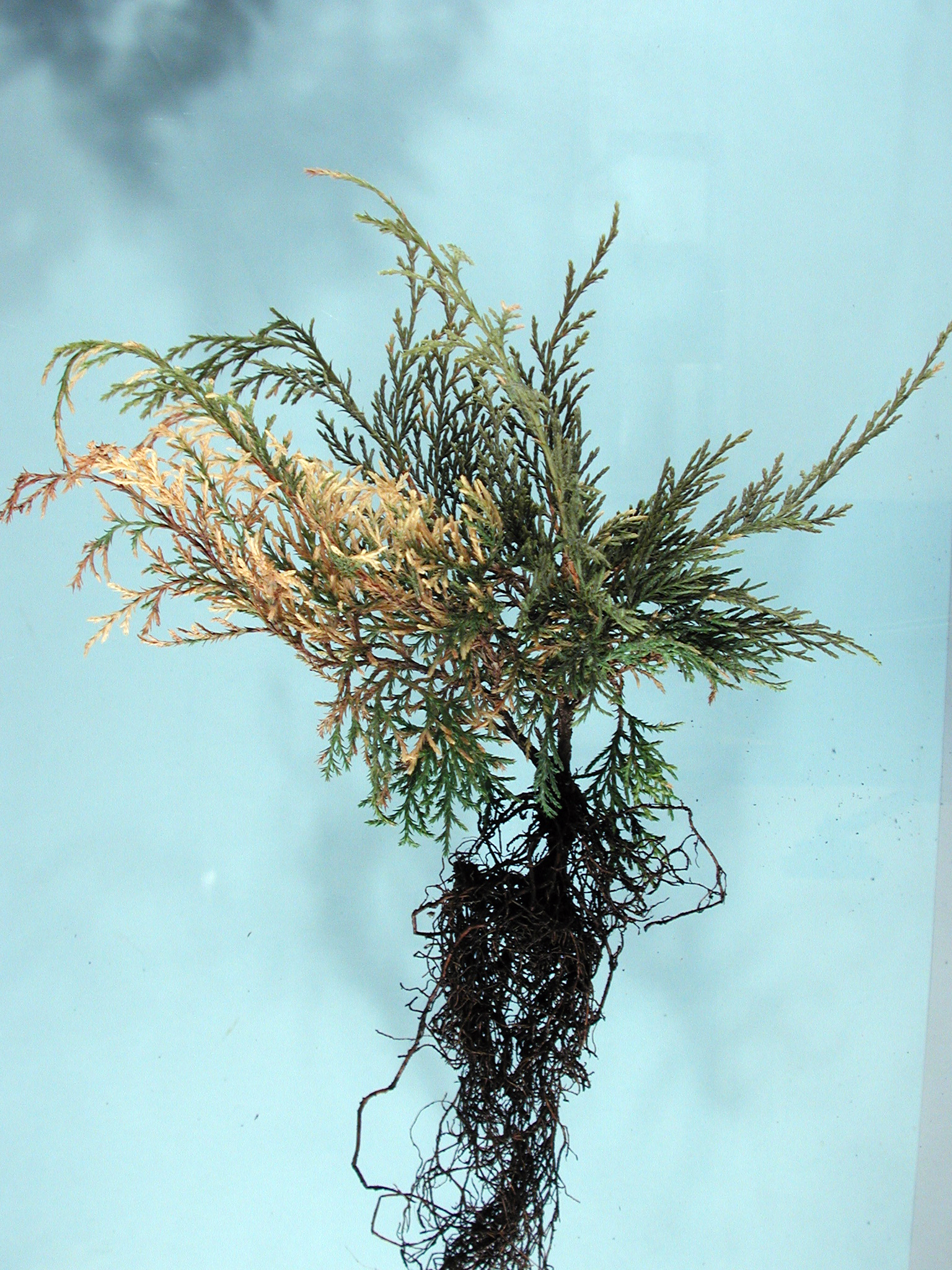
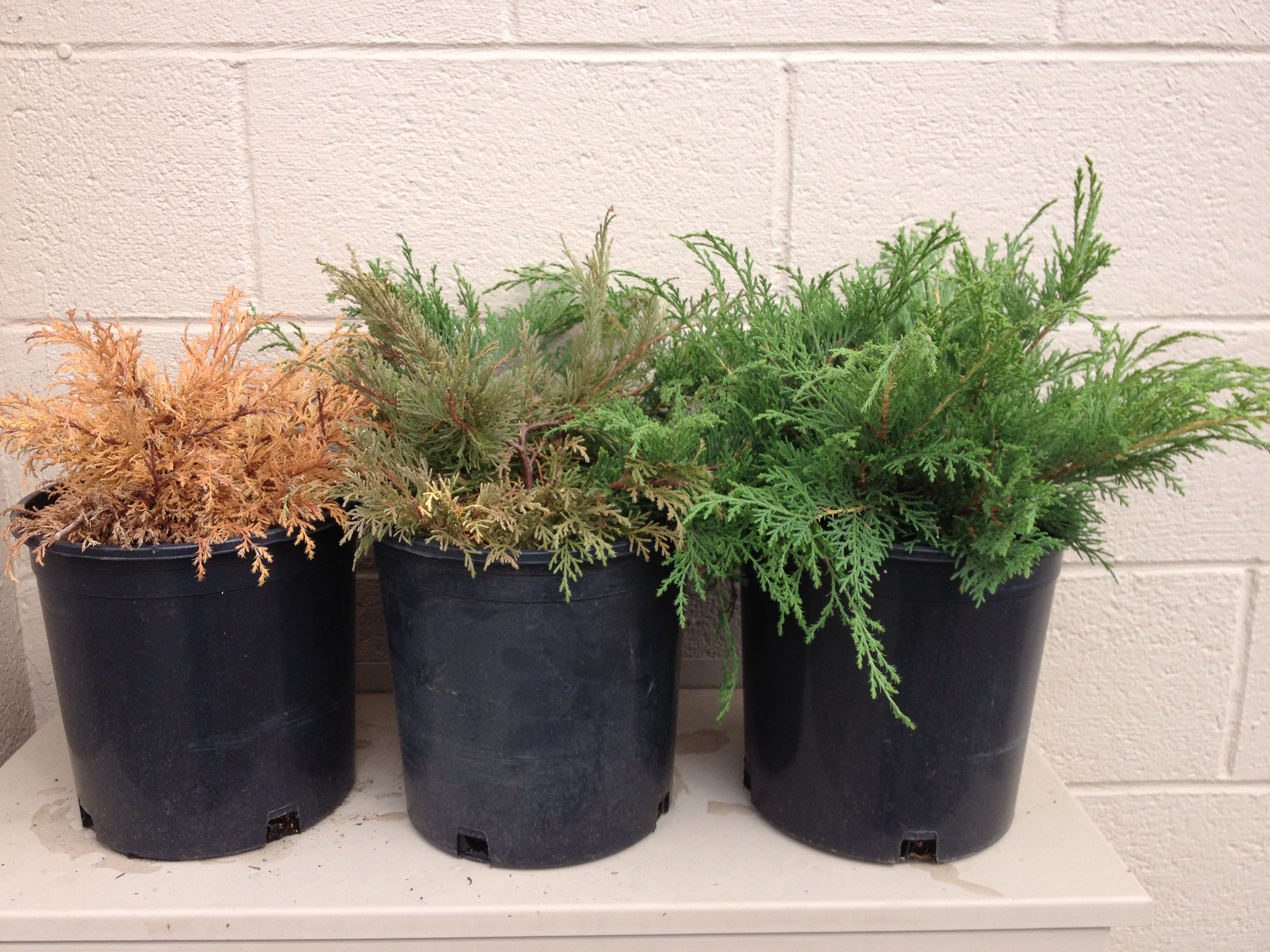
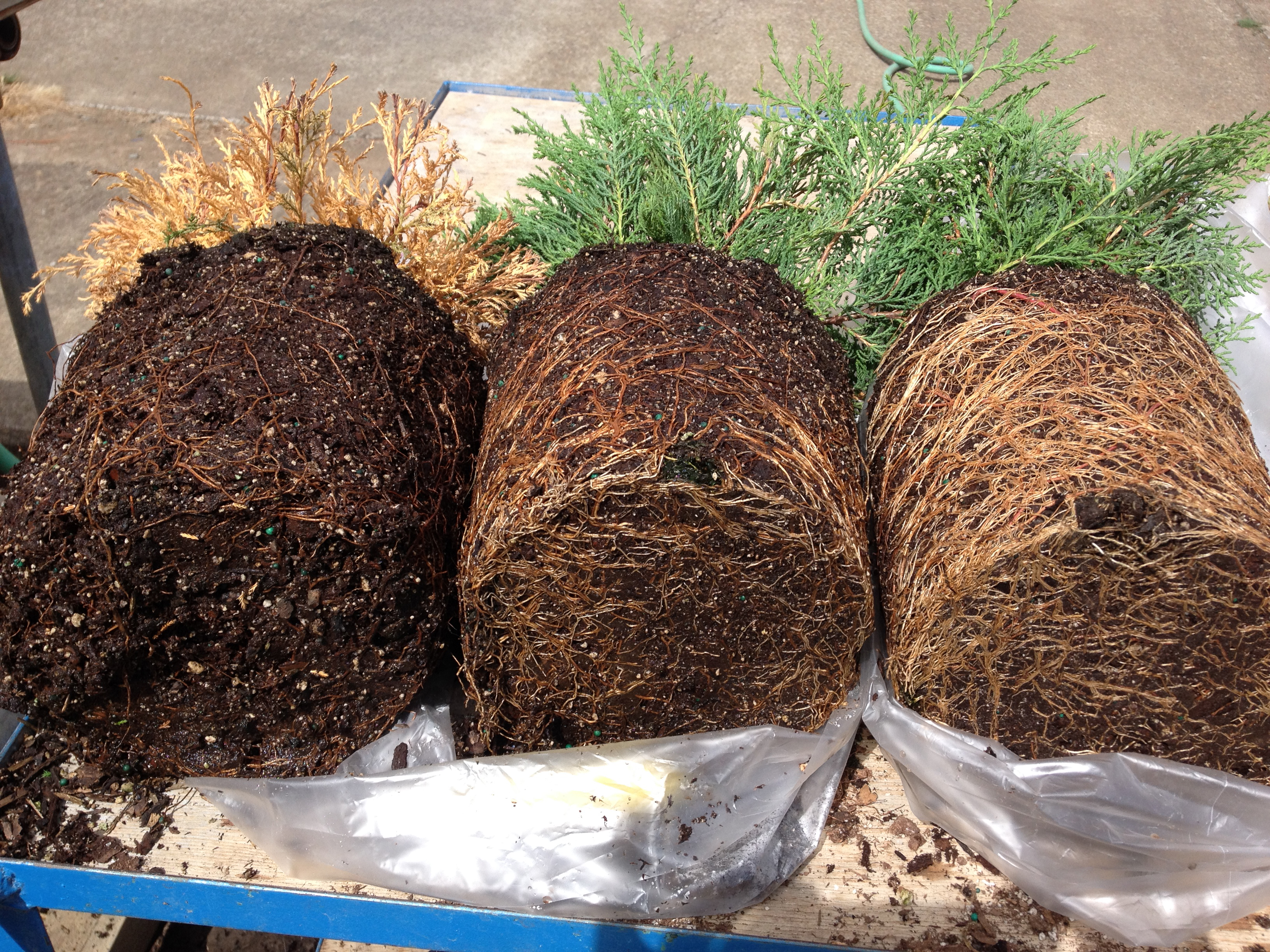
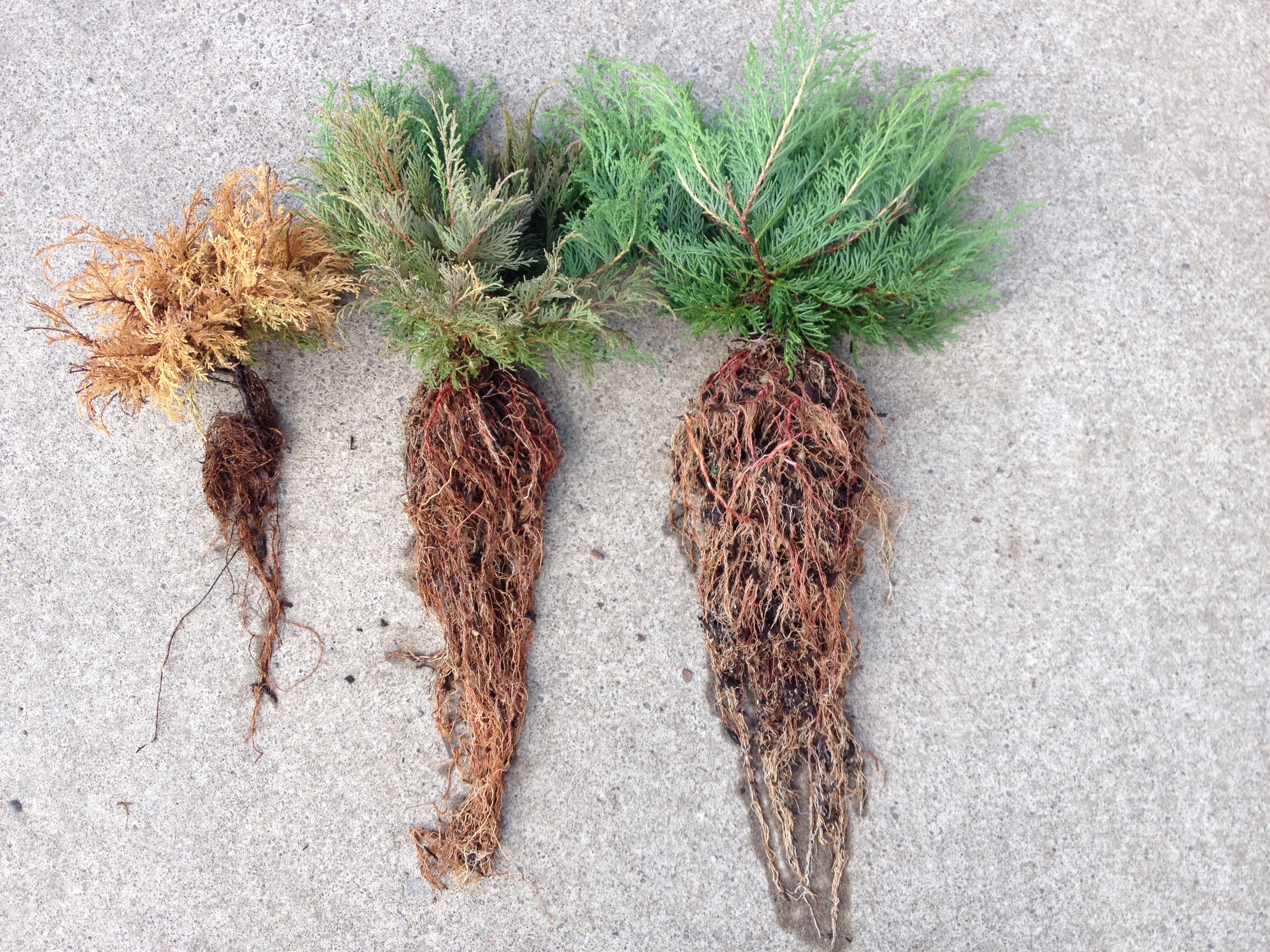
Cause Fusarium sp. is suspect. Fusarium oxysporum was found repeatedly during 2012 and 2013 in association with dying plants in Oregon seed fields. The fungus is soilborne and can survive in soil, often in plant debris, for at least several year as durable resting spores known as chlamydospores. The fungus can be spread by infested equipment or windborne or waterborne movement of infested soil.

See:

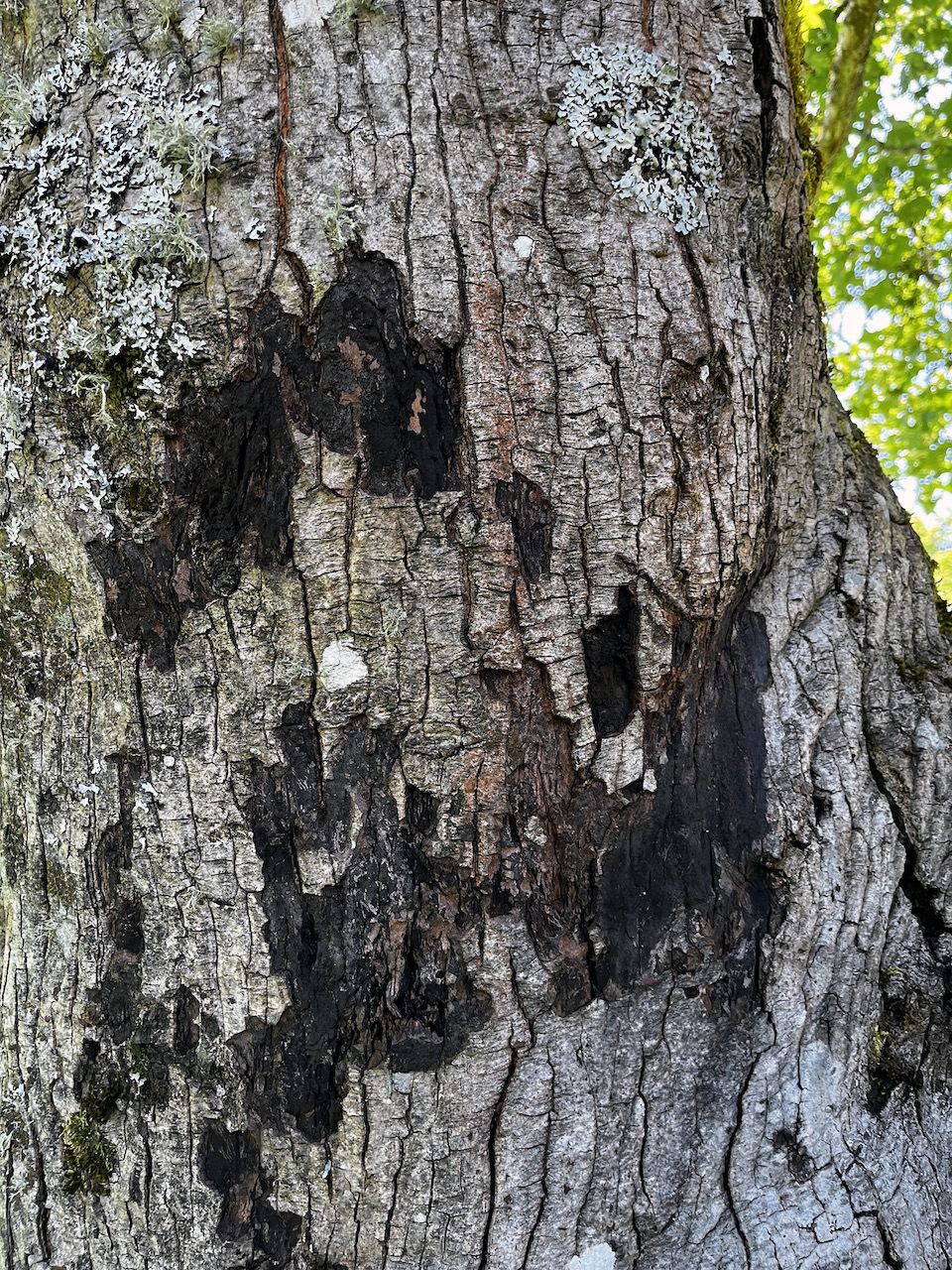
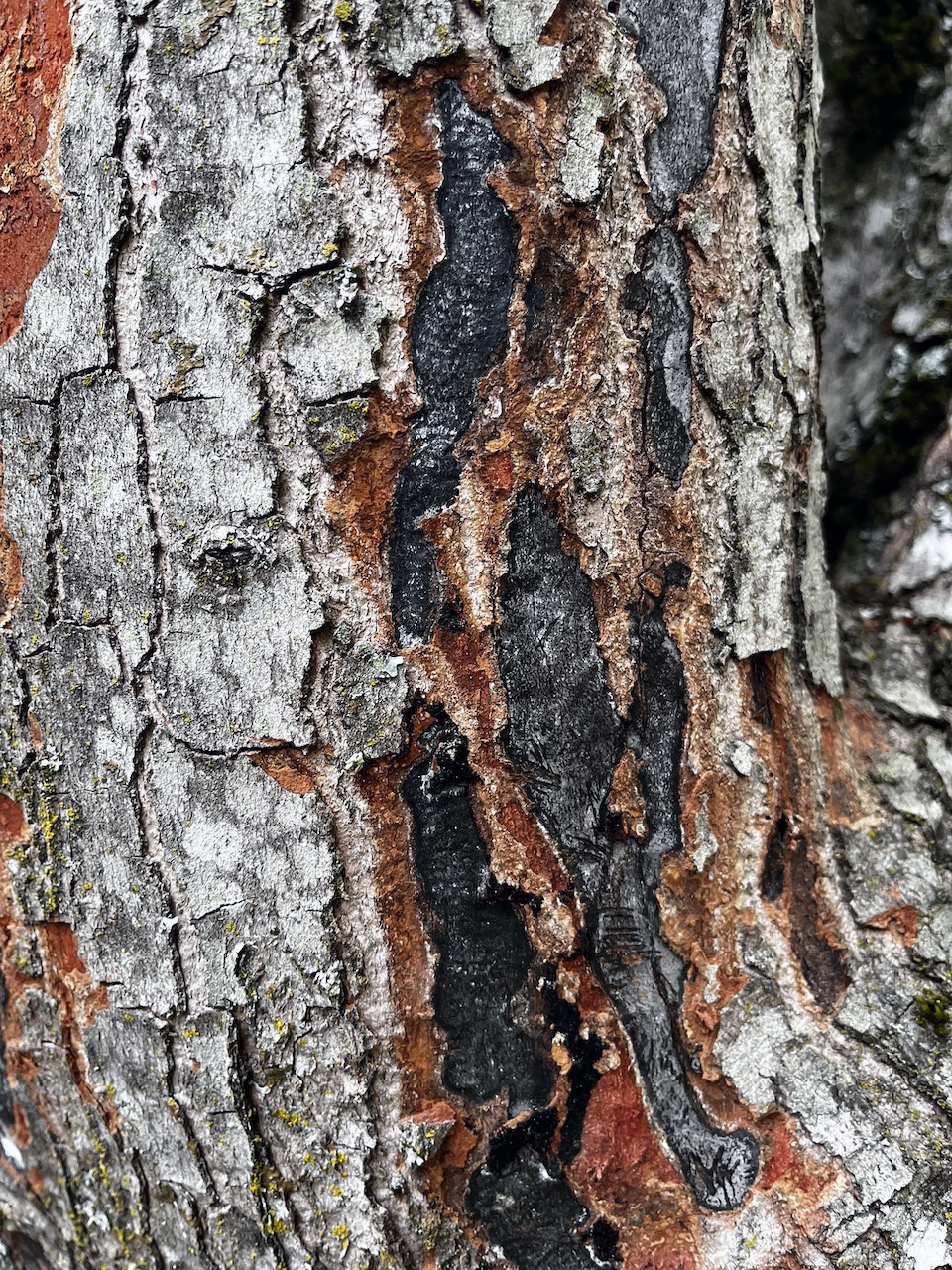
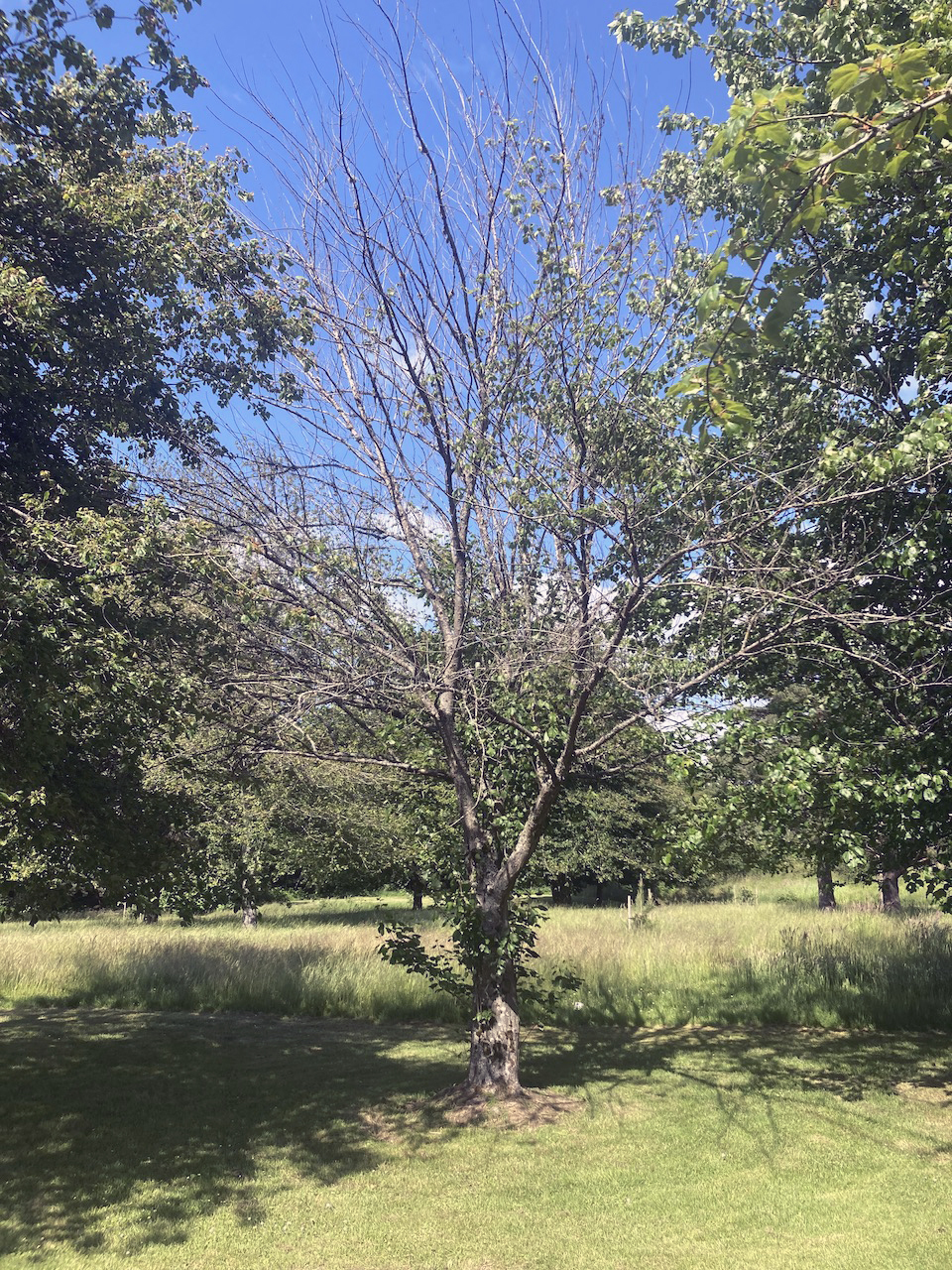
Cause The fungus Cryptostroma corticale has been causing dieback primarily in sycamore maples (Acer pseudoplatanus), although several other species can also become infected. The disease was found in eastern WA in 1968 and in the Seattle area in 2020 on sycamore maple, red maple (Acer rubrum), Japanese maple (A. palmatum), vine maple (A.

Cause The fungus Erysiphe magnifica (formerly Microsphaera magnifica) has been reported from Washington and powdery mildew has been observed on magnolia in Oregon. The Magnolia collection of the Washington Park Arboretum, University of Washington, Seattle, includes 34 species and M. liliiflora was the only species on which powdery mildew was observed in 2003.

Cause The fungus Neoerysiphe galeopsidis has been reported from Washington and powdery mildew has been observed in Oregon on Lamb's ear plants. Although plants do not die, the conspicuous disease signs detracted significantly from the appearance of the infected plants.