

Use of Disinfestants to Control Plant Pathogens

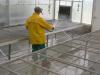
An applicator applying disinfestant to a metalic bench and greenhouse free of debris.
Warren Copes

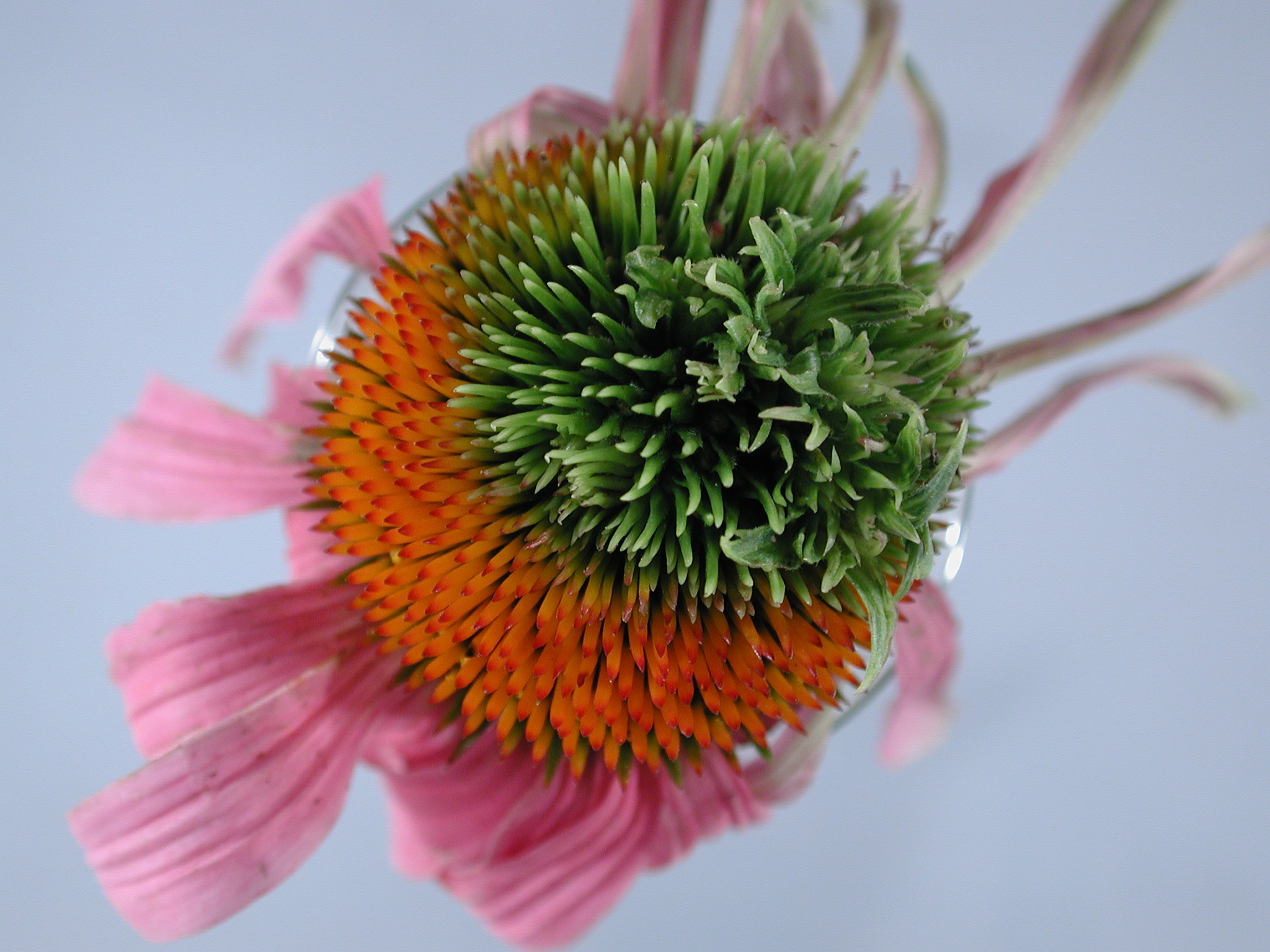
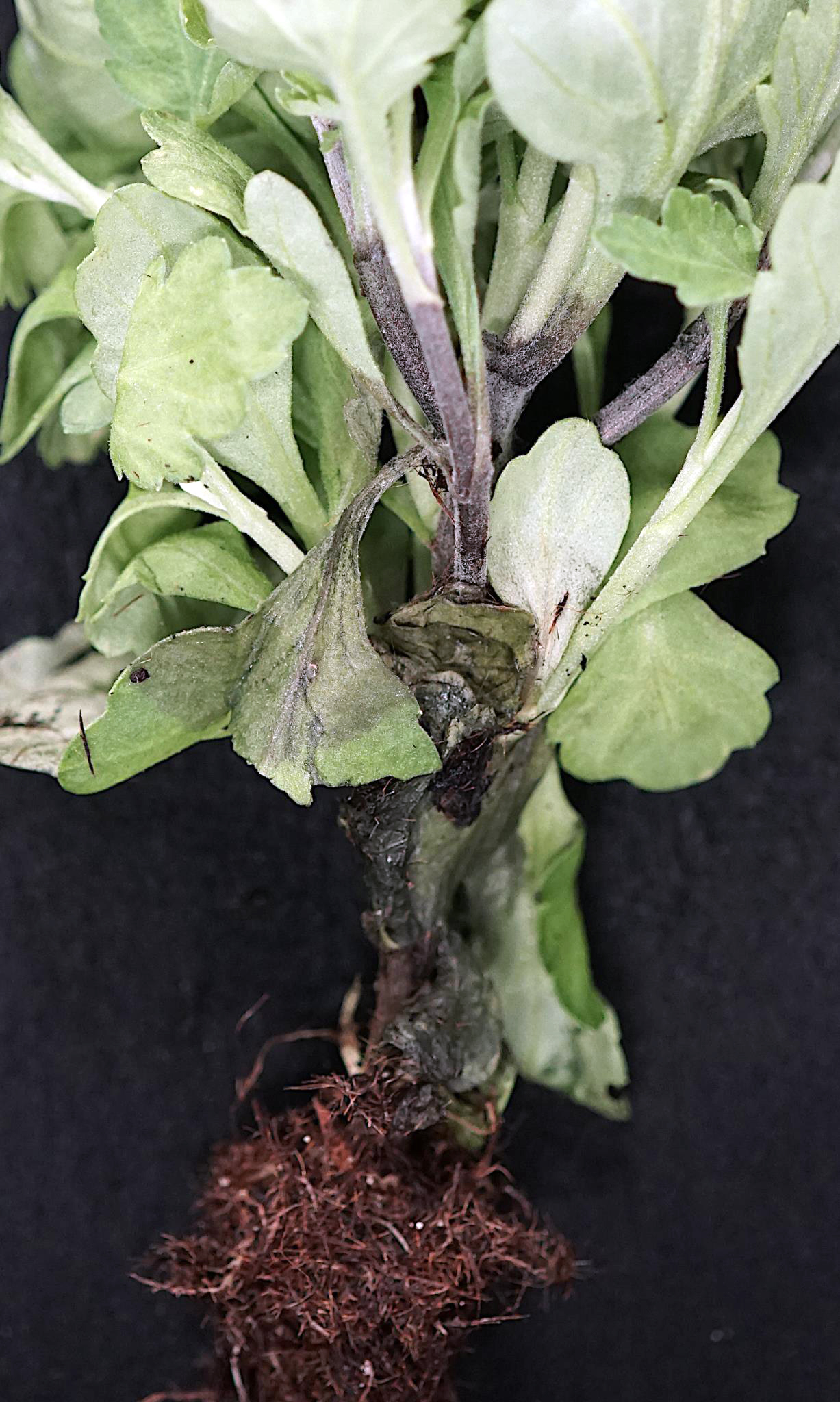
Empty propagation house where dead leaf and media debris, colonized with binucleate Rhizoctonia, needs to be removed prior to sanitation treatment.
Warren Copes.

Keep facilities clean between and outside of plant production areas.
Jay W. Pscheidt, 2008.

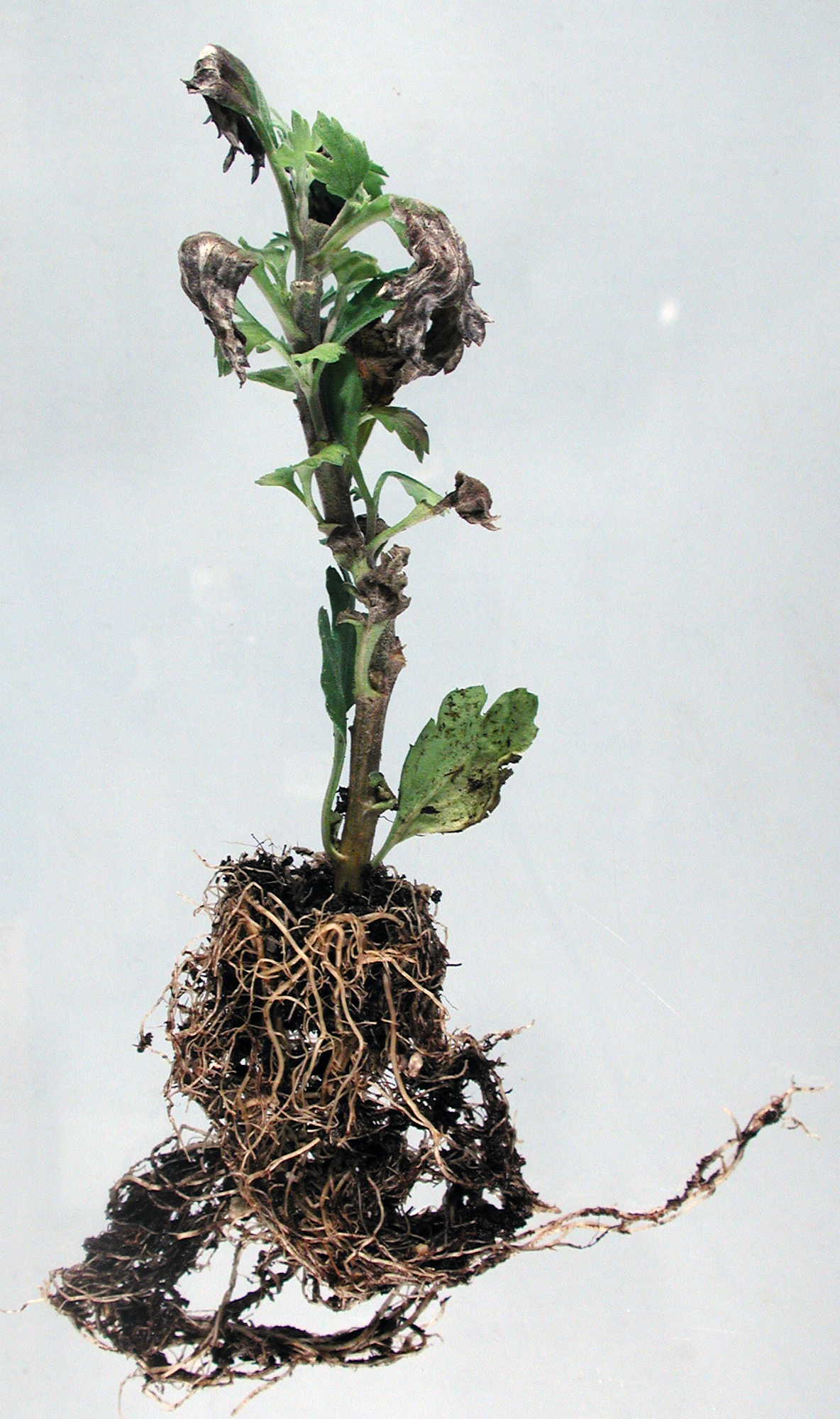
Remove dead plants and debris right away as they can be sources of air- and water-born pathogens.
Jay W. Pscheidt, 2008.
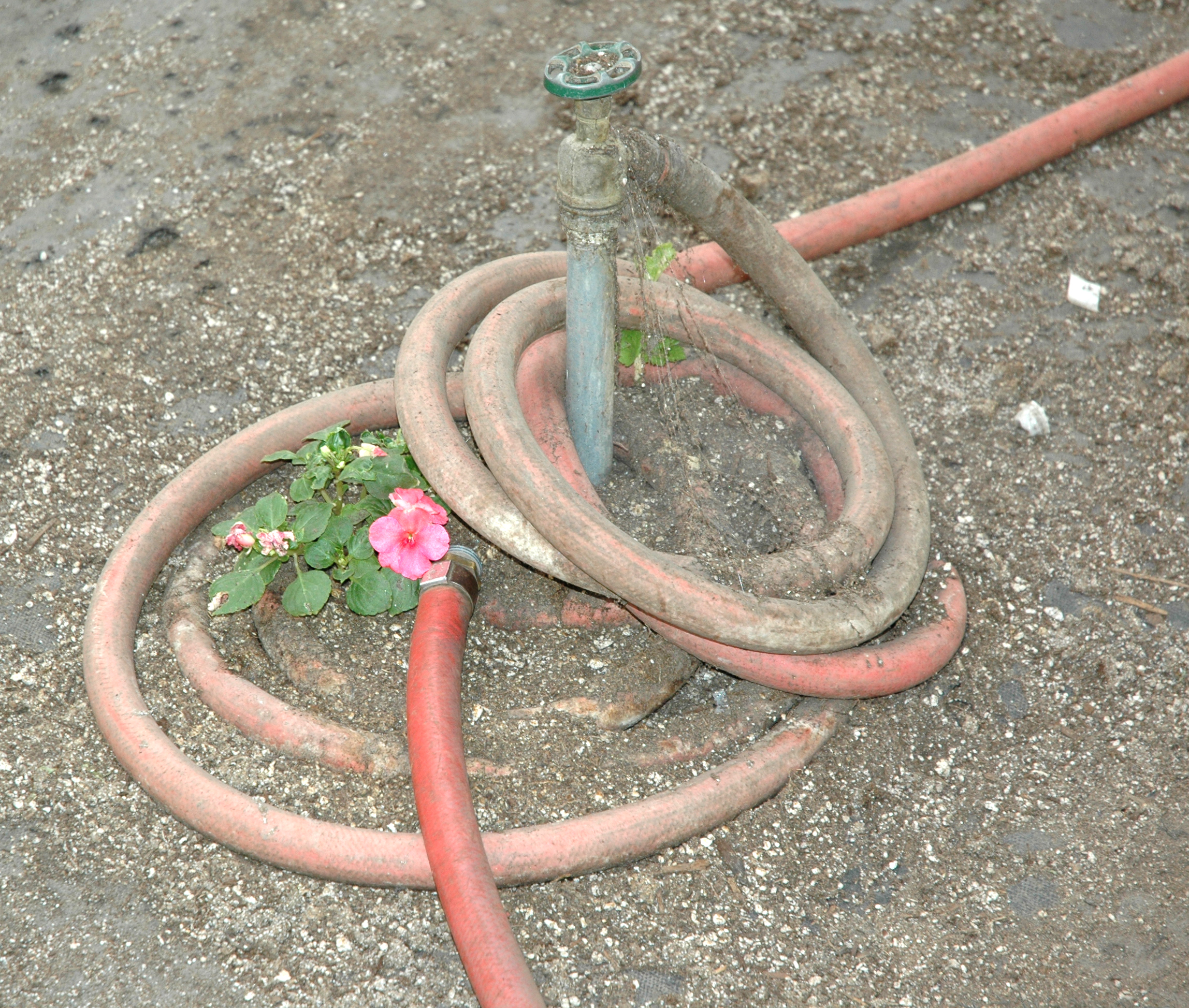
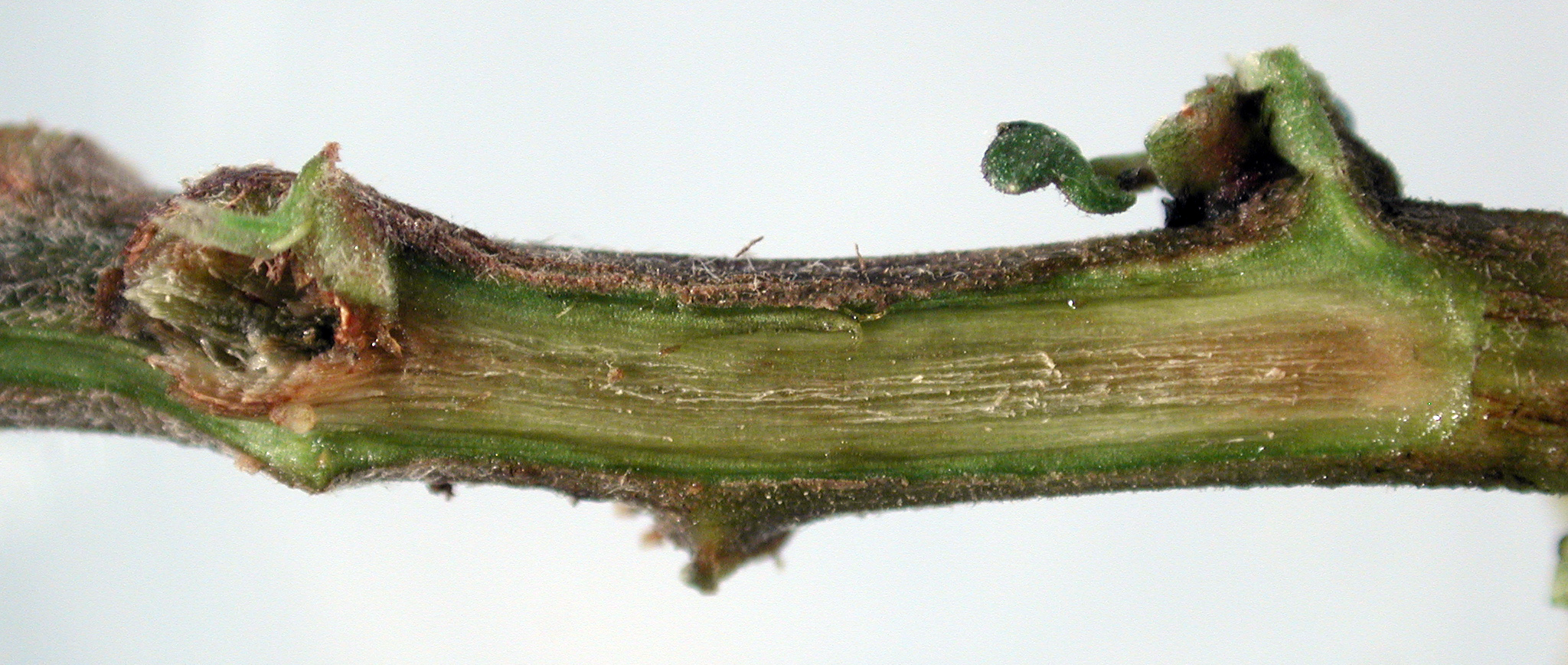
Keep hose ends off the floor as nozzles can acquire soil-borne pathogens from debris and volunteer plants.
Jay W. Pscheidt, 2008.

Maintain propagation, seeding and repoting areas free of discarded plants.
Jay W. Pscheidt, 2008.