Plant Disease Management Handbook

Cause Sclerotinia sclerotiorum, a fungus that produces hard, black sclerotia, which can survive many years in soil. The disease develops in cool, wet conditions and is more prevalent when plants form a complete, compact canopy that holds high relative humidity. The fungus can colonize dead organic plant matter and survive many years. In the potato system, flowers are very susceptible to infection and are the main source of stem infection.

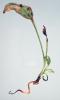
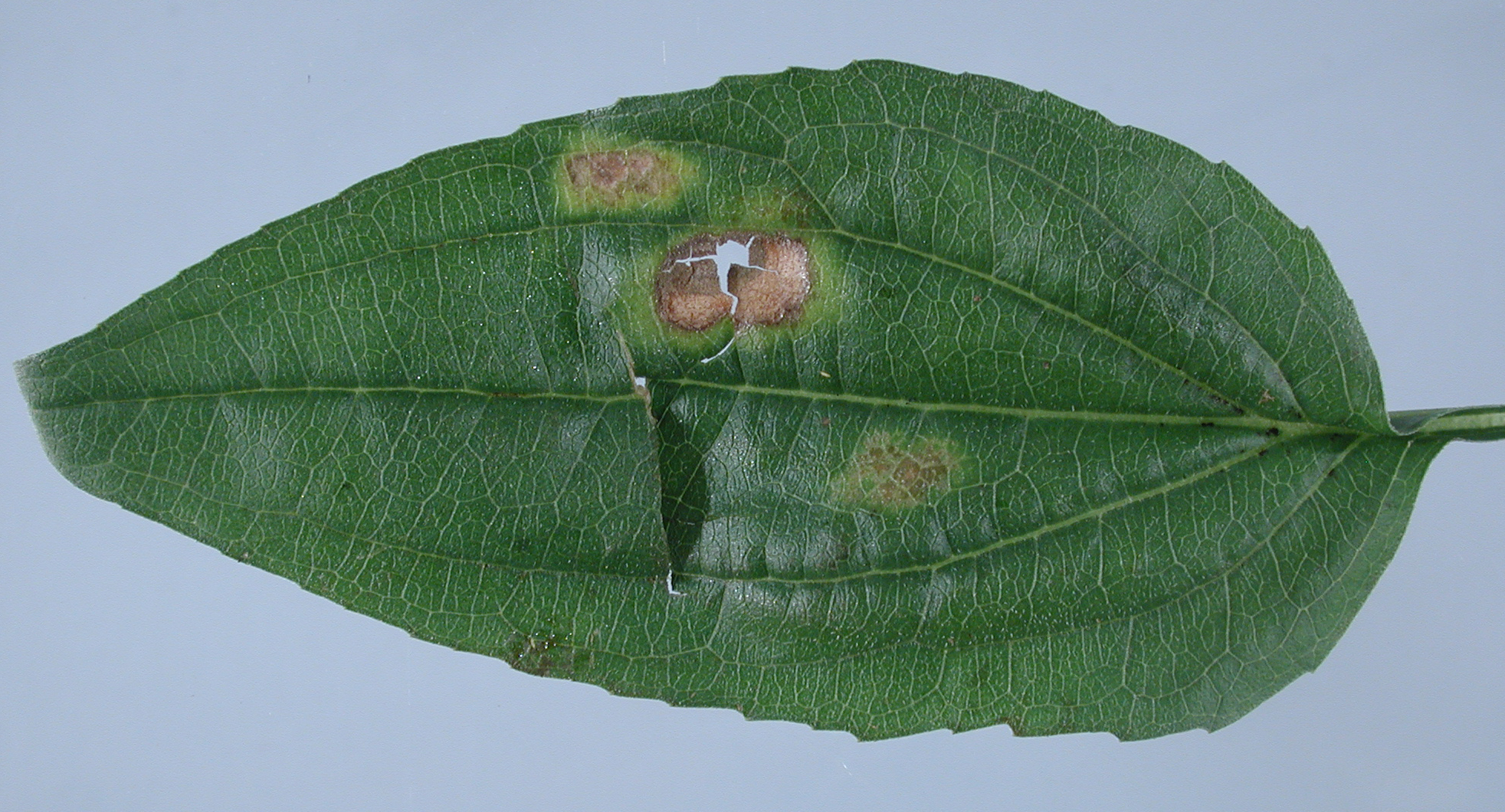
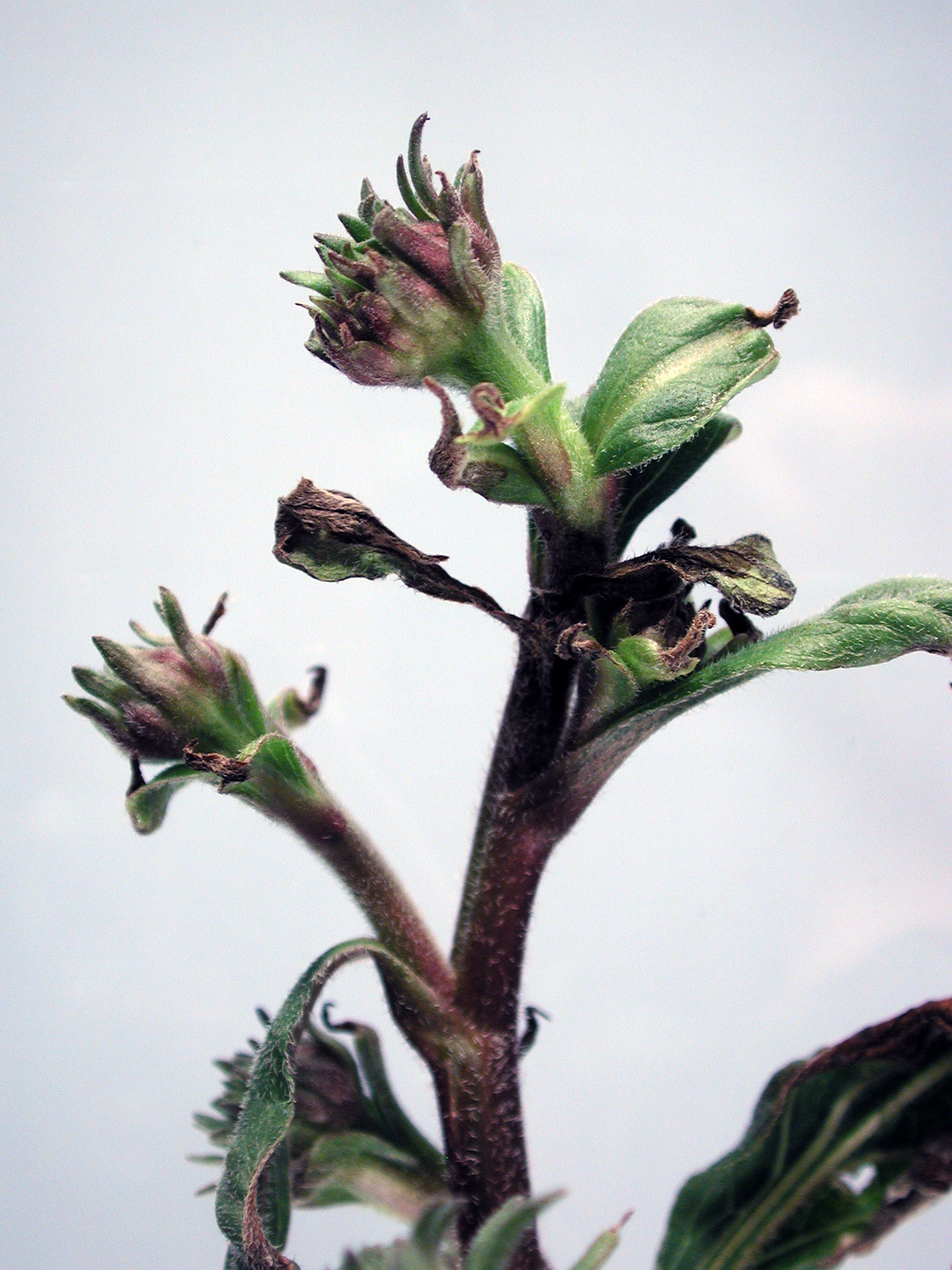
Cause The OSU Plant Clinic has found Alternaria sp. and Ulocladium sp. from leaf spot samples. Botrytis sp. was also found from necrotic leaves and stem lesions. White rust, Pustula sp. (formerly Albugo), has been reported in Washington. Generally, weather or irrigation that keeps leaves wet for extended periods favors these diseases.

Cause There have been odds and ends of leaf spots sent in to the OSU Plant Clinic over the years. A few fungal ones (Cyphellophora sp. and Cladosporium herbarum formerly C. graminum), a bacteria (Pseudomonas sp.) and several abiotic (non-living) problems. The fungi and bacteria can overwinter in plant debris and are favored by conditions that keep leaves wet.

Cause The fungus, Plenodomus libanotidis (syn. Leptosphaeria libanotis, Phoma rostrupii), occurs in Europe and may have been observed in Oregon in 2015. The fungus, which can cause leaf spots and root rot, is seedborne.