Plant Disease Management Handbook

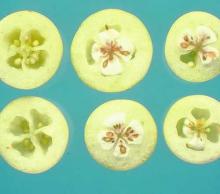
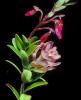
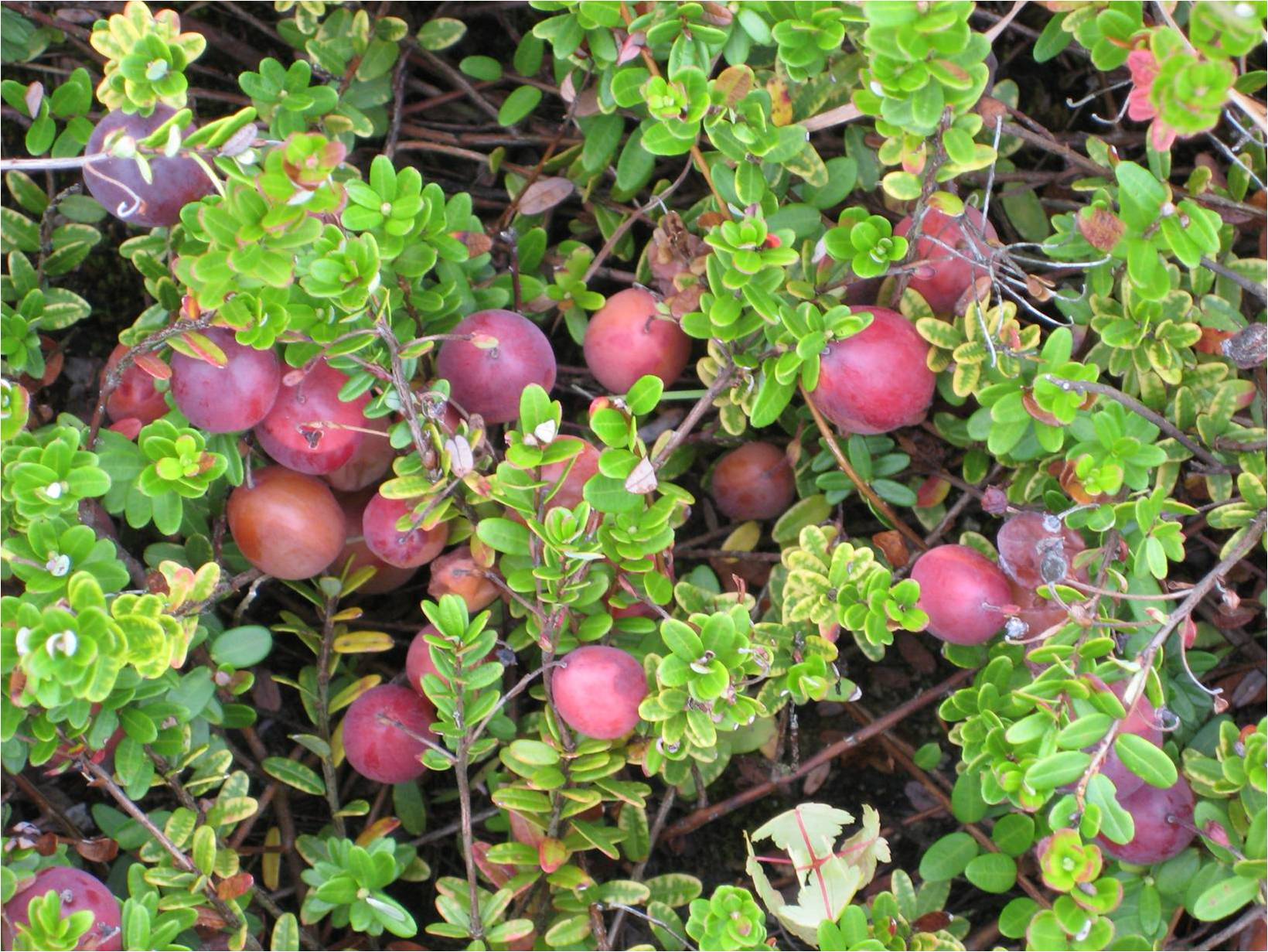
Image related to Cranberry (Vaccinium macrocarpon)-Rose Bloom
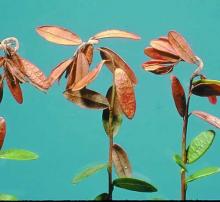
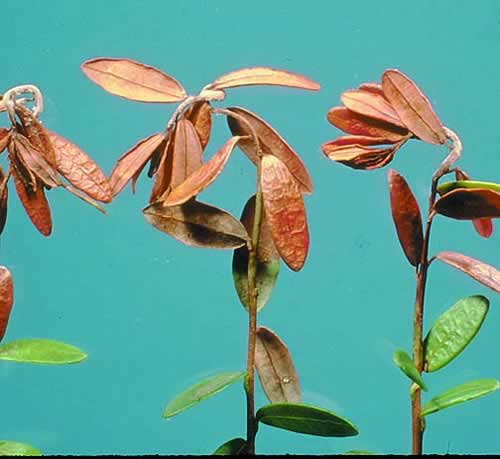
Image related to Cranberry (Vaccinium macrocarpon)-Red Shoot
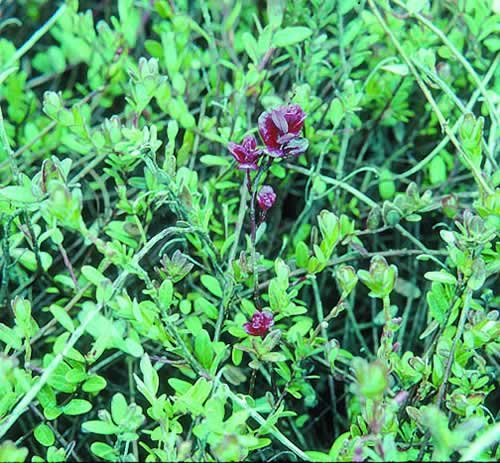
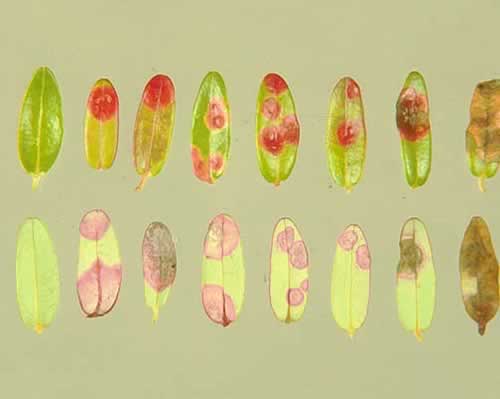
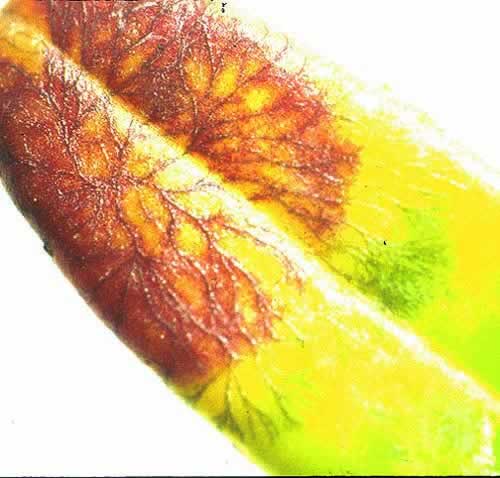
Image related to Cranberry (Vaccinium macrocarpon)-Red Leaf Spot

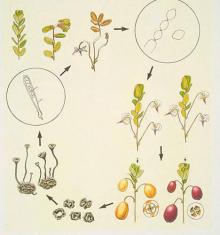
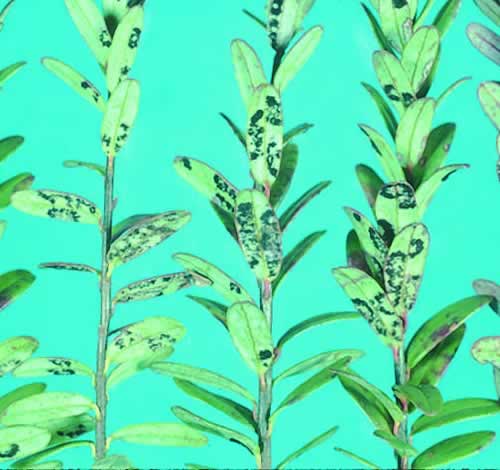
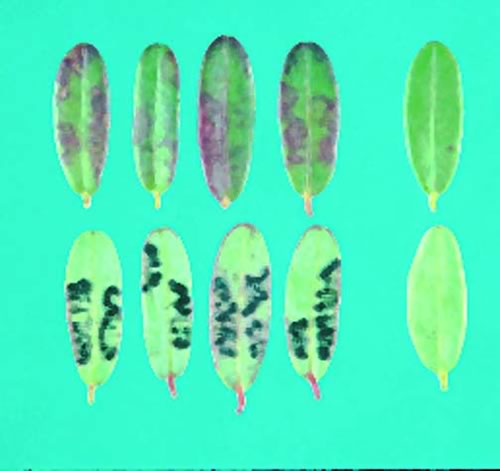
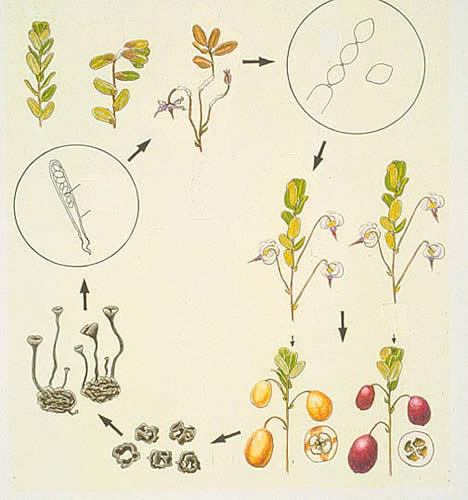
Cause The fungus Pyrenobotrys compacta produces a conspicuous disease, but it appears to cause little damage. Spores in the fruiting bodies (pseudothecia) mature in early summer and infect new leaves in summer or early fall.

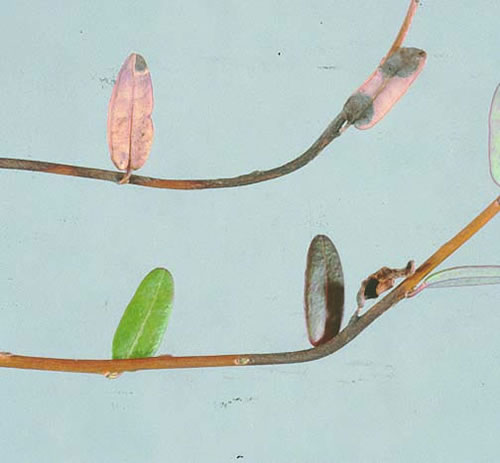
Image related to Cranberry (Vaccinium macrocarpon)-Pyrenobotrys Leaf Spot

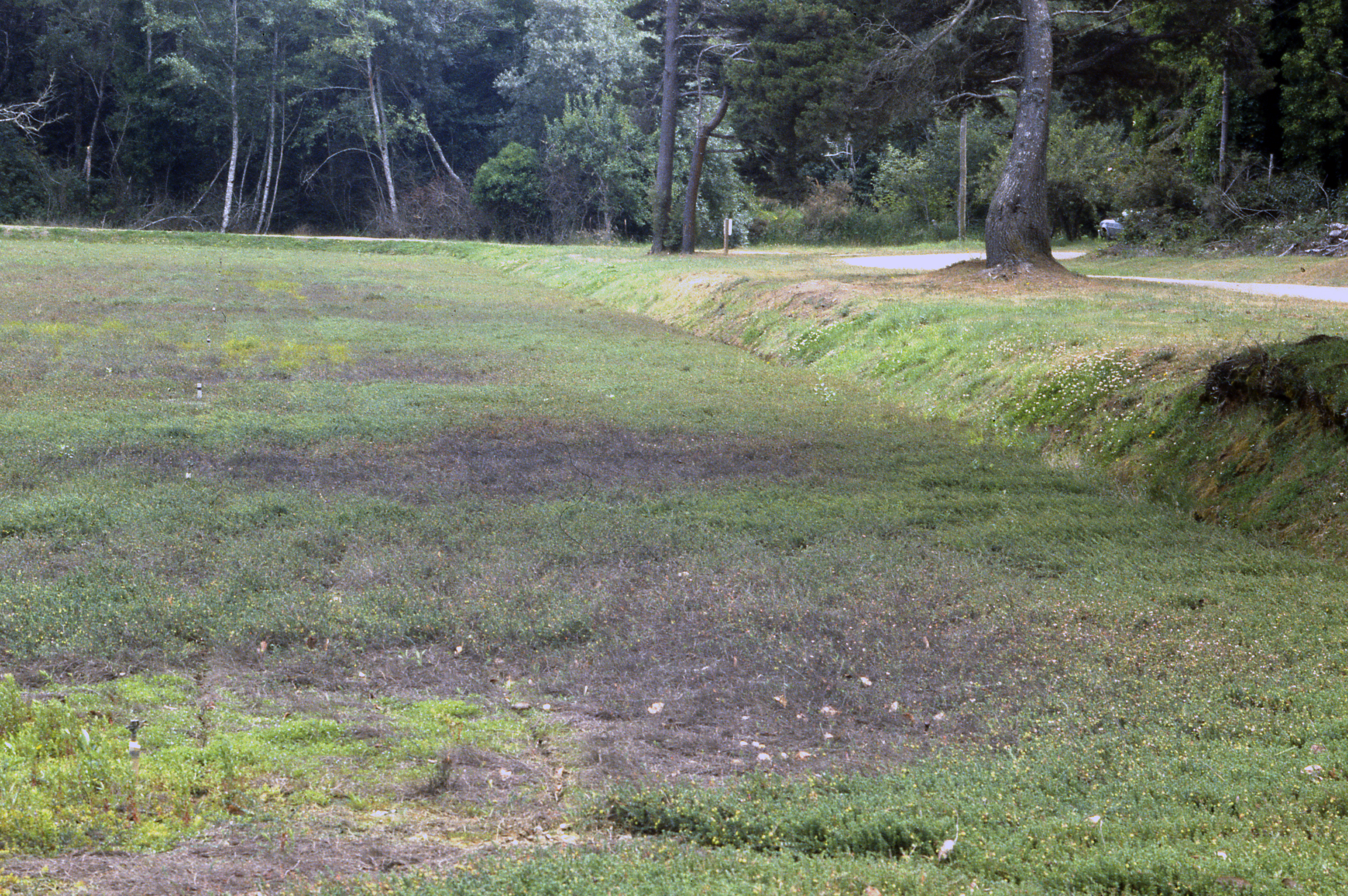
Cause Although three Phytophthora spp. have been found in Oregon and Washington beds, P. cinnamomi is the most pathogenic. These fungus-like microorganisms have spores that swim to healthy plants, enter them, and destroy roots and runners under flooded conditions. Most beds with root rot were wet picked; root rot in dry-picked beds occurs in areas with poor drainage.

Cause Three genera, the ring nematode, (Mesocriconema spp.), the stubby root nematode (Paratrichodorus spp.), and the sheath nematode (Hemicycliophora spp.) are the most common in the Pacific Northwest. A survey in the mid-1990s of 53 Oregon and Washington cranberry beds showed the incidence and population densities of these nematodes were slightly higher in weak areas of beds but not significantly greater than in strong areas.

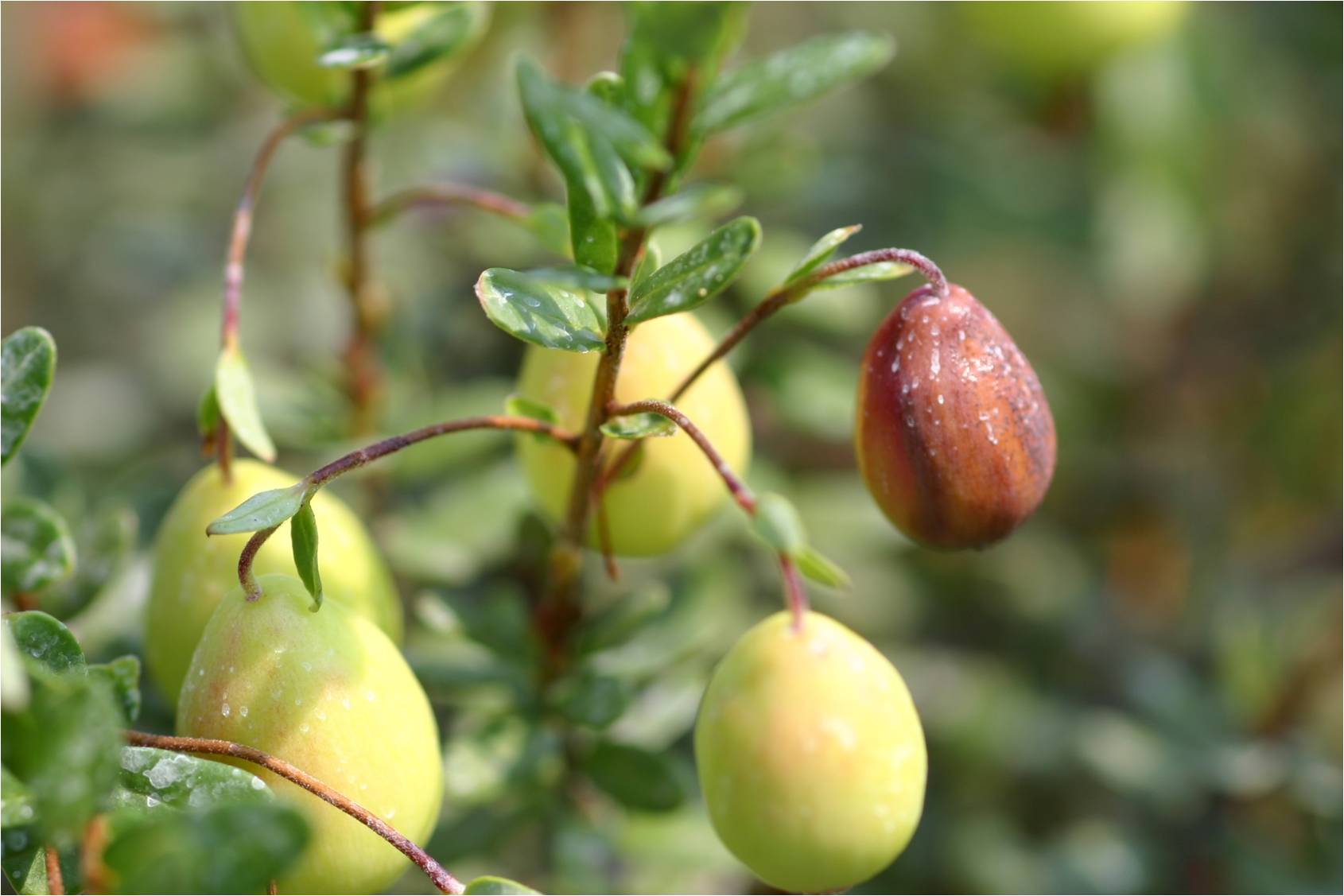
Cause Several fungi including Godronia cassandrae (asexual: Fusicoccum putrefaciens), end rot; Phomopsis vaccinii, viscid rot; Botrytis sp., yellow rot; Allantophomopsis cytisporea and A.

Cause A phytoplasma that is transmitted only by the blunt-nosed leafhopper. This disease was first detected in Wisconsin in the 1920's and subsequently brought into New Jersey and Massachusetts. The disease was noted in the 2001 edition of "Cranberry Production PNW 274" with symptoms observed in both Oregon and Washington. The disease is not spreading actively and is of only minor importance because the insect vector is not found in Western North America.

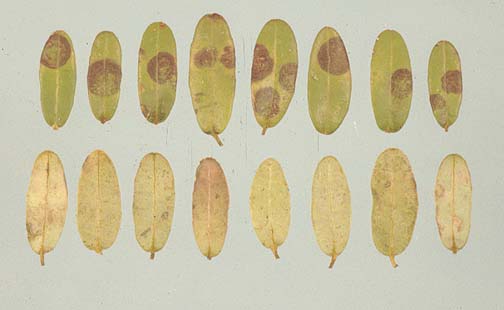
Cause A fungus, Protoventuria barriae, common in the cranberry production areas of Oregon and Washington. Whether it affects plant vigor or yield is unknown. It overwinters in the previous season's leaves and in dead leaves in the duff layer.

Image related to Cranberry (Vaccinium macrocarpon)-Early Leaf Spot
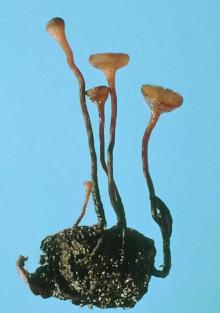
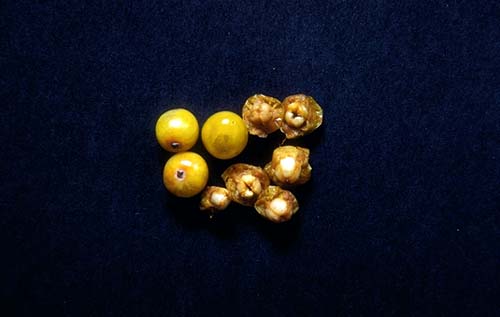
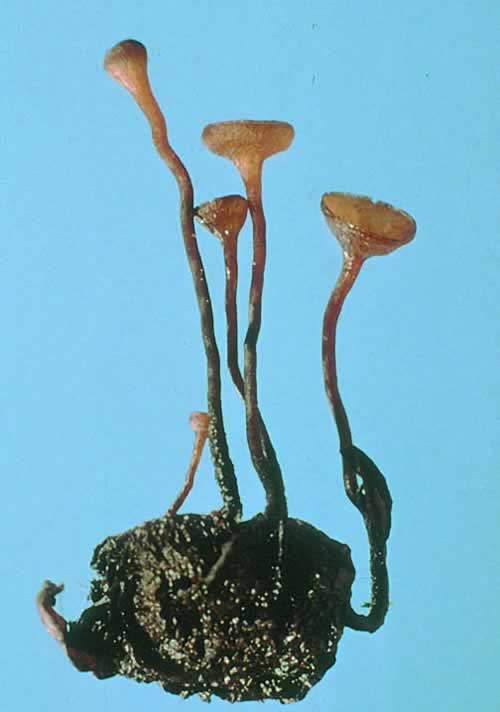
Image related to Cranberry (Vaccinium macrocarpon)-Cottonball