Plant Disease Management Handbook

Cause Pseudomonas syringae pv. syringae, a bacterium. A common problem in coastal British Columbia. The pathogen is ubiquitous and infects many other hosts; it is favored by cool, wet conditions. Poorly growing, stressed plants and spring frost can encourage disease development.

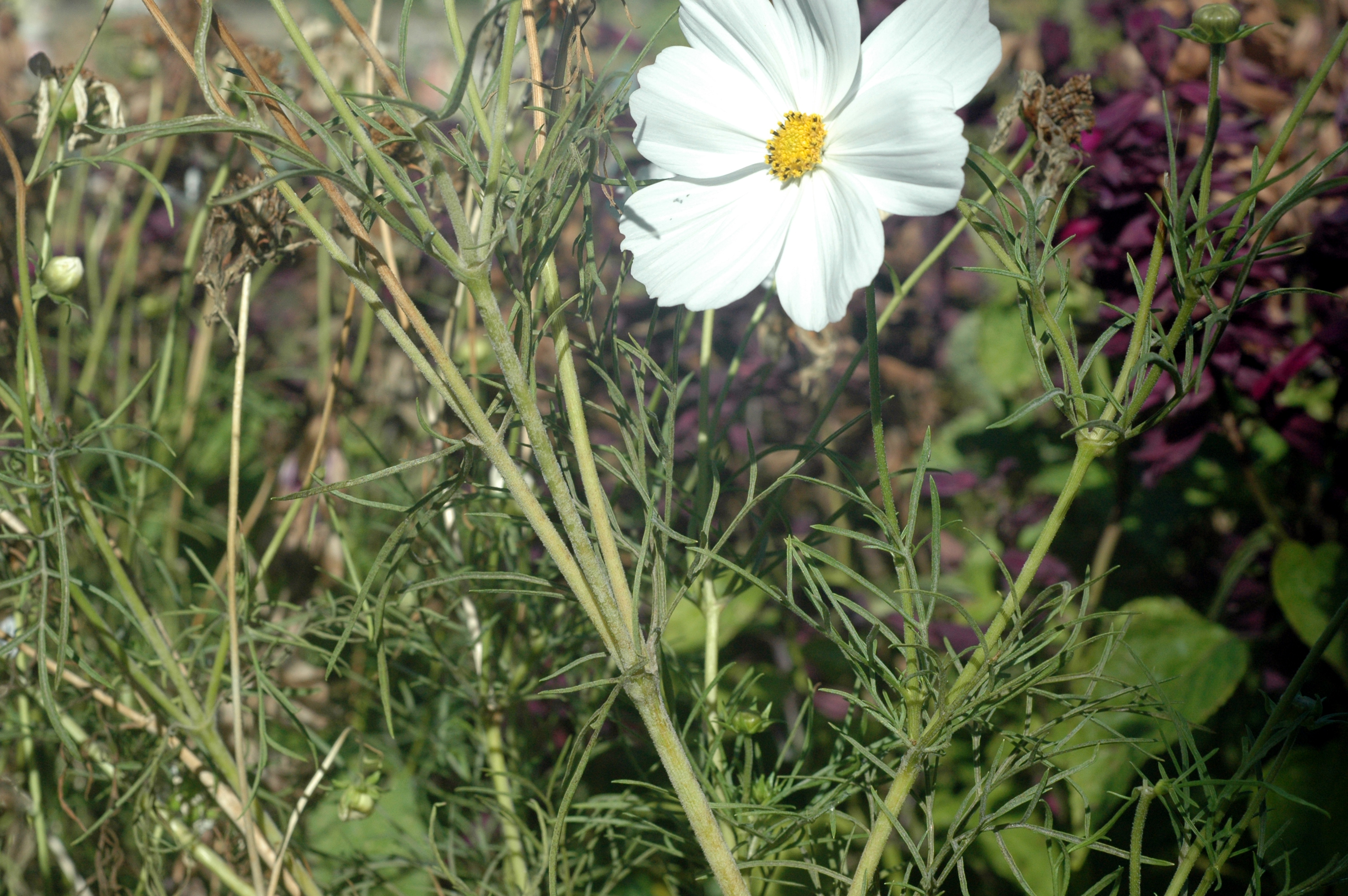
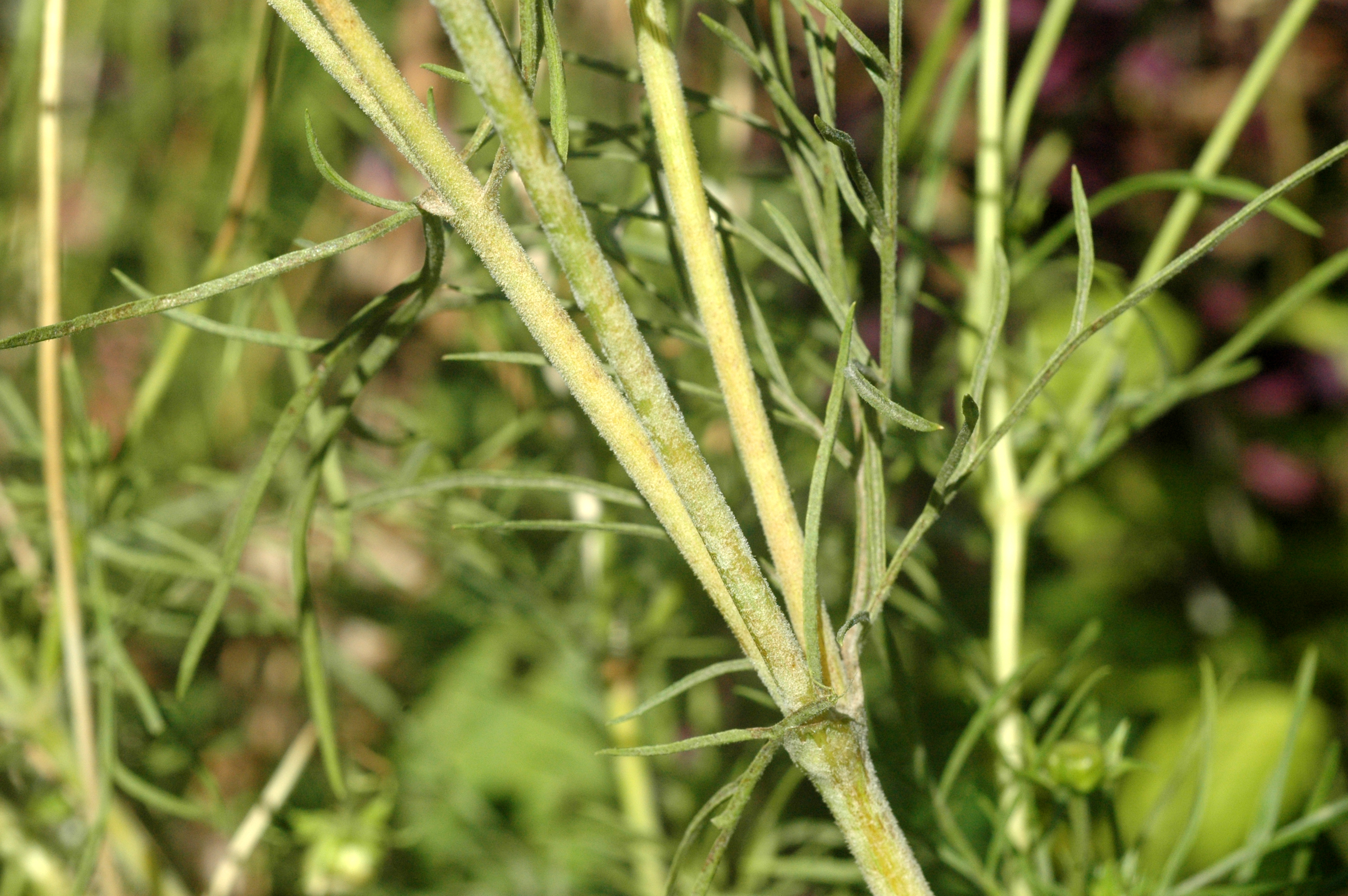
Cause Golovinomyces cichoracearum (formerly Erysiphe cichoracearum) has not been reported formally for the Pacific Northwest, but it is a common garden problem on cosmos. This fungus is favored by conditions that produce high humidity but dry leaves. It is a highly specialized pathogen that forms a close association with the host. Conditions that favor the host also favor the pathogen.

Image related to Cosmos-Powdery Mildew

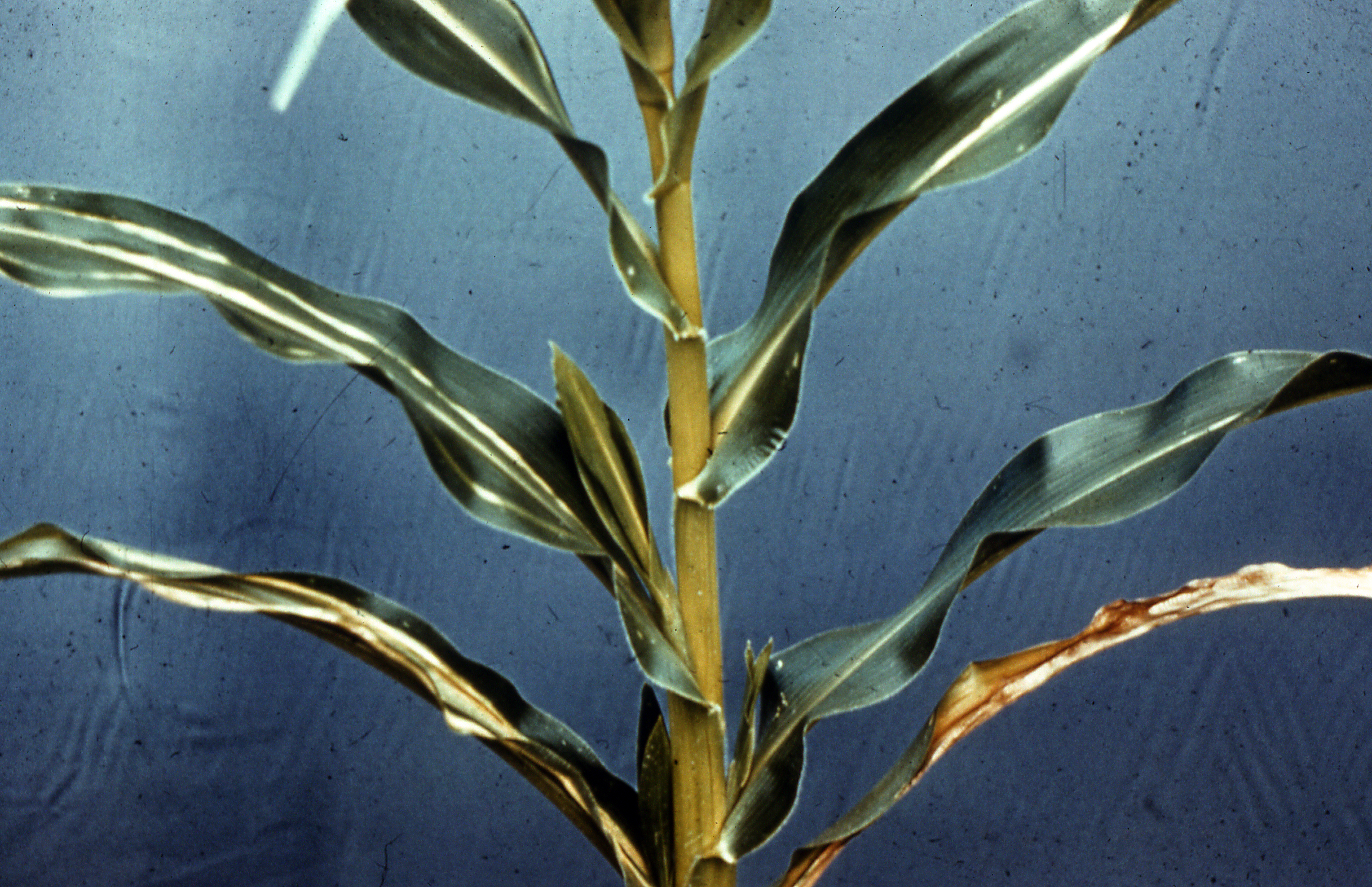
Cause This disease is observed only rarely and is not considered a significant problem for Pacific Northwest corn plantings. It is caused by Pantoea stewartii subsp. stewartii (syns. = Erwinia stewartii, Xanthomonas stewartii), a bacterium vectored by several insects including the 12-spotted cucumber beetle and seed corn maggots.

Image related to Corn (Zea mays)-Stewart's Disease (Stewart's Bacterial Wilt)
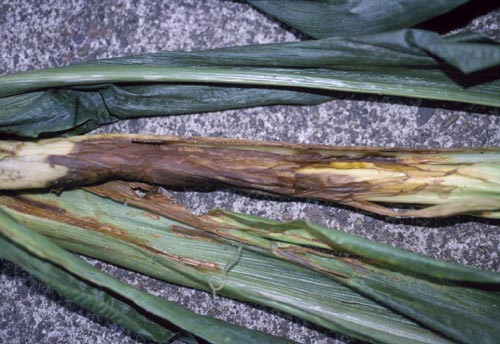
Image related to Corn (Zea mays)-Stalk Rots

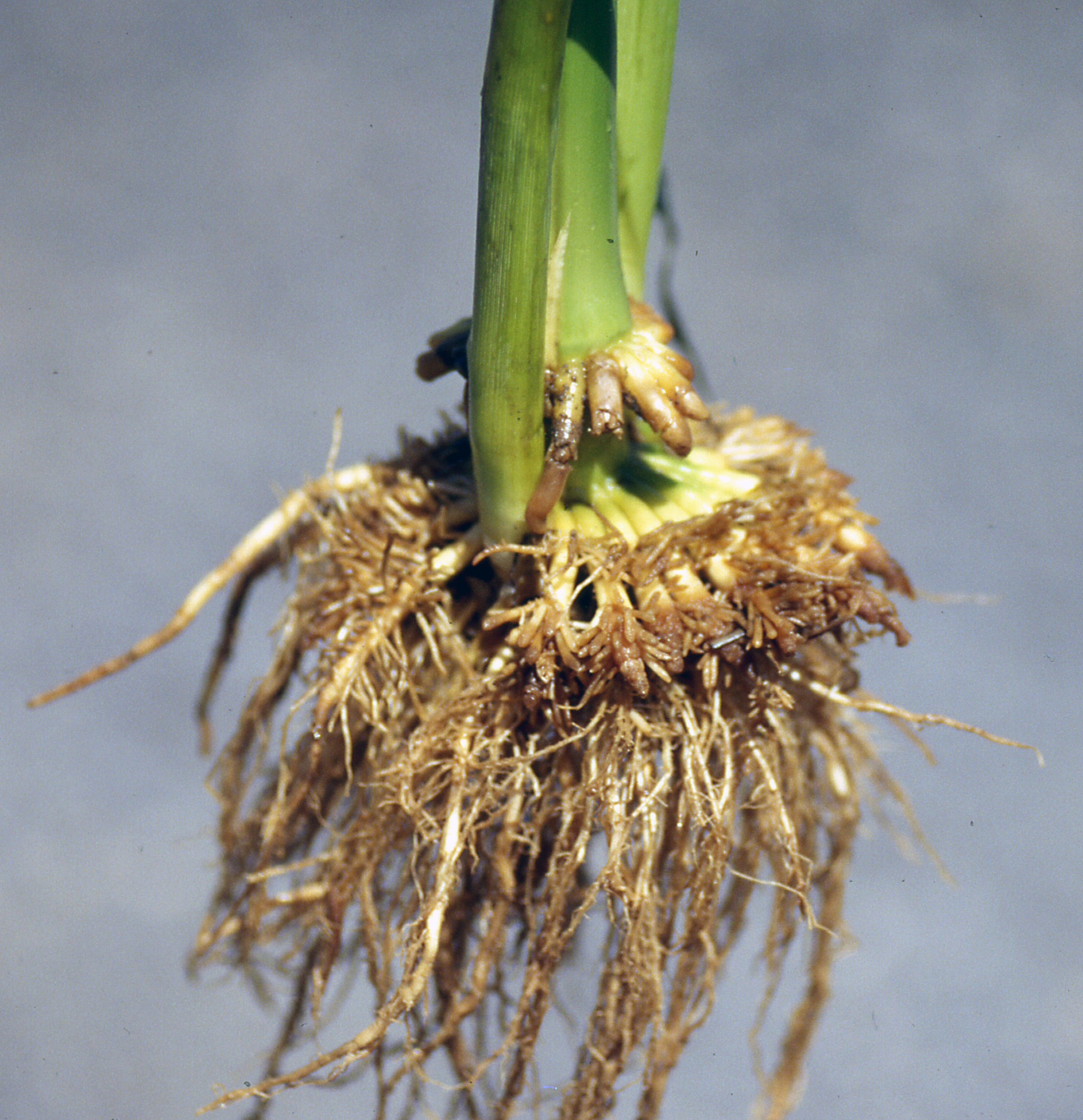
Cause Several fungi or fungus-like microorganisms, mainly Pythium ultimum, Fusarium verticillioides, other Fusarium spp., and Penicillium oxalicum (on sweet corn). These microorganisms may overwinter on corn crop residue or in soil and are carried on seed.

Image related to Corn (Zea mays)-Root Rot

Cause Maize dwarf mosaic virus (MDMV) was first found in Ohio in 1962 and was not known to be in the Pacific Northwest until 1977, when losses in sweet corn occurred in the Twin Falls area. Severe losses have occurred most years since 1962 in most major corn-producing states east of the Rocky Mountains and in California. MDMV is transmitted by aphids and can infect sorghum, Johnsongrass, yellow foxtail, crabgrass, and other wild grasses. There are several virus strains, which differ in their host range.

Cause Several fungal leaf spots and leaf blights affect corn. The more important ones in the Pacific Northwest include Northern Corn Leaf Blight (Exserohilum turcicum, syns.

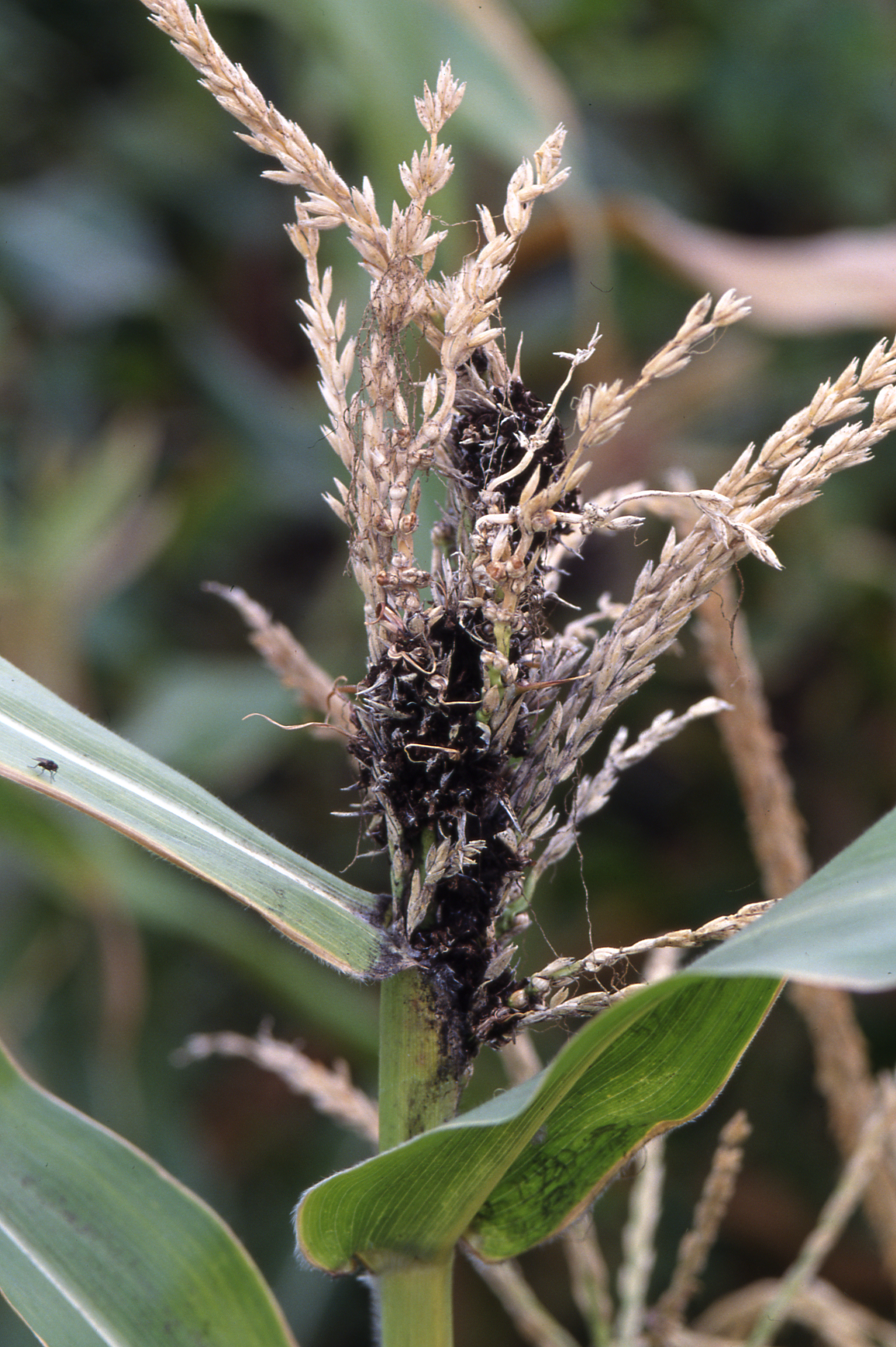
Cause Sporisorium reilianum (syns. = Sorosporium reilianum, Sphacelotheca reiliana, Ustilago reiliana), a fungus that survives as spores in soil, remaining viable at least 5 to 7 years. Spores may be wind-blown long distances.

Image related to Corn (Zea mays)-Head Smut