Cause During sunny weather after bloom, certain cultivars develop elongate, dark brown spots on leaves and flower stalks. No disease organism has been associated with these symptoms. It is believed to be the result of low temperatures during a certain growth stage of the plant.
Reference Fellows, J. and Hanks, G. 2007. NARCISSUS: The cause of 'physiological rust' disorder BOF 62. Hort Development Council, East Malling, Kent.
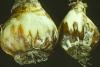
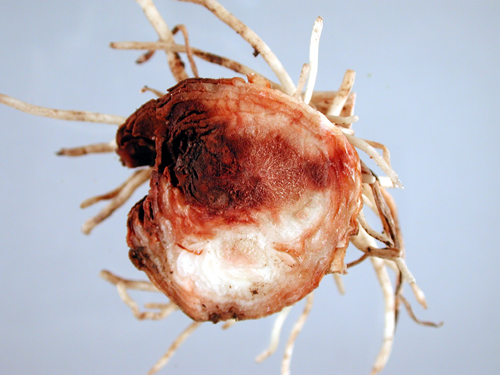
Cause Fusarium oxysporum f. sp. narcissi, a soilborne fungus that can remain viable for at least 10 years. Basal rot principally affects daffodil bulbs in storage or transit but may develop during later growth stages in the field where bulb yield is reduced. Infection occurs as new roots are emerging and when old roots are dying down or when there is mechanical damage. Root infection and disease development are related to soil temperatures above 55°F.
Chocolate-brown rot begins at the basal plate and extends upward in the bulb scales. Whitish to pink mycelium of the fungus is associated with this rot.
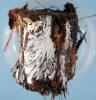
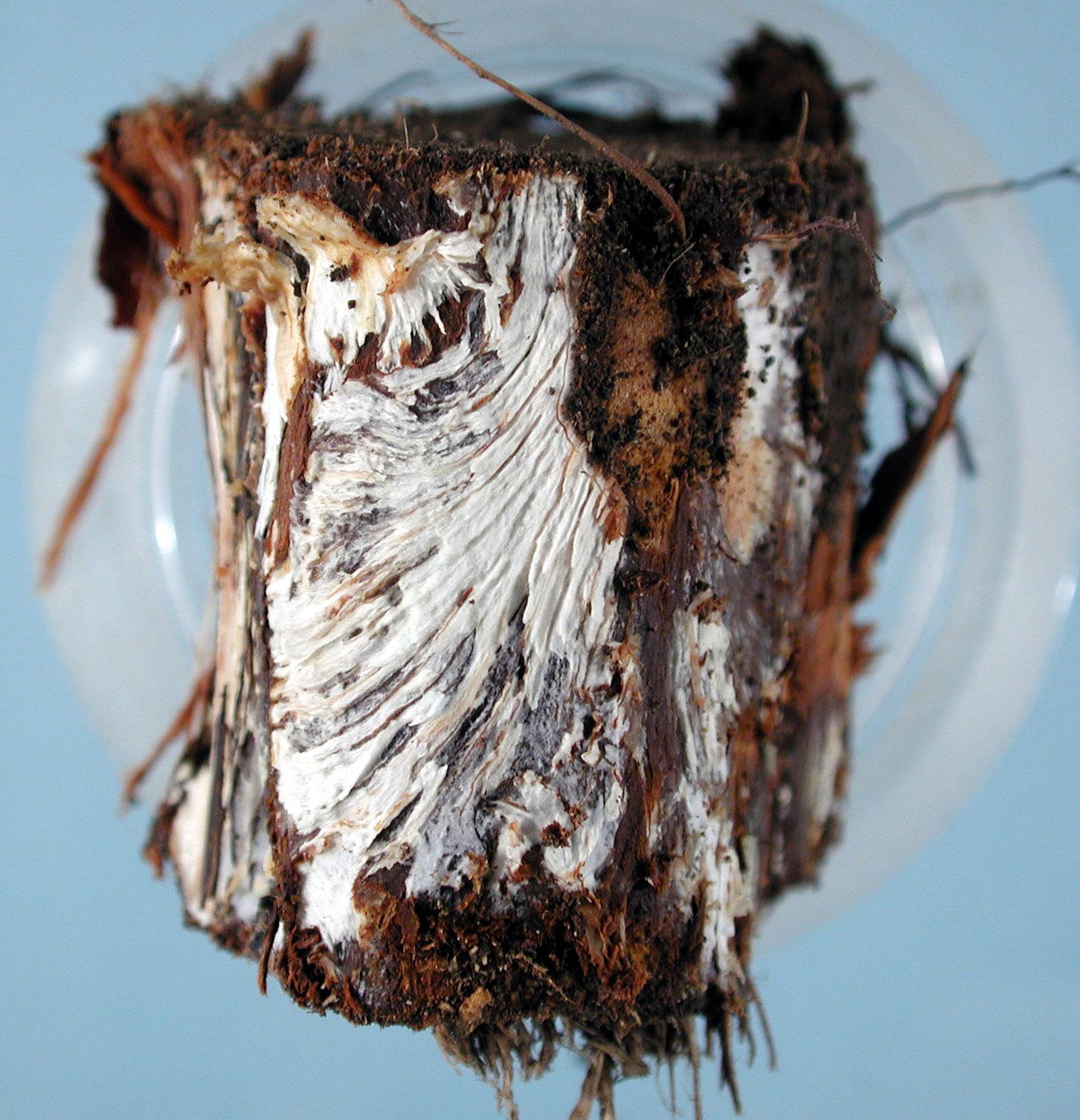
Some root rots are due to Armillaria sp. as on this Cupressocyparis leylandii.
OSU Plant Clinic Image, 2016.
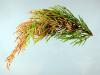
This young cypress tree had tip dieback due to infection of and rotting of the roots due to both Rhizoctonia and Fusarium.
Oregon State University Plant Clinic image, 2020.
Cause Seiridiumcardinale (formerly Coryneumcardinale), a fungus. Monterey cypress (Cupressusmacrocarpa) has the worst damage, but other Cupressus spp. also are affected.
Cyclamen with distorted leaf growth was positive for INSV.
OSU Plant Clinic image, 2010.
Cause Fusariumoxysporum f. sp. cyclaminis, a soilborne fungus that causes a vascular wilt of cyclamen. It can be transmitted by seed (or debris associated with the seed) or from plant to plant by overhead watering, contaminated tools, or infested soil. Transmission by shoreflies or fungal gnats is suspected but has not been definitively proven. More plants become infected in an ever-widening circle as the pathogen is moved around.
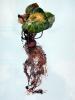
Older plants develop foliar chlorosis and chlorotic patches on the leaf blade.
OSU Plant Clinic image, 2018.
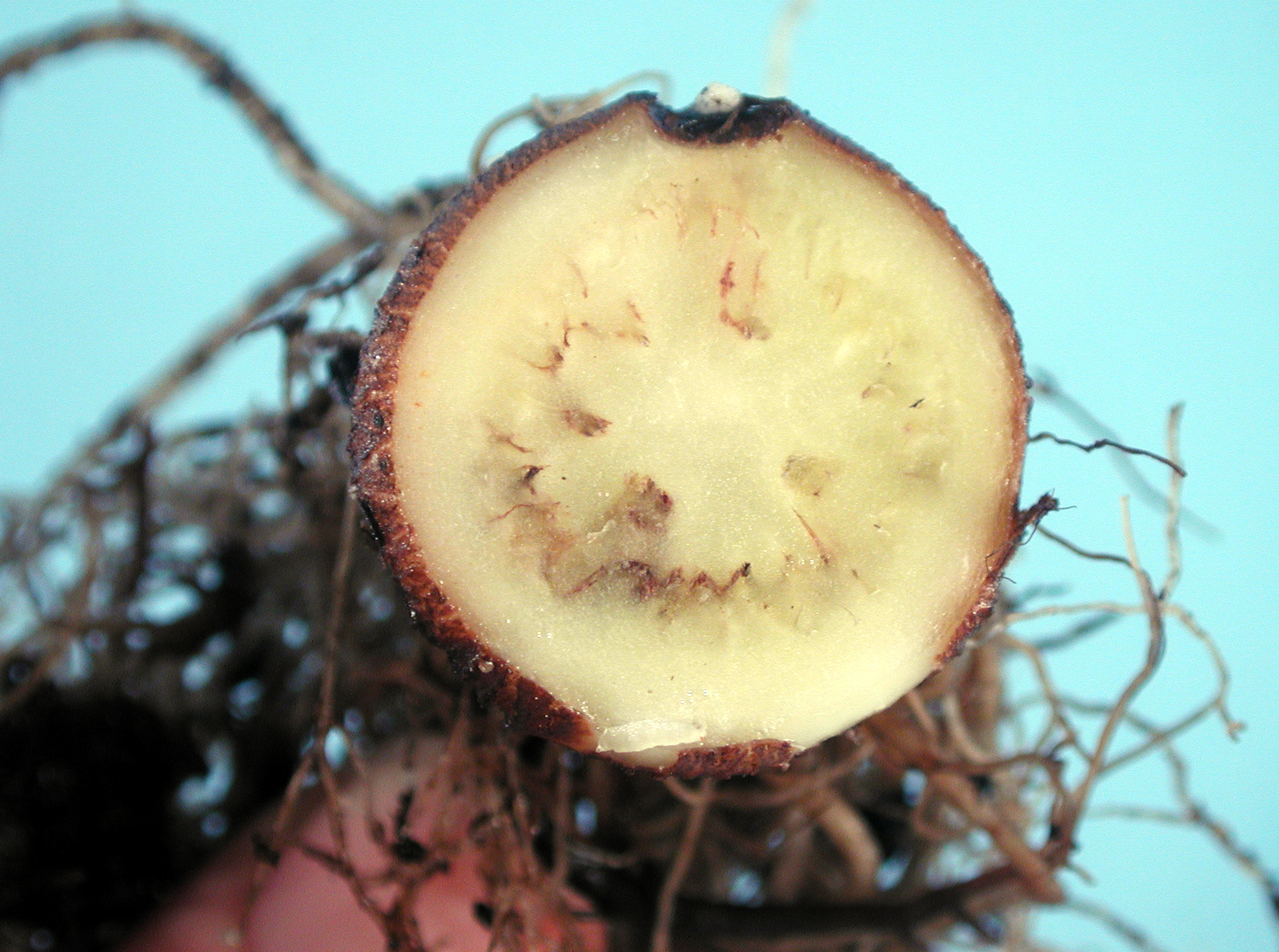
Vascular discoloration develops inside the corm.
OSU Plant Clinic image, 2018.
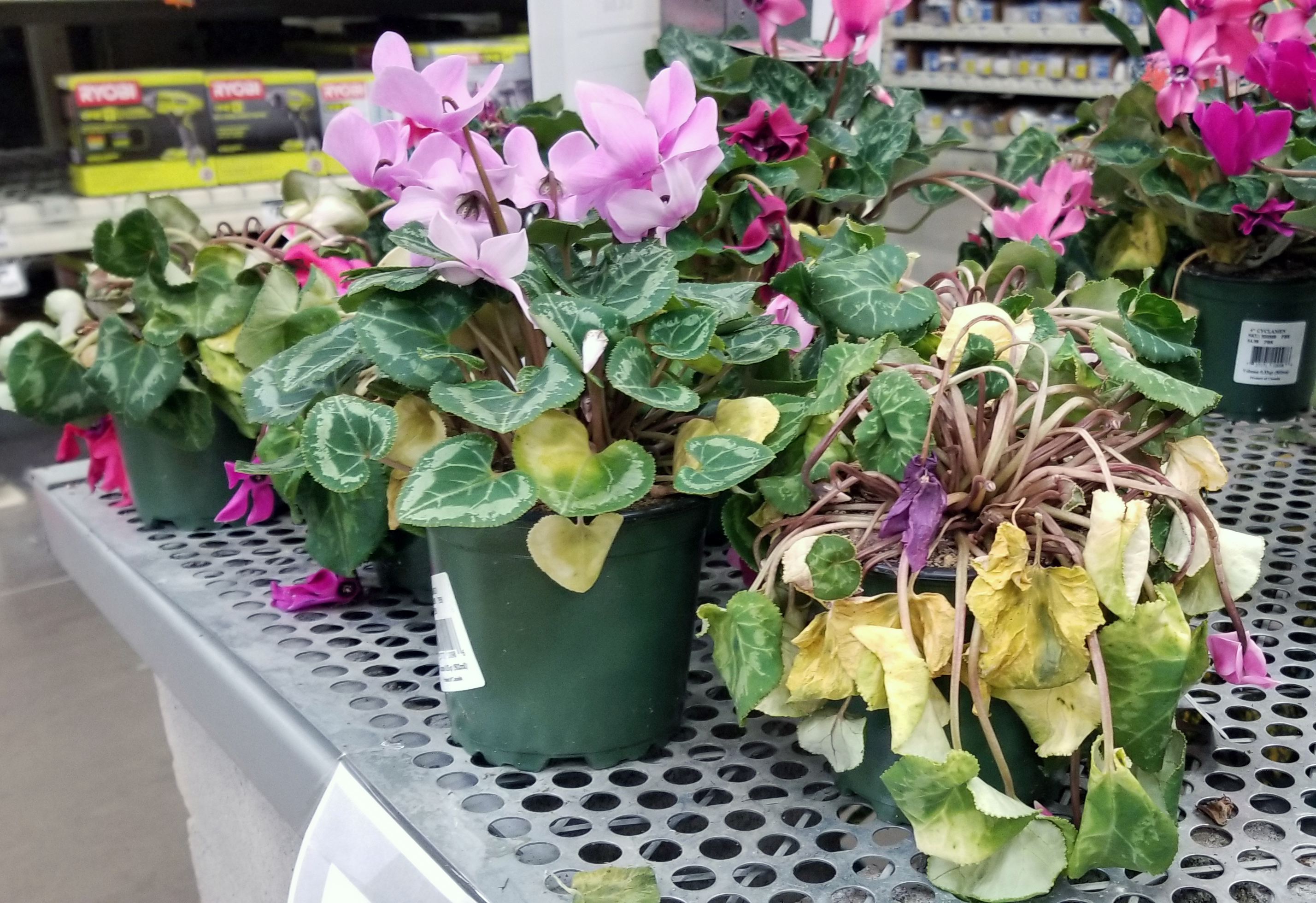
Hard to tell if this is Fusarium wilt or just lack of water from being in a big box store!