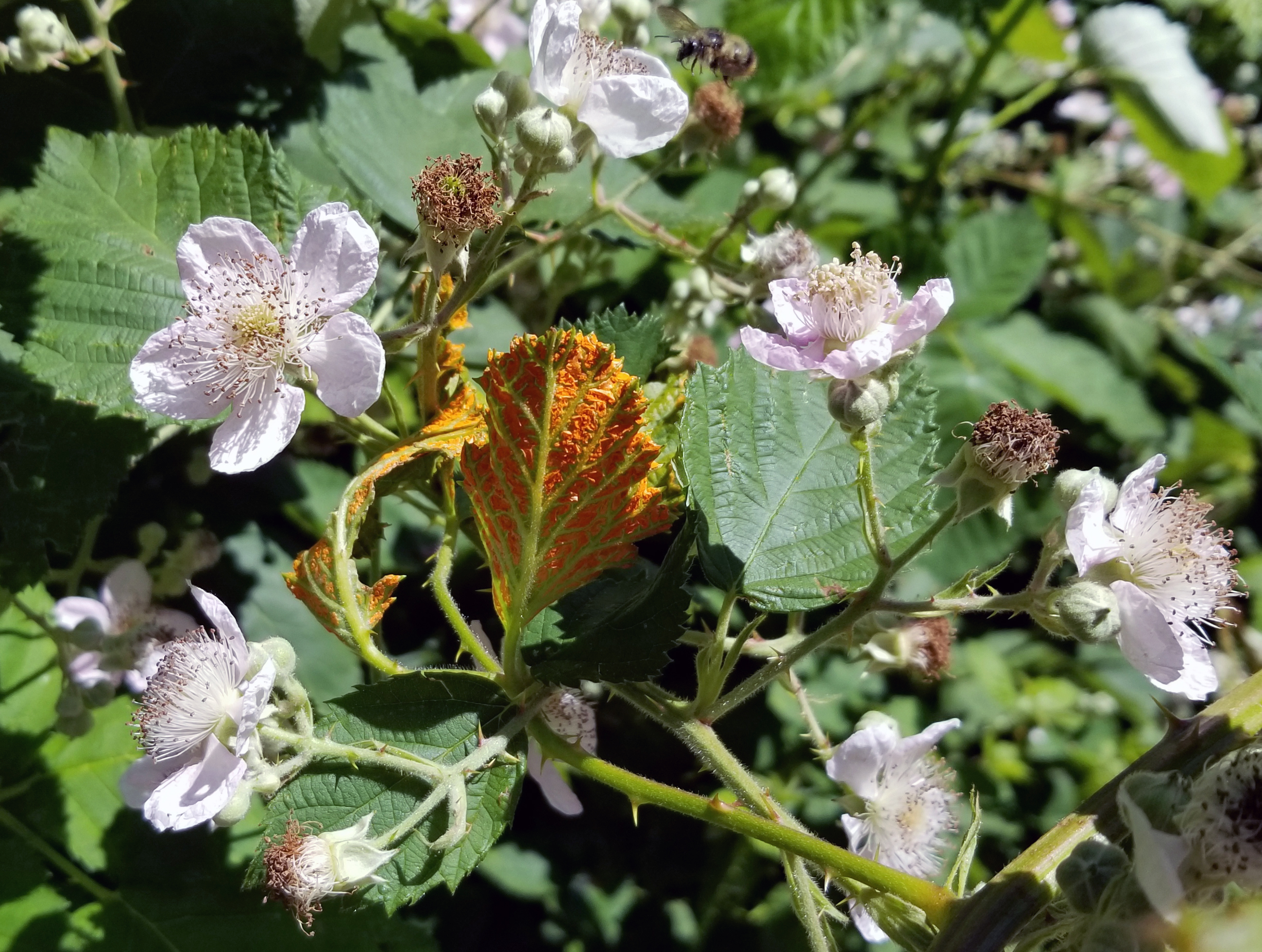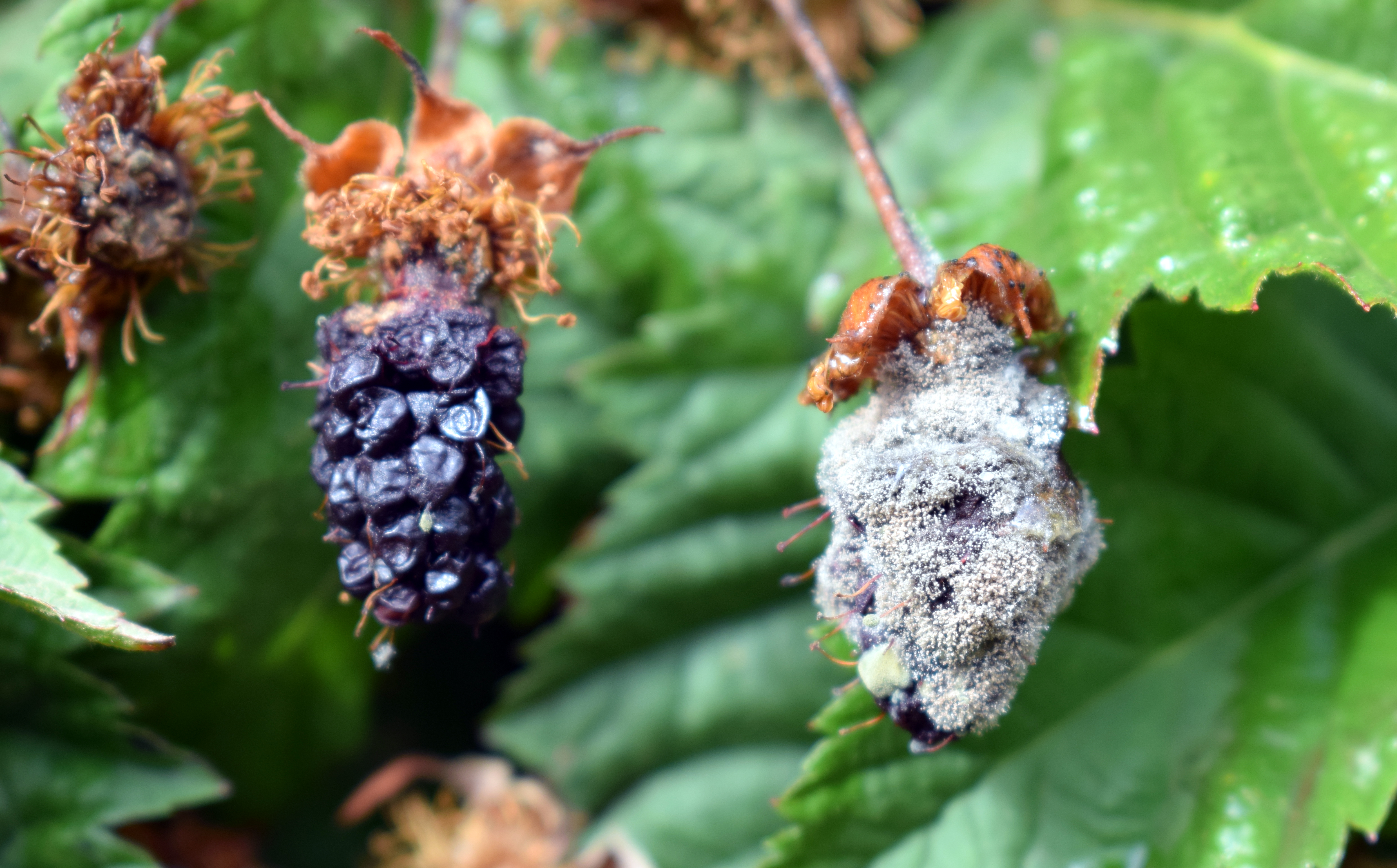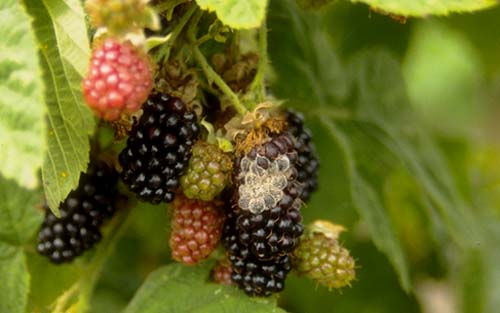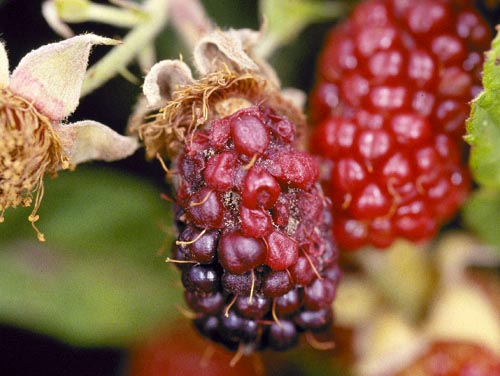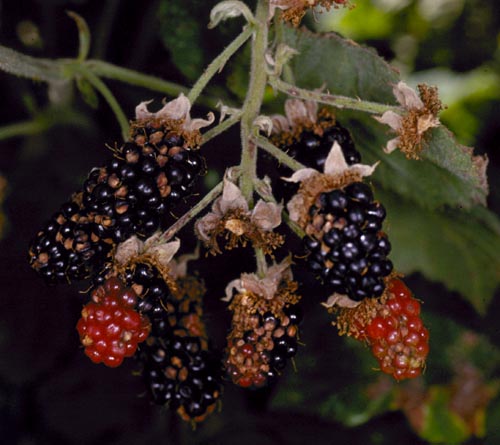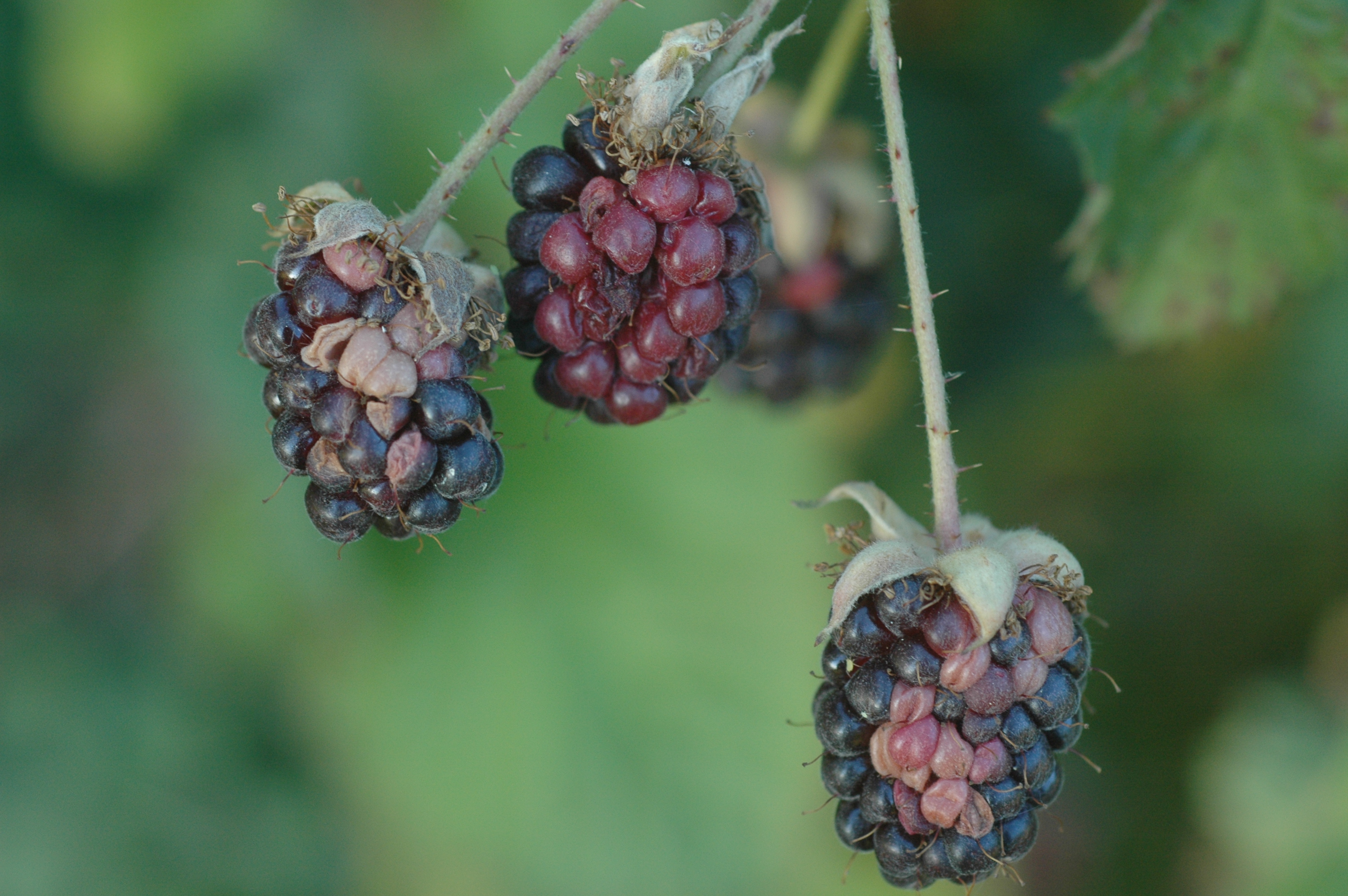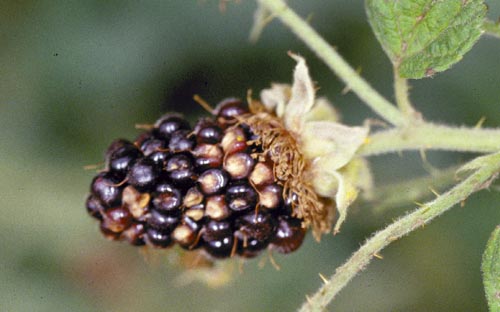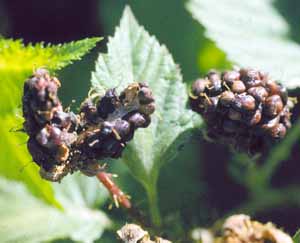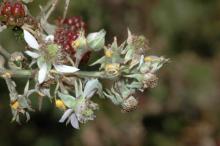
Blackberry rust on Evergreen flowers.
Haywood Photography, 2005.
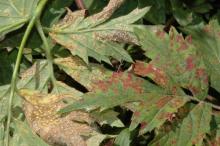
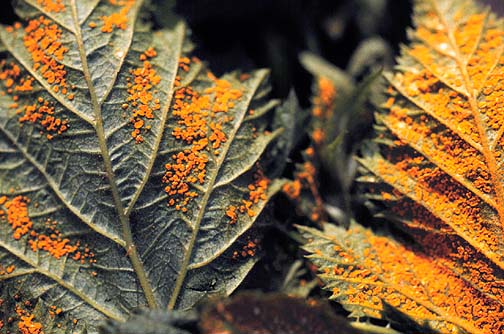
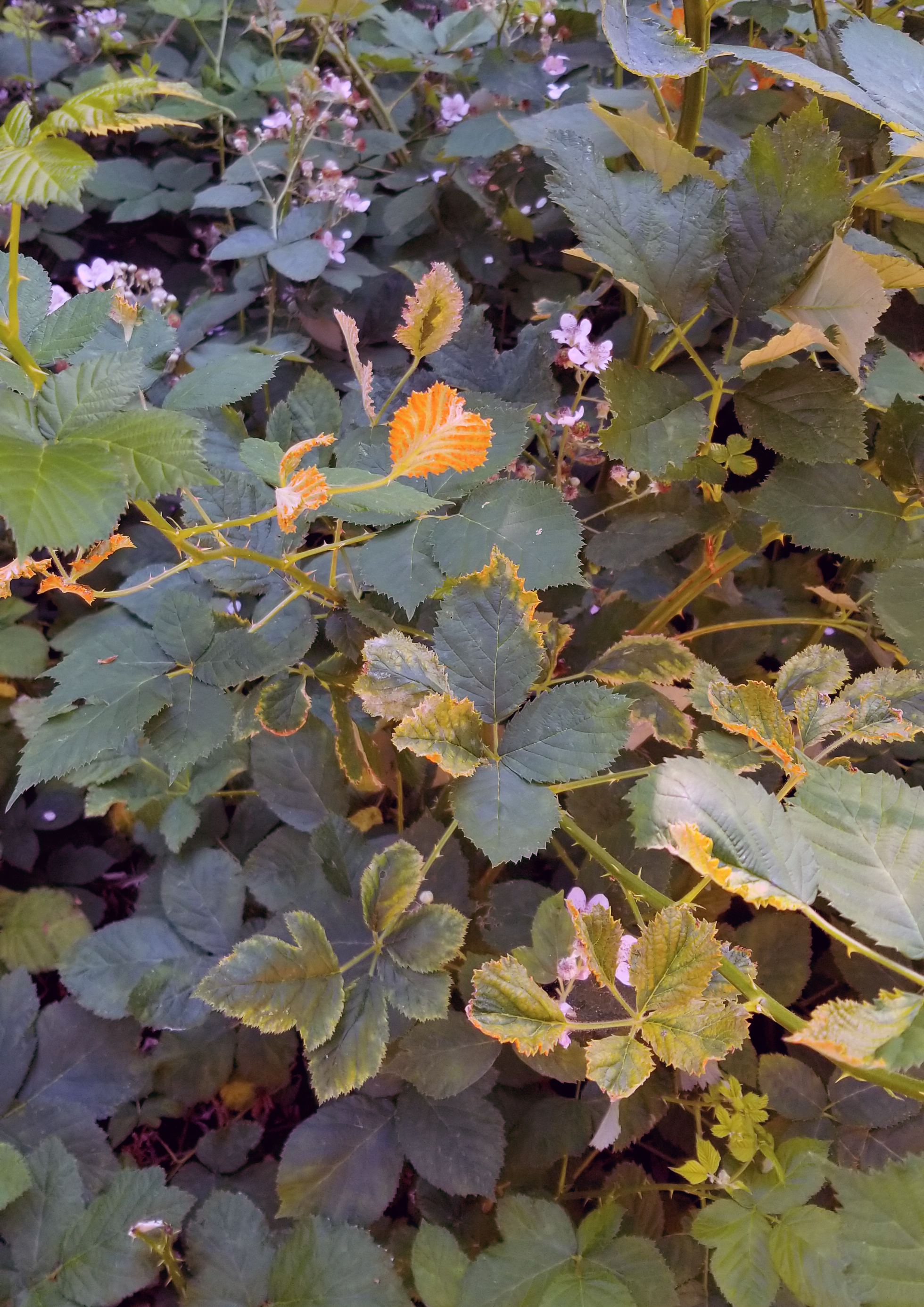
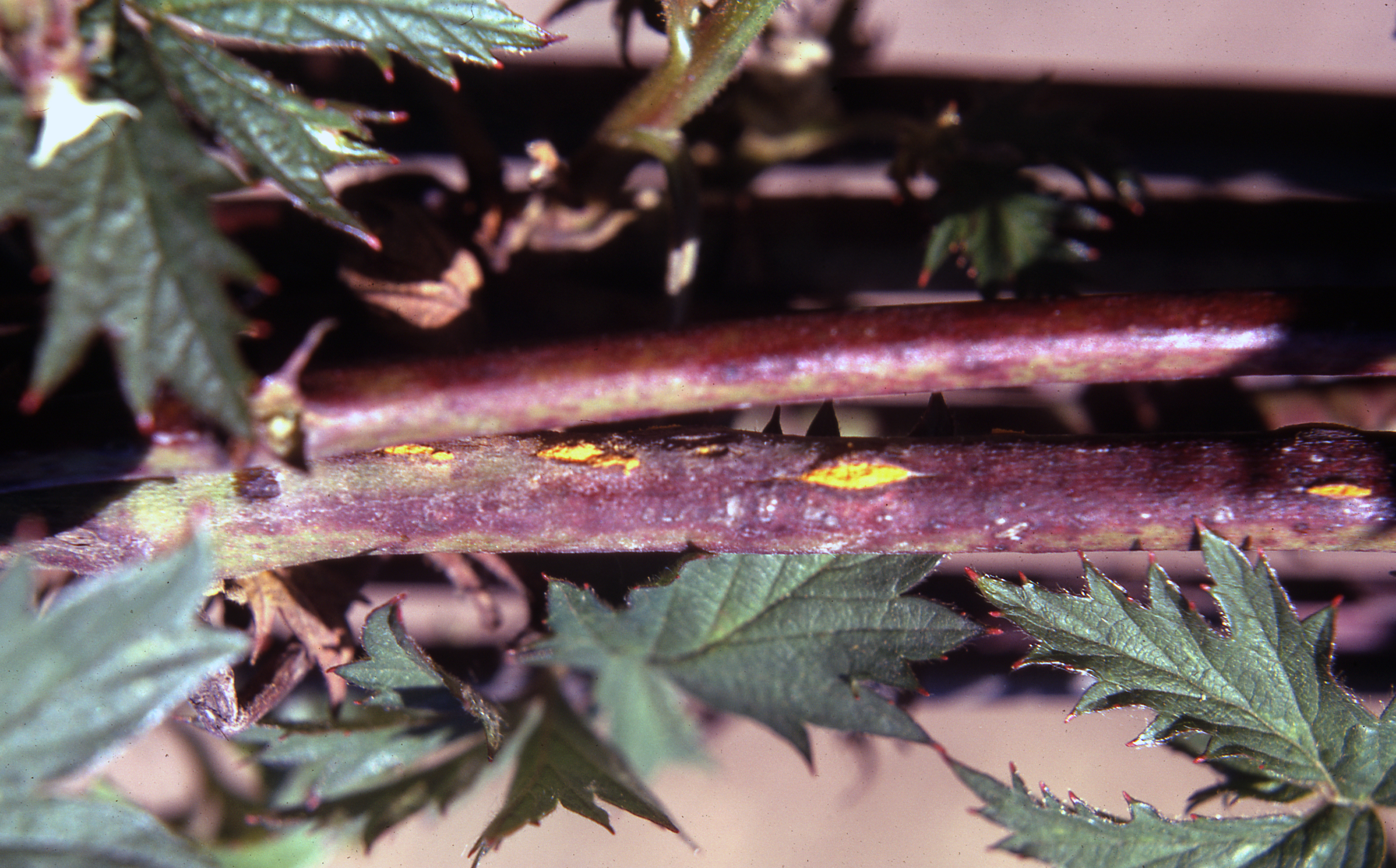
Blackberry rust on Evergreen on both the top and bottom of the leaves.
Haywood Photography, 2005.
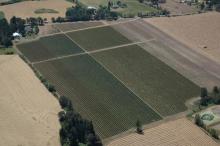
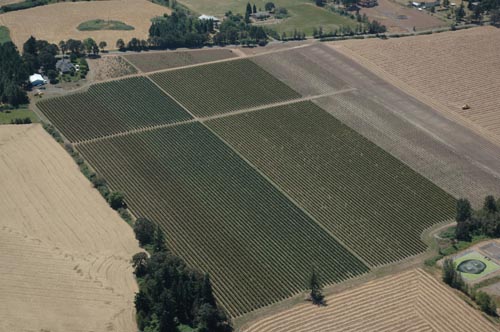
An Evergreen blackberry field on the left and a Marion blackberry field on the right. The left half of of the Evergreen field is severely infected with rust.
Haywood Photography, 2005.
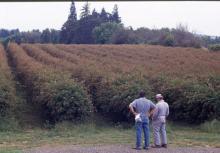
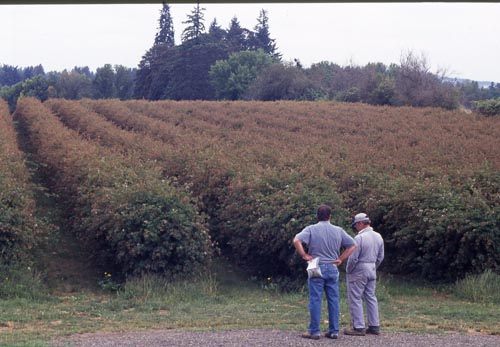
A severely infected field of Evergreen blackberries. Plants at the end of the row are not as badly infected.
Photo by Jay Pscheidt, 2005.
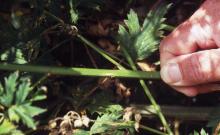
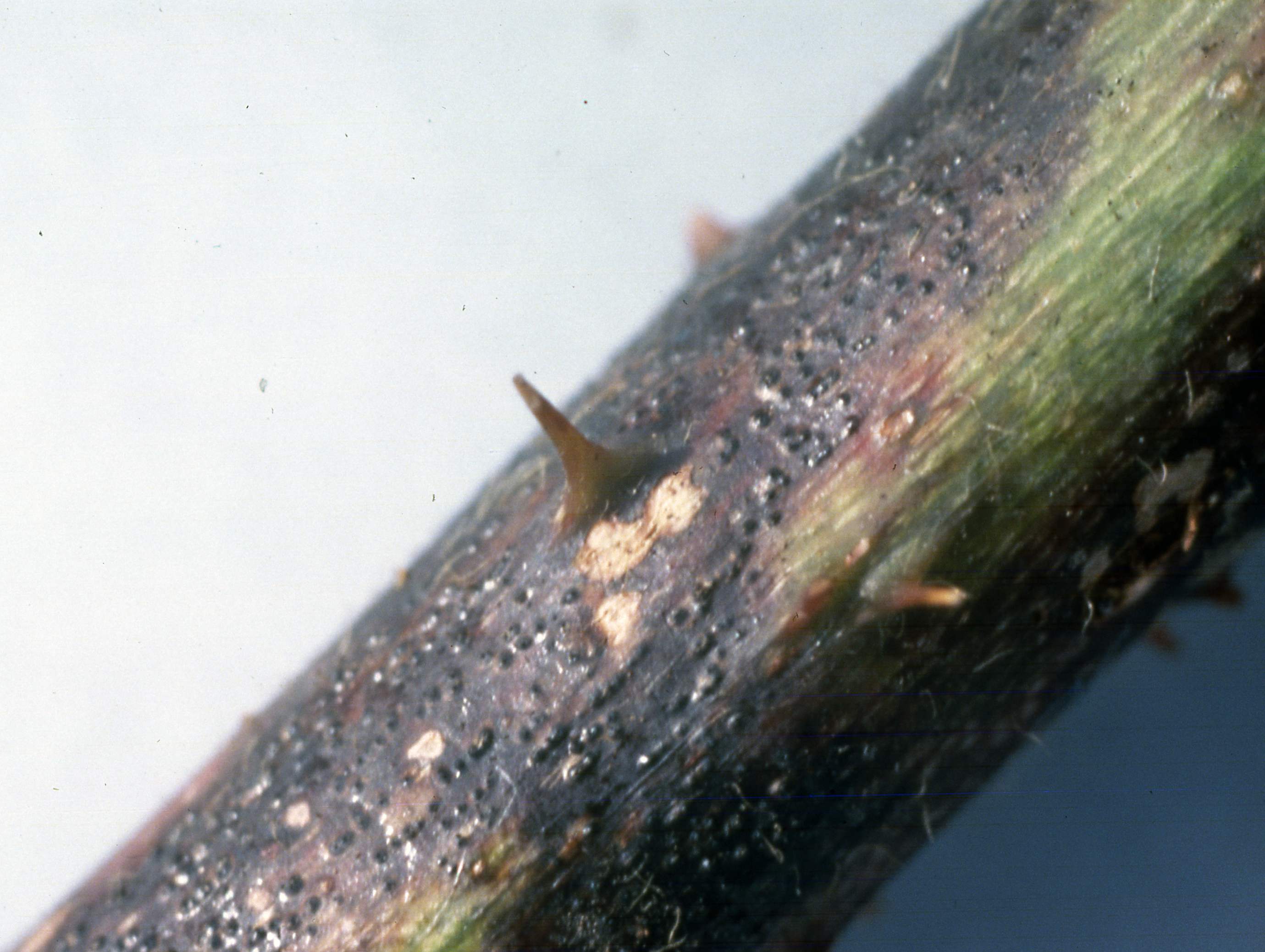
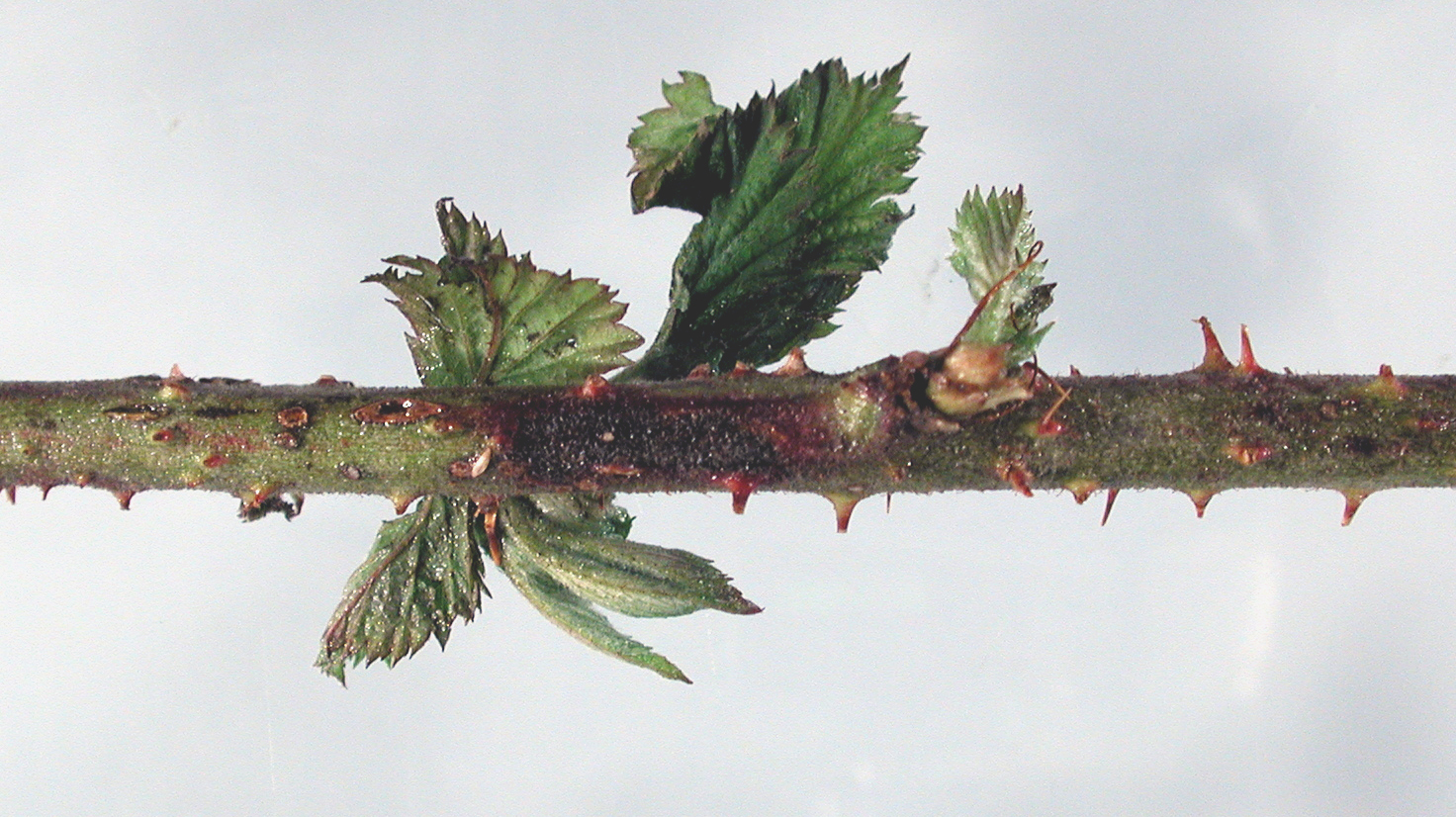
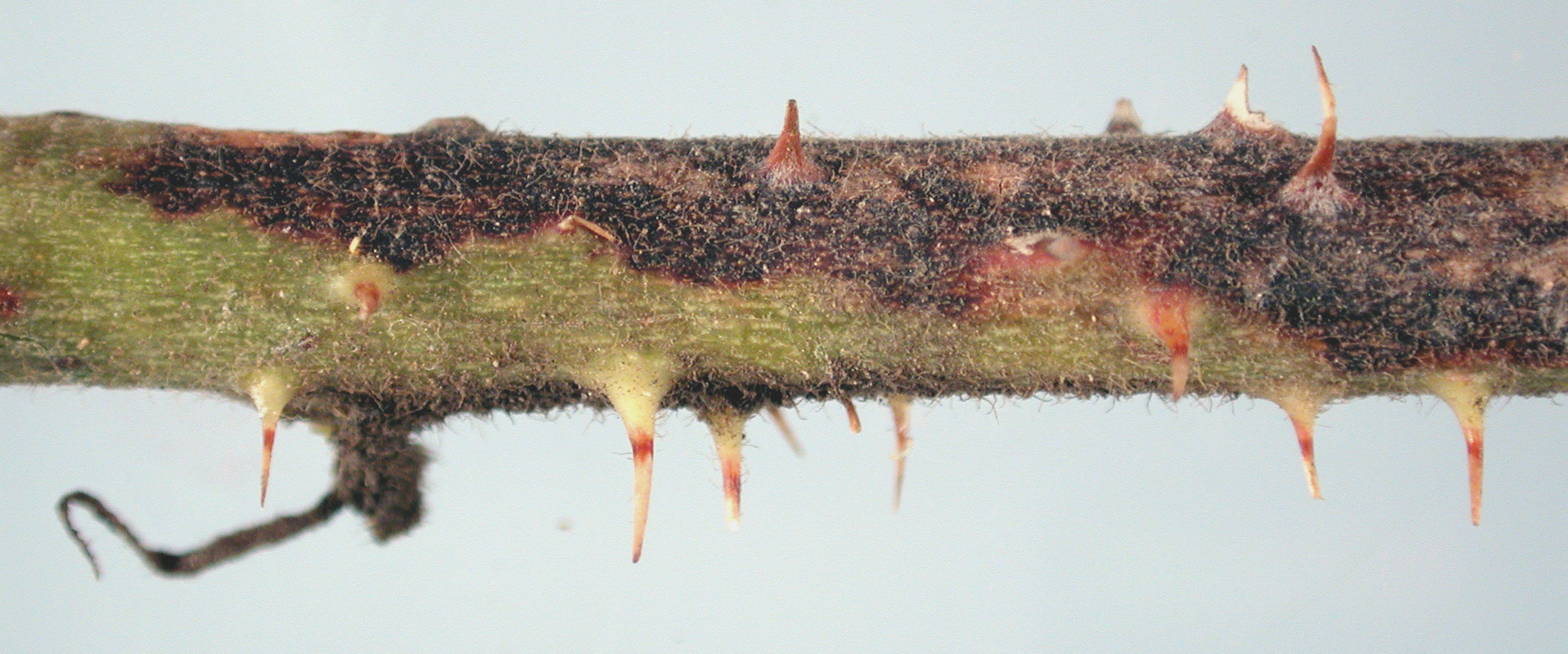
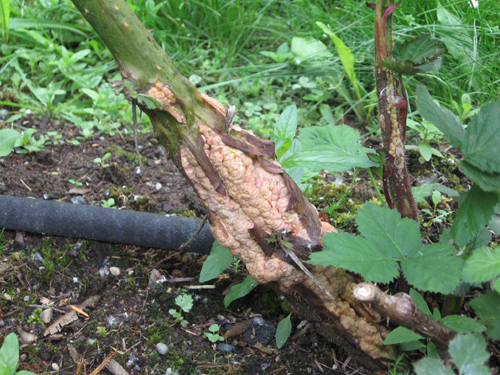
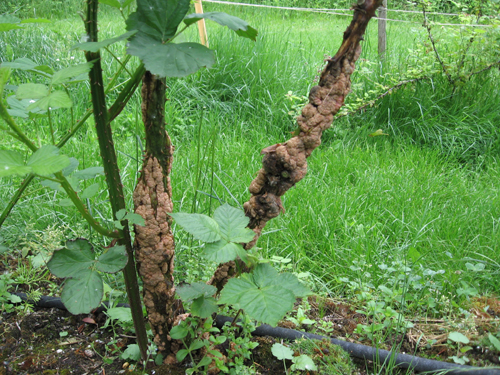
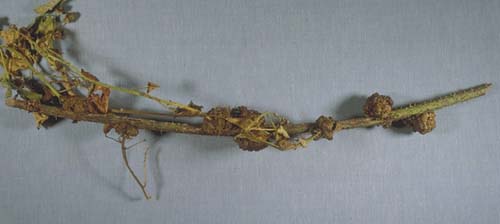
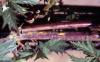
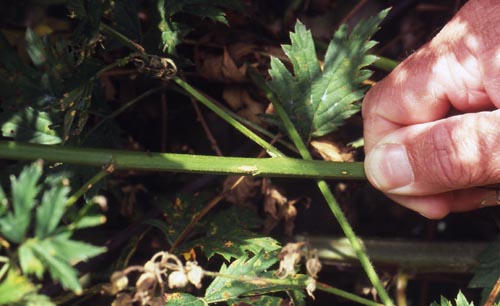
Blackberry rust on Evergreen stems is rare even in severely infected fields.
Photo by Jay Pscheidt, 2005.
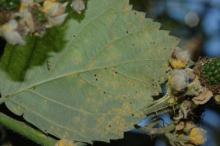
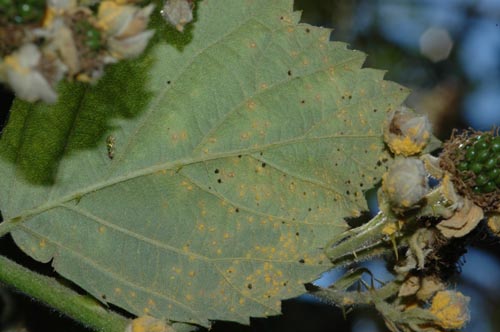
Blackberry rust on the lower surface of leaves of wild, fence row blackberries. Is is also shown on the flowers. Note the black telia as well as the orangeish uridinia.
Haywood Photography, 2005.
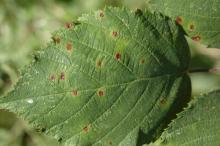
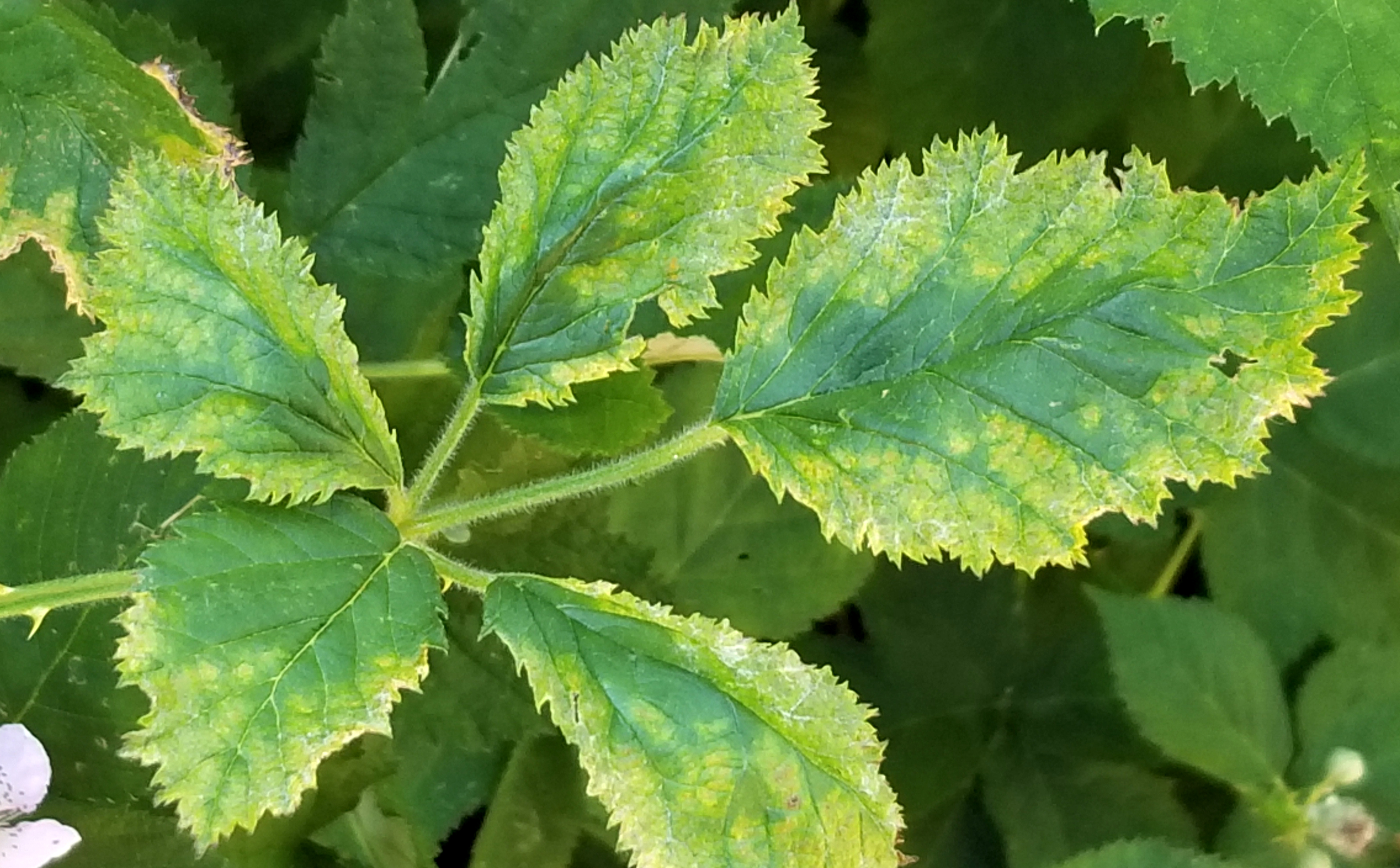
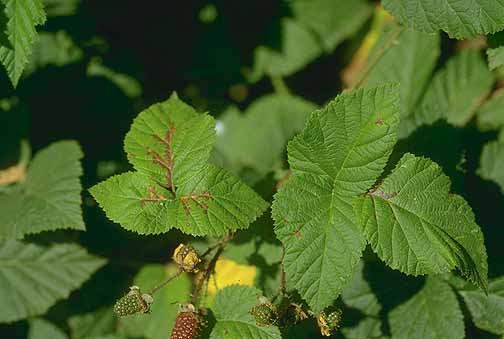
Blackberry rust on upper surface of leaves of wild, fence row blackberries.
Haywood Photography, 2005.
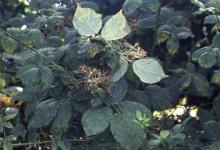
Blackberry rust on wild Himalayan blackberries found along a fence near cultivated blackberries.
Photo by Jay Pscheidt, 2005.