Plant Disease Management Handbook

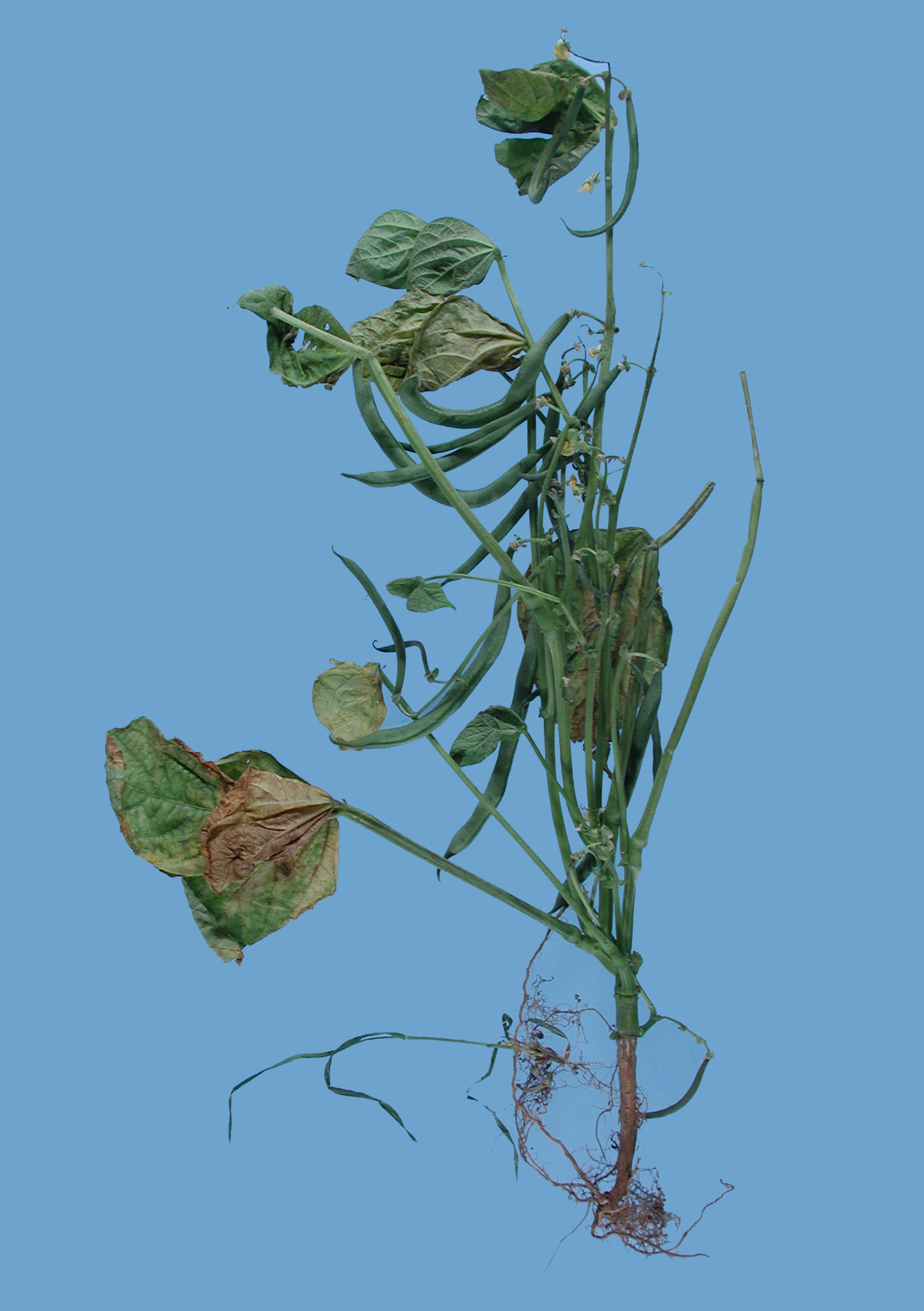
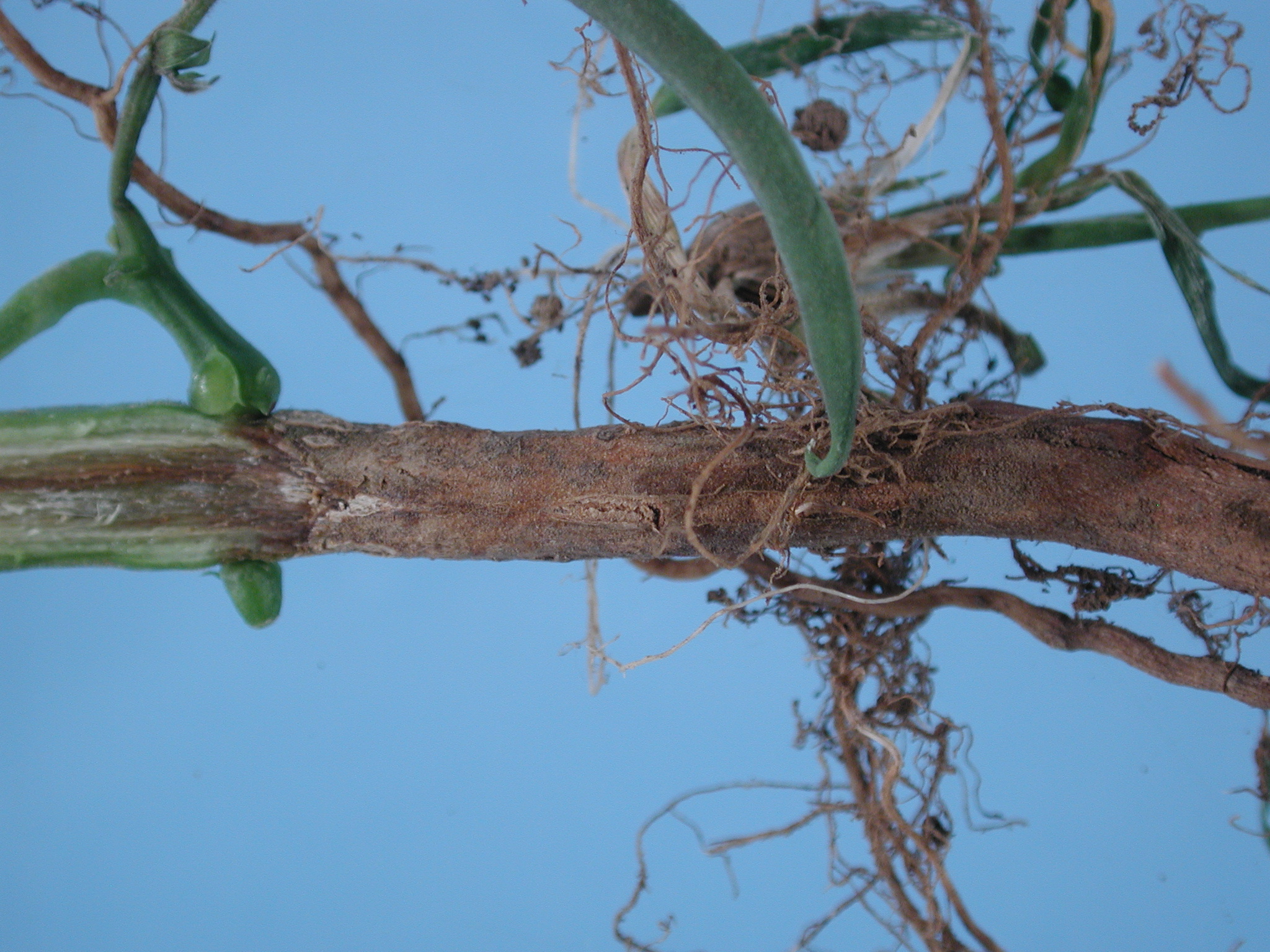
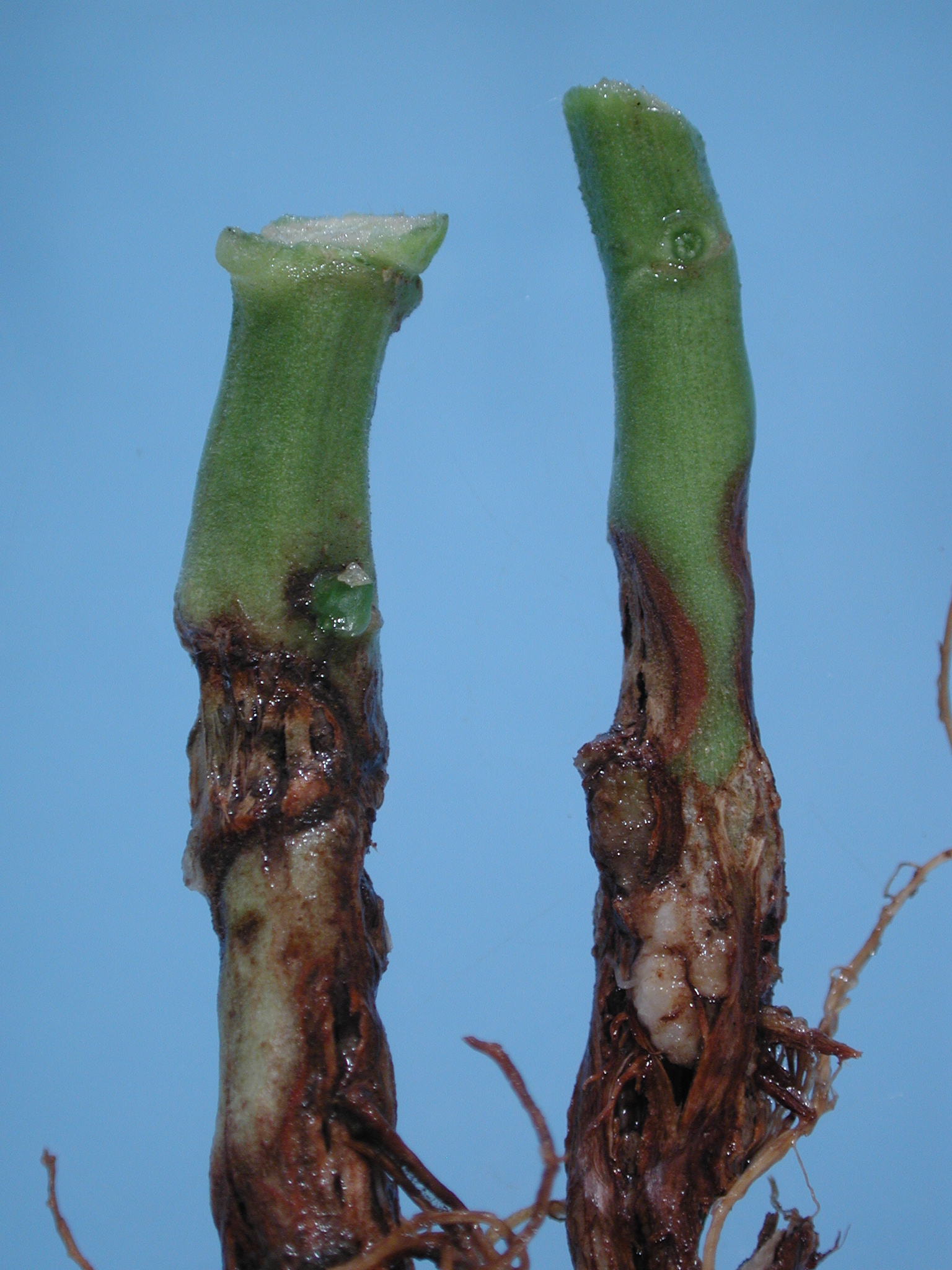
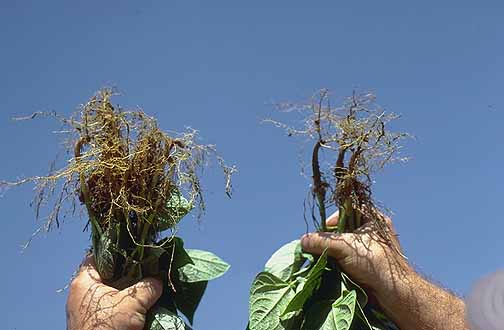
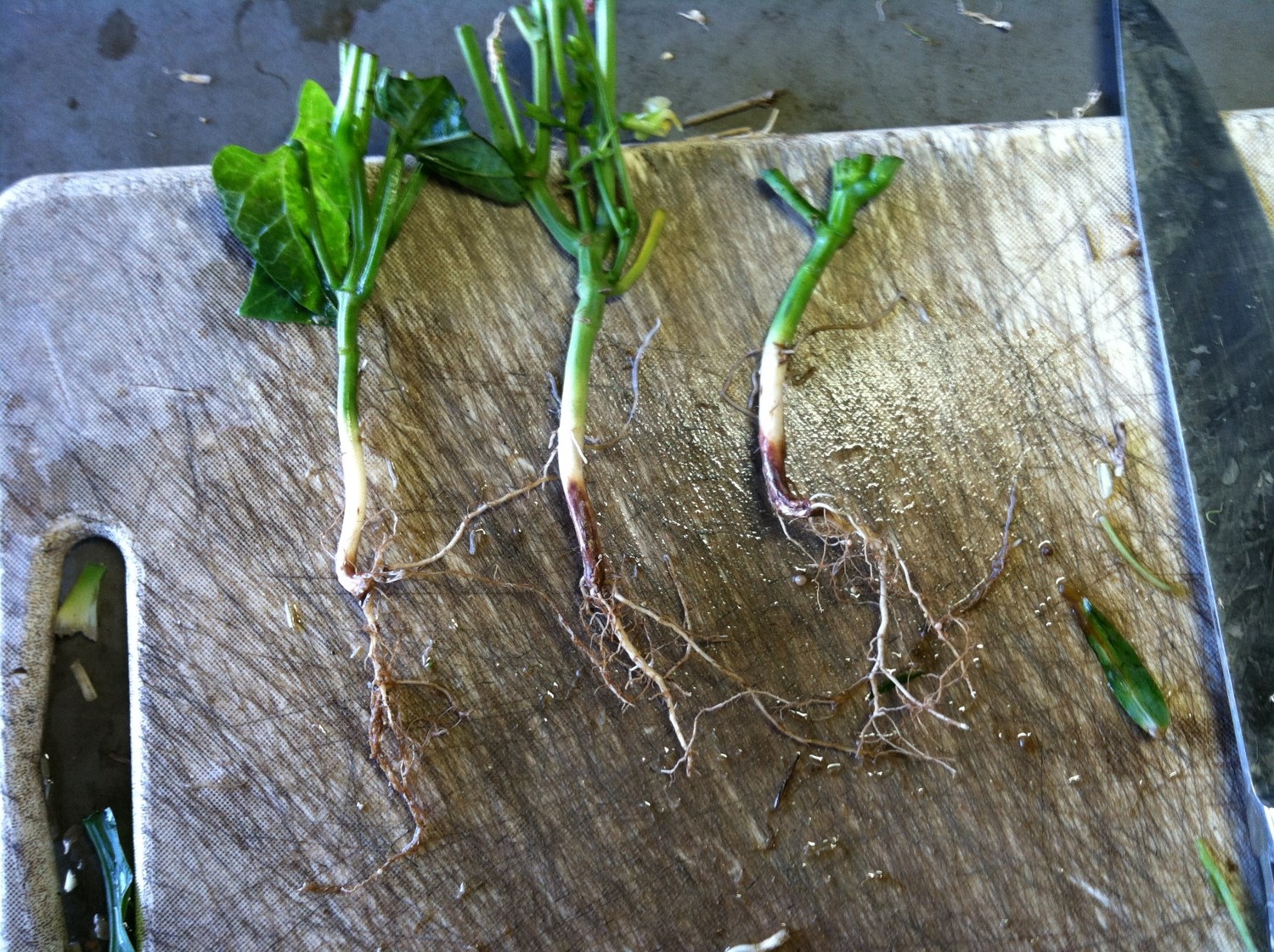
Cause The fungus, Rhizoctonia solani (sexual stage: Thanatephorus cucumeris), causes root rot of many plant species. It overwinters in soil or plant debris and can survive many years as sclerotia or chlamydospores. Moderate temperatures (less than 70°F) are favorable for disease development. Seedlings are quite susceptible to Rhizoctonia.

By C. M. Ocamb and R. B. McReynolds, Oregon State University Extension

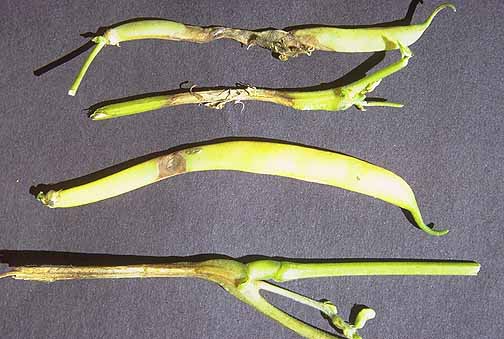
Image related to Bean, Snap (Phaseolus vulgaris)-Gray Mold

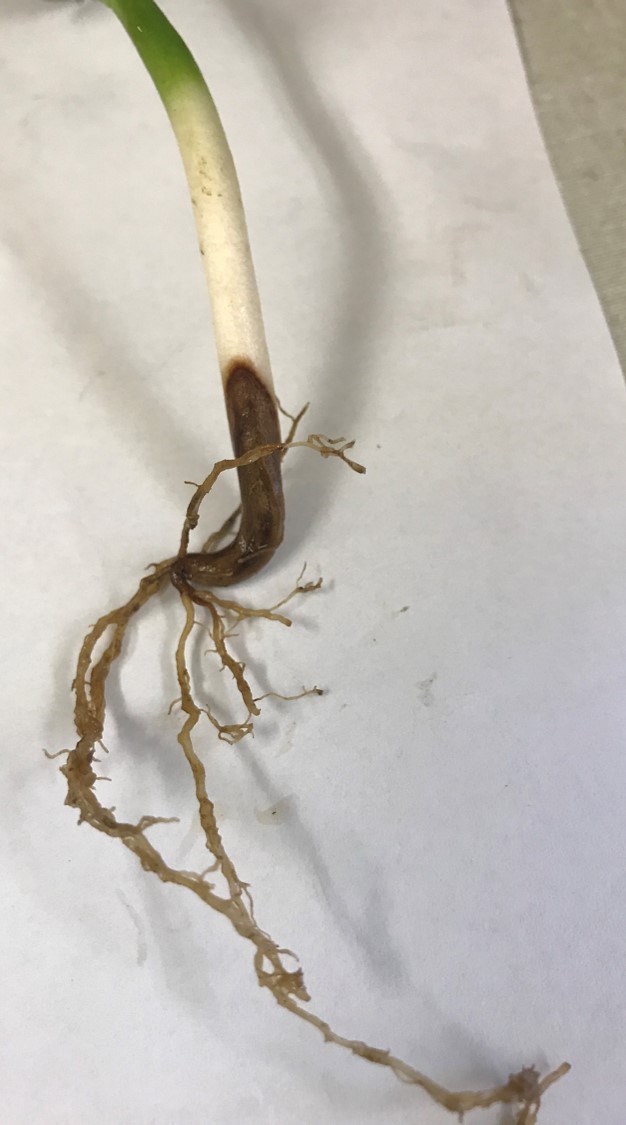
Cause The fungus, Fusarium solani f. sp. phaseoli, can survive in soil for many years. It persists on infected bean straw and spreads when the straw is moved. Wind and water can move infested soil and debris. The disease is favored by extremes in soil moisture (too dry or too wet) and is less severe when moisture is near field capacity. Anything, which impedes root growth such as cold or compacted soils also favors the disease.

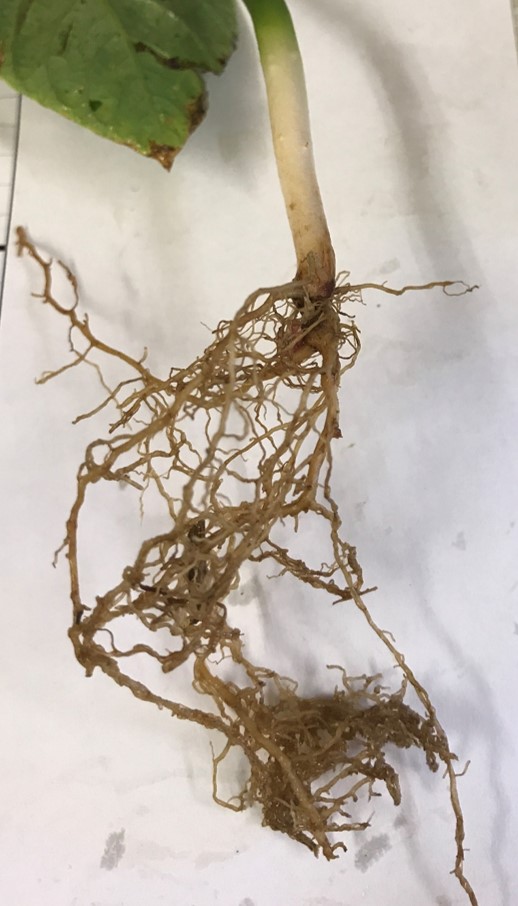
Several snap bean plants showing rot on the primary and secondary roots. Photo by Cynthia M. Ocamb, 2020.

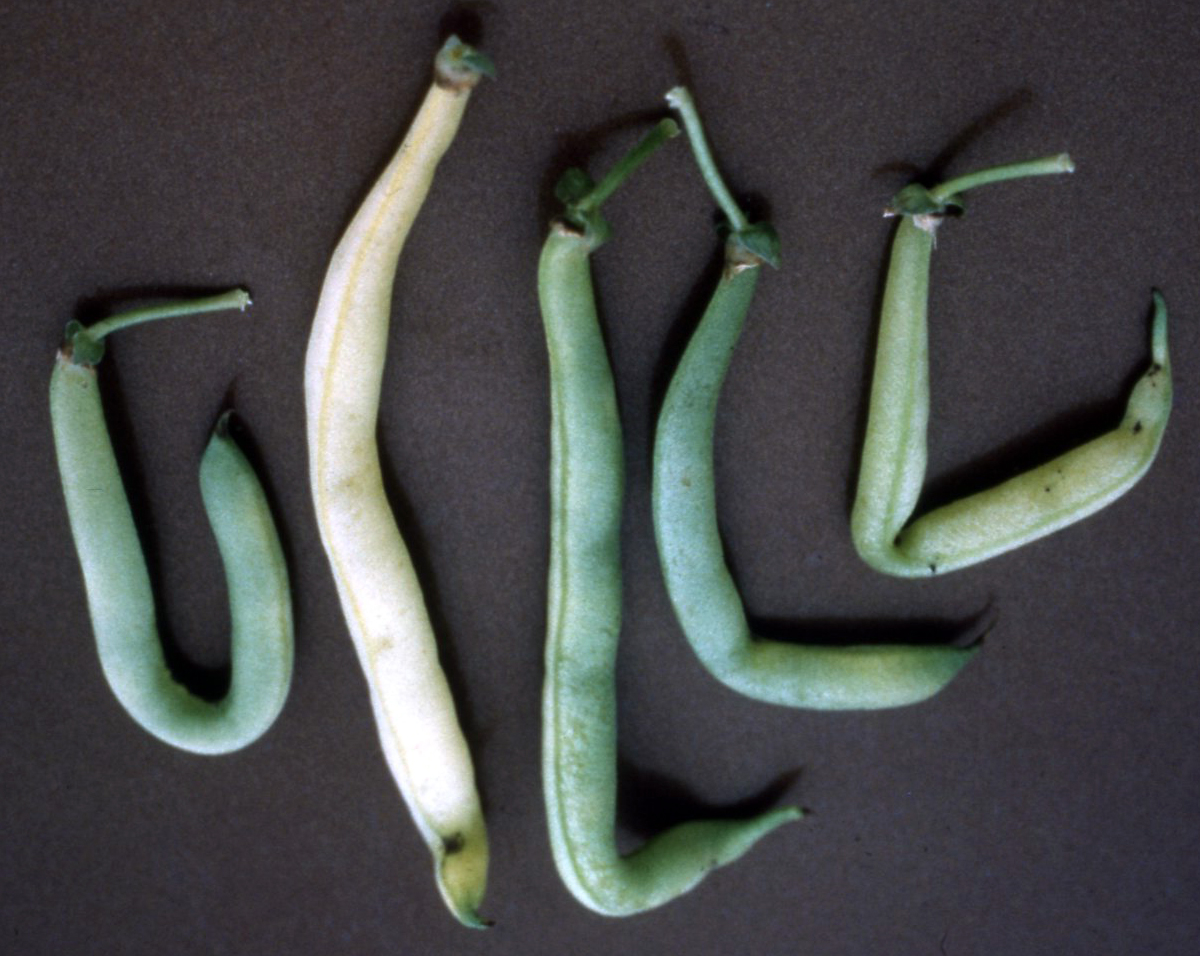
Cause Clover yellow vein virus (CYVV) is transmitted by the green peach aphid, pea aphid, black bean aphid, and clover aphid. Two or three subspecies of Trifolium repens (white clover) are the principal virus reservoirs in western Oregon. Clover yellow vein virus and strains of bean yellow mosaic virus often are in the same field.

Cause Bacterial brown spot is caused by the bacterium, Pseudomonas syringae pv. syringae, which can overwinter on bean and several leguminous weed species. It can also contaminate seed, but the role of such inoculum in disease development is not well understood. Sprinkler irrigation and leaf rubbing can spread the disease. Data from the University of Wisconsin indicate that disease development correlates with the intensity of water droplet impacts on leaves.

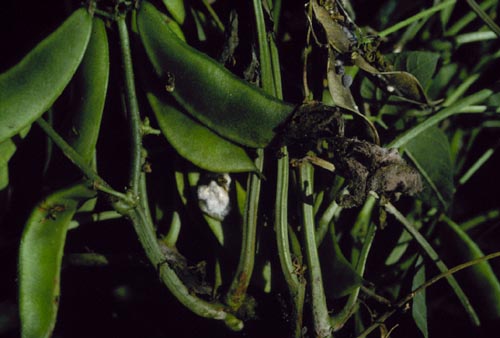
Image related to Bean, Lima (Phaseolus vulgaris)-White Mold
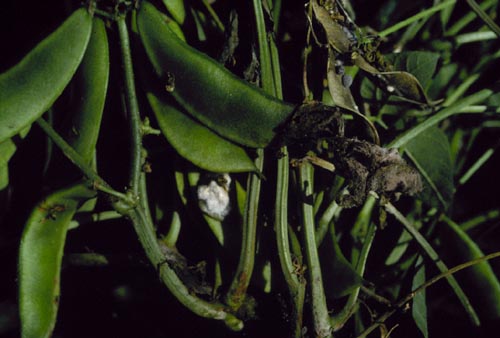
Image related to Bean, Lima (Phaseolus vulgaris)-Gray Mold