Plant Disease Management Handbook

Cause Alternaria spp., a fungus. This disease has caused severe losses in some Oregon and Washington fields, although it is not as common as ripe rot. The fungus overwinters as mycelium and spores in old, dried-up berries, dead twigs from the previous season's crop and on other plant debris. Infections can occur any time between late bloom through fruit maturity. Infections remain quiescent (latent) until fruit ripens.

Image related to Blueberry (Vaccinium corymbosum)-Alternaria Fruit Rot

Cause Both tobacco ringspot nepovirus and tobacco rattle virus (TRV) have been reported on this host. TRV was confirmed on the OSU campus but it is unknown how extensively it occurs in the PNW. TRV is a rod-shaped virus with a positive sense ssRNA. Both viruses can be transmitted by nematodes.

See:

Note: The cultivar Purple Robe is susceptible.

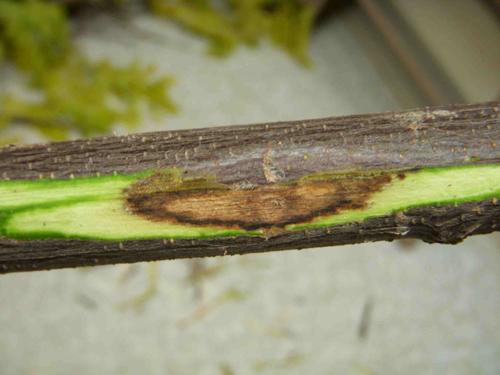
Image related to Black Locust (Robinia spp.)-Fusarium Canker

See:

Note: The disease is found more often in the cultivars 'Loganberry' and 'Youngberry' than in the 'Marion' and 'Evergreen' trailing berries.

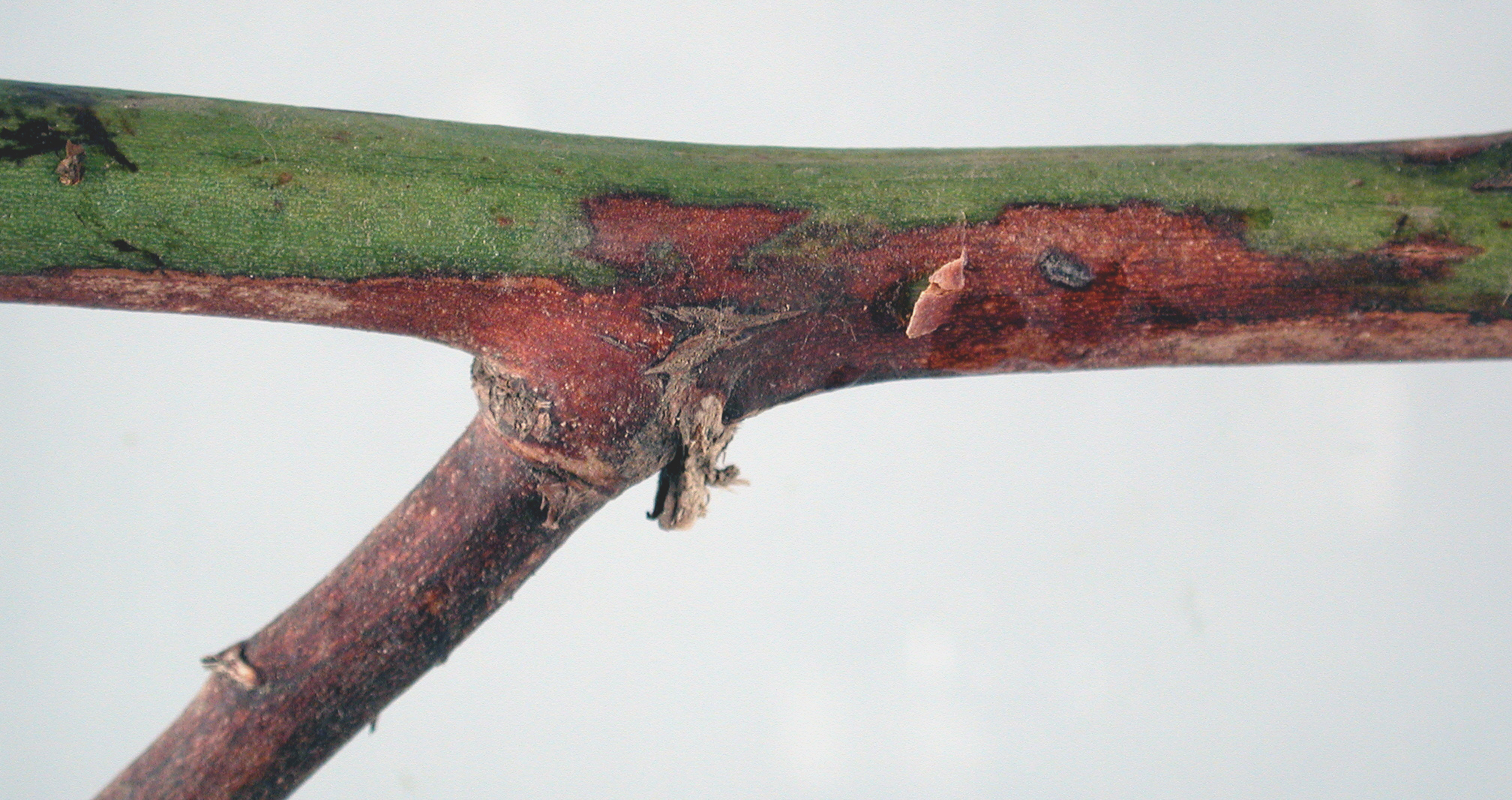
Image related to Blackberry (Rubus spp.)-Verticillium Wilt

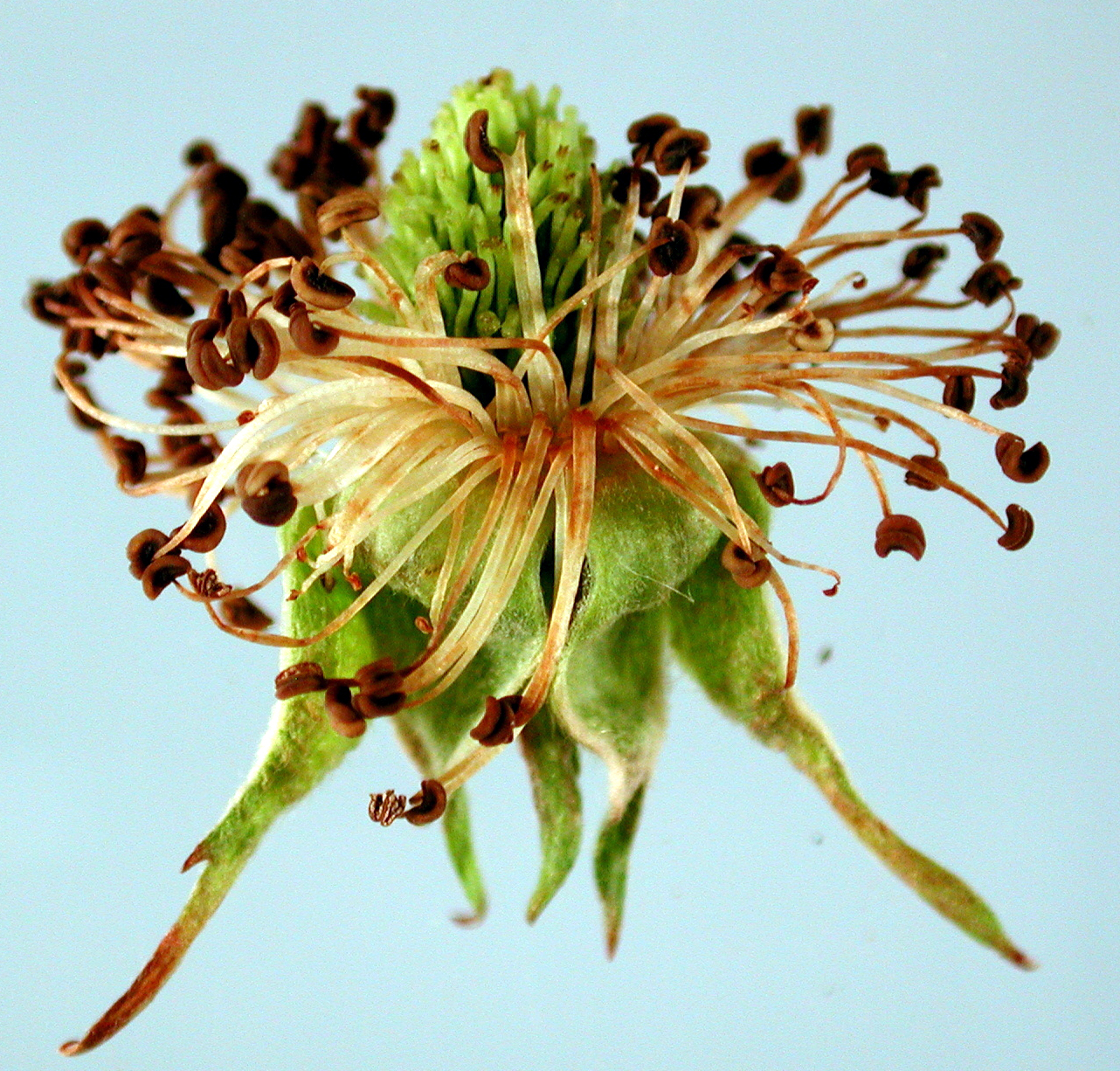
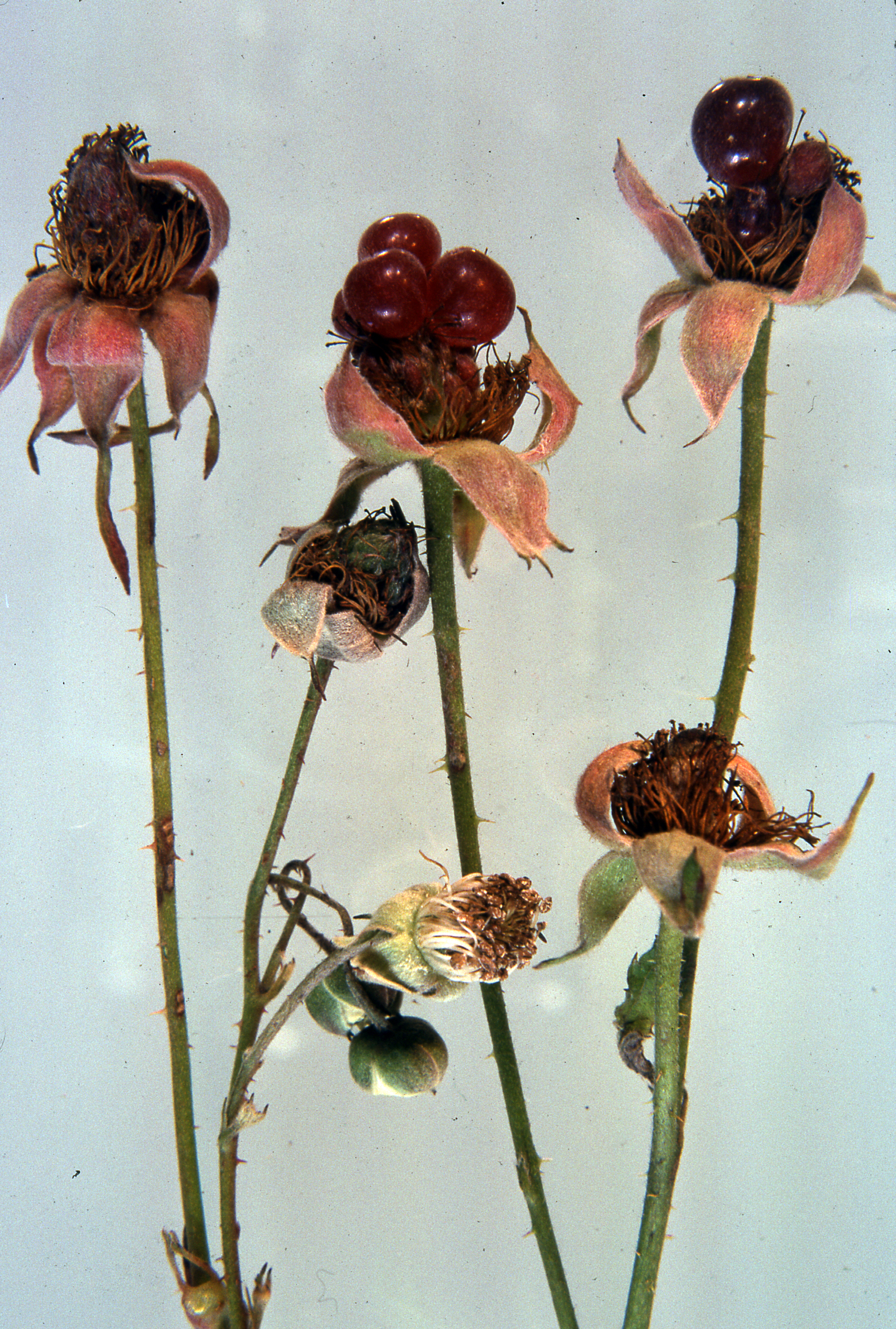
Cause Hapalosphaeria deformans, a fungus. This disease affects 'Boysenberry', 'Youngberry', 'Marion', 'Evergreen', and wild trailing blackberry. It also has been described on raspberries in Europe. The disease is severe in some plantings; severity varies markedly from year to year. Rain splashes spores from infected flowers to axillary buds of primocanes during bloom. The infection process is not well understood but occurs in summer.

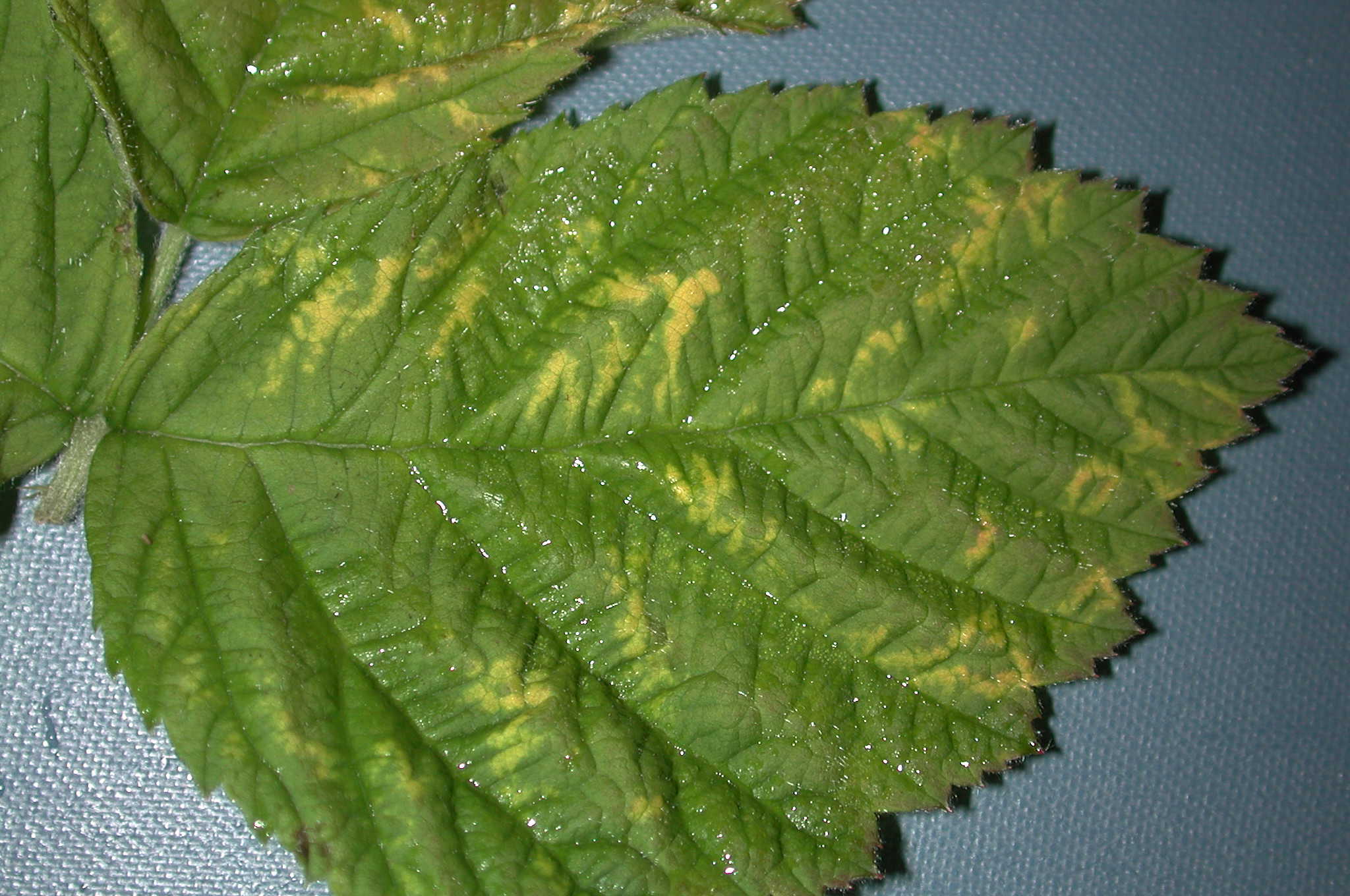
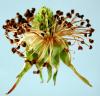
Image related to Blackberry (Rubus spp.)-Stamen Blight

See:

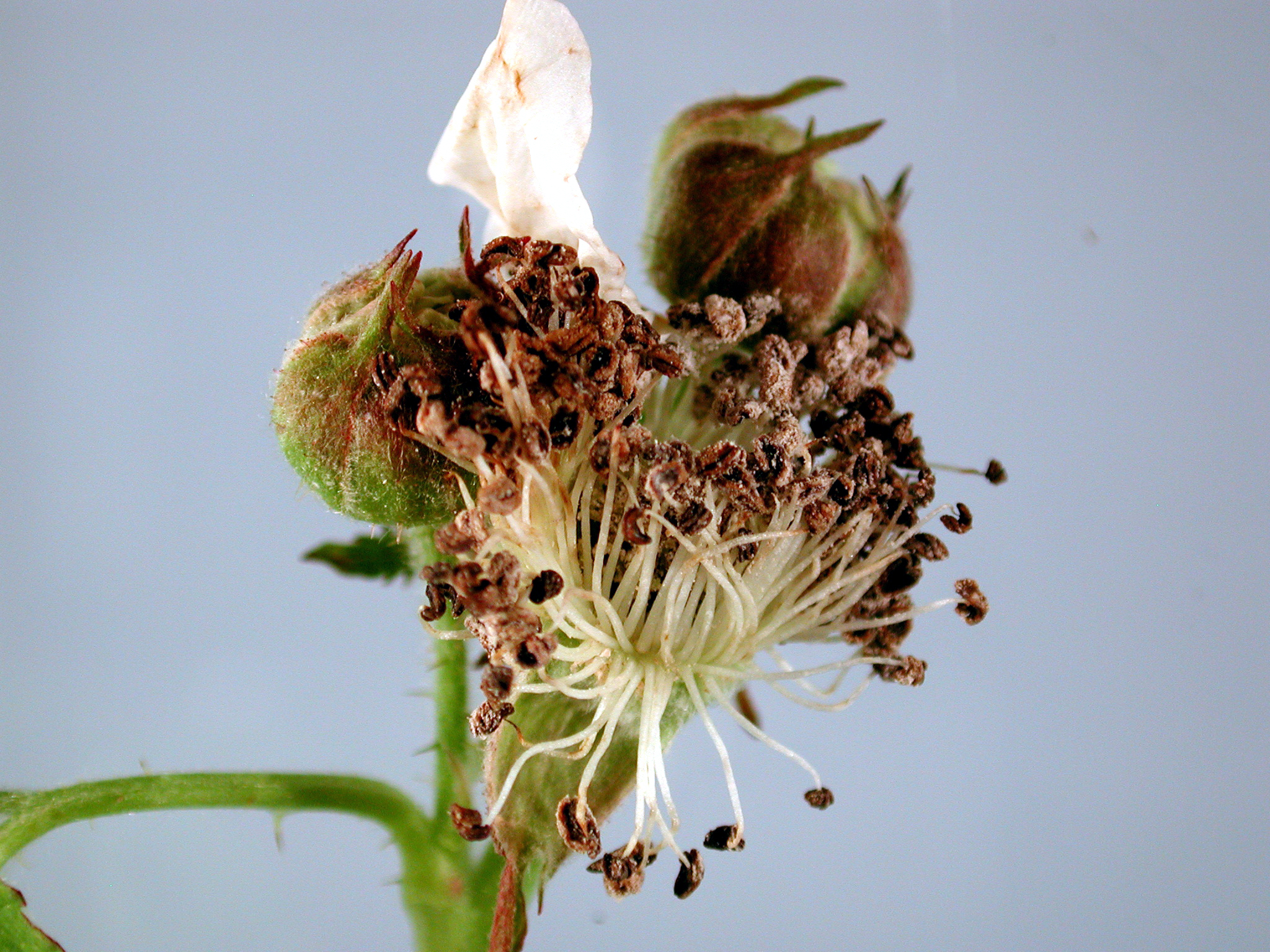
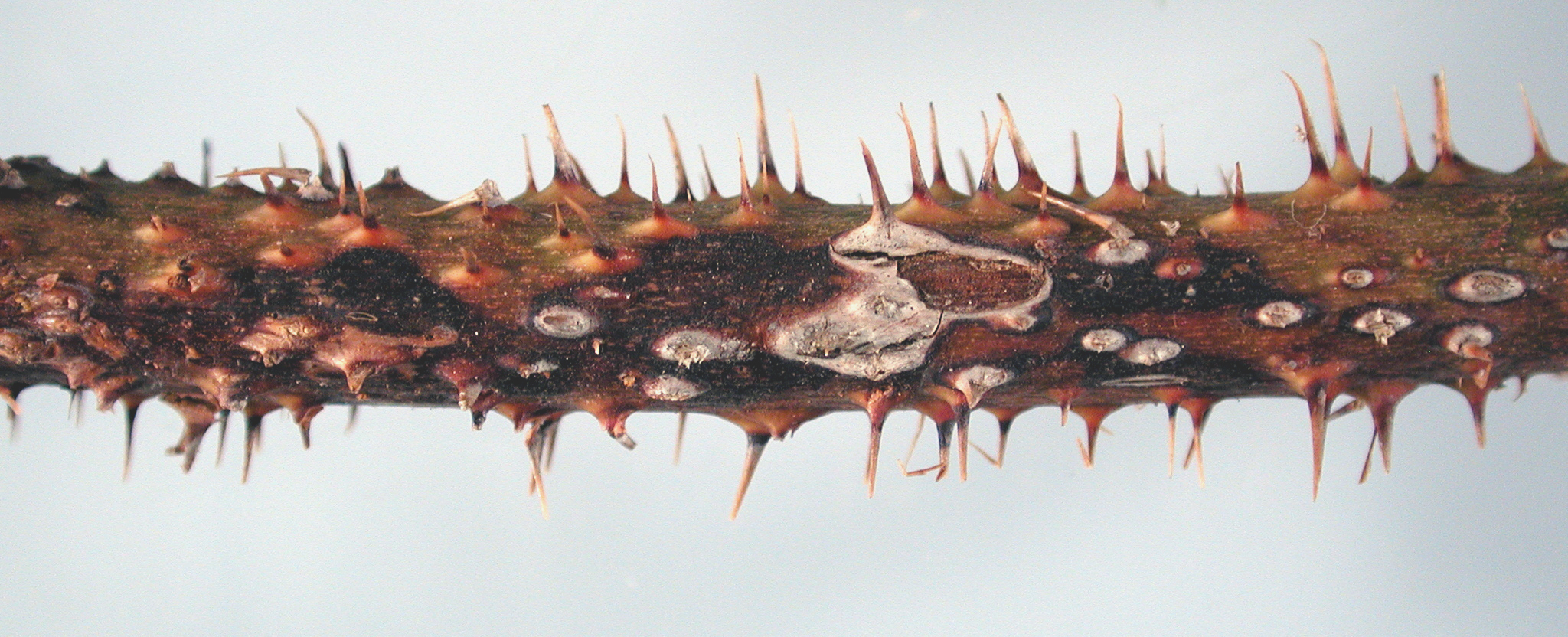
Note Out of dozens of blackberry samples there has only been one that was diagnosed with spur blight by the OSU Plant Clinic.

Image related to Blackberry (Rubus spp.)-Spur Blight