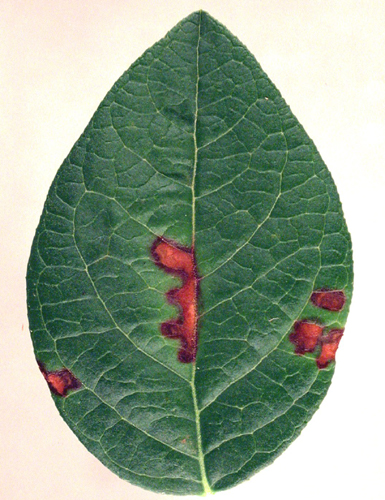
Plant Disease Management Handbook

Cause Pratylenchus penetrans, P. thornei and P. neglectus have been found in established blueberry fields. Root-lesion nematodes are migratory endoparasites with part of the population in soil and part in the roots at all times. Blueberry is not considered a host for these species, which are likely surviving on weed hosts.

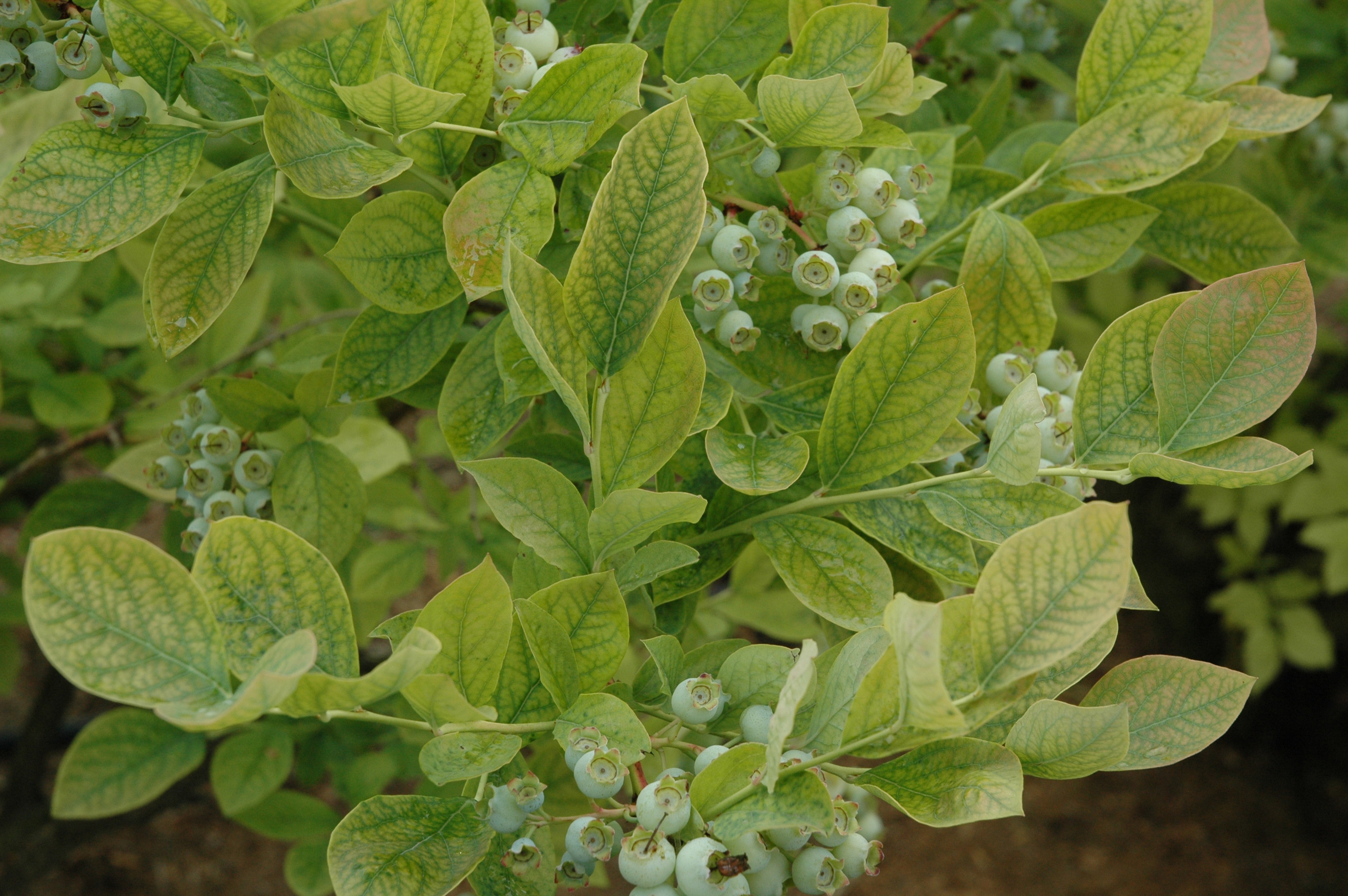
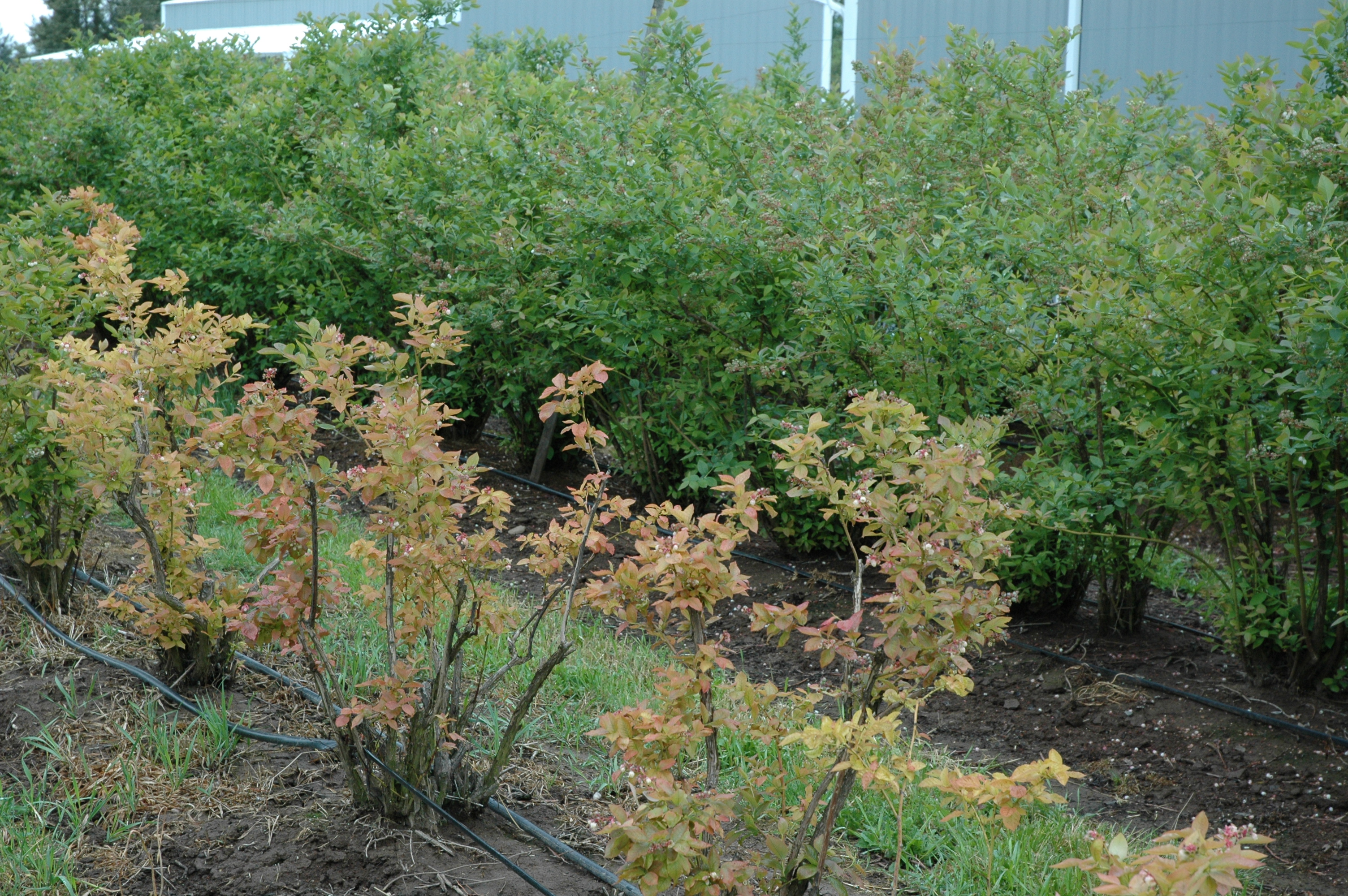
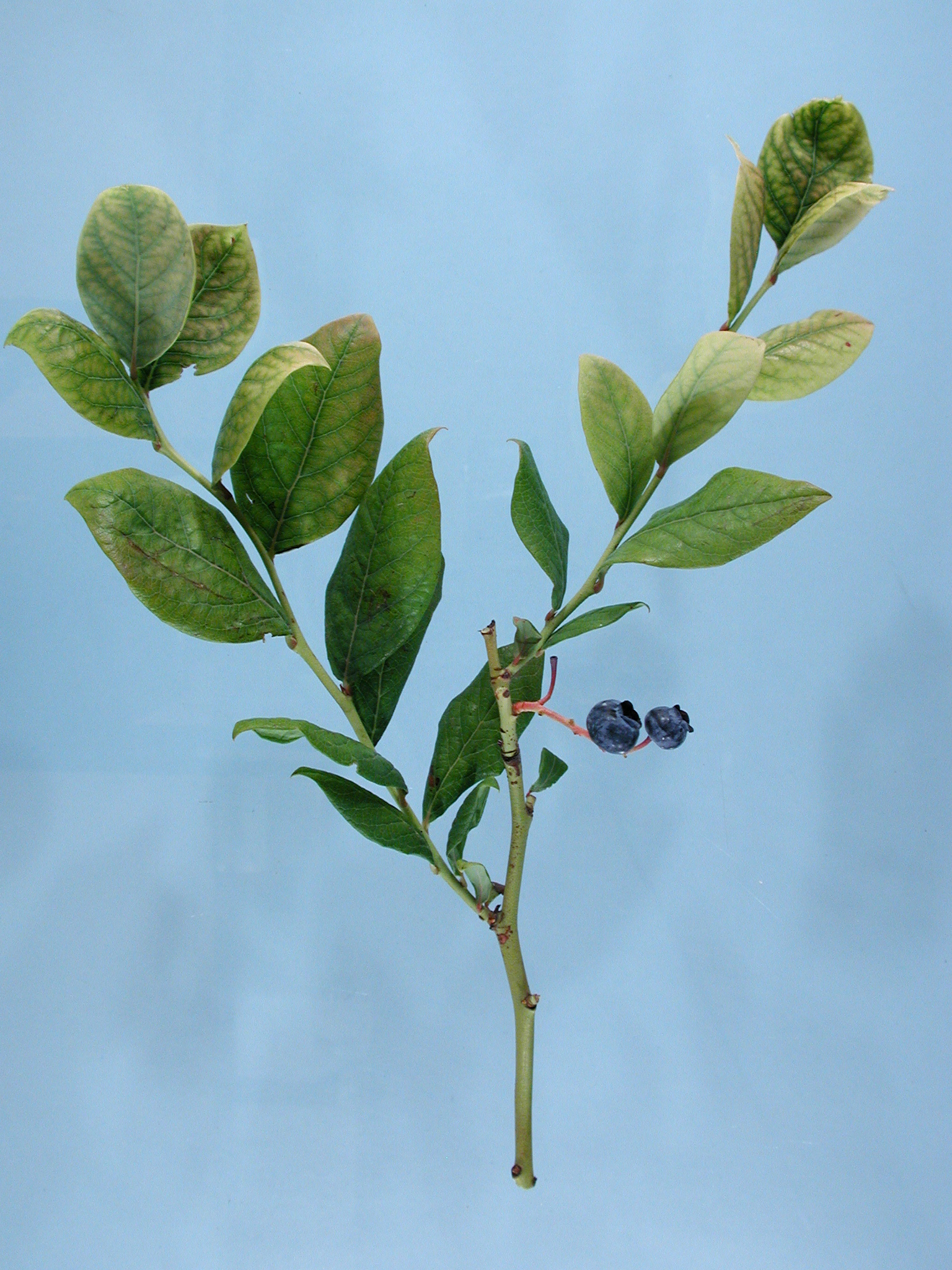
Cause A soil pH of 4.5 to 5.5 is optimum for blueberry production. Soil pH values significantly outside of this range are associated with a variety of problems. Surveys indicate this as one of the more important problems throughout the blueberry industry. Iron deficiency symptoms are common since iron is less available for plant uptake at high soil pH. High soil pH may occur when a new blueberry field follows other crops that have required the addition of agricultural lime.

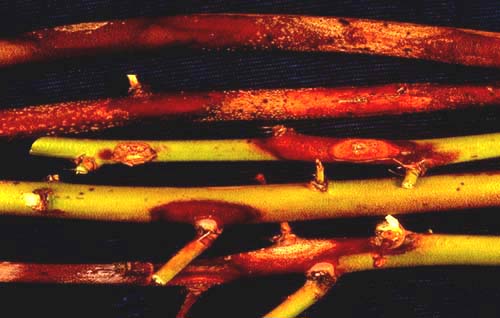
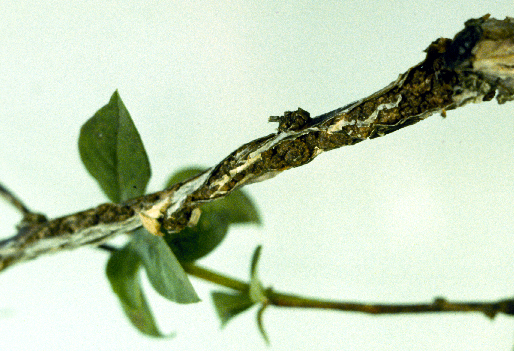
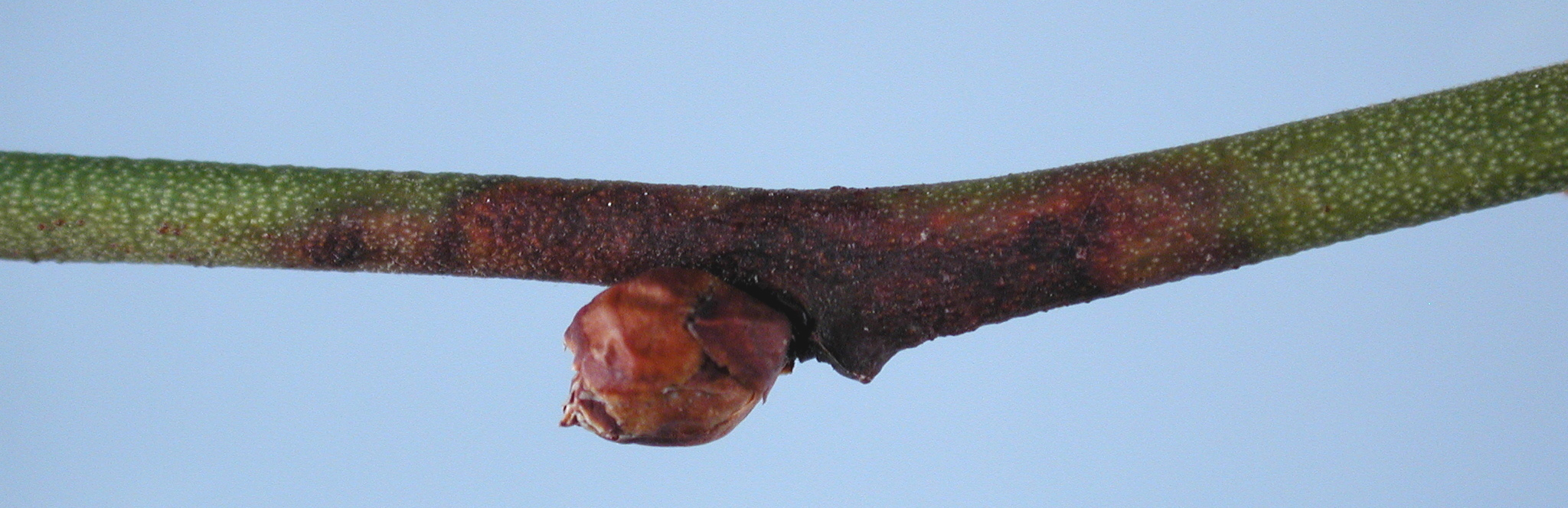
Cause Godronia cassandrae (asexual: Fusicoccum putrefaciens), a fungus. The disease occasionally can interfere seriously with the establishment of new plantings in British Columbia and Washington. It is considered to be the most serious canker disease of blueberry in British Columbia. It is less serious in established fields because only new wood can be infected. However, disease incidence has been increasing in older fields since the late 1980s.

Image related to Blueberry (Vaccinium corymbosum)-Fusicoccum Canker (Godronia Canker)

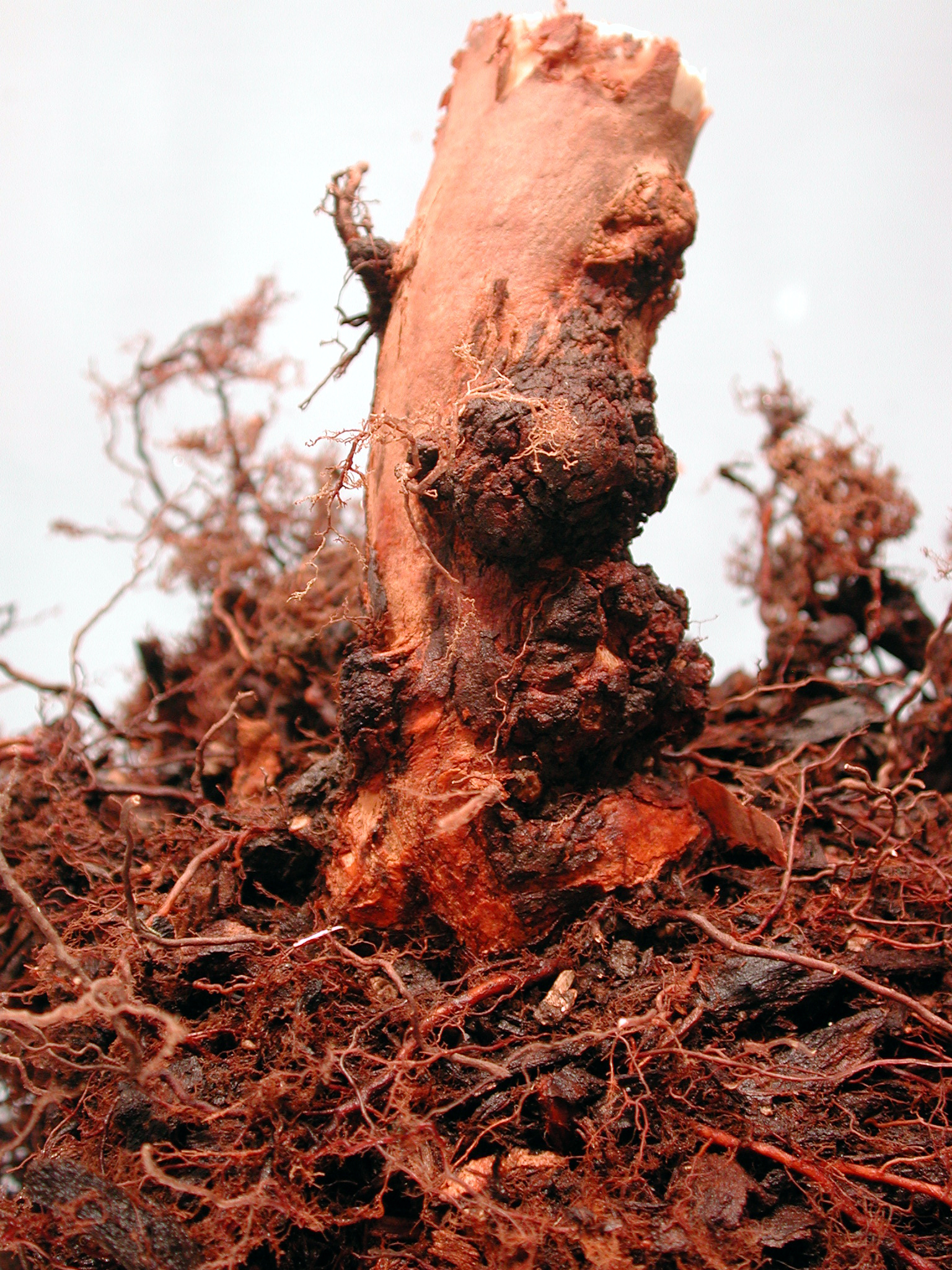
Cause The bacteria Agrobacterium tumefaciens has been found in the PNW while A. rubi was reported from Argentina. It is not known if A. rubi, found on caneberries in the PNW, is a problem in blueberry fields in the PNW. Both pathogens survive in soil and infect plants through wounds. Catcher plates on mechanical harvesters can wound canes sufficiently to initiate galls.

Image related to Blueberry (Vaccinium corymbosum)-Crown Gall

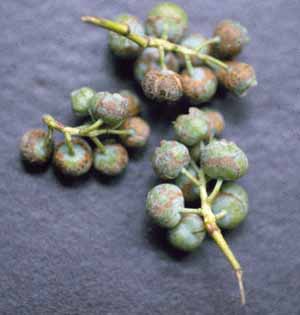
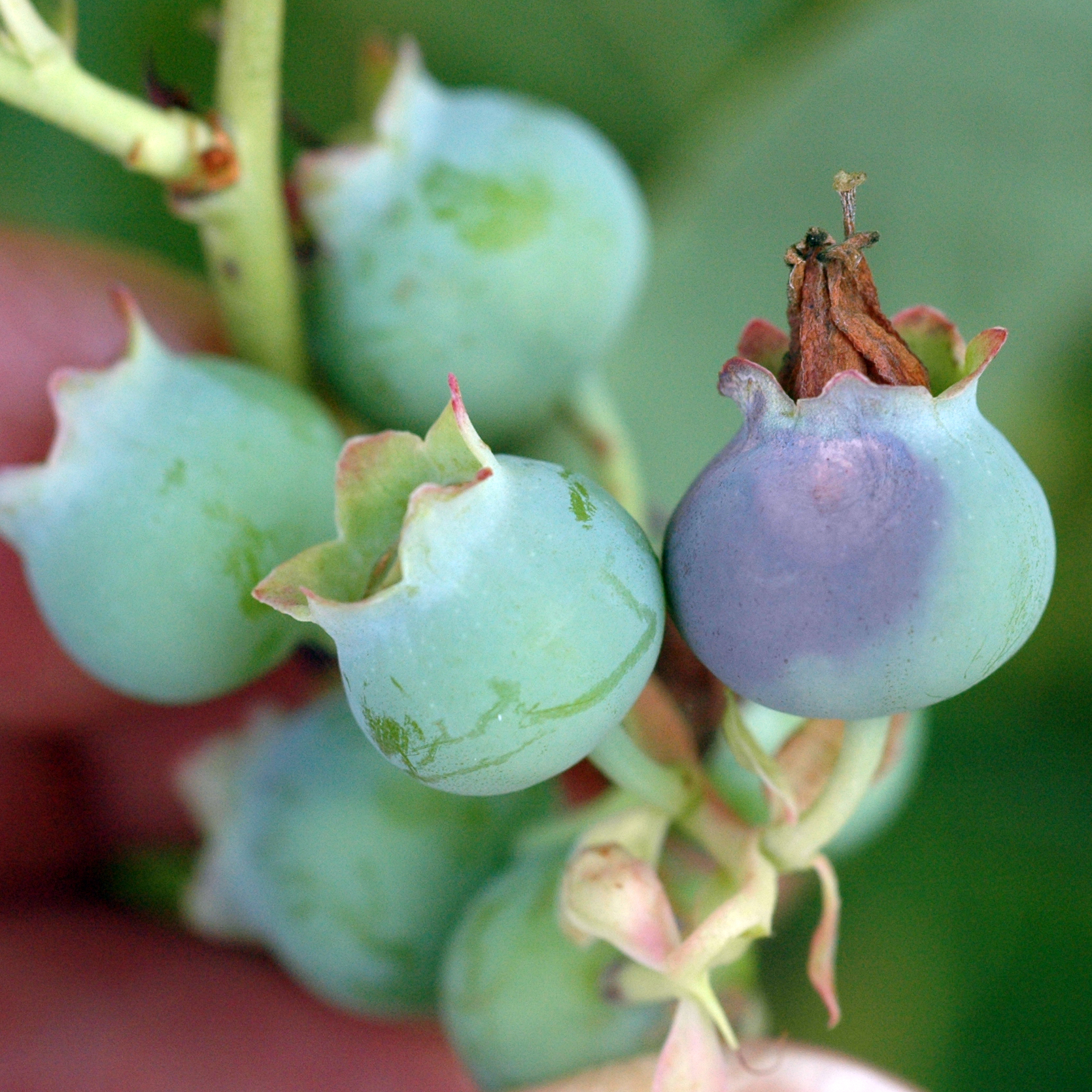
Cause Fruit russeting has been observed with late treatments of chlorothalonil products (Bravo and maybe Echo), Regalia, or triforine (Funginex) at high rates. The russeting can resemble cold injury to fruit. Injury from Bravo is more common when air temperatures are high. The cultivar Bluetta was very susceptible to chemical injury of leaves during 2002 disease control trials in western Oregon.

Image related to Blueberry (Vaccinium corymbosum)-Chemical Injury

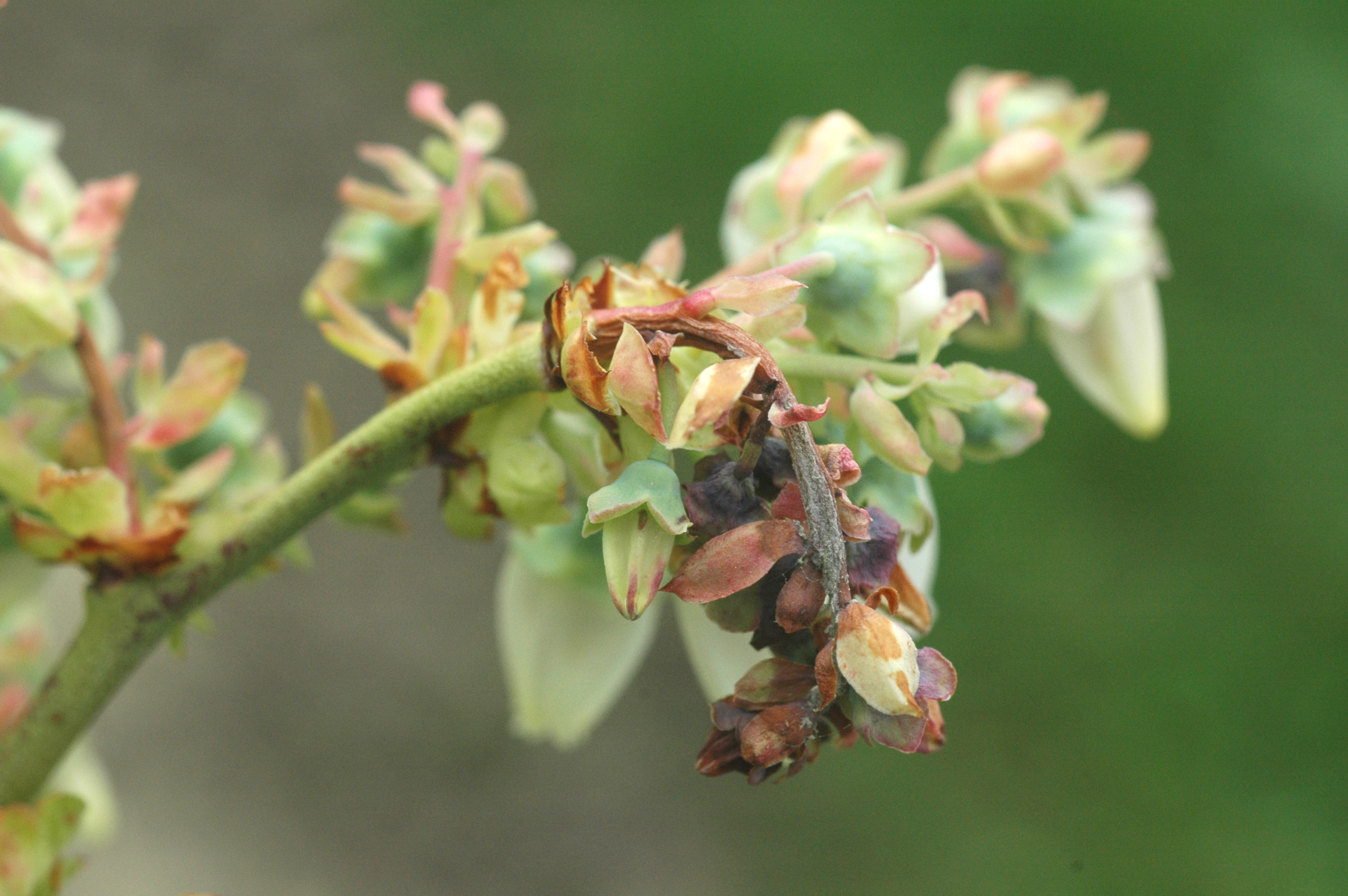
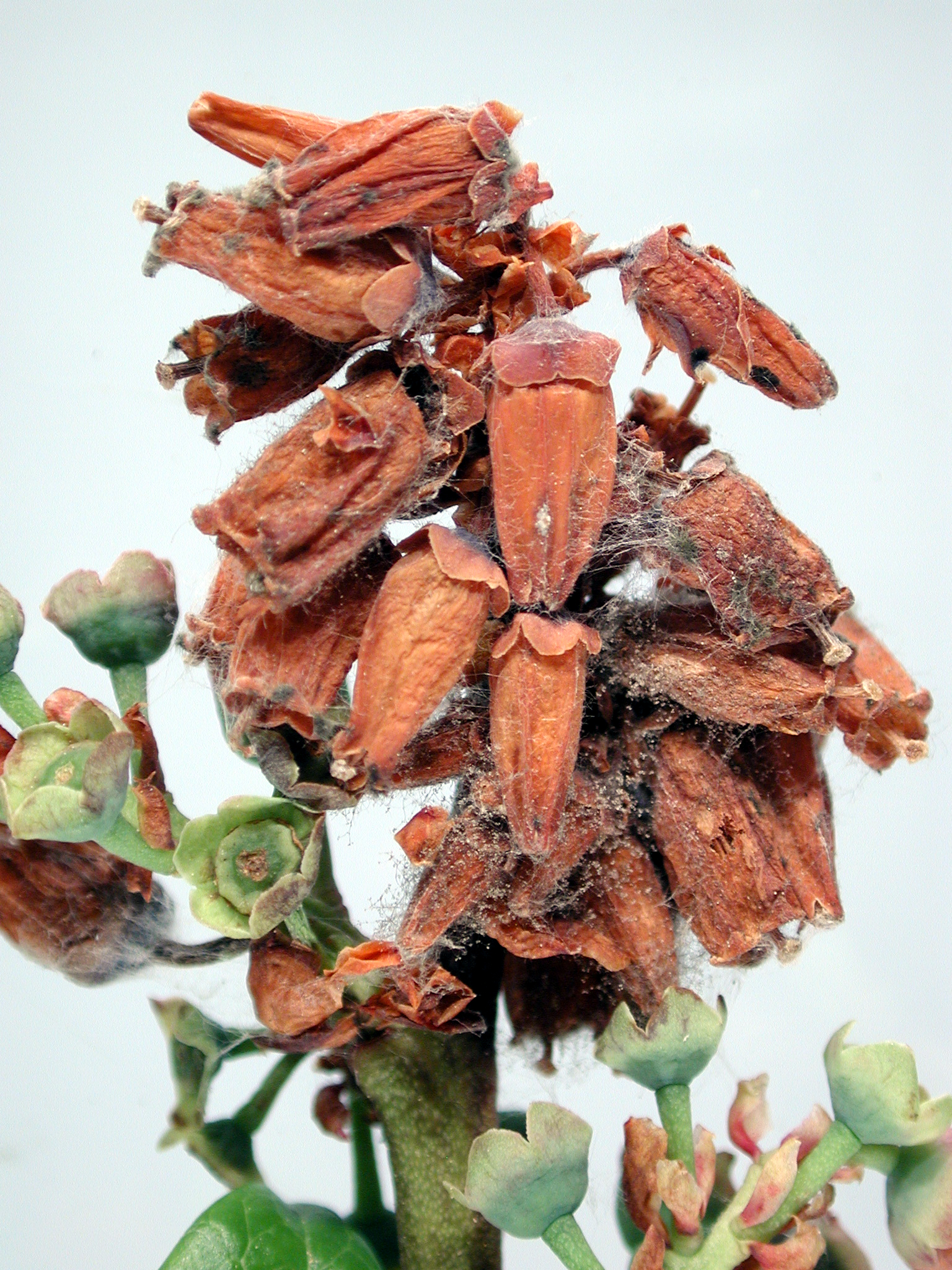
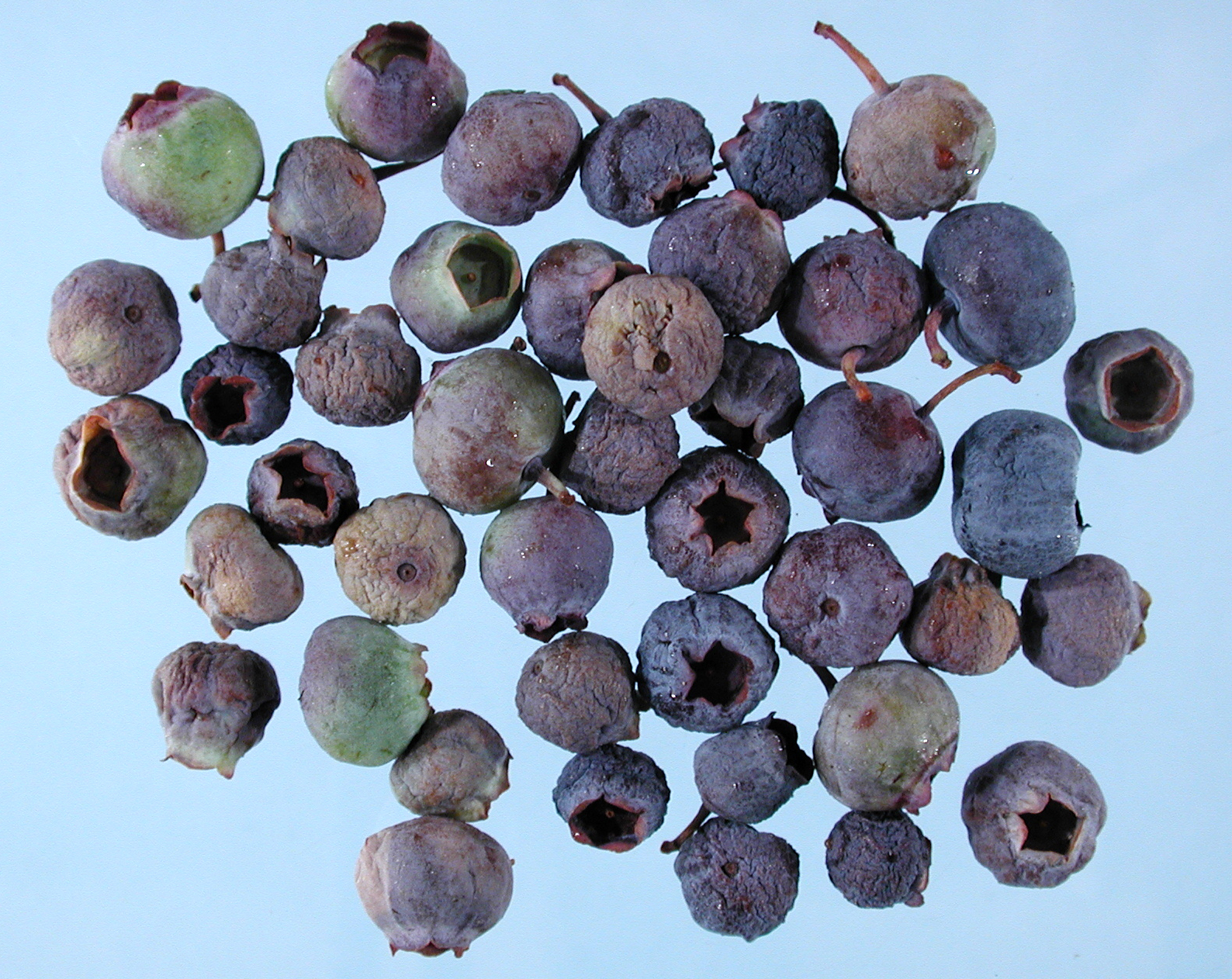
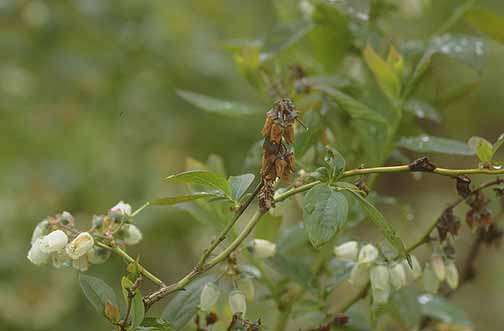
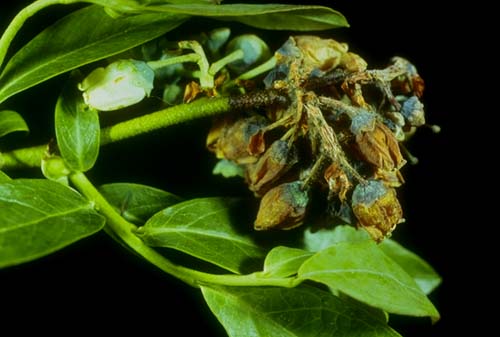
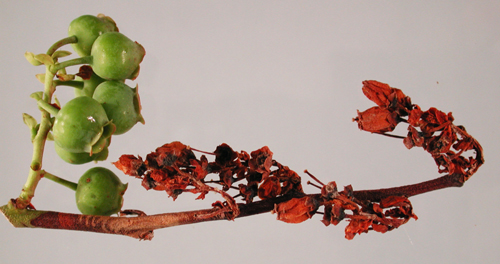
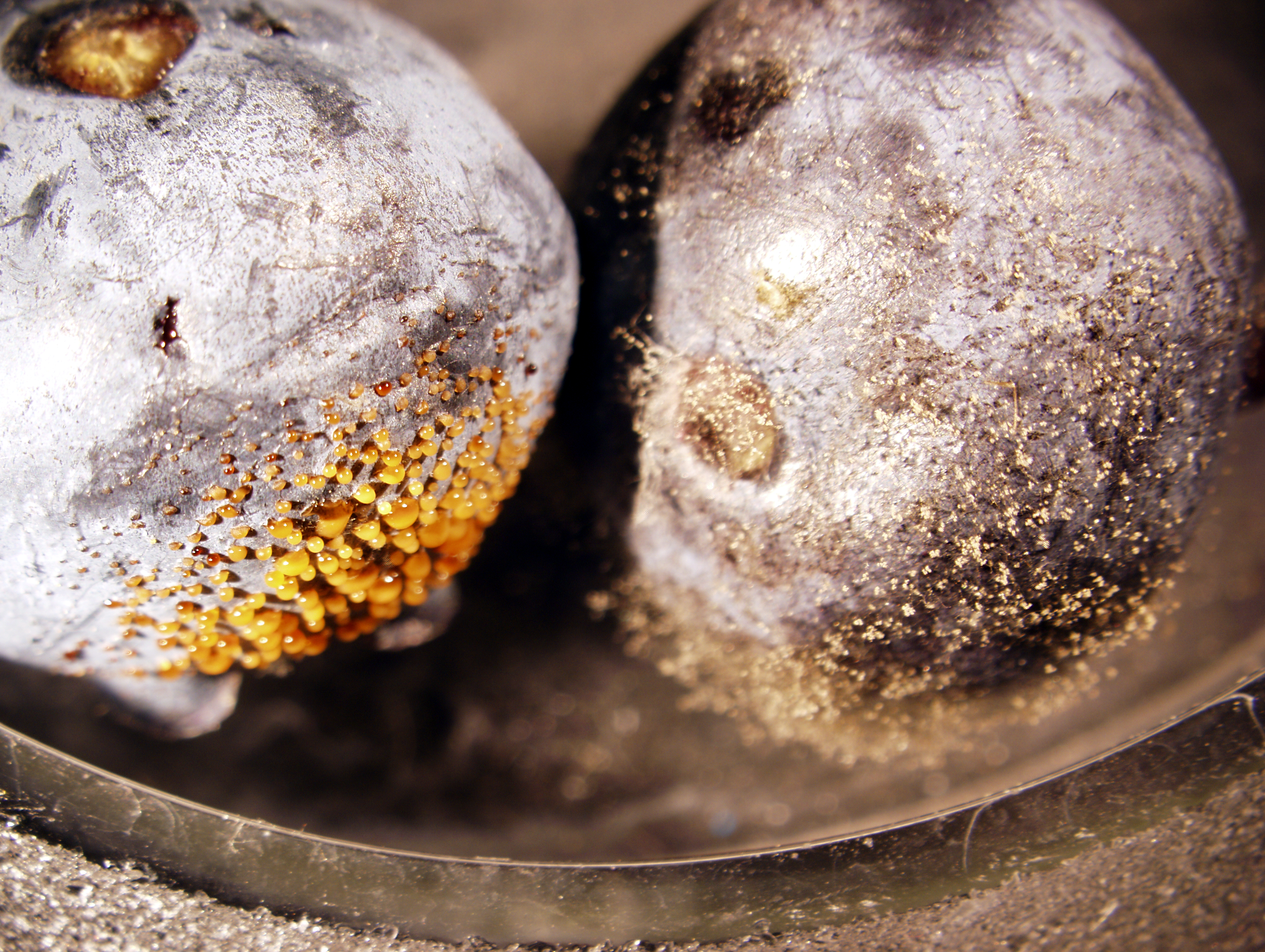
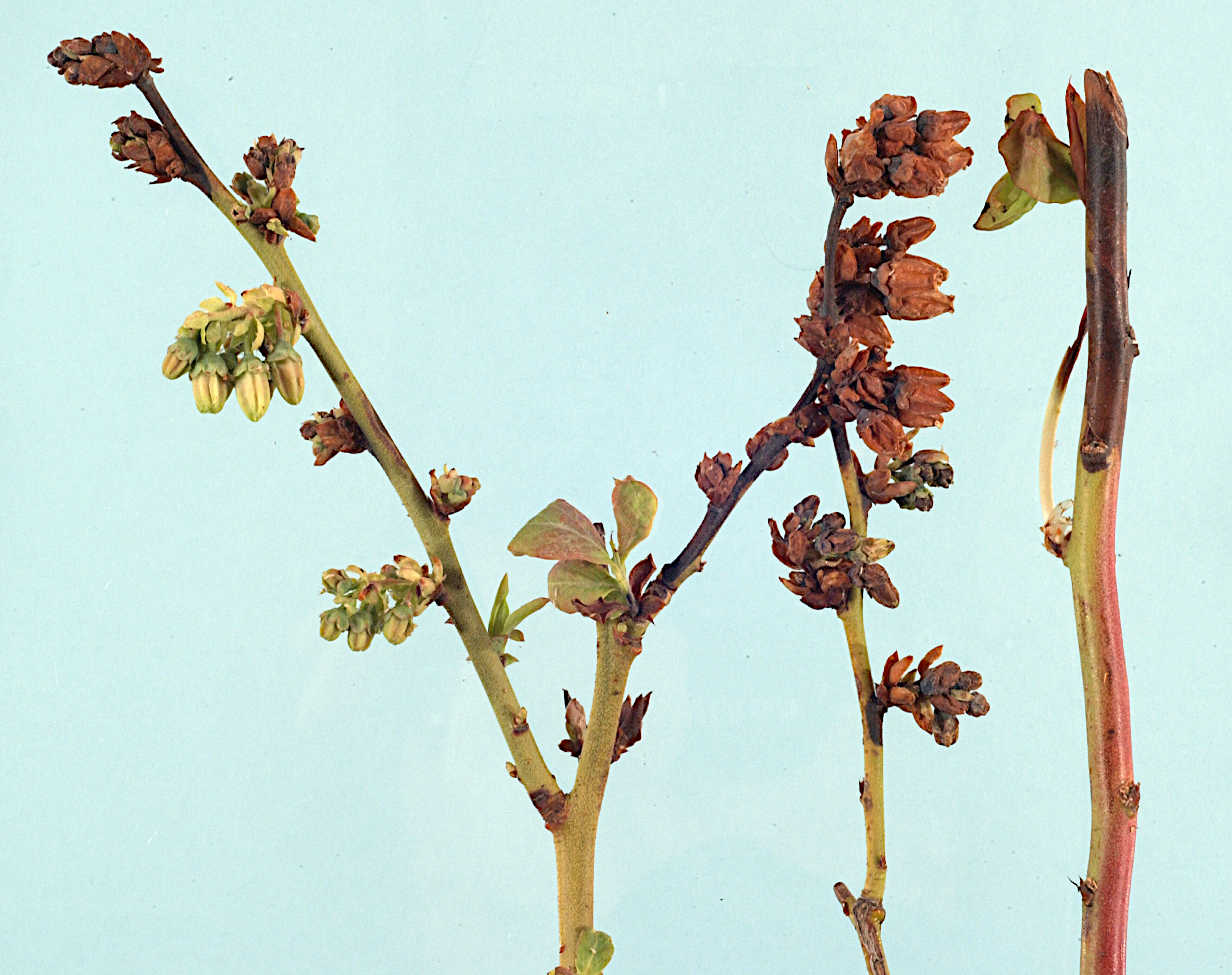
Cause Botrytis cinerea, a fungus that survives as sclerotia (resistant survival structure) and dormant mycelia on dead twigs of bushes and prunings or in fruit left on the bush. It also overwinters as a saprophyte on dead organic matter and dead plant parts in or on the soil surface. Many different fruit (such as blackberry, raspberry, and strawberry) and ornamental crops are susceptible to infection and may be sources of spores.

Image related to Blueberry (Vaccinium corymbosum)-Botrytis Blight
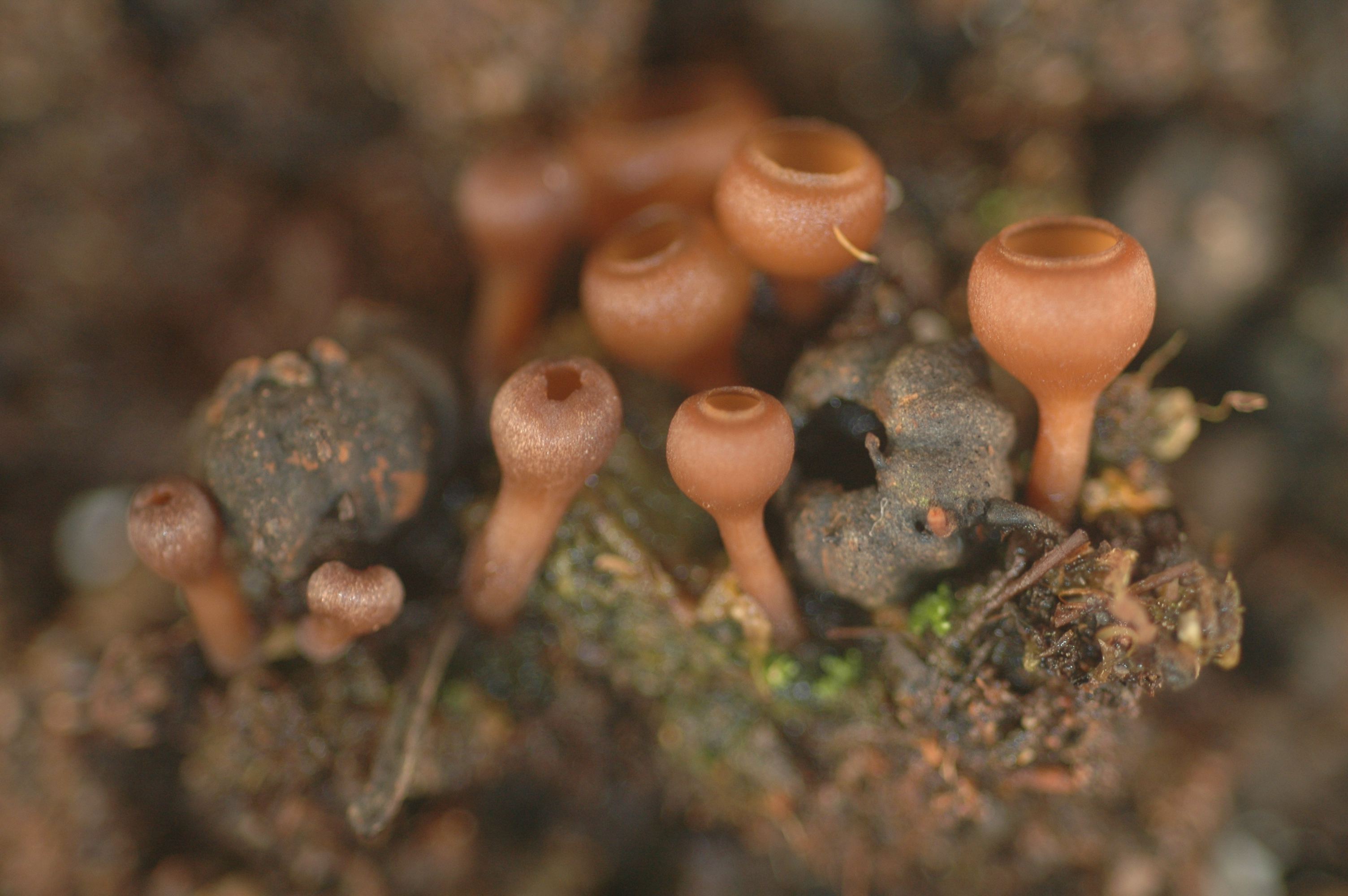
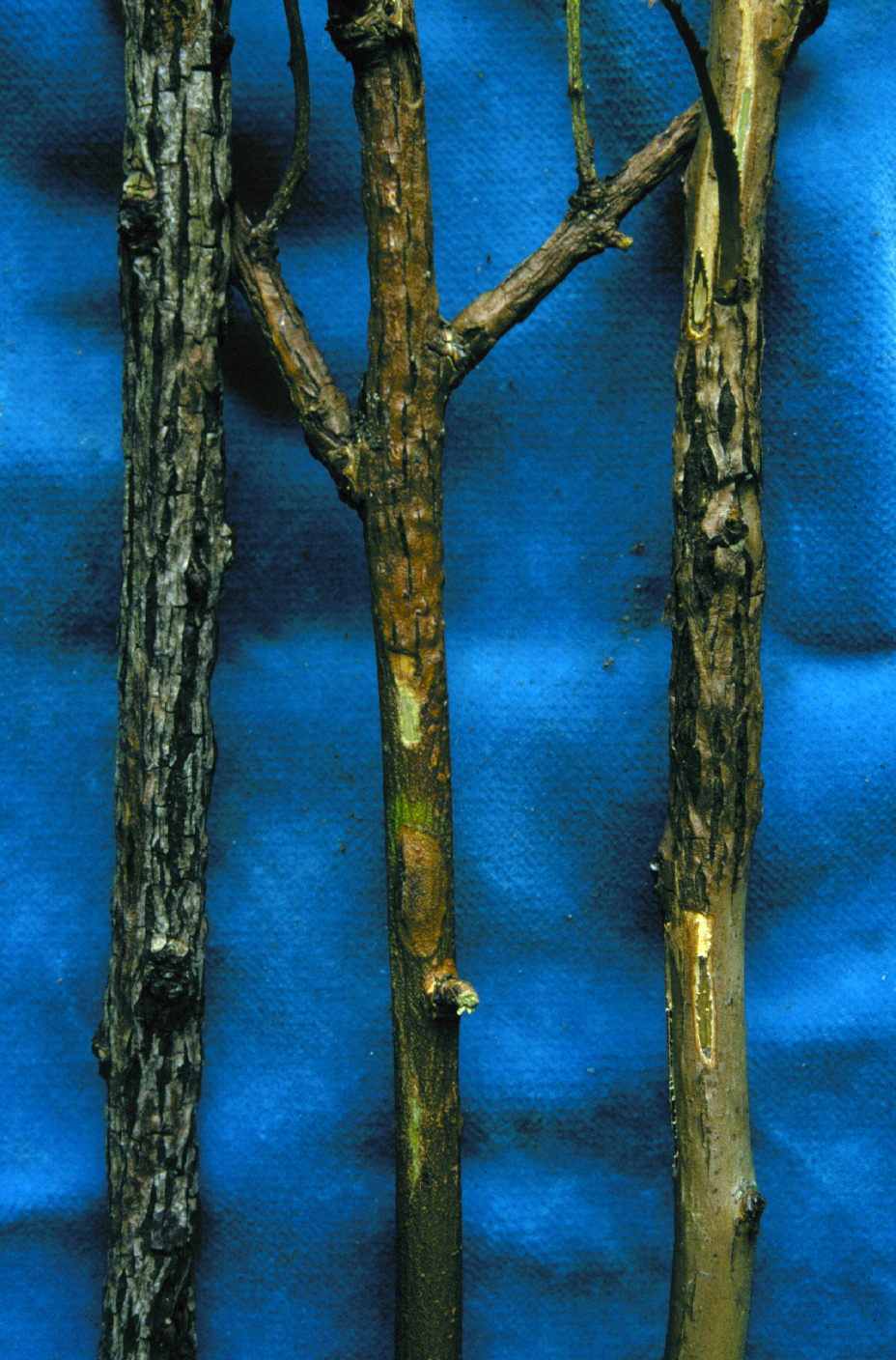
Image related to Blueberry (Vaccinium corymbosum)-Armillaria Root Rot