Plant Disease Management Handbook

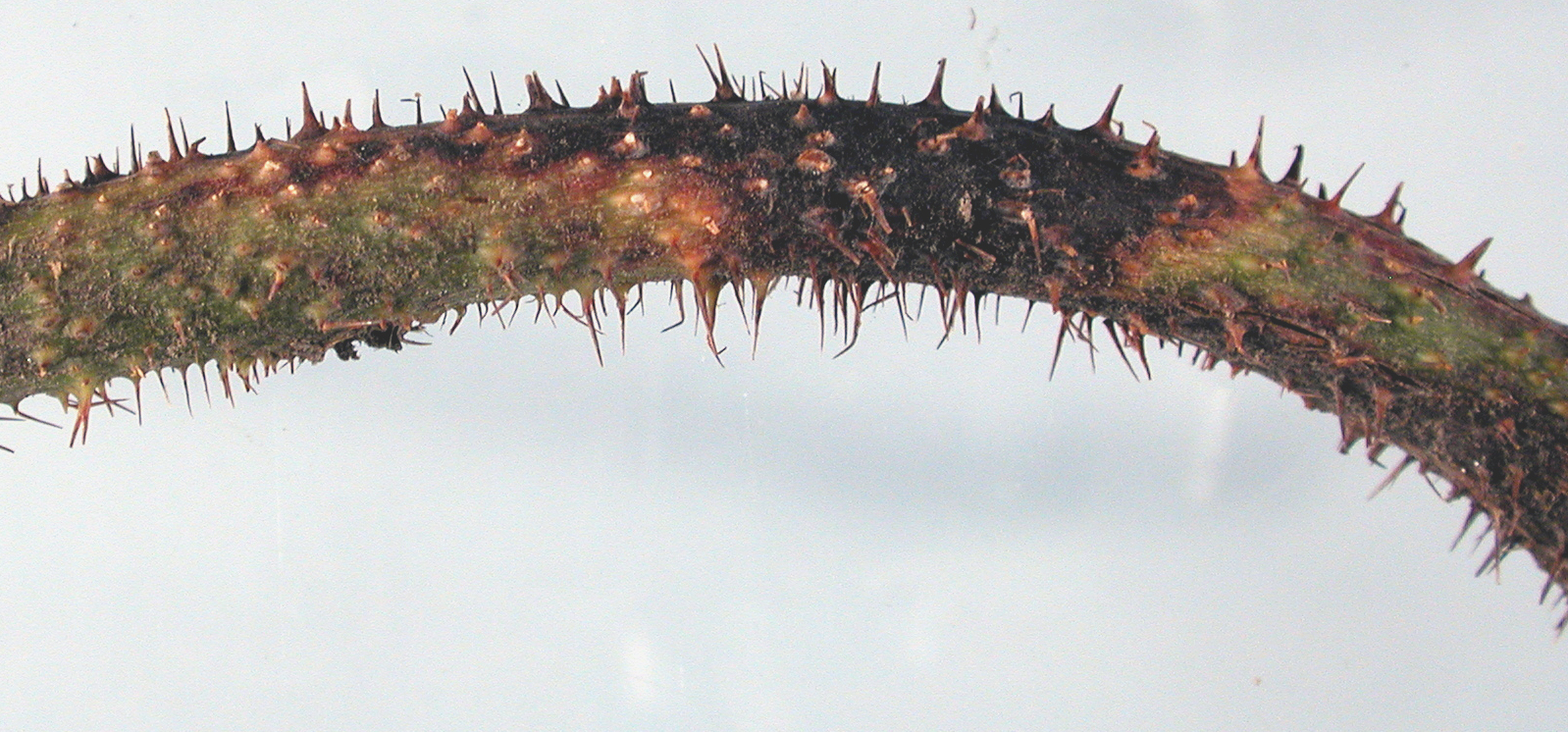
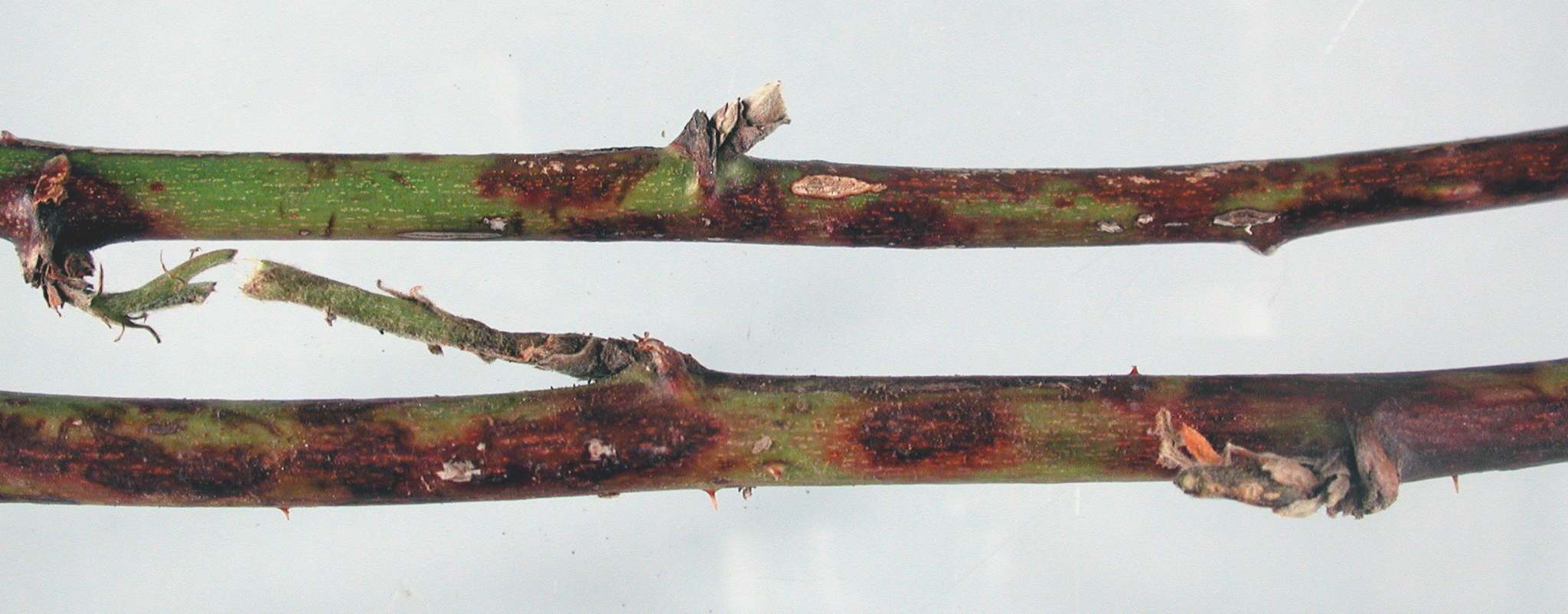
Cause Elsinoe necator, a fungus that overwinters on infected canes. Blackberry-raspberry hybrids such as 'Boysenberry' and 'Loganberry' are not often infected. The disease is not always severe enough to warrant the cost of spraying. This disease is particularly serious if rains continue late into spring, when spots on canes may be plentiful enough to retard sap flow, thus girdling the canes. Early-season infections are more severe than late-season infections.

Image related to Blackberry (Rubus spp.)-Anthracnose

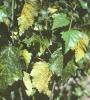
Cause Melampsoridium betulinum, a fungus. The alternate stage of the fungus causes a blister rust on larch. Both urediniospores on bud scales and teliospores on fallen leaves can overwinter and serve as a source of inoculum in the spring. Cool, wet weather favors disease development. In Oregon, the disease has been a problem principally in nurseries.

Image related to Birch (Betula spp.)-Rust
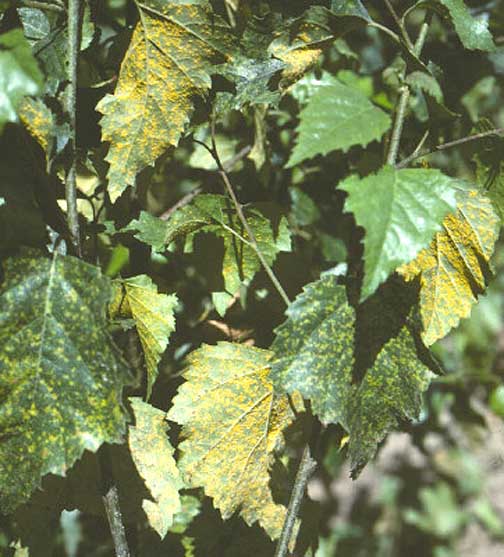
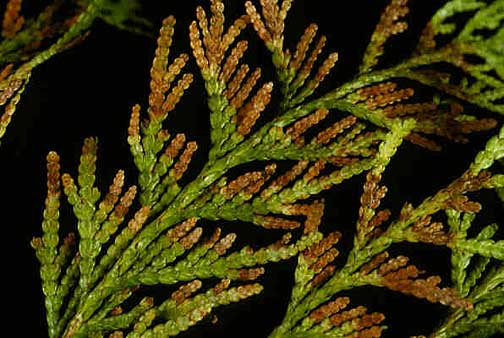
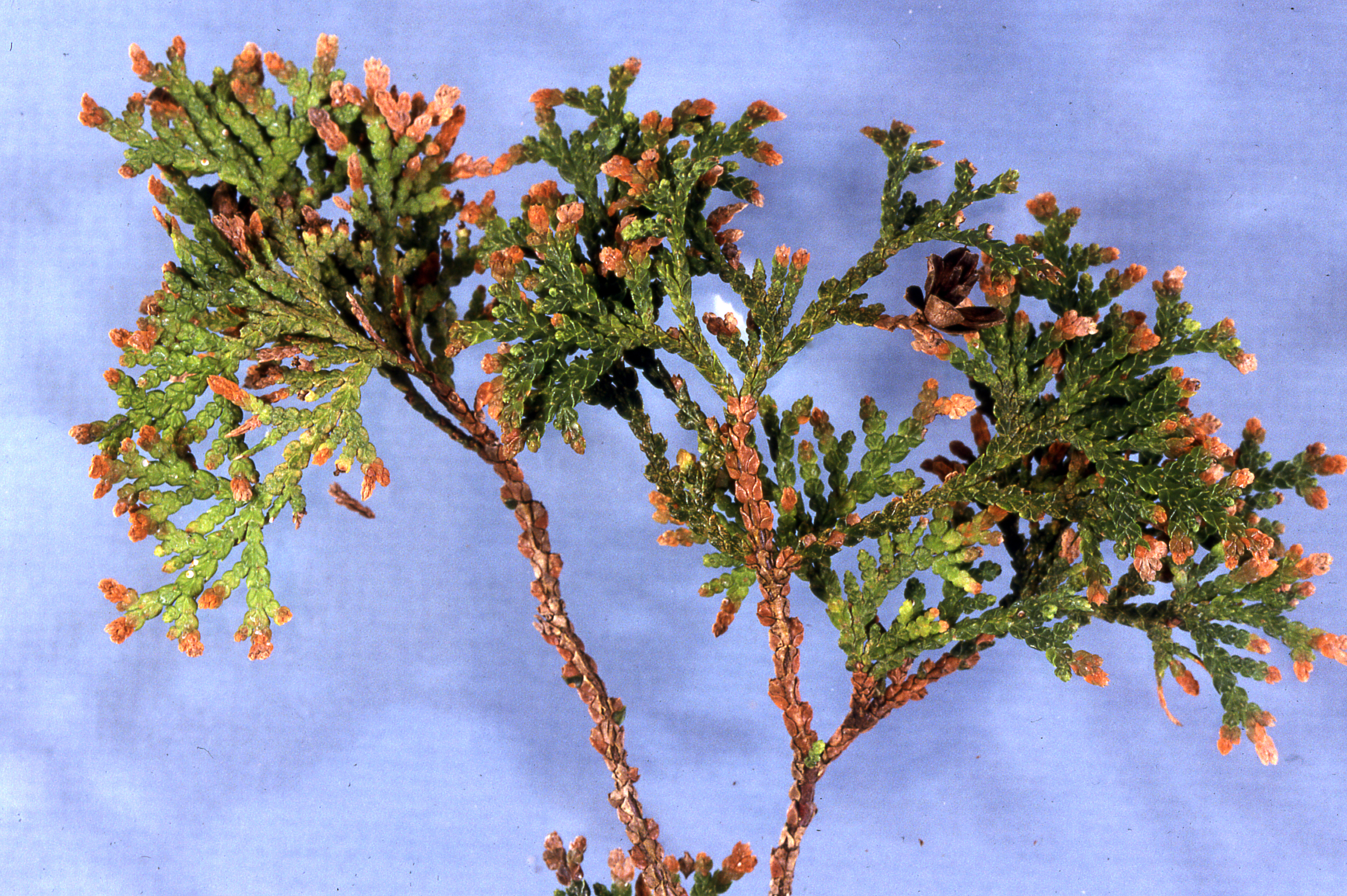
Image related to Berckmann's Arborvitae (Platycladus orientalis)-Berckmann's Blight

Cause Verticillium sp., a fungus, was only found twice on begonia by the OSU Plant Clinic in the late 50s and early 60s. There are few other records of this disease and is considered rare since the use of soilless media. The fungus is soilborne and survives in soil indefinitely. The fungus enters plant roots, invades the xylem system of the stem, and cuts off the water supply. Toxins are also produced, which, along with xylem occlusion, result in wilt symptoms.

Cause Erysiphe begoniicola (formerly Microsphaera begoniae), this fungus needs living tissue to grow and reproduce. It can be brought into a greenhouse on diseased plants. Temperatures of 70°F are optimal for colony development; however, temperatures >85°F are inhibitory to hyphal growth, sporulation and haustorial formation. More of a problem on Rieger begonia than wax begonia (B. semperflorens).

Image related to Begonia-Powdery Mildew

See:

Note Out of dozens of samples there has only been one that was diagnosed with odema by the OSU Plant Clinic.

Cause Aphelenchoides fragariae is a pest of various plants including anemone, African violet, begonia, chrysanthemum, coleus, ferns, geranium, gloxinia, hosta, iris, impatiens, lily, malva, orchids, peony, and phlox. Nematode infections are transferred to other areas and from one season to the next in planting stock or in desiccated plant parts. Foliar nematodes need a film of water to move across plant surfaces. They can enter leaves through stomata or wounds.

Cause Xanthomonas axonopodis pv. begoniae, a bacterium. Can survive in dead leaves at least 1 year and is favored by splashing water, overhead irrigation, and temperatures from 80°F to 90°F. The bacteria can enter injured roots or leaves and may not produce symptoms for weeks. Bacteria can also enter the leaf through hydathodes at the leaf margin. They can be spread through recycled irrigation water or handling of plants.

Image related to Begonia-Leaf Spot