Cause Although Armillaria root rot has been reported from all states, Phytophthora spp. have been sent into the OSU Plant Clinic several times.
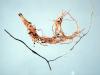
This Ceanothus 'Victoria' had branch dieback and root rot due to Phytophthora sp.
OSU Plant Clinic image, 2015.
Cause Several fungi have been found to cause leaf spots on Ceanothus in the Pacific Northwest. Blumeriellaceanothi (formerly Cylindrosporiumceanothi) and Septoriaceanothi have been reported and/or found from all states. Cercospora sp. has been found by the OSU Plant Clinic.
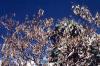
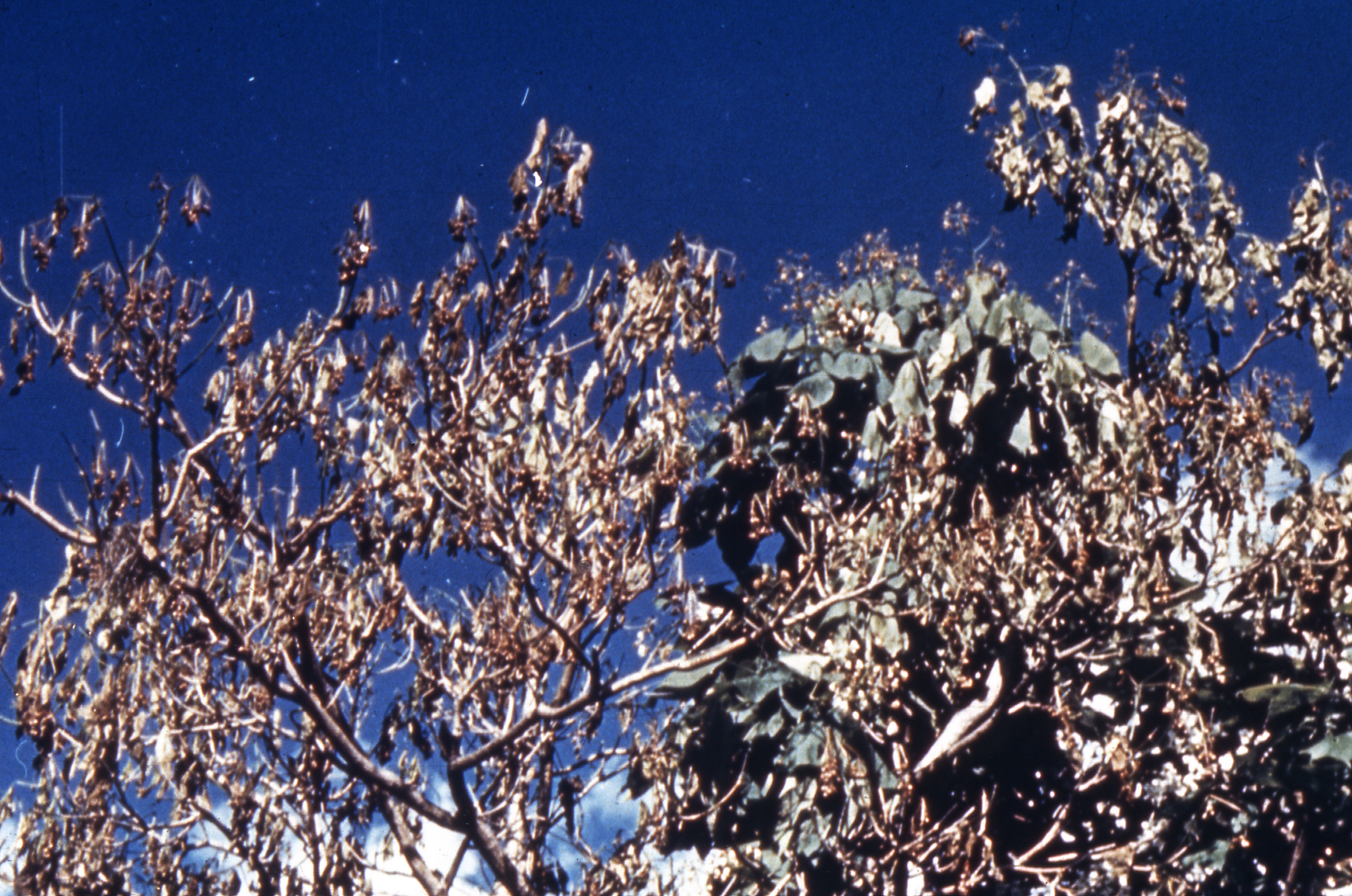
Trees may wilt and die suddenly or slowly over several years.
OSU Extension Plant Pathology Slide Set.
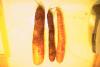
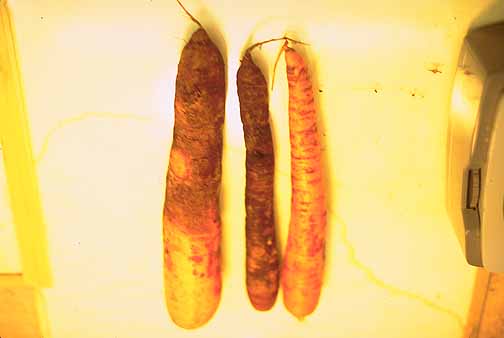
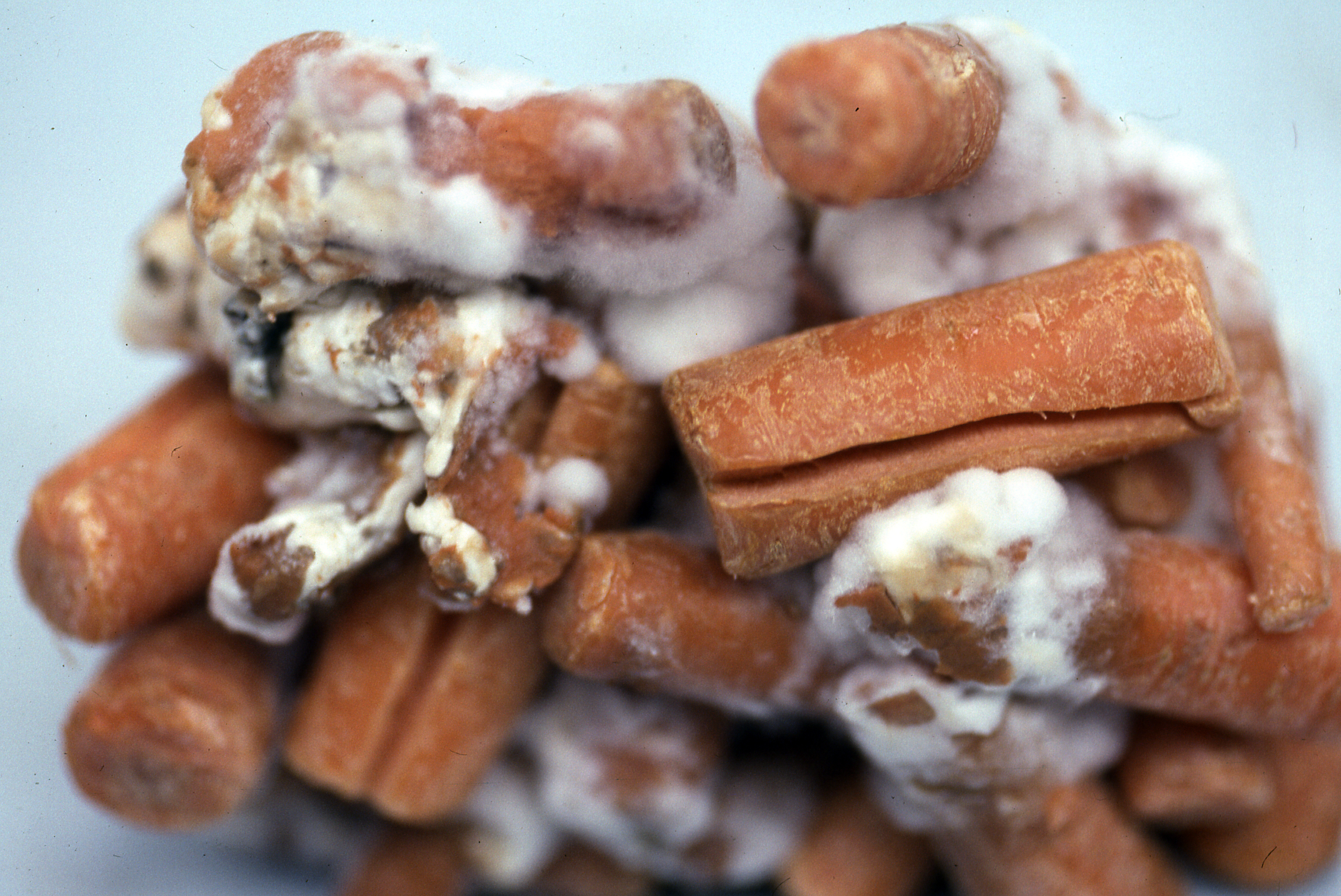
Cause Rhizoctoniacrocorum (teleomorph:Helicobasidiumpurpureum, syn. H. brebissonii), a soilborne fungus. In the Pacific Northwest, the disease has been a problem in some carrot fields.
Photo part of OSU Extension Plant Pathology Slide
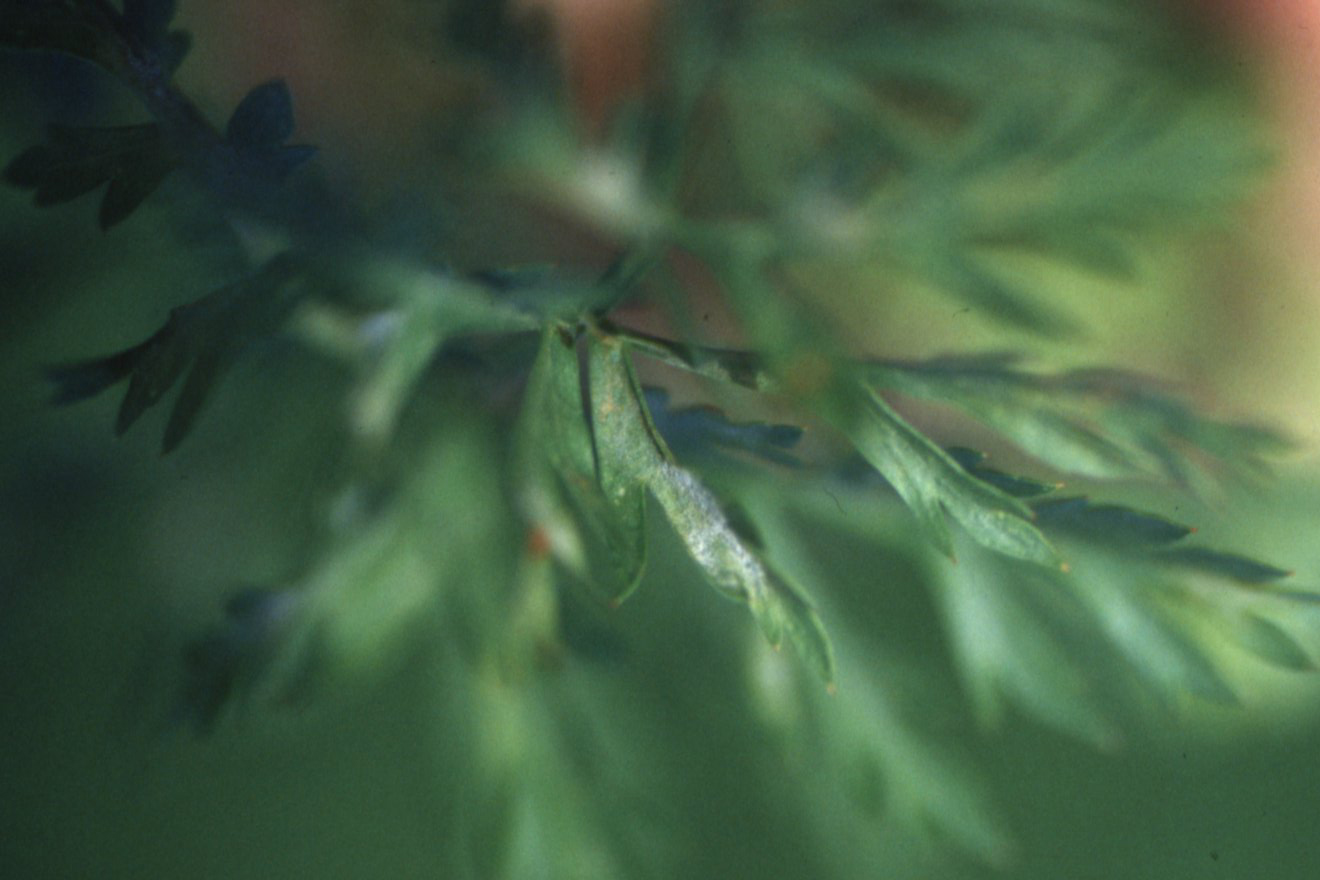
Cause Erysipheheraclei, a fungus. This disease can be found on fall-planted carrots and can overwinter on carrot seed crops. Another host plant is wild carrot. Some varieties, like Nantes and Imperator, appear more susceptible to the disease. Severe infection results in low yields and poor seed quality.
Patches of the white felt-like fungus appear on leaves.
Phil Hamm, 1992.
Cause Meloidogynehapla, a nematode that also attacks other vegetable crops. The Columbia root-knot nematode, M.chitwoodi, is not an economic problem on carrots. Root-knot nematodes are sedentary endoparasites; only second-stage juveniles (the infective state) and adult males (which may be rare) are in the soil.
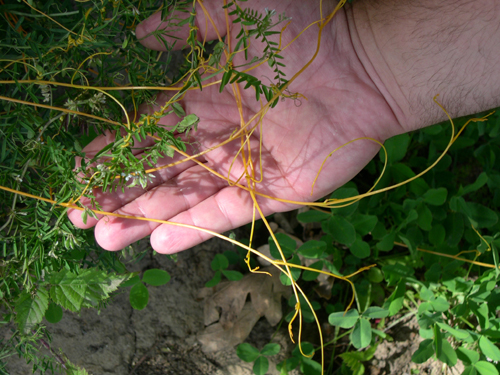
Cause Annual, parasitic seed plant belonging to the genus Cuscuta, which lives on carrots and other plants including commercial crops and weeds. Dodder plants consist of rootless, leafless stems that encircle and penetrate carrot stems, diverting host nutrients. Dodder is favored by high temperatures and full sunlight. Dodder seed can remain viable in the soil for 20 years.
Dodder colonizing a weedy host in the Willamette Valley, note the orange-colored threadlike stems of dodder.
Photo by C. M. Ocamb, 2007
Closer view of dodder, note the orange-colored threadlike stems of dodder.
Photo by C. M. Ocamb, 2007
Cause Mainly the fungus-like microorganism, Pythium spp., but also the fungi, Rhizoctonia sp. and Fusarium spp. These soilborne microorganisms are widespread and attack young and germinating seedlings of many plants.
Symptoms Seedlings attacked at ground level develop a water-soaked, discolored stem and topple over. Infected plants seldom recover.