Plant Disease Management Handbook

Cause Alternaria cucumerina is a fungus that overwinters on partly decayed melon plant refuse. It also may live in soil for short periods of time. The fungus is spread in infested soil or refuse, by wind and irrigation water, and also is transmitted by seed. Weak and senescent plants are more susceptible to infection.


Image related to Candytuft (Iberis spp.)-Botrytis Blight

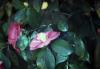
Cause Both a genetic variegation and a viral infection can produce this effect. Neither seems detrimental to the plant; some propagators even desire them. There are 3, maybe 4, different viruses that have been associated with this symptom and have been provisionally named camellia ring-spot associated virus 1 through 4. (Former names may include camellia leaf yellow mottle virus or camellia infectious variegation virus). These virus particles are flexuous and filamentous.

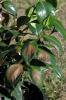
Cause Leaves facing the south and southwest are most likely to show sunburn. New leaves exposed to high radiation following periods of cool, cloudy weather are at high risk for injury. Newly transplanted bushes may also be of increased risk of developing sunburn. Cold clear winter weather can also be conducive to sunscald.

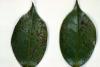
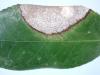
Symptoms Necrotic lesions on sun-exposed Camellia leaves. Brown necrotic areas may have grayish centers and/or with yellowish borders.

Image related to Camellia-Sunburn

Cause Saprophytic fungi that live on the excrement of cottony camellia scale and soft brown scale, common camellia insect pests. The fungus Atichia glomerulosa (sexual Seuratia millardetii) called false sooty mold has been found in Washington. This fungus lacks hyphae, is not parasitic and does not seem to be associated with scale insects.

Image related to Camellia-Ramorum Leaf Blight and Shoot Dieback