Plant Disease Management Handbook

See:

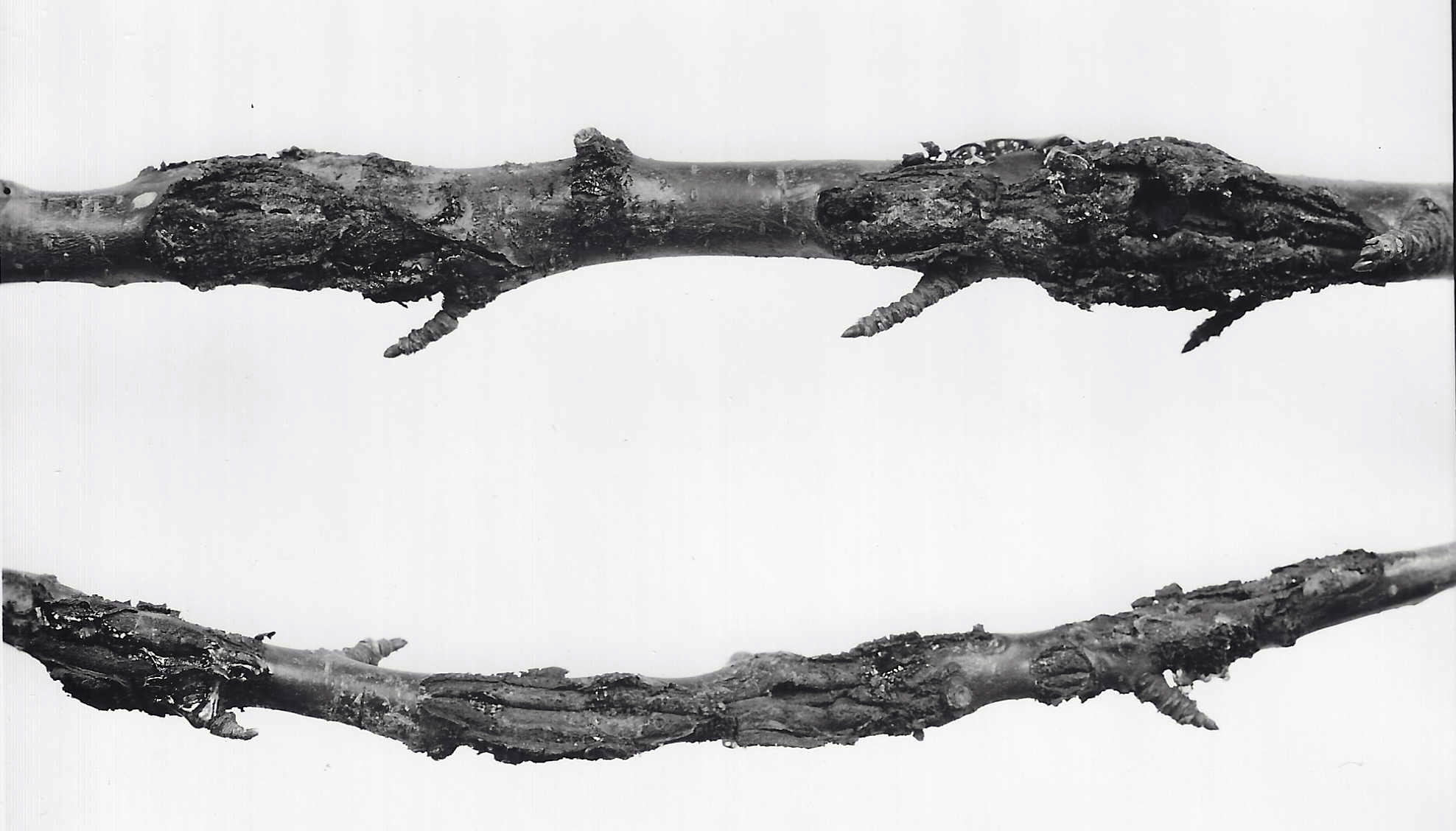
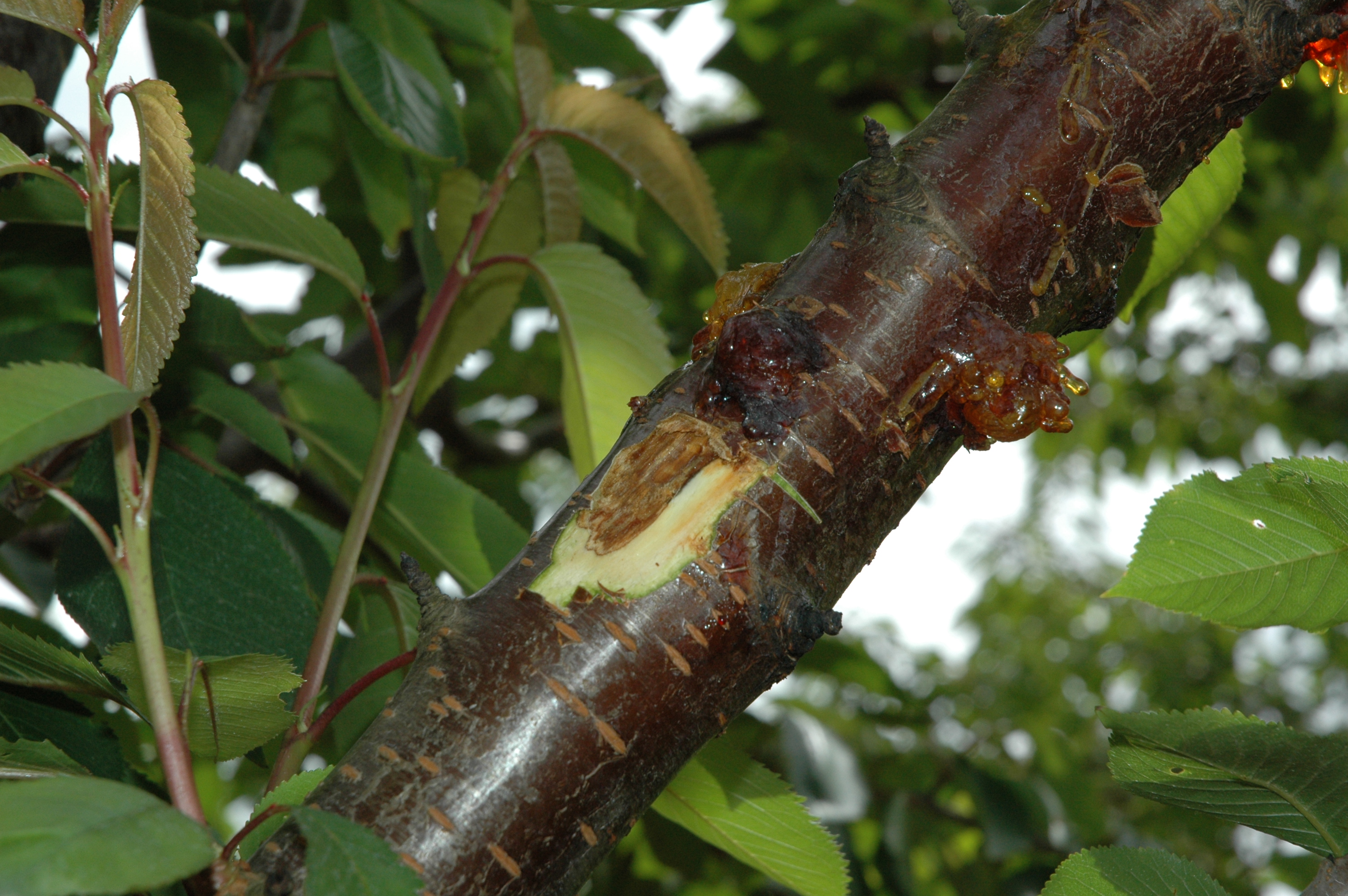
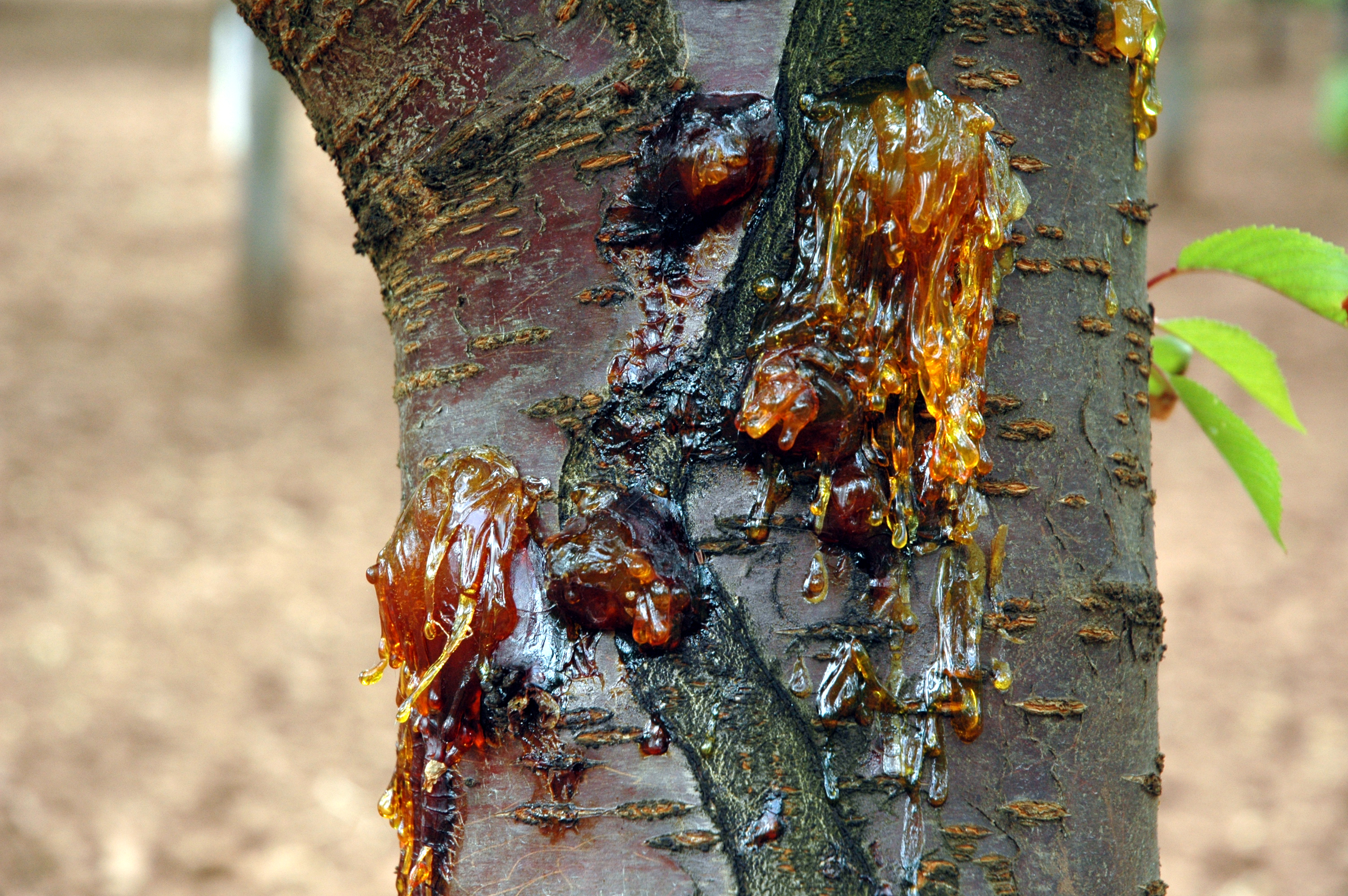
Notes Cytospora canker, also known as Leucostoma canker or Valsa canker, has been the most prevalent canker disease on cherry after bacterial canker. Cytospora spp. have a wide host range and can infect virtually all stone fruit and pome fruit trees.
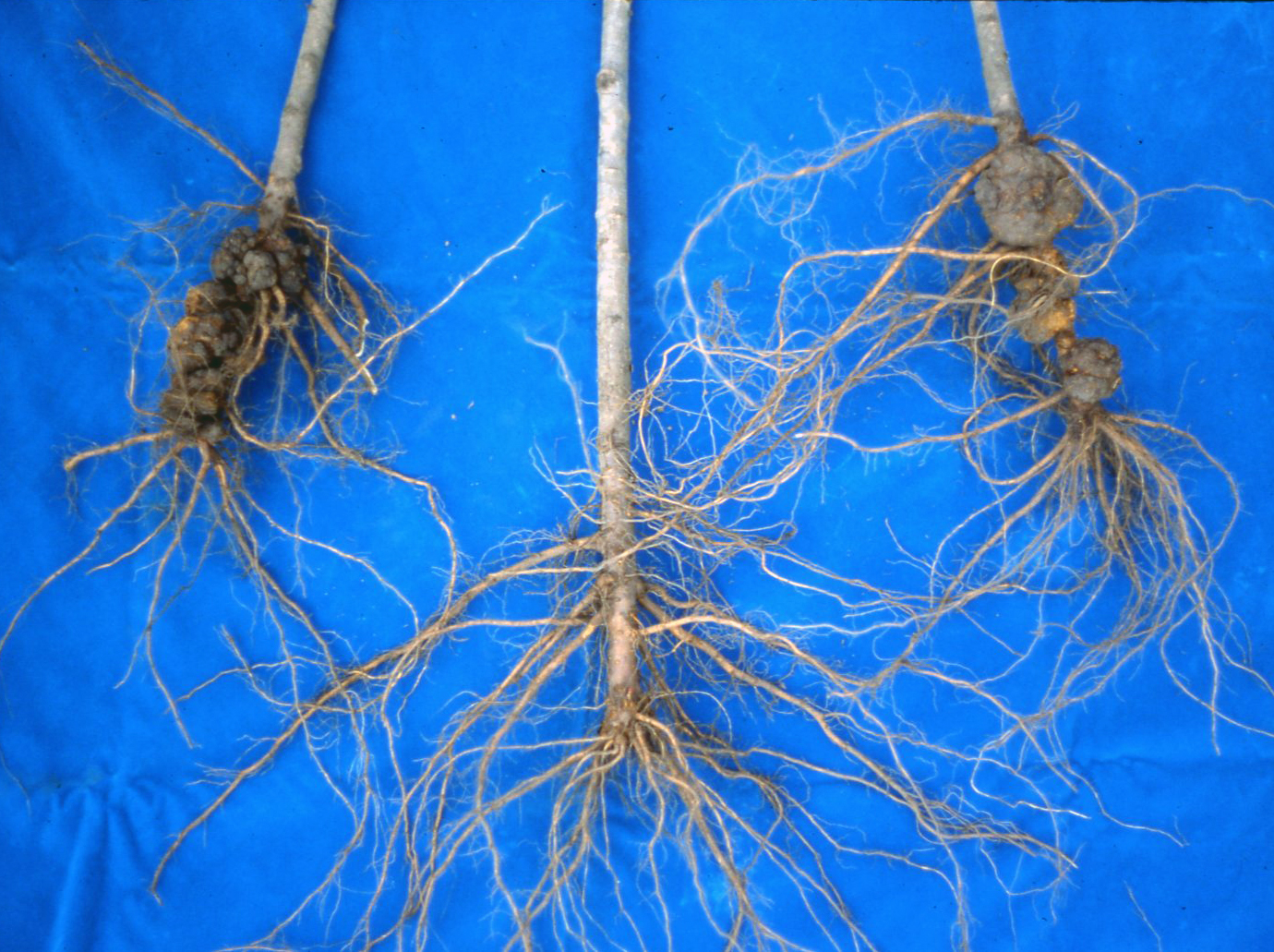
Cause Rhizobium radiobacter (formerly Agrobacterium tumefaciens), a bacterium that lives for several years in soil, often spreading from diseased nursery stock. It also may be moved by irrigation water or cultivation equipment.

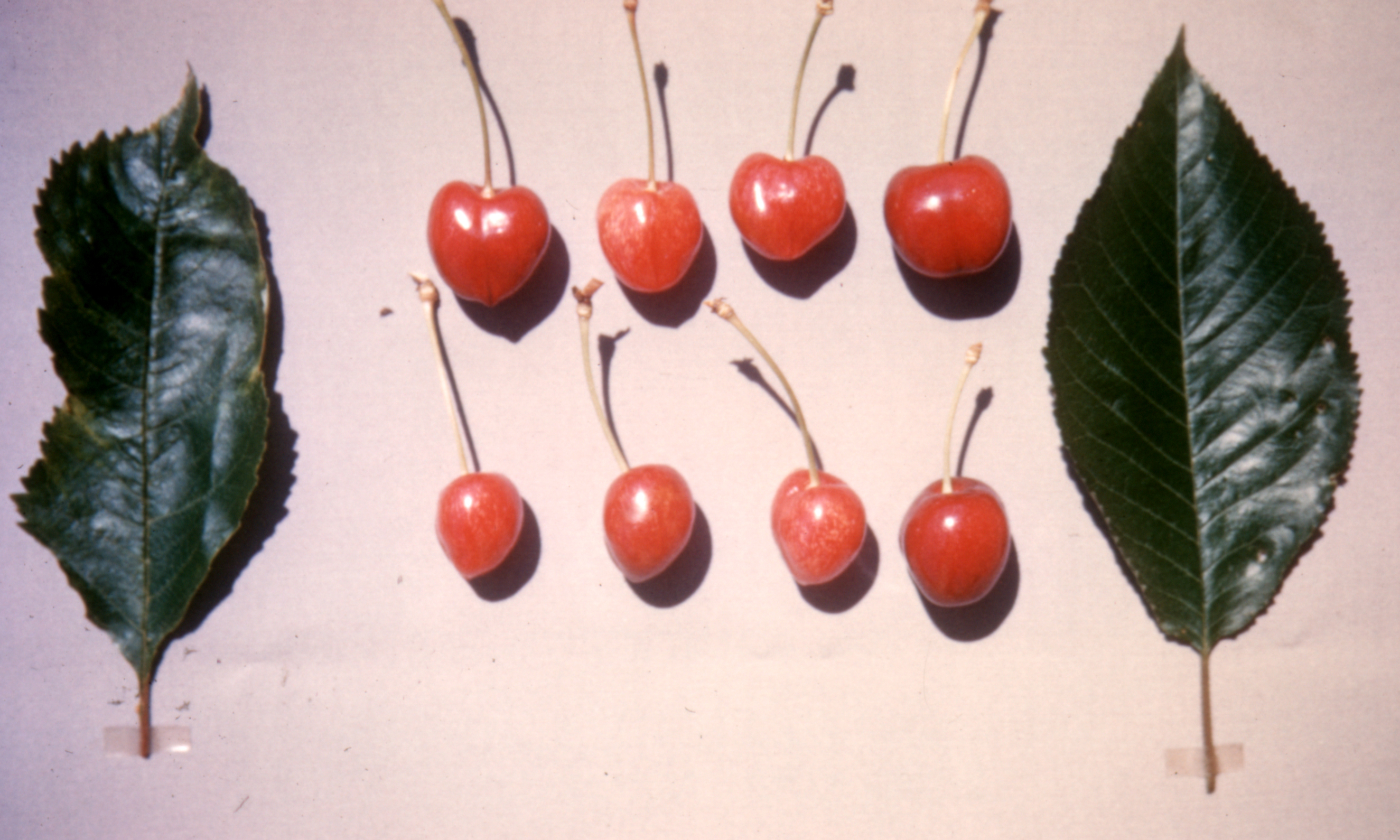
Cause Believed to be of genetic origin. These disorders are bud propagated but not graft transmissible. Crinkle leaf, commonly found in the cultivars Bing and Black Tartarian, will reduce yields. Severely affected fruit with either disease is not marketable. These diseases were found on Bing in The Dalles area of Oregon in the mid-20th century.

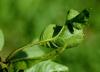
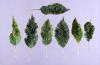
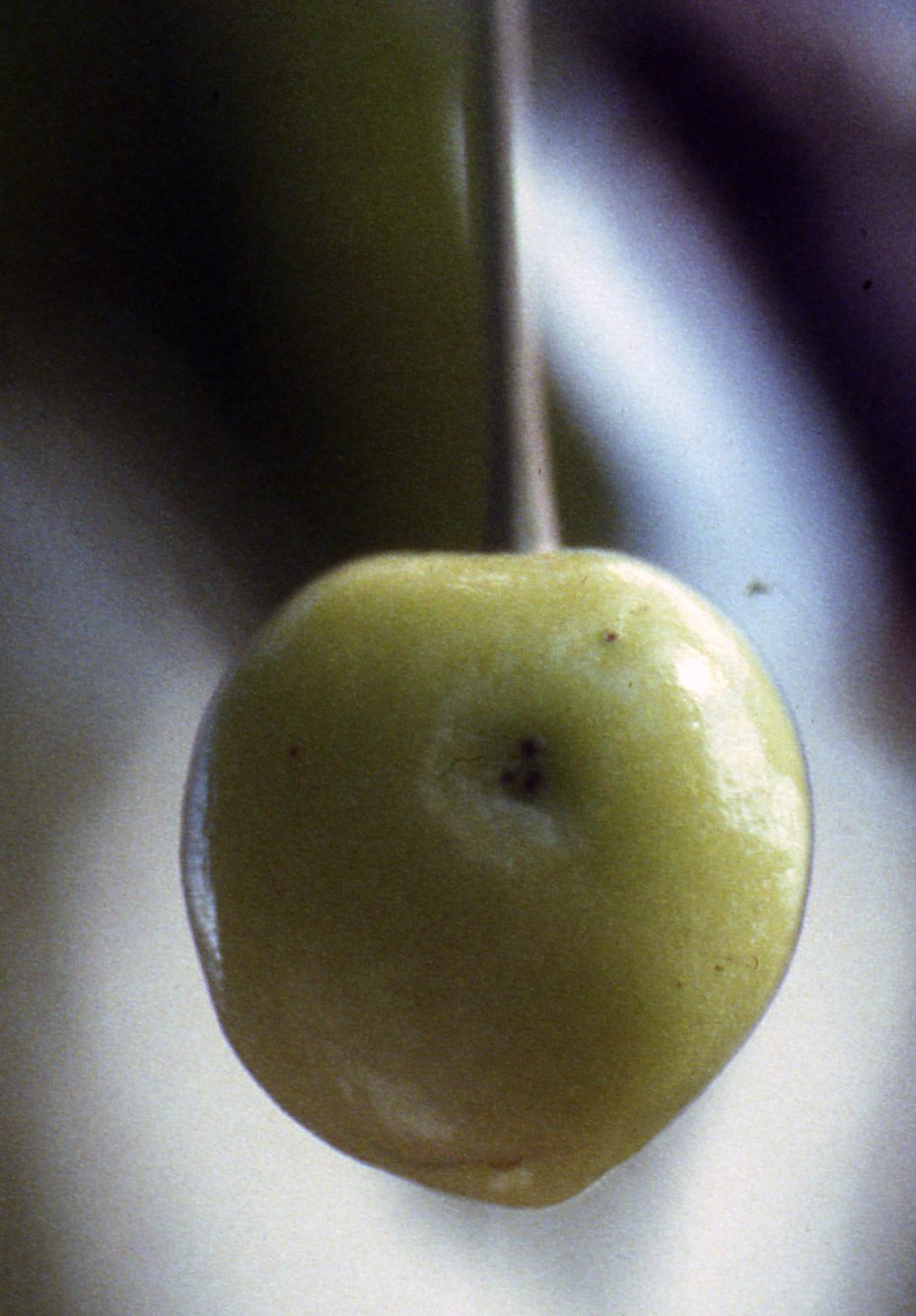
Cause Cherry twisted leaf-associated virus has been reported from Washington, Idaho, and British Columbia and found in the Willamette Valley and The Dalles, Oregon. The disease is not common and occurs irregularly in the Pacific Northwest. It is easily transmitted by budding, grafting, or chip budding. The disease spreads in the orchard but there are no known vectors. 'Bing' and 'Rainer' are susceptible as is western chokecherry. Apricot Ring Pox disease is caused by the same virus.

Image related to Cherry (Prunus spp.)-Cherry Twisted Leaf

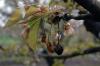
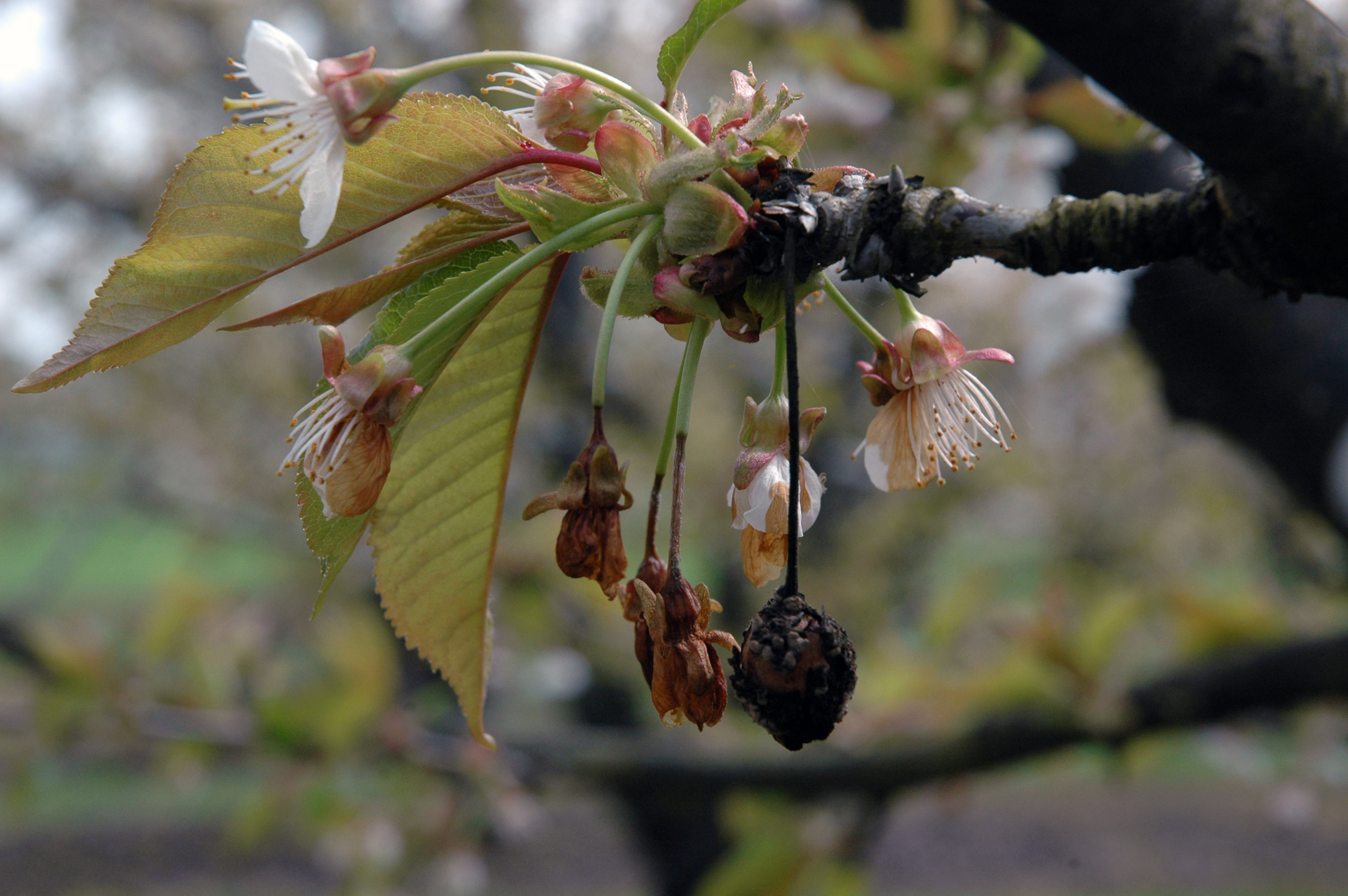
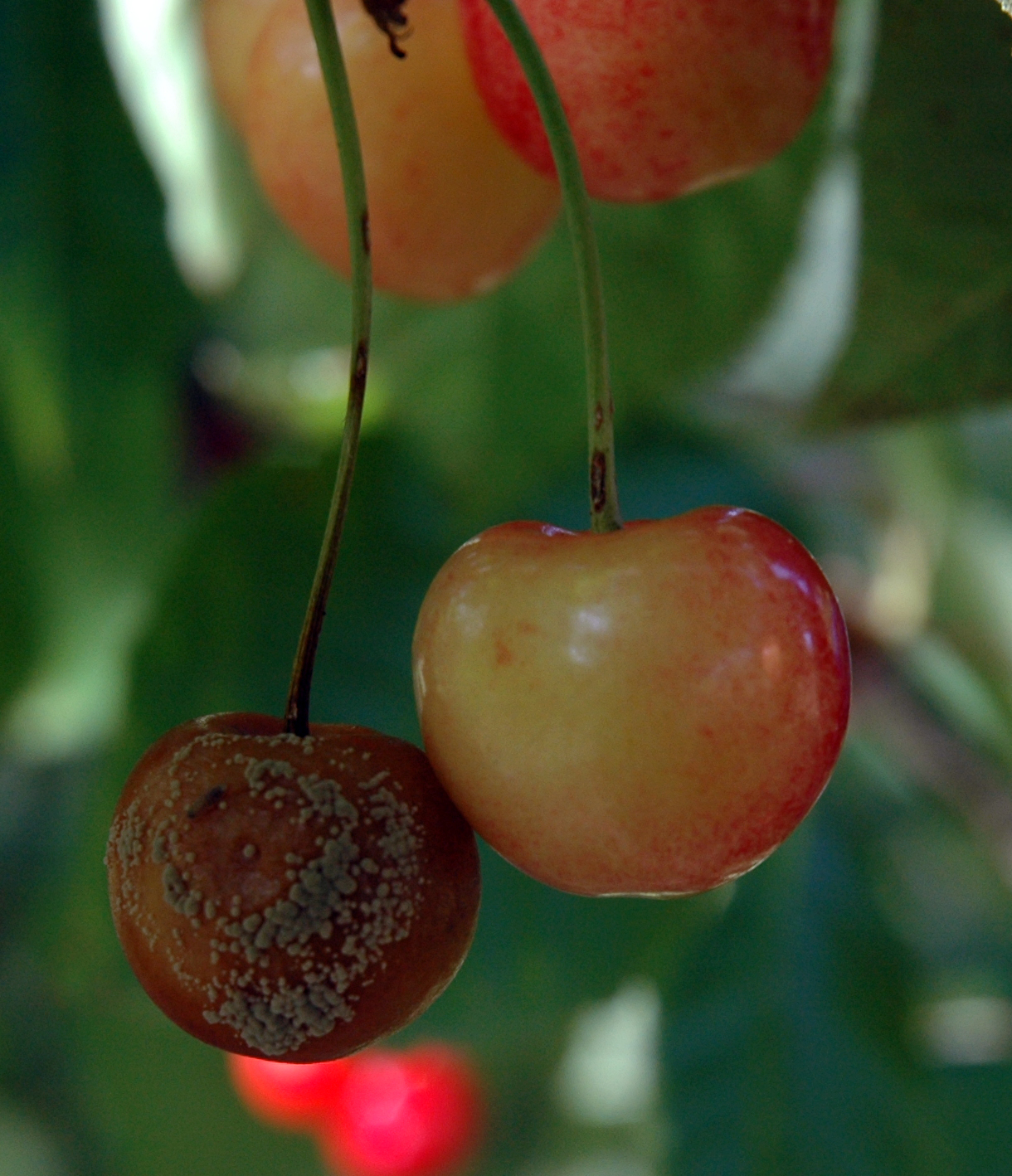
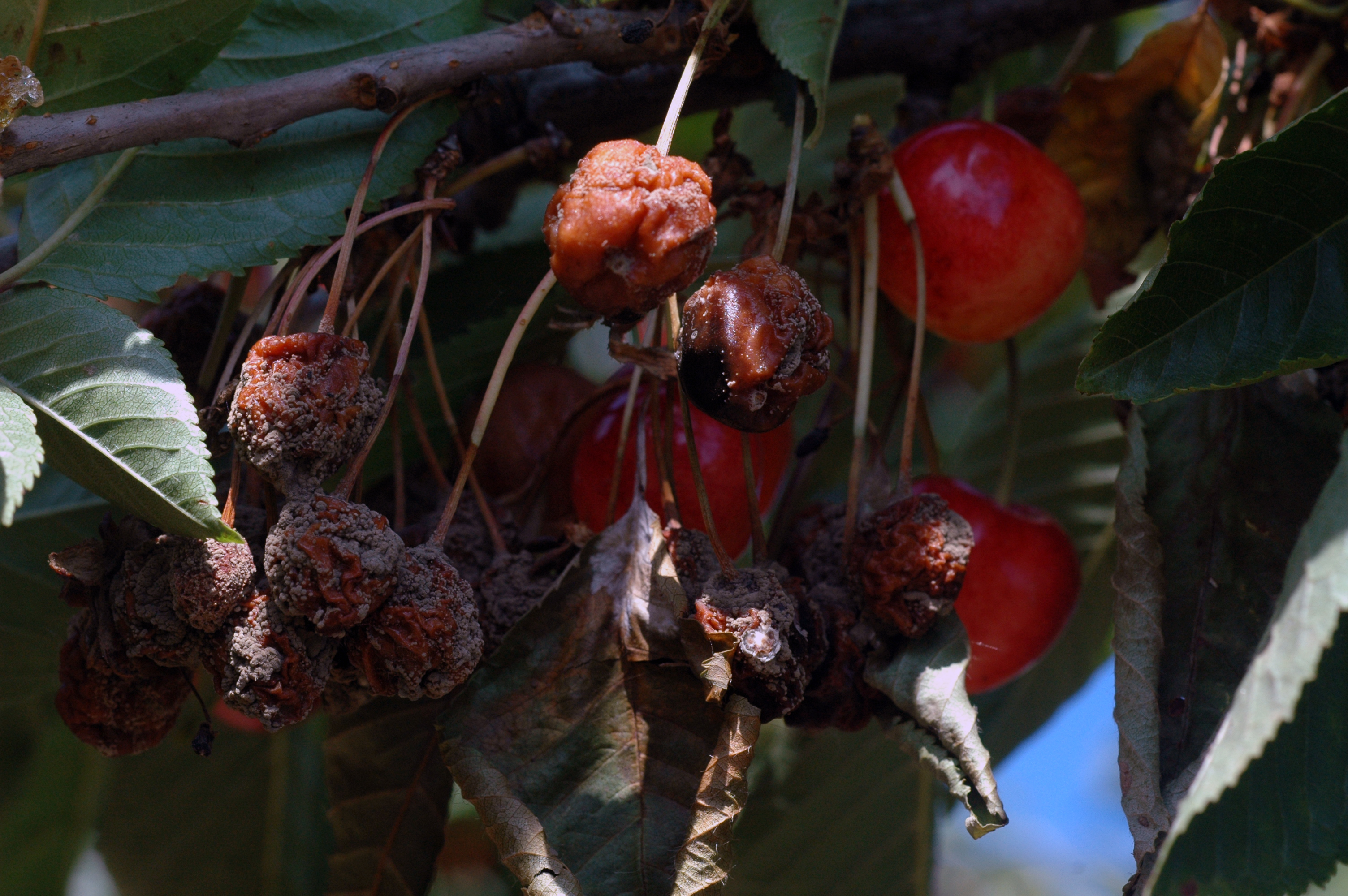
Cause The fungi Monilinia fructicola and M. laxa can incite a blossom blight, a twig and branch dieback, and a fruit rot of several Prunus spp. including many ornamental and fruit trees. Fungi survive year to year on infected twigs, branches, old flower parts, or mummified fruit.

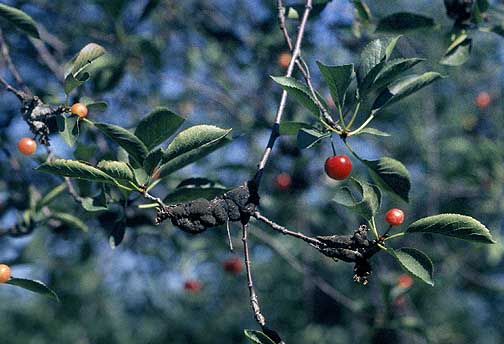
Cause Apiosporina morbosa (formerly Dibotryon morbosum), a fungus. The disease is seen occasionally on wild and cultivated native Prunus spp. (plum, chokecherry, etc.) in eastern and southern Oregon and northeastern Washington. It has also been observed on understory trees in the Mt.
Cause An uncharacterized graft-transmissible pathogen, probably a virus spread in nursery propagation. In 1959, the disease was described as fairly common in older 'Royal Ann' plantings throughout Oregon. The most severely affected cultivar is Royal Ann, but the disease has also been observed in Bing, Republican, and Deacon.

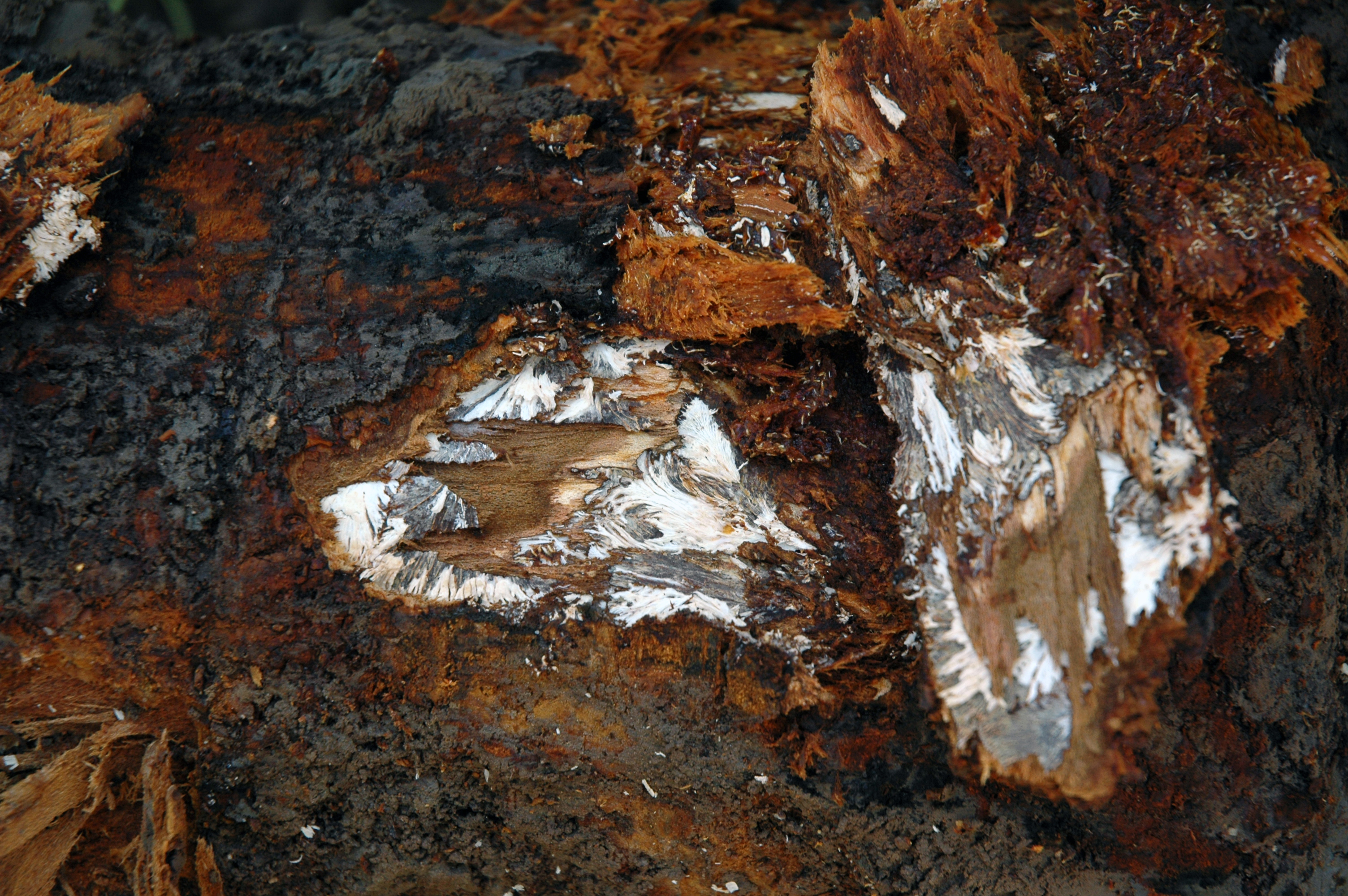
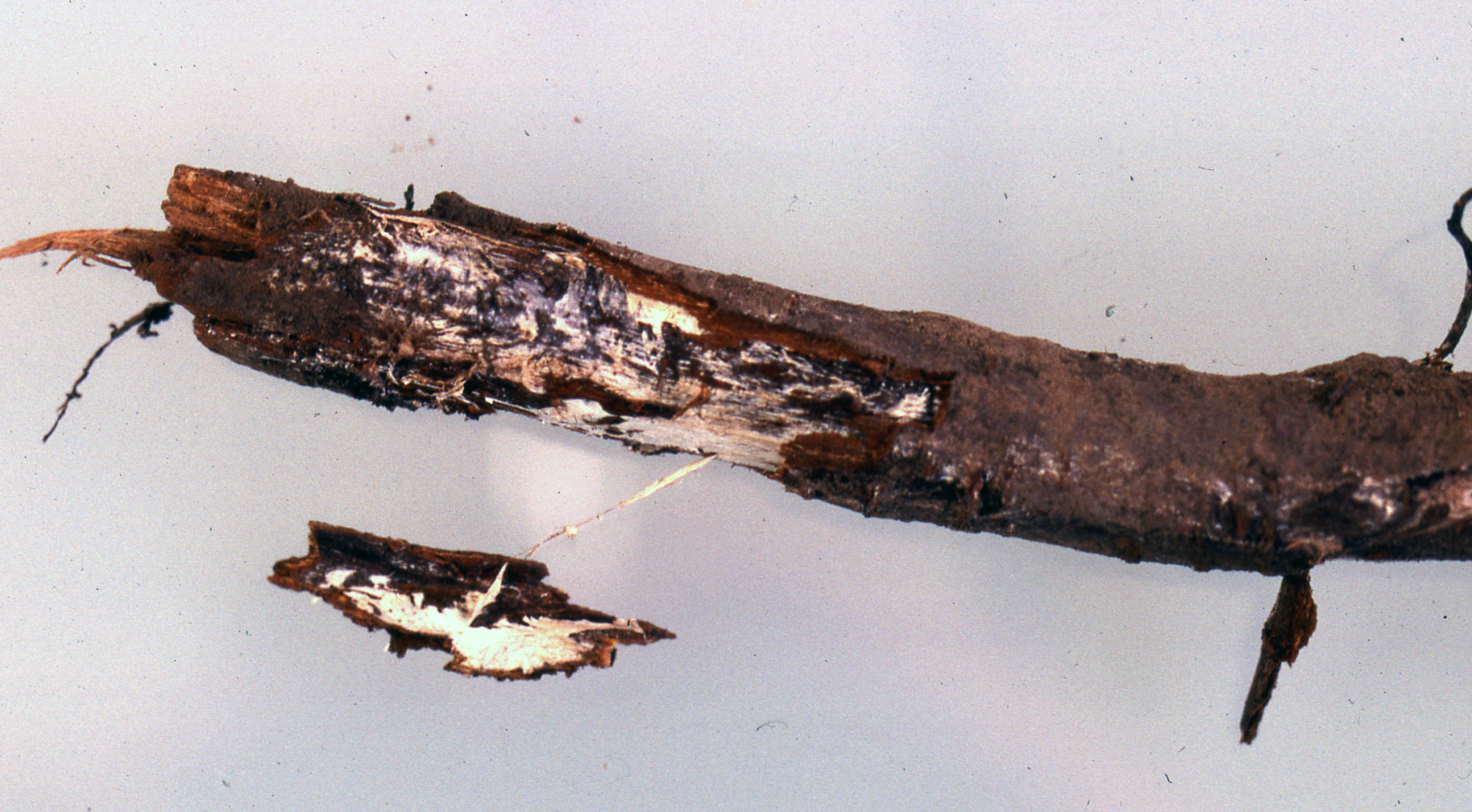
Cause Armillaria mellea, a fungus, infects tree roots, killing the cambium and decaying the underlying xylem. Often found on newly cleared land but also commercial orchards, this root pathogen is native to the Pacific Northwest where it occurs on the roots of many woody perennials including native trees and agricultural hosts.