Plant Disease Management Handbook

Cause Puccinia cyani (var. sublevis), a fungus, has been reported on Centaurea from Washington and Oregon. It has been suggested that this rust was imported on seed from Europe, with subsequent abundant local spread either aerially or with the seed. The fungus can complete its life cycle on this host. Airborne spores are spread from living tissue.

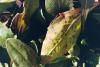
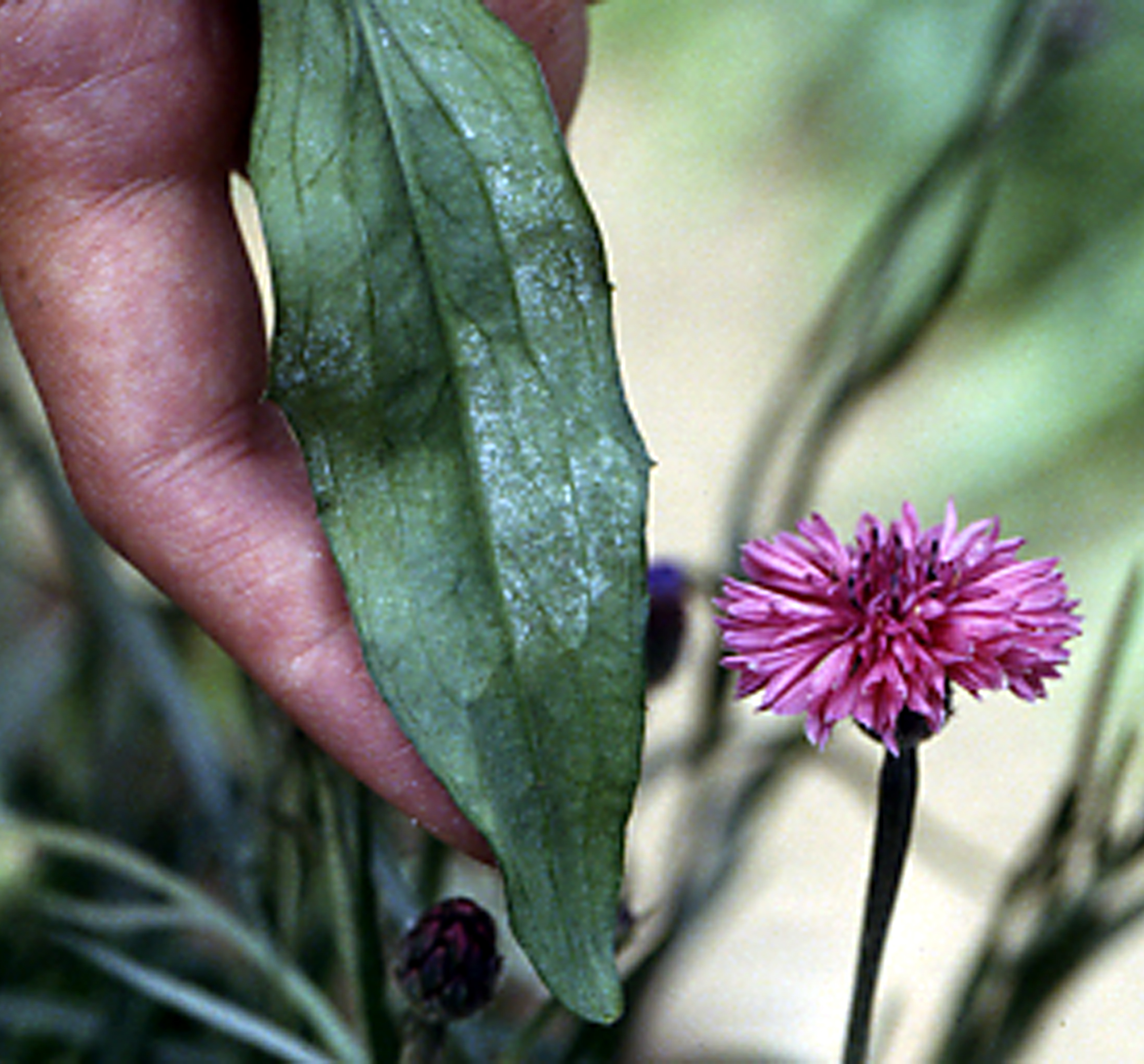
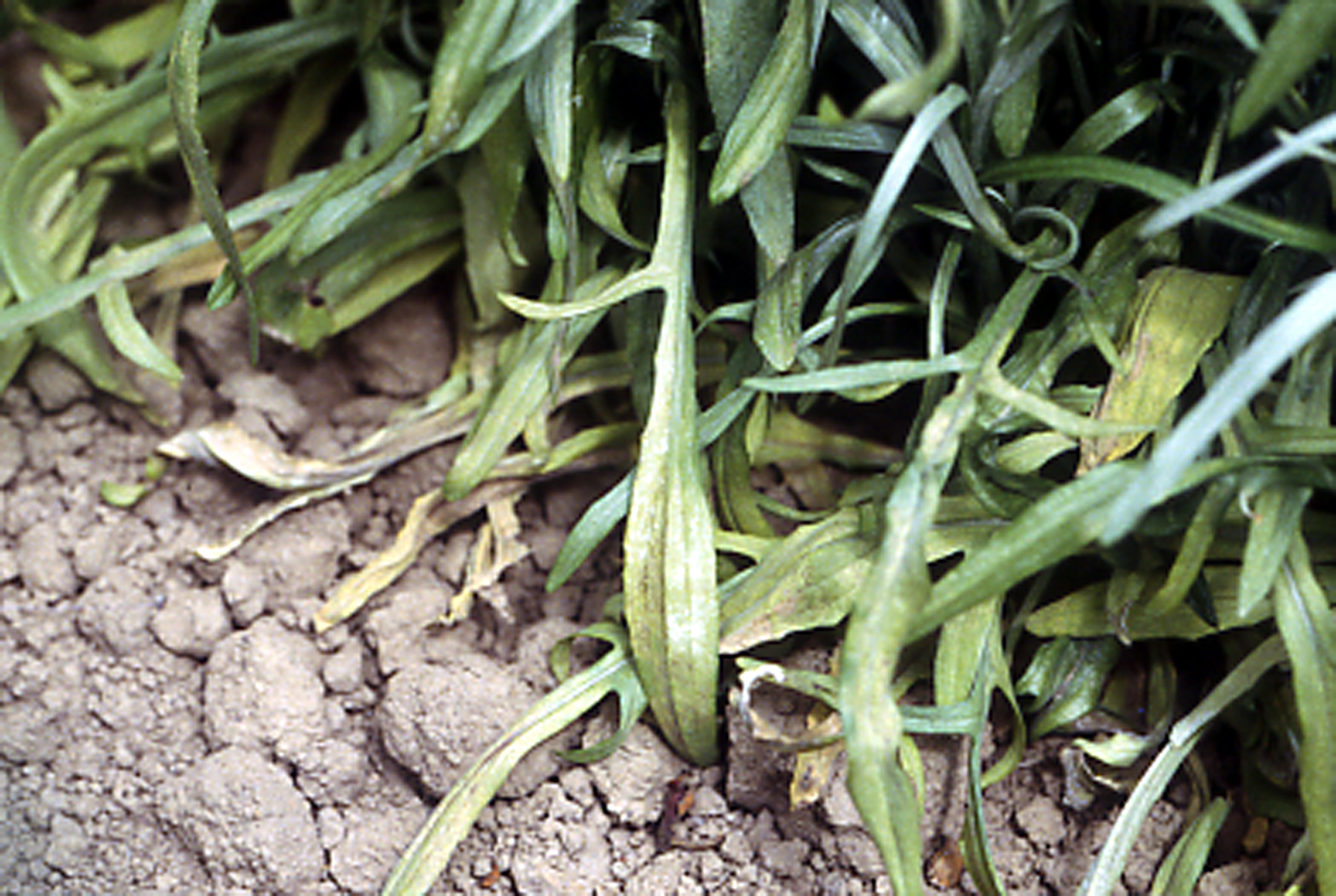
Cause Bremia lactucae, has been reported from Oregon and found by the OSU Plant Clinic but not Plasmopara halstedii, which can also cause downy mildew. The name Bremia centaureae has been reported from California. These fungi overwinter on wild host species in the Asteraceae family or in plant debris left in the soil.

Image related to Centaurea cyanus (Bachelor's Button)-Downy Mildew

Cause Pectobacterium carotovorum subsp. carotovorum (syn. Erwinia carotovora subsp. carotovora) or Pseudomonas marginalis, bacterial organisms in soil and on rotten vegetative material. Soft rot follows bruising, freezing, insect damage, or black heart.

Cause Septoria apiicola (syn. = S. apiis, = S. apii-graveolentis), a fungus. The disease overwinters on dead celery plant parts. The fungus is introduced in plantings primarily through infected seed. Fungus in the seed dies within 2 years; thus, seed should be pathogen-free after that.

Image related to Celery (Apium graveolens var. dulce)-Late Blight (Septoria Leaf Blight)

Cause Fusarium oxysporum f. sp. apii, race 2. This is a soilborne fungus that has been spreading throughout the celery-growing areas of North America since it was first seen in California in 1975. Before that, Fusarium yellows affected only yellow, self-blanching varieties of celery.

Cause Cercospora apii is a fungus that probably lives in infected celery refuse from previous years. Early blight is seldom a problem in Oregon. Wet weather favors spore production.

Image related to Celery (Apium graveolens var. dulce)-Early Blight (Cercospora Blight)

Cause A deficiency of boron in the plant.

Symptoms A transverse cracking of the epidermis sometimes occurs over the entire mature petiole. Epidermal layers turn a brownish black, and tissue immediately beneath turns brown. This characteristic symptom may be accompanied by leaf mottling, root browning and dying, brittleness, and some brown, shallow, longitudinal streaking of the fleshy petiole.

Cultural control

Cause Sclerotinia sclerotiorum is a cosmopolitan fungus that occurs across the globe, infecting a very large number of plant species including radish and Brassica crops. Other susceptible host plants include bean, carrot, pea, lettuce, potato, green pepper, cucurbits, parsnip, radish, sunflower, herbs including mint, fruit trees including apple, nectarine, and sweet cherry, and a large number of ornamentals both woody and herbaceous.

Image related to Celery (Apium graveolens var. dulce)-Cottony Rot/Pink Rot (Sclerotinia)

Cause Calcium deficiency causes this abiotic disease associated with growth conditions, particularly soil moisture. Sudden flooding after a long dry period frequently induces black heart. The disease does not appear in crops grown at a continuously low or uniform moisture level. Soil aeration is important, particularly when soil moisture rapidly increases to saturation.