Plant Disease Management Handbook

Cause A bacterium, Pseudomonas syringae pv. apii, that overwinters in celery refuse and on celery seed.

Symptoms At first, a water-soaked spot appears on leaves and becomes bright yellow. The center of the spot gradually turns into a brown, necrotic spot with a yellow halo.

Cultural control

Image related to Celery (Apium graveolens var. dulce)-Bacterial Leaf Spot

Cause Didymascella thujina, a fungus. Although the disease is found mostly in warm-moist environments typical of coastal low elevations of the Pacific Northwest, the pathogen is endemic to North America and found throughout the natural range of western red cedar. Spore discharge from wetted apothecia begins in late spring and increases gradually during the summer, reaching a peak between late August and early November.

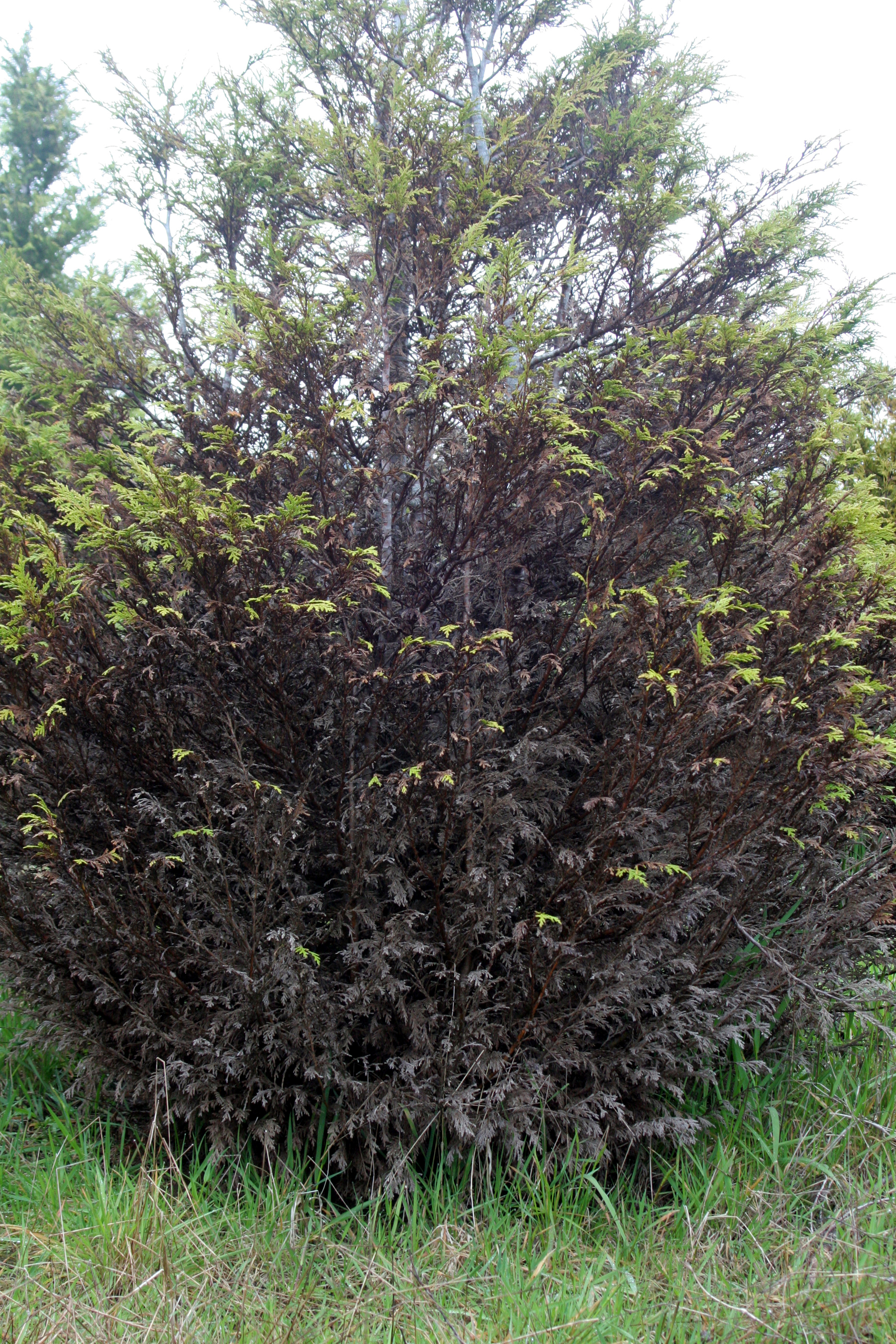
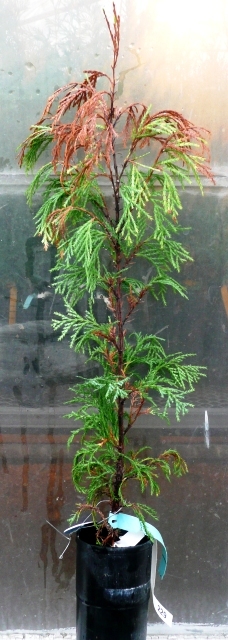
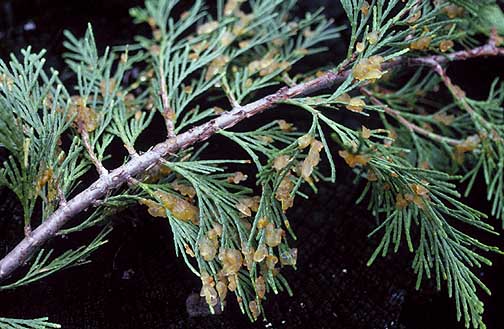
Cause Pseudocercospora thujina (formerly Stigmina thujina) causes a common fungal blight on Port Orford cedar (POC). Seedstock collected from watersheds nearest to the coast, from more northern latitudes, and lower elevations developed less severe symptoms.

Image related to Cedar, Port-Orford (Chamaecyparis lawsoniana)-Stigmina Blight

See:

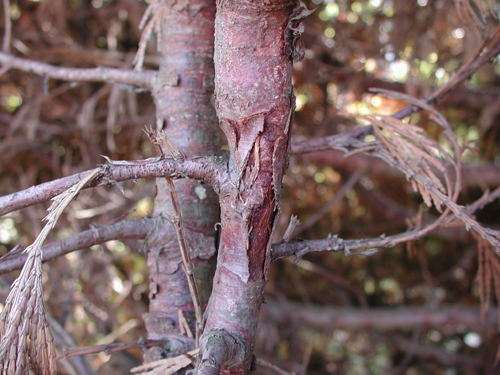
Notes: Seiridium cardinale is the usual fungus but a different species of Seiridium may be involved with cankers of Port Orford cedar in Oregon.

Image related to Cedar, Port-Orford (Chamaecyparis lawsoniana)-Seiridium Canker

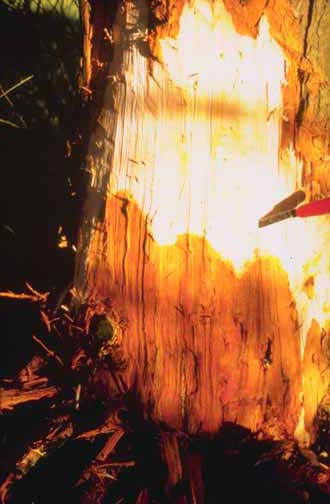
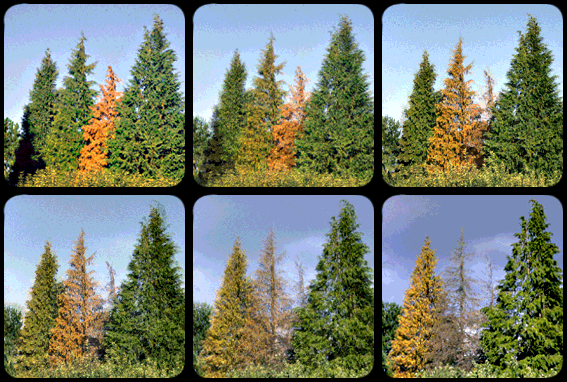
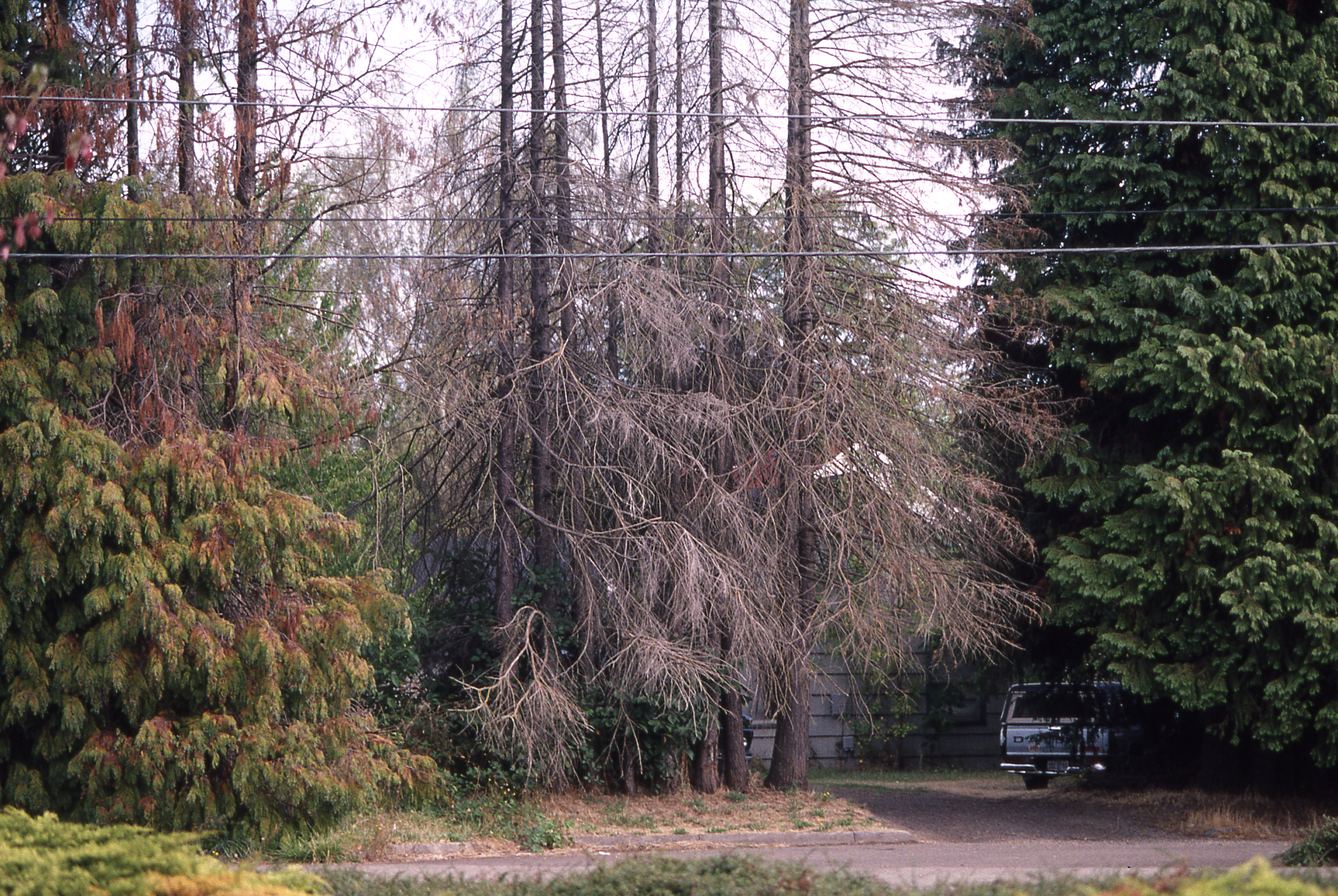
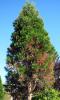
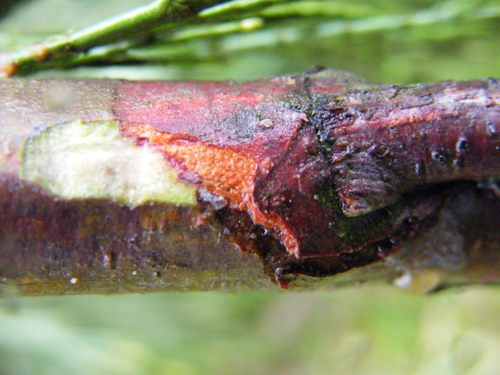
Cause The fungus-like microorganisms Phytophthora lateralis and P. cinnamomi kill Port Orford cedar seedlings and trees. The disease was found in nursery stock in 1923 and has since spread throughout the Pacific Northwest, in the tree's native range, southwest Oregon, and in landscapes with extensive hedgerows. Spread into the southwest Oregon mountains has been slow but progressive.

See:

Notes: Armillaria root rot is a problem mostly in the forest. It could also be a problem in the landscape if trees are planted in new home sites recently cleared of native vegetation. Avoid wounding roots and overwatering in landscape settings.
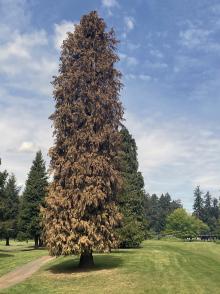
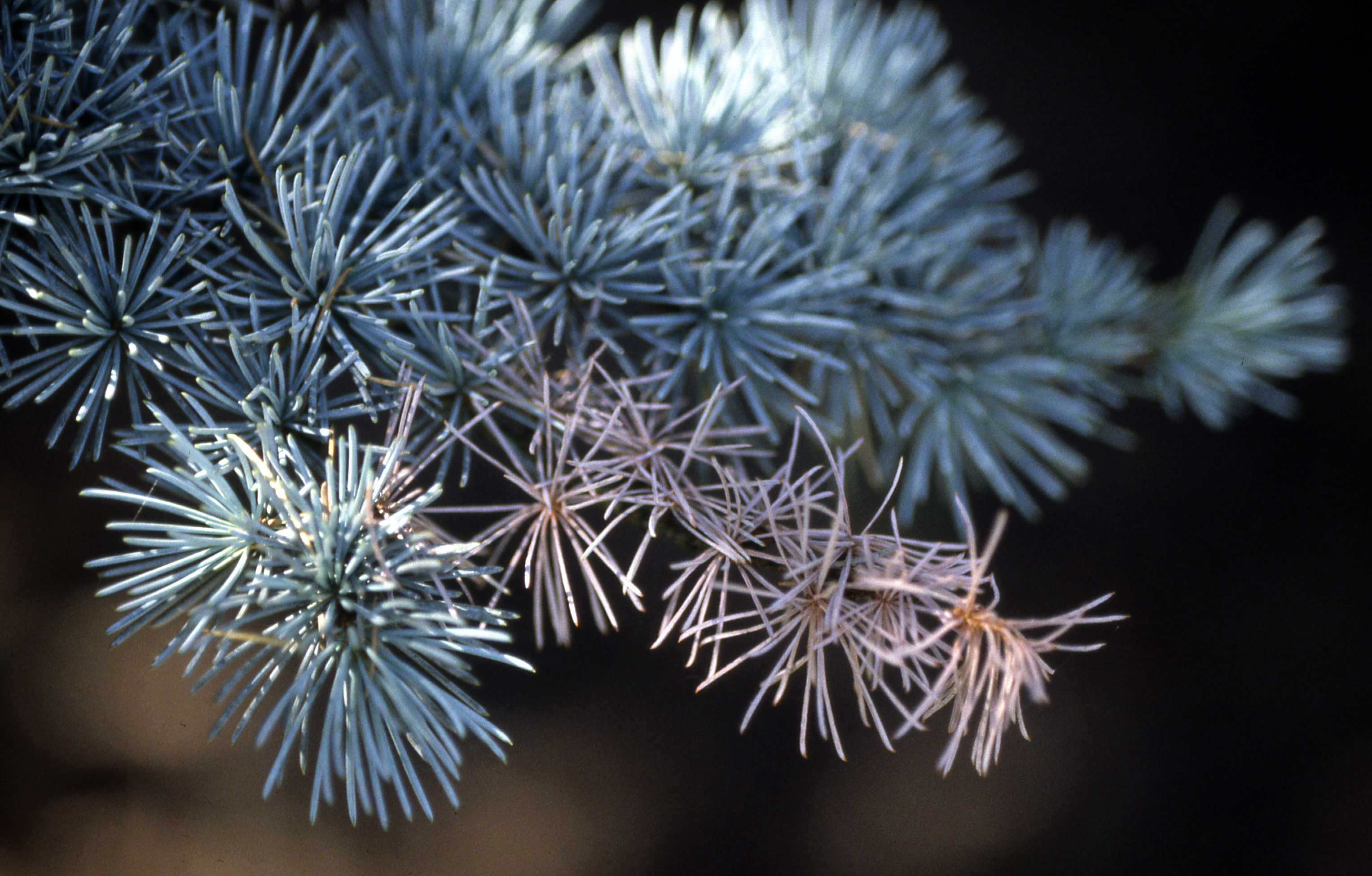
Cause Evergreen plants, including conifers and broad-leaf types, naturally shed some old foliage each year. Abies and Picea tend to have long needle retention times while Pinus tends to have a shorter retention time. Stress factors, such as insufficient water, hot winds, construction damage or other root disturbance, poor planting procedures, or recent planting can promote flagging.

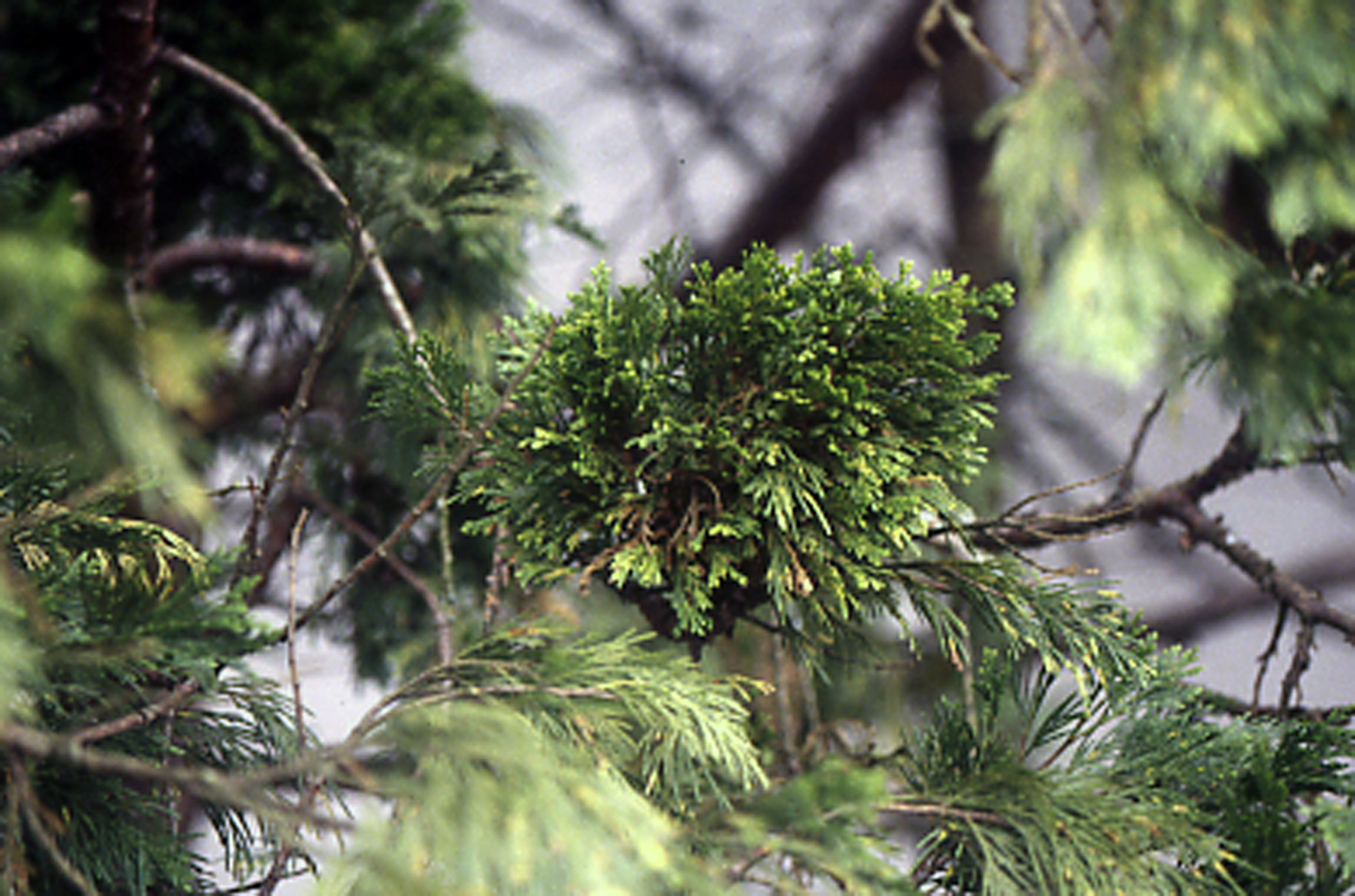
Image related to Cedar, Incense-Broom Rust
PNW Plant Disease Image