Plant Disease Management Handbook

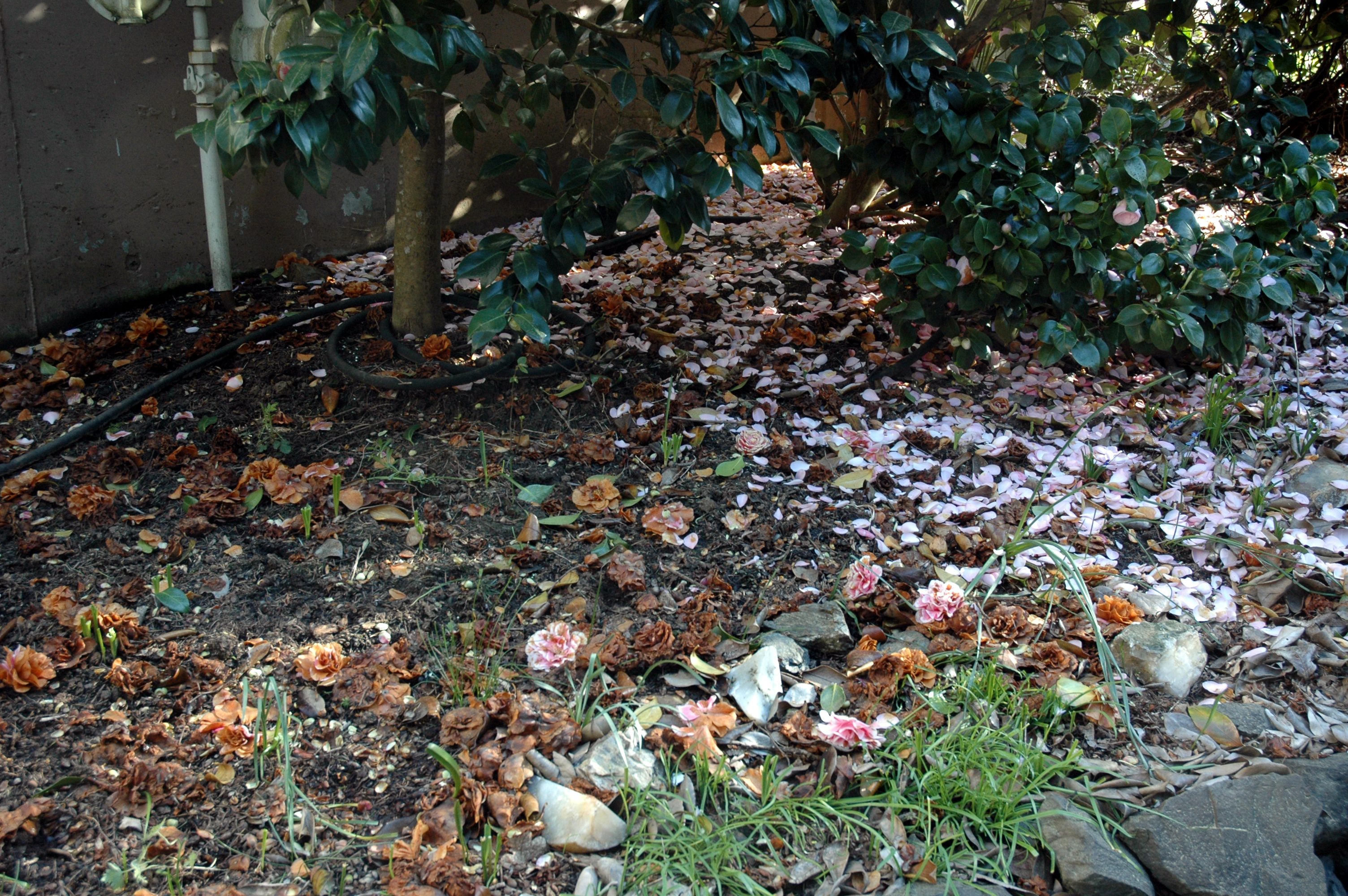
Cause Ciborinia camelliae (formerly Sclerotinia camelliae), a fungus that attacks only opened flower parts. Hard brown-to-black fungus bodies (sclerotia) develop in the base of old infected flowers. Sclerotia later produce one or more mushroom-like growths (apothecia), which, in turn, produce spores to cause new petal infections.

PNW Plant Disease Image

Cause Hyaloperonospora camelinae (syn. = Peronospora camelinae, P. parasitica), an oomycete that is favored by cool, wet conditions. In North America, it was first reported in Canada during 1955, where partial host resistance was also identified. This pathogen has been found on camelina grown in western Montana and Nebraska.
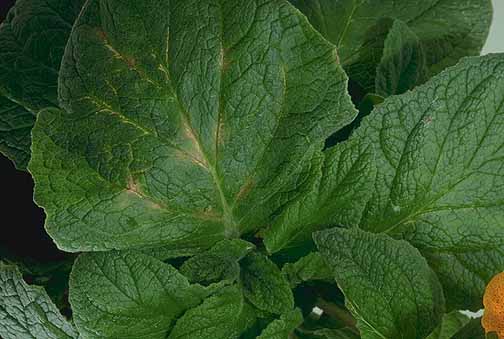
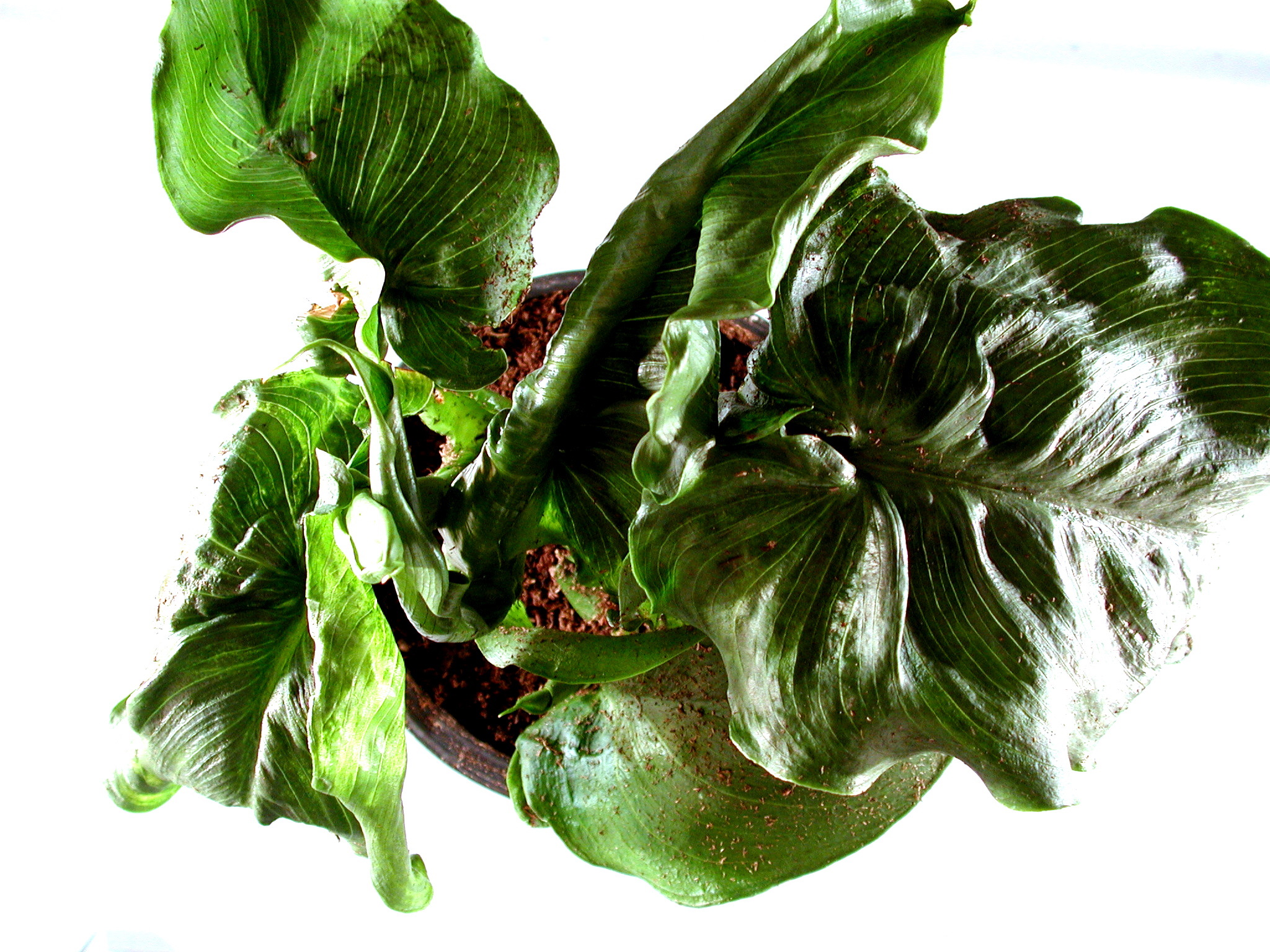
Image related to Calla Lily (Zantedeschia spp.)-Soft Rot
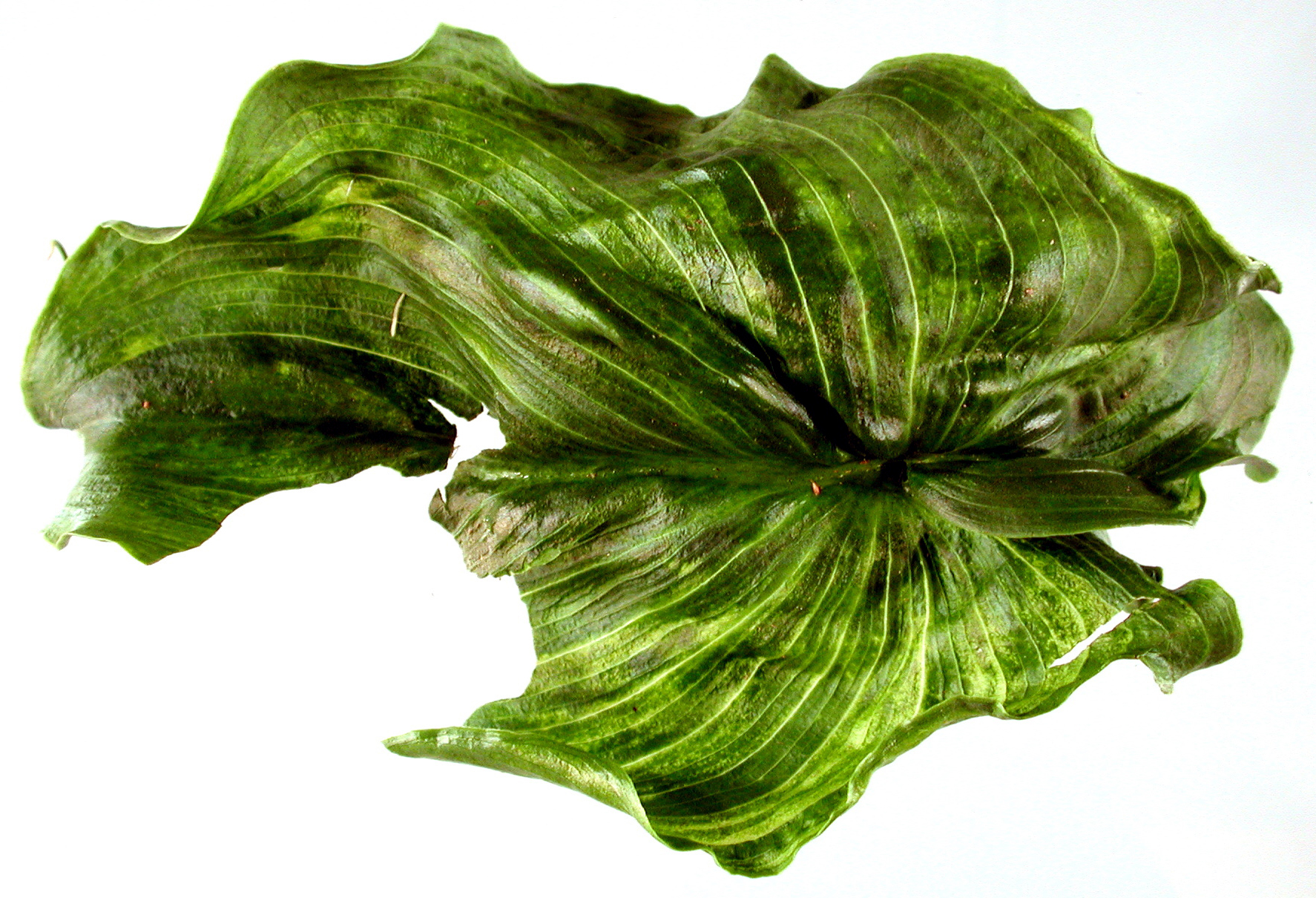
Image related to Calla Lily (Zantedeschia spp.)-Dasheen Mosaic
Image related to California Wax-myrtle (Morella californica)-Leaf Blight

Cause Fusarium has been reported on California poppy in CA and FL; Verticillium dahliae has been reported in CA. OSU surveys of seed fields over several years in Oregon have detected Fusarium spp. associated with wilting of plants.

In the upper portion of the photo is a healthy California poppy plant. The plant below it is showing stunting, discoloration, and dying leaves; all of these symptoms are typical of Fusarium wilt. Photo by Cynthia M. Ocamb, 2011.

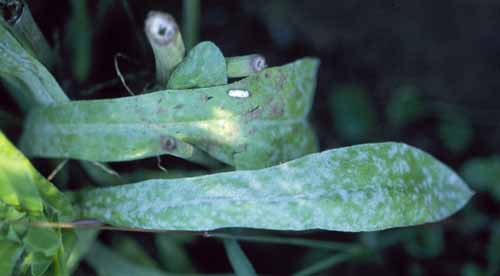
Cause Powdery mildew has not been reported formally for the Pacific Northwest, but it is a common garden problem west of the Cascade Range. Golovinomyces cichoracearum (formerly Erysiphe cichoracearum) has been reported from California. This fungus is favored by conditions that produce high humidity but dry leaves. It is a highly specialized pathogen that forms a close association with the host.

Image related to Calendula (Pot Marigold)-Powdery Mildew

See:

Symptoms The plant's center or only one side may develop a wilt in which leaves turn a greasy gray. Plants eventually collapse without recovering. The disease can be confused with fungal wilt. Symptoms of INSV-infected plants are reportedly similar to symptoms on cinerarias, and plants may be stunted.

Image related to Calceolaria (Slipperwort)-Tomato Spotted Wilt