Plant Disease Management Handbook

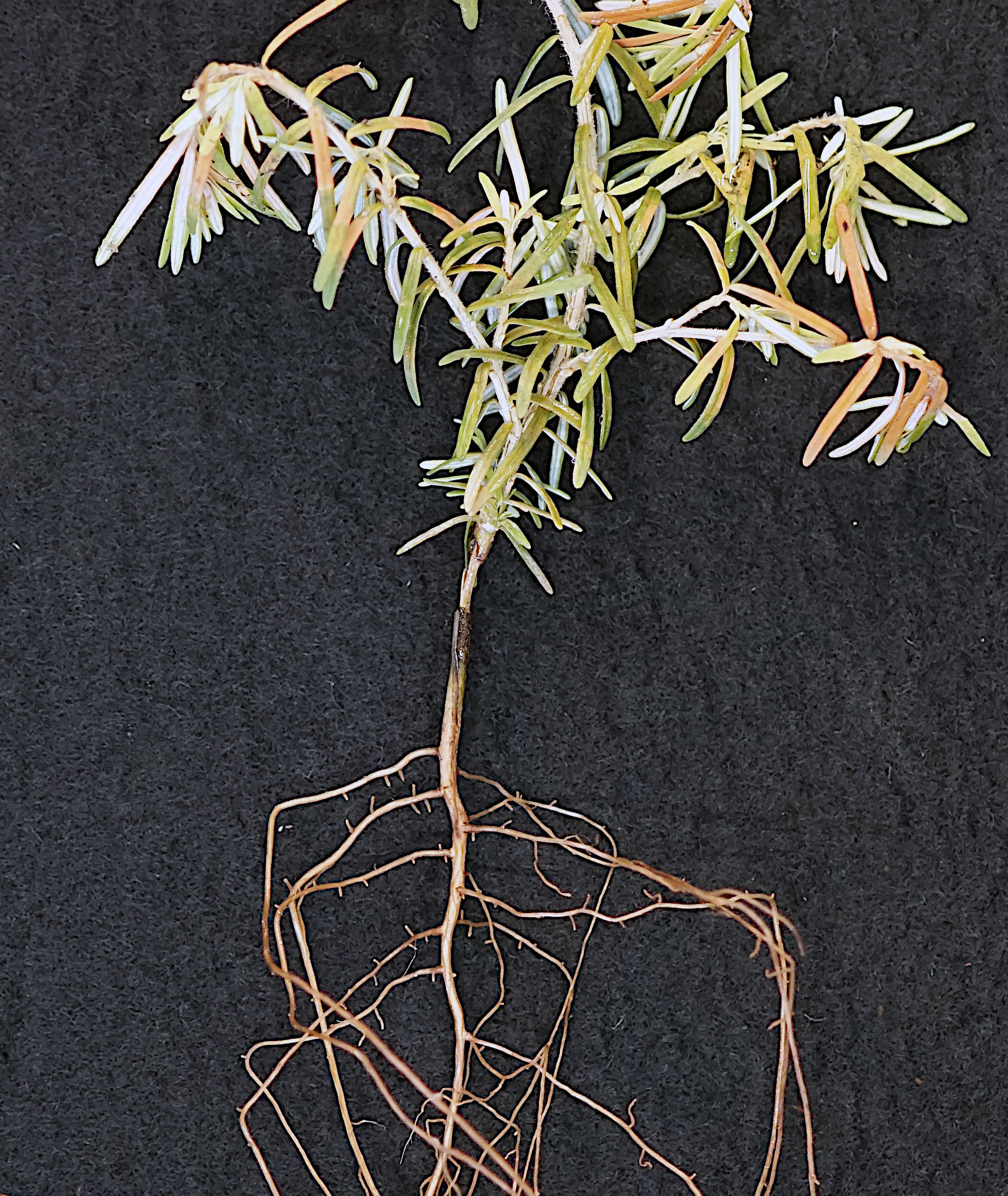
Note There have not been many samples into the OSU Plant Clinic. Diagnoses include Pythium root rots, Colletotrichum leaf spots, and Septoria leaf spot.

By C. M. Ocamb

By C. M. Ocamb

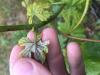
Cause An occasional physiological disorder of wine grapes marked by characteristic foliar symptoms early in the season. It may be associated with a disruption of healthy nitrogen metabolism in developing shoots. Symptoms occur in rapidly expanding tissues such as shoot tips and unfolding leaves and may vary in intensity with the timing and length of early-season low temperatures.

Note These plants do not have a lot of problems and only a few samples have ever come into the OSU Plant Clinic. Cold winter temperatures well below freezing can cause minor bronzing to browning of leaves or serious defoliation depending on the weather conditions. Leaf browning can also occur to plants in full sun. Time of symptom development will help identify the cause. In some situations, plants in poorly drained areas may develop root rot.

Cause Perreniporia subacida, a fungus, causes yellow root rot of several conifer species in Oregon and Washington. It is usually found on suppressed or weakened trees. It is rarely seen in vigorous trees. Hosts other than western red cedar include Douglas-fir, western hemlock, mountain hemlock, lodgepole pine, larch, and grand fir. Most infection results from contact by colonized roots with susceptible roots. Tree roots that are severely stressed appear to be most susceptible to infection and decay.