Plant Disease Management Handbook

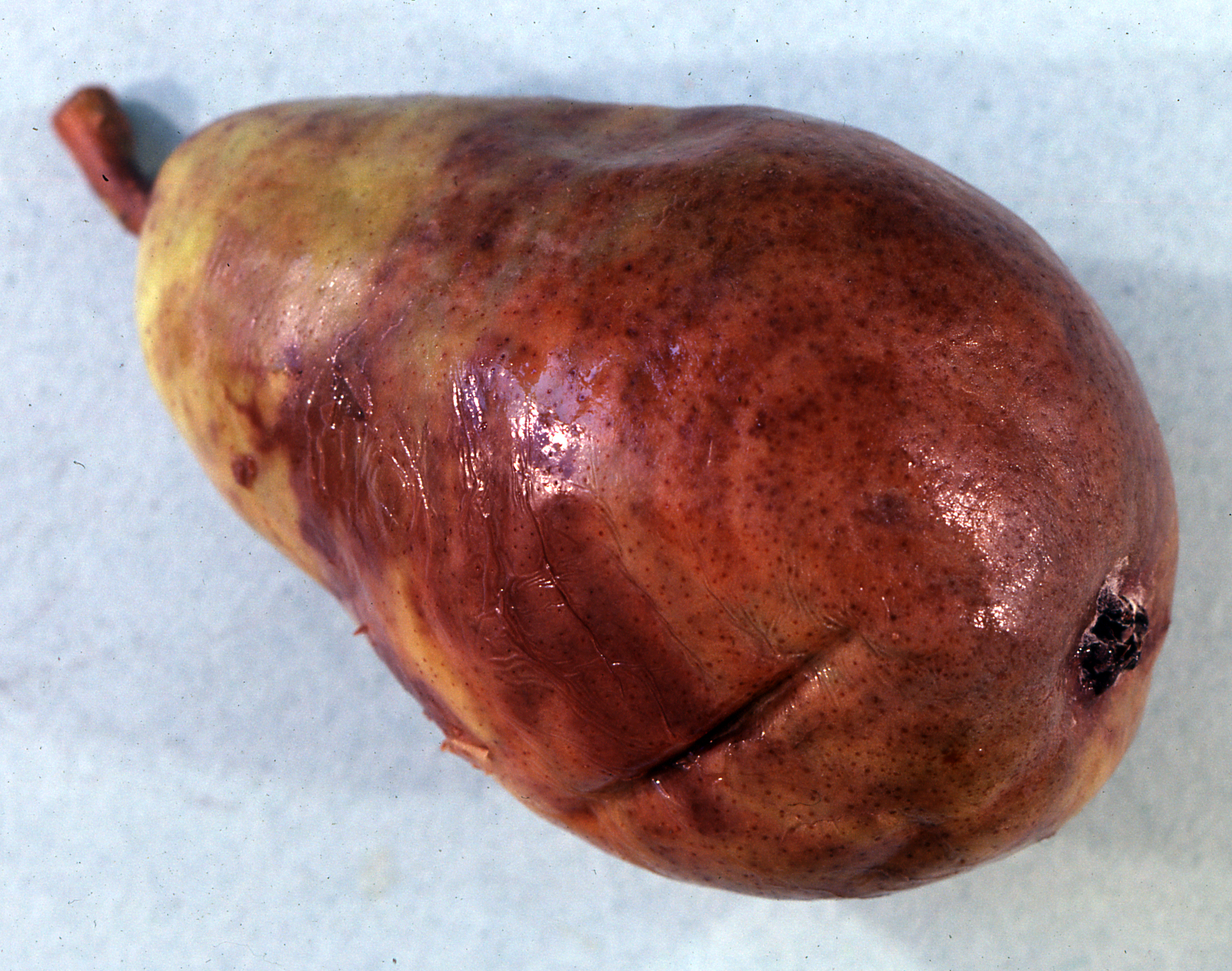
Image related to Pear (Pyrus spp.)-Fruit Russeting

See:

Note Although the crown gall bacterium has a wide host range, plants more likely to have crown gall include all stone and pome fruit, caneberries (such as blackberry and raspberry), euonymus, Photinia, poplar, rose, walnut, and willow.

Image related to Pear (Pyrus spp.)-Crown Gall
Image related to Pear (Pyrus spp.)-Cork Spot
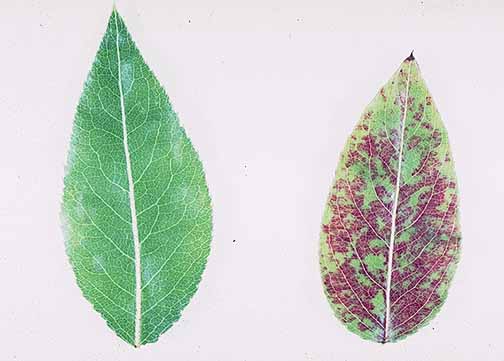
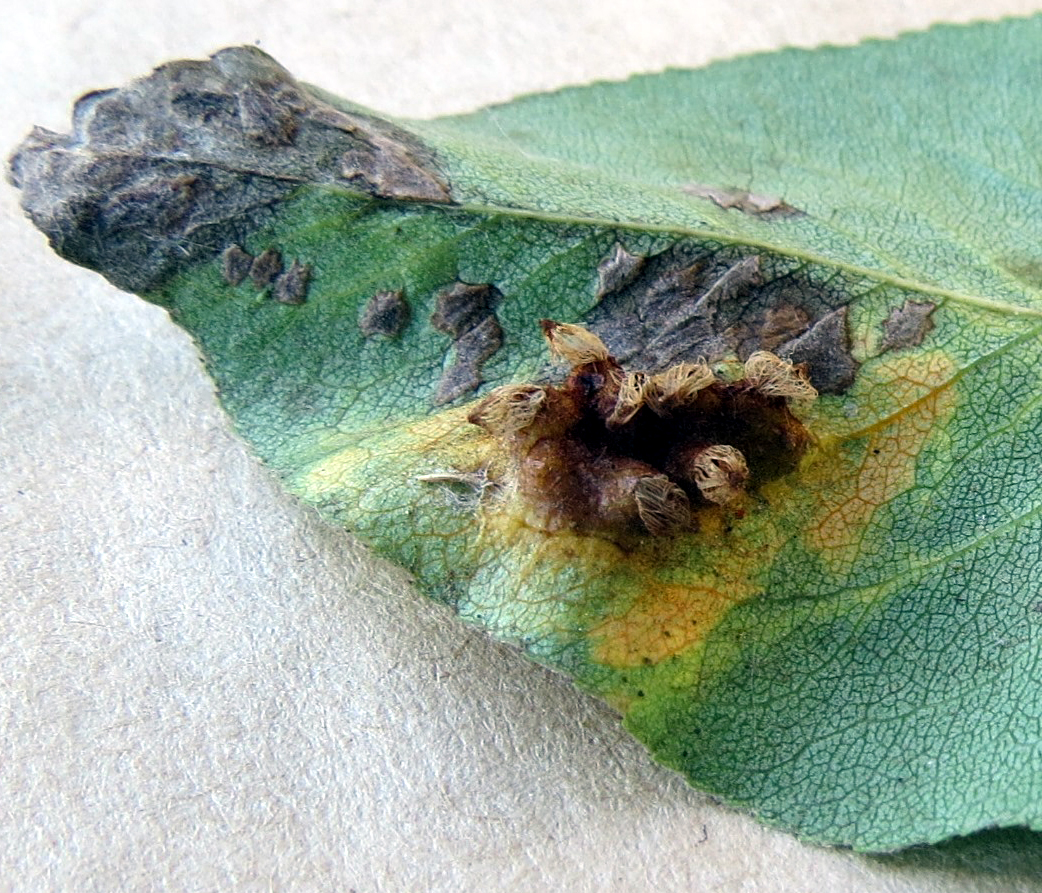
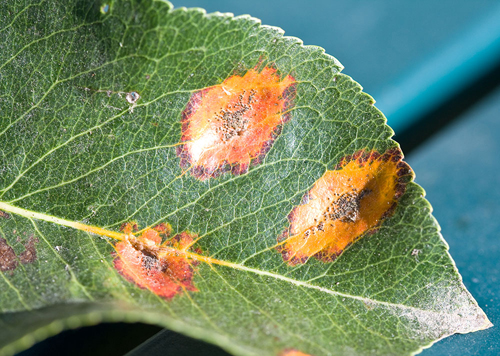
Image related to Pear, Asian (Pyrus spp.)-Fabraea Leaf Spot
Image related to Pear, Asian (Pyrus spp.)-Dieback

Cause Most fungi that cause extensive wood decay of stone fruit trees are classified in the phylum Basidiomycota. These fungi produce various basidiocarps, such as mushrooms and conks, containing basidia. Basidiospores are forcibly discharged from basidia and usually are disseminated by air currents. Wood decay fungi enter trees primarily through wounds that expose sapwood or heartwood. Injuries from pruning, sunburn, lightning, or cultivating equipment can expose susceptible wood.

Image related to Peach (Prunus persica)-Wood Decay
Image related to Peach (Prunus persica)-Verticillium Wilt