Plant Disease Management Handbook

Cause A fungus, Phoma strasseri, which is most active during cool, wet weather.

Symptoms Dark-brown or black cankers on stems or rhizomes, usually at the junction of lateral branches. Cankers may girdle the stem, causing plant parts above the infection to wilt and die.

Control None known at present.

Image related to Peppermint (Mentha spp.)-Black Stem Rot
Image related to Pepper (Capsicum spp.)-White Mold

Cause Pepper is susceptible to at least 70 different viral pathogens. The more important viruses affecting pepper in the PNW include alfalfa mosaic virus, beet curly top virus, cucumber mosaic virus, pepper mild mottle virus, pepper mottle virus, potato virus Y, tobacco etch virus, and tomato spotted wilt virus. Many of these viruses overwinter in perennial legumes such as alfalfa and various clovers. Several weeds common in the PNW are hosts of some of these viruses.

Image related to Pepper (Capsicum spp.)-Virus Diseases

Cause Verticillium dahliae and Verticillium albo-atrum, soilborne fungi that affect a wide range of herbaceous and woody plants. Once V. dahliae makes its way into a soil, the microsclerotia it produces in affected plant tissues can survive for a number of years in soil, thus V. dahliae is the more common species of the two and it is widespread in Oregon.

Cause The fungus, Leveillula taurica (syns. Oidiopsis taurica, Oidiopsis sicula), is in only scattered sites in the Pacific Northwest.This disease is restricted to warm, semiarid regions. The fungus has a wide crop and weed host range on which it can overwinter. Temperatures below 86°F favor infection; higher temperatures accelerate symptoms once infection is established.

Cause Phytophthora capsici, a fungus-like microorganism that lives in soil. It causes root rot in pepper and eggplant and is most active in moist, warm weather (75°F to 91°F). Disease is generally seen in the wettest areas of a field.

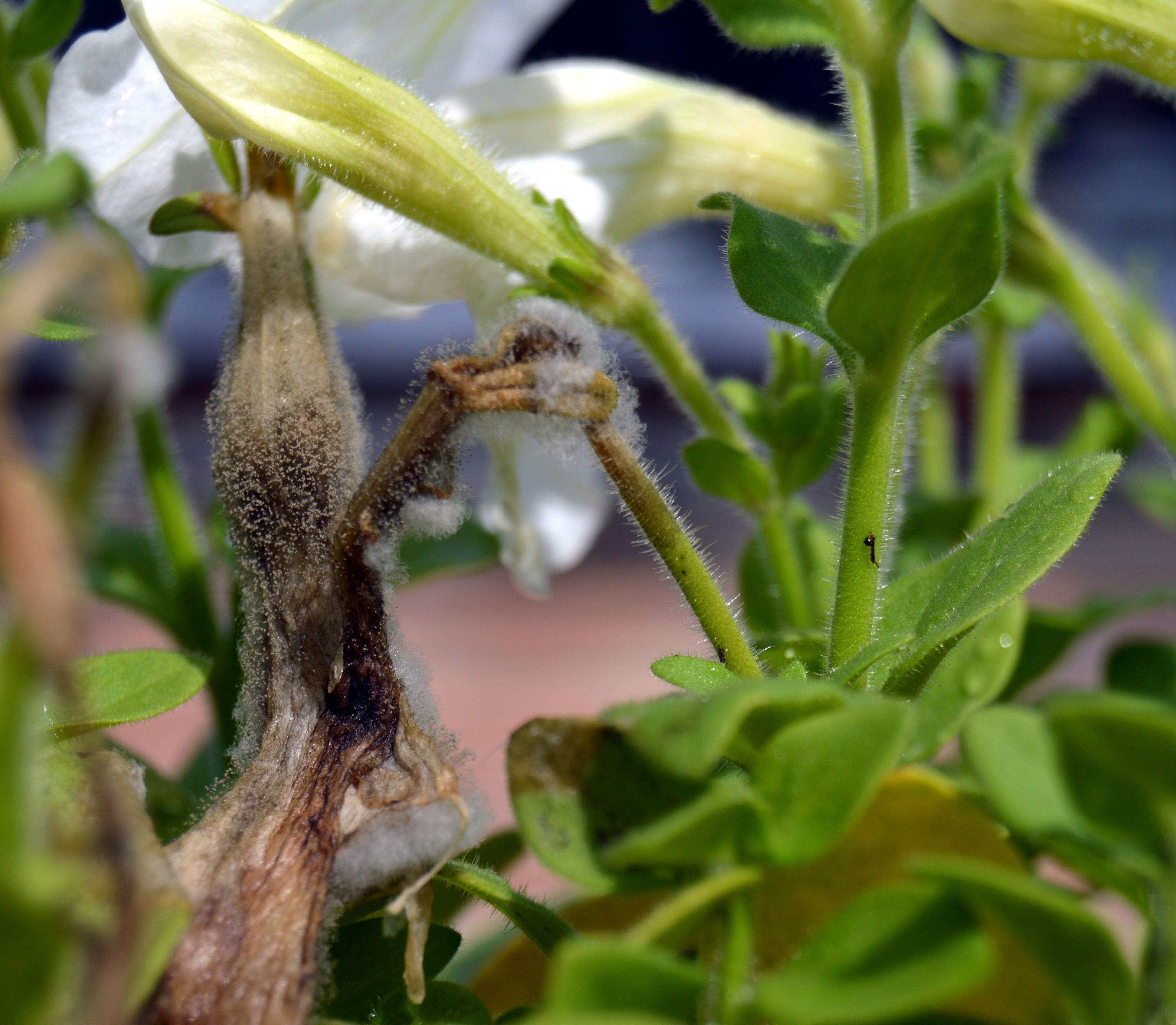
Image related to Pepper (Capsicum spp.)-Gray Mold

Cause Passalora capsicicola (syn. Cercospora capsici), a fungus that overwinters on dead plant parts.

Cause A localized calcium deficiency due to any soil or growing condition that affects calcium uptake. This physiological problem is common, especially in home gardens and can typically affect tomato, peppers, eggplant, watermelon, pumpkin, and squash. Drought, salinity and high temperatures have been found to promote blossom-end rot. If too little calcium is in the soil or if the soil is high in salts, calcium uptake will be impeded, especially under periods of sudden drought stress.

Cause A bacterium, Xanthomonas vesicatoria (formerly X. campestris pv. vesicatoria), that is seedborne and frequently comes with transplants. It overwinters in infected debris and weeds such as nightshade. The bacterium is spread by splashing water and mechanical means such as pickers and/or picking equipment, particularly when plants are wet.

Image related to Pepper (Capsicum spp.)-Bacterial Spot