Plant Disease Management Handbook

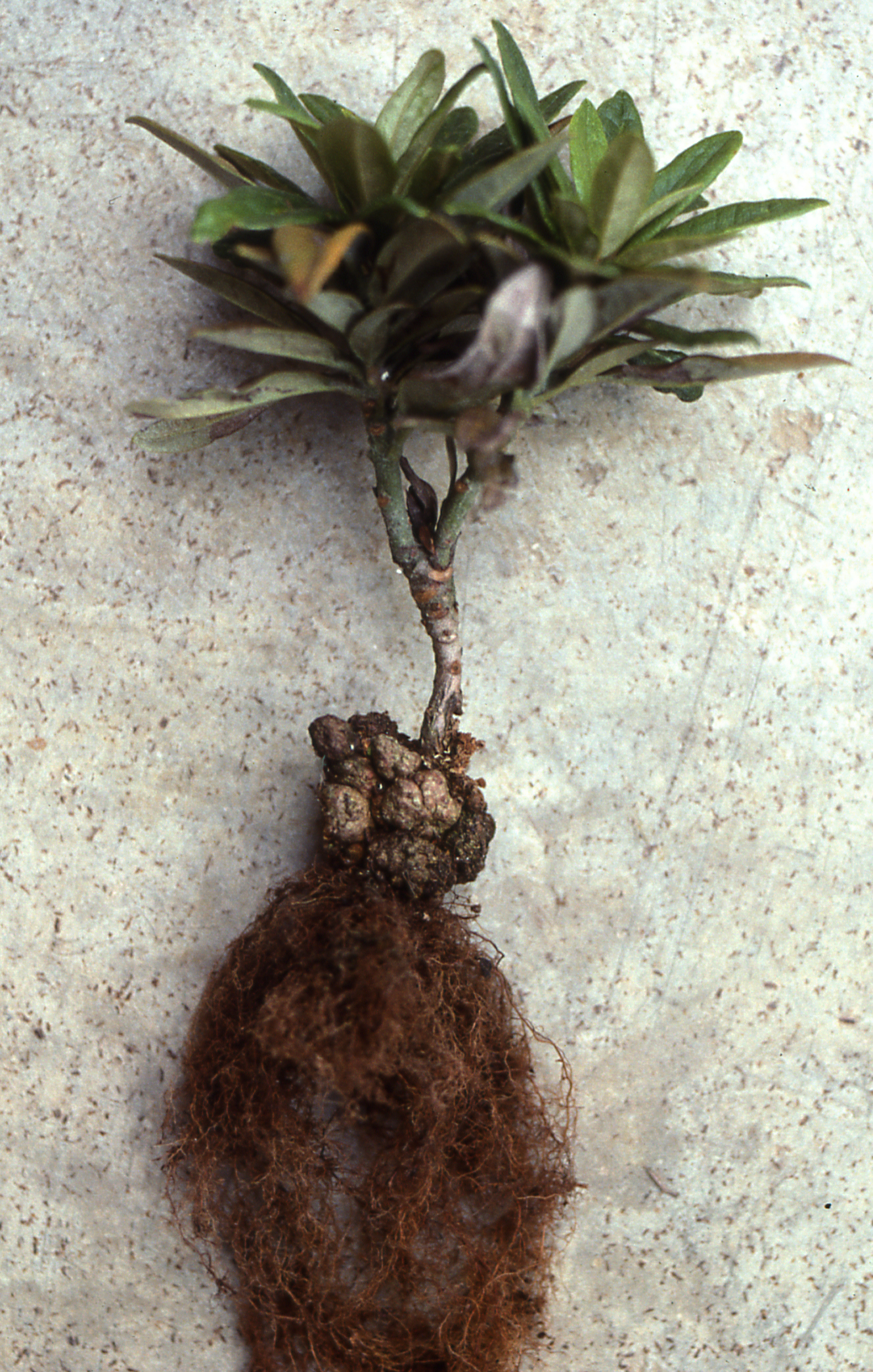
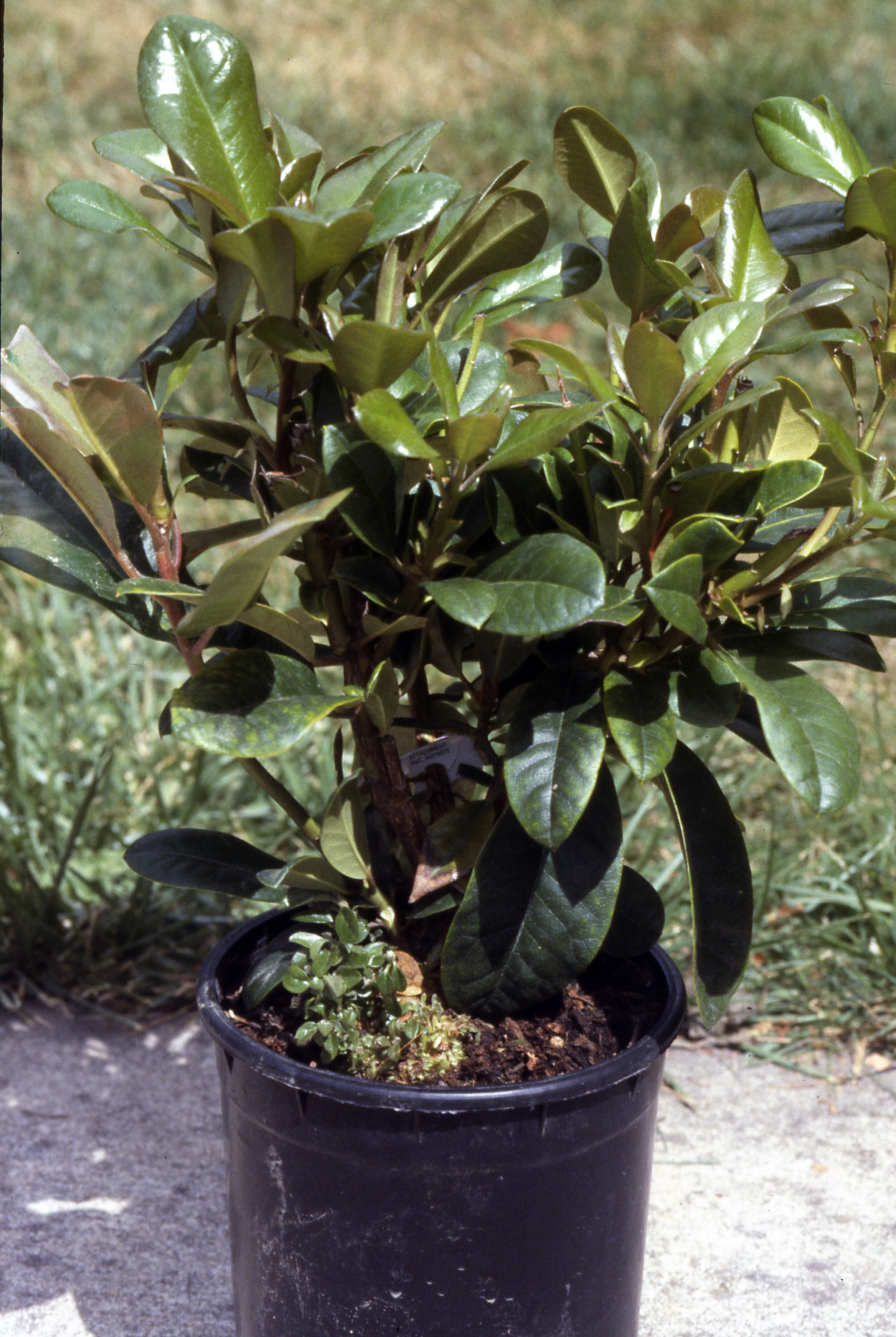
Cause Unknown. A genetic change that occurs during tissue-culture propagation that predisposes plants to express symptoms when grown under accelerated growth conditions. The disease was a major problem for growers in the 1980's but with changes in production of tissue culture plants it has not been a problem for many years. Tissue proliferation has occurred on seedlings and on plants propagated by tissue culture and vegetative cutting.

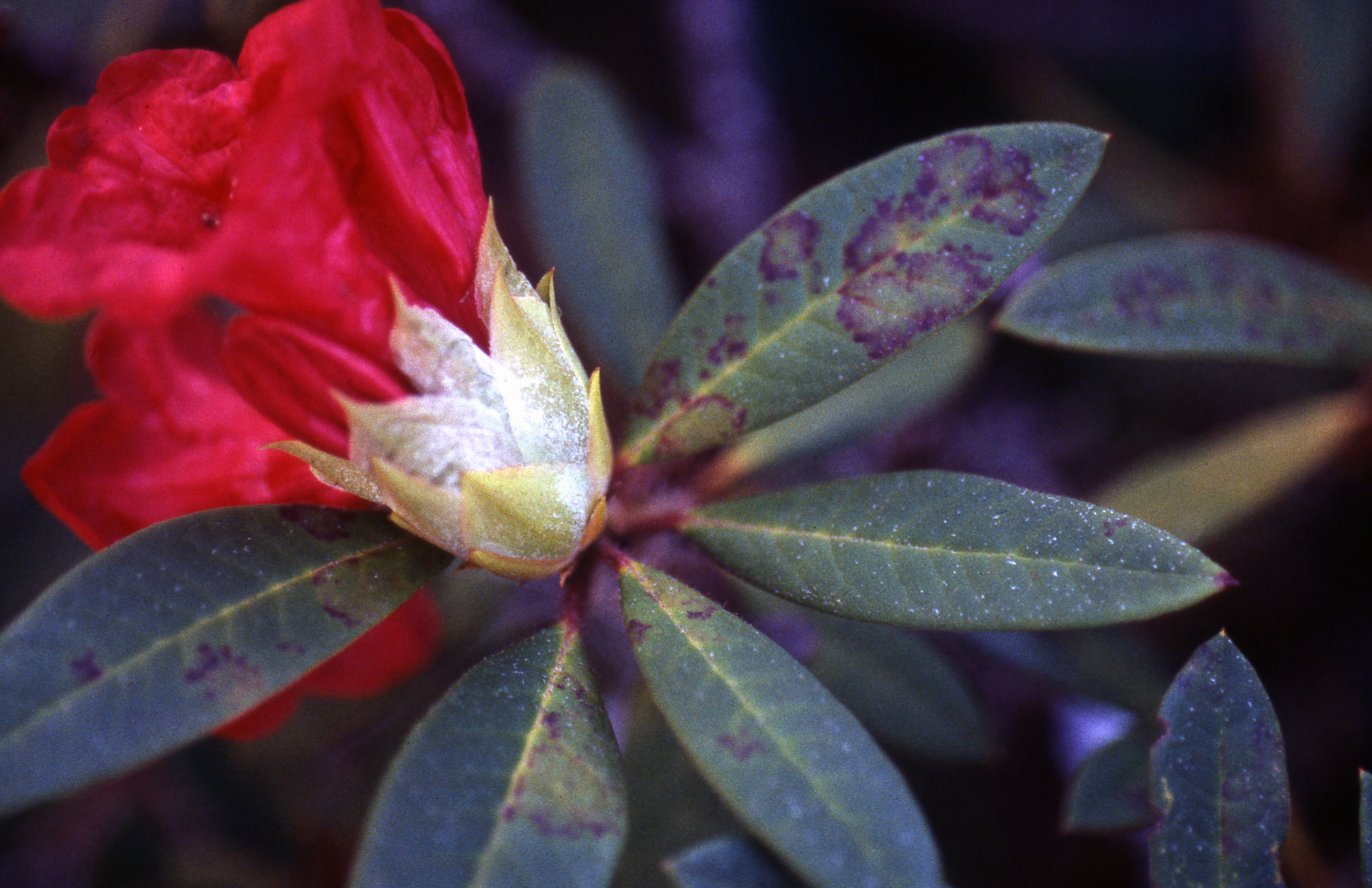
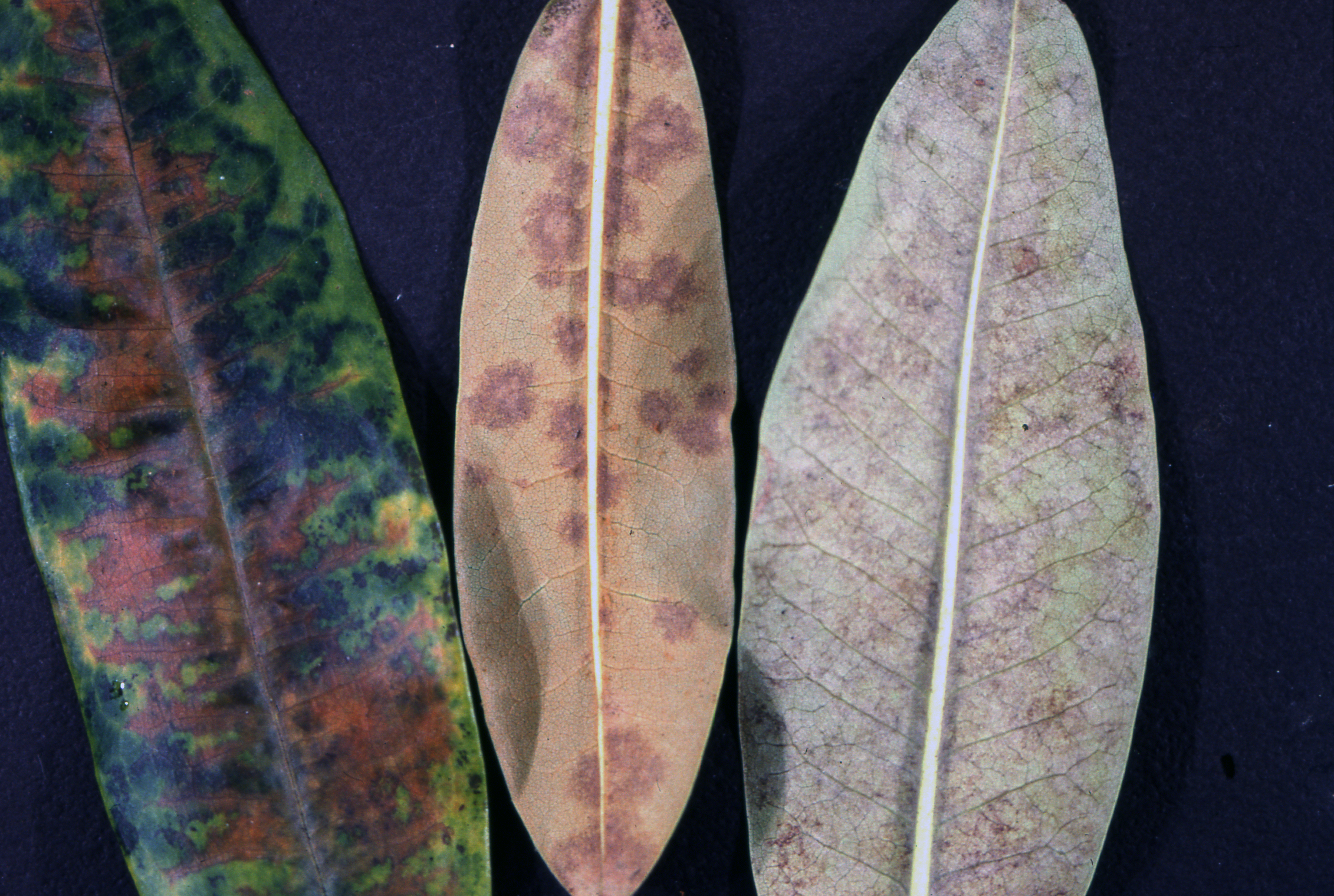
Cause Chrysomyxa piperiana is probably the main species on native R. macrophyllum in Oregon and has the alternate host, Sitka spruce, which is reported in Oregon. The rust of cultivated rhododendrons is C. reticulata, a native North American rust that spread to nurseries from Ledum.

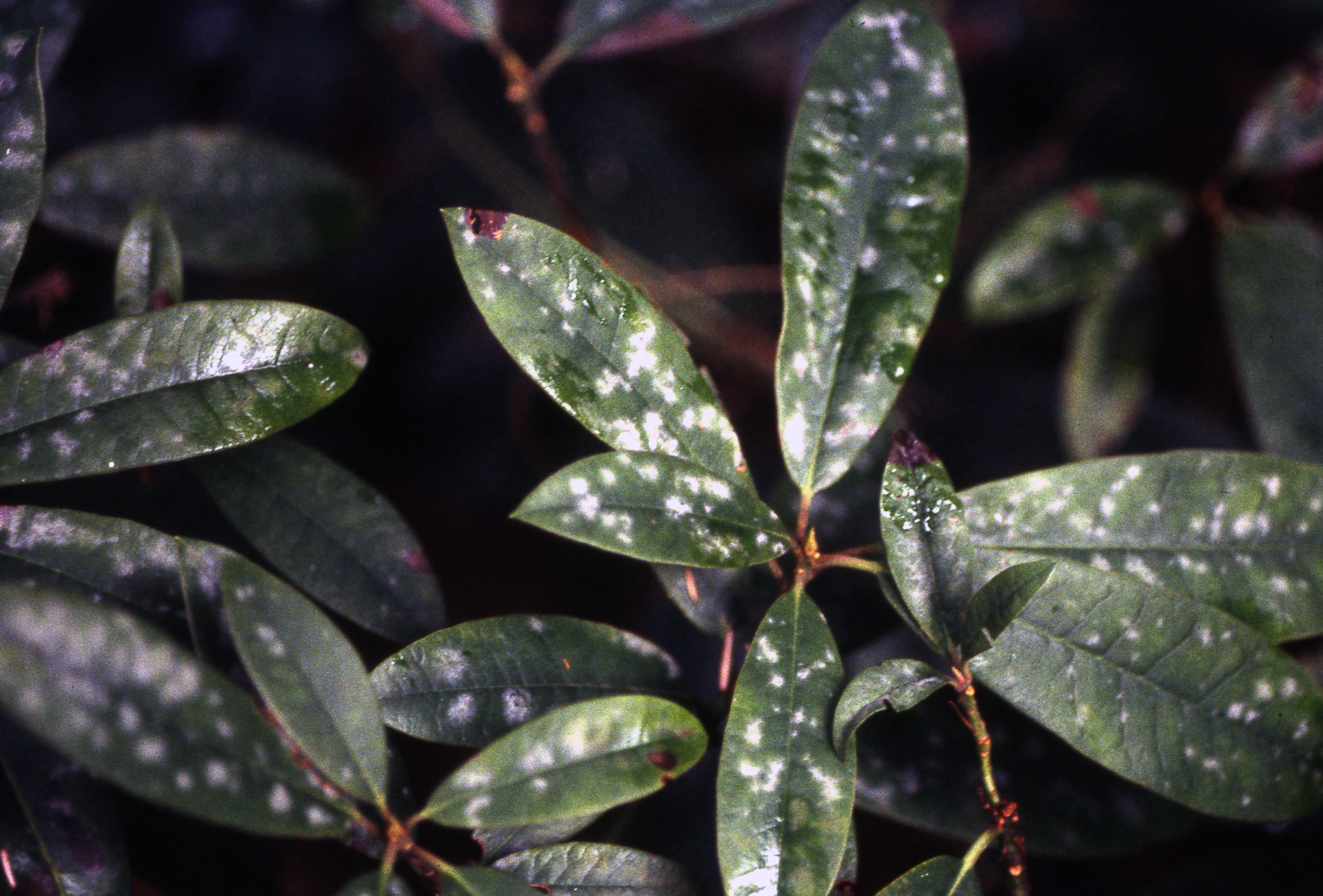
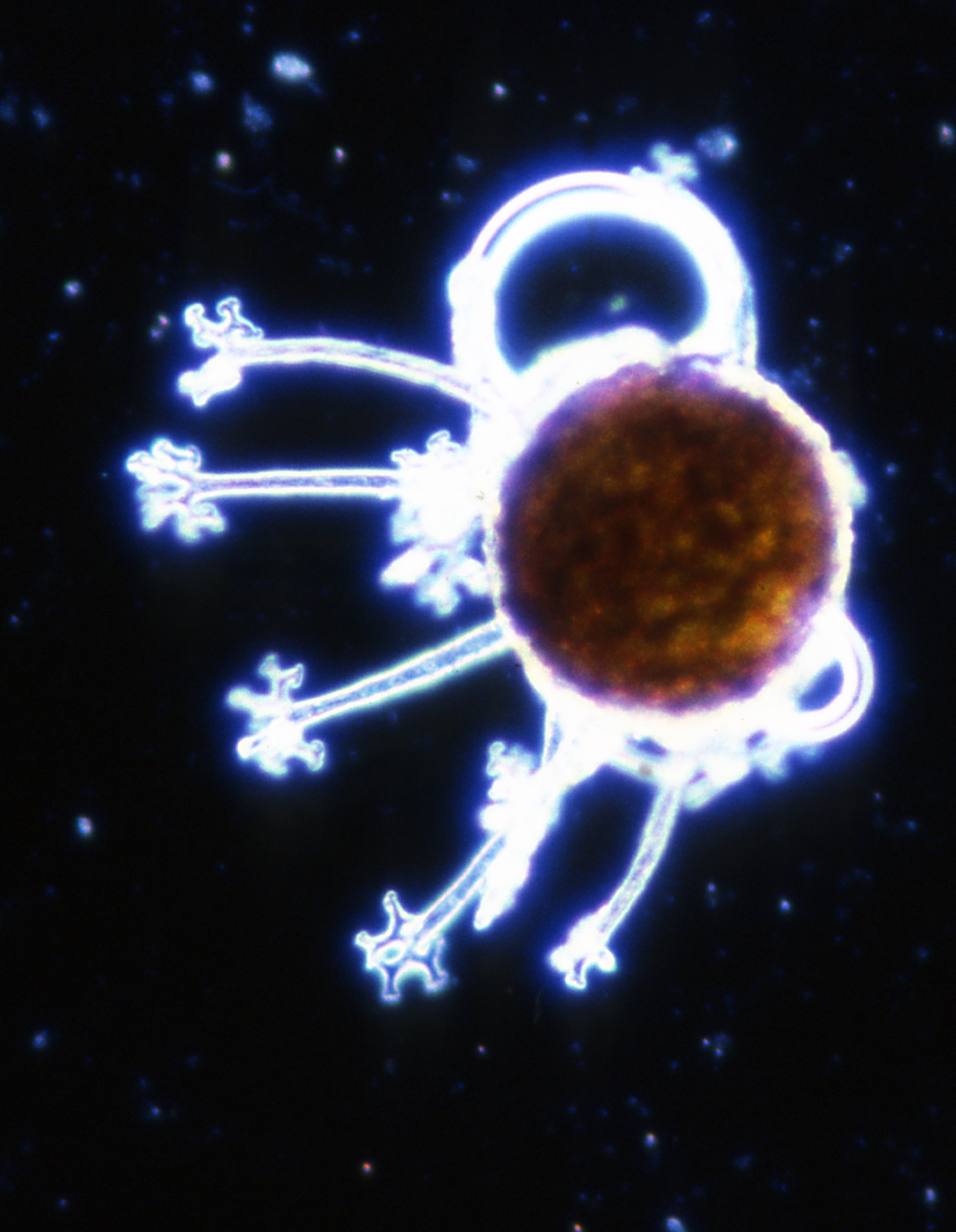
Cause The fungus Erysiphe azaleae (formerly Microsphaera azaleae) is found throughout the Pacific Northwest on garden azalea and rhododendron species and hybrids. Molecular techniques have identified a similar looking fungus as E. digitata which may have been introduced into the PNW in the 1990's.

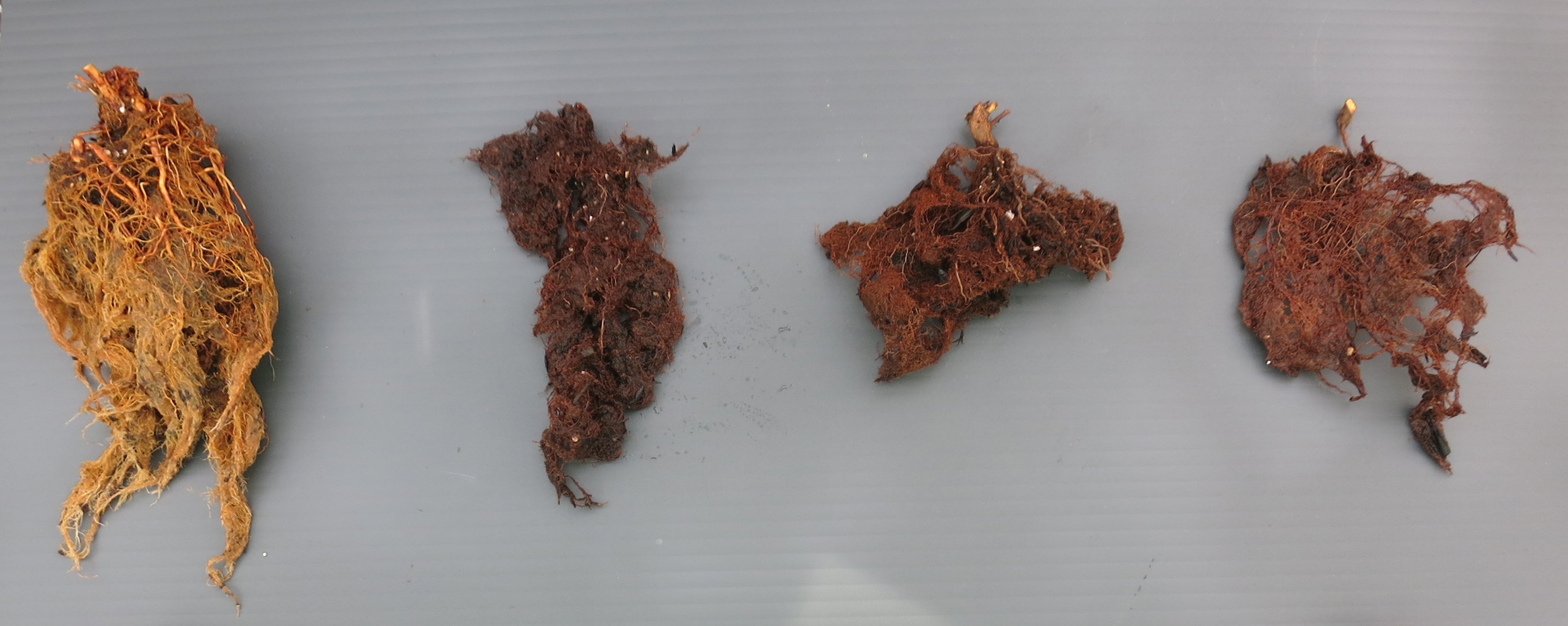
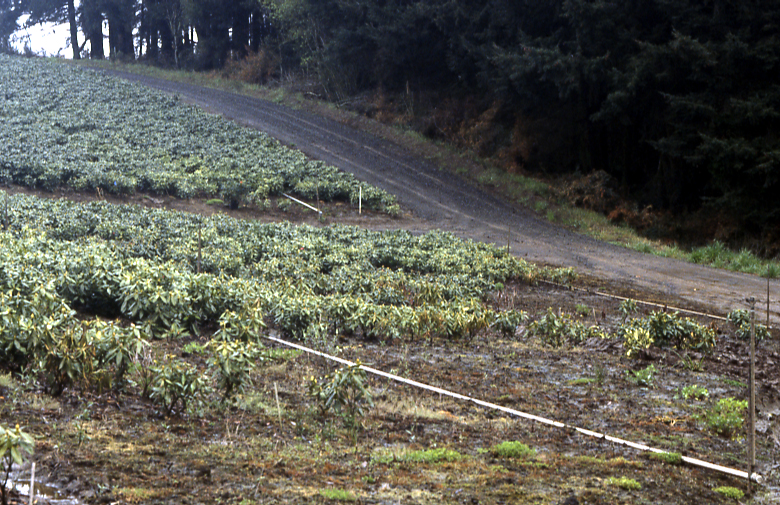
Cause Phytophthora root rot is caused by a number of Phytophthora species, including P. cactorum, P. cambivora, P. cinnamomi, P. citricola, P. cryptogea, P. plurivora, and P. pini. These pathogens are fungus-like microorganisms and are also known as water-molds.

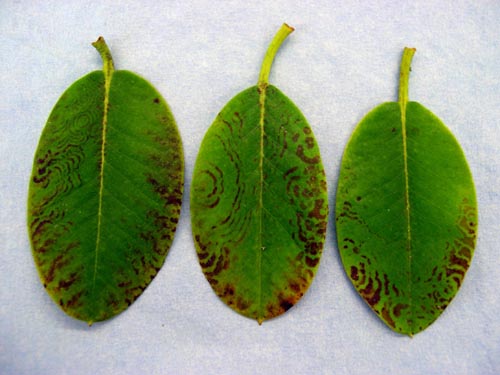
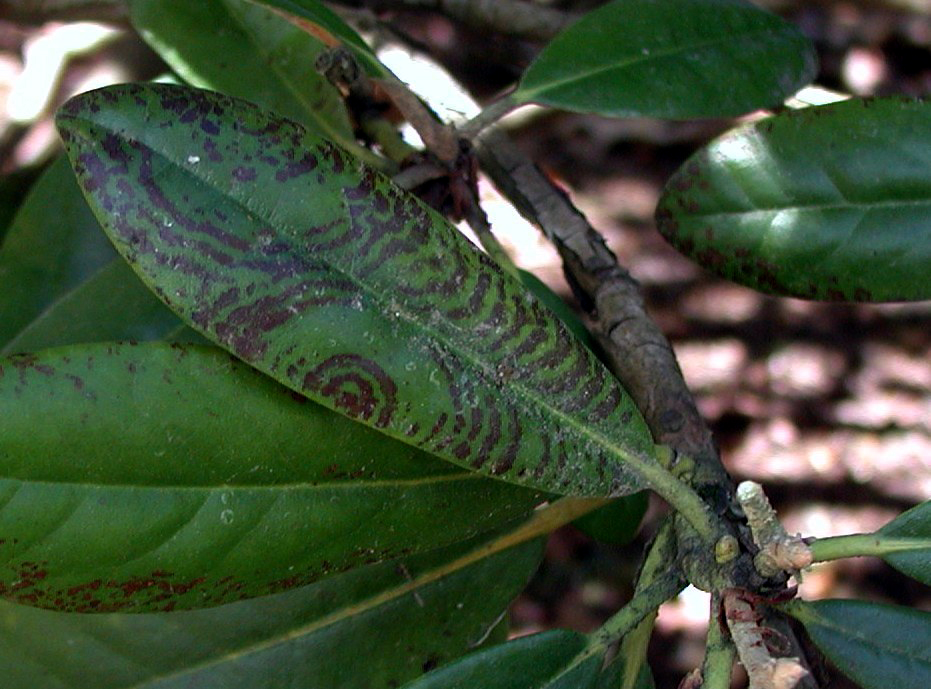
Cause A potexvirus, rhododendron necrotic ringspot virus, has been associated with symptoms of this disease but has not been experimentally proved the cause. Transmission likely is by vegetative propagation, but other methods or vectors are unknown. Insect such as aphids are known to transmit other potex viruses. Pollen or seed may be a means of transmission because many seedlings have been reported with symptoms. Both evergreen Rhododendrons and Kalmia latifolia can be affected.

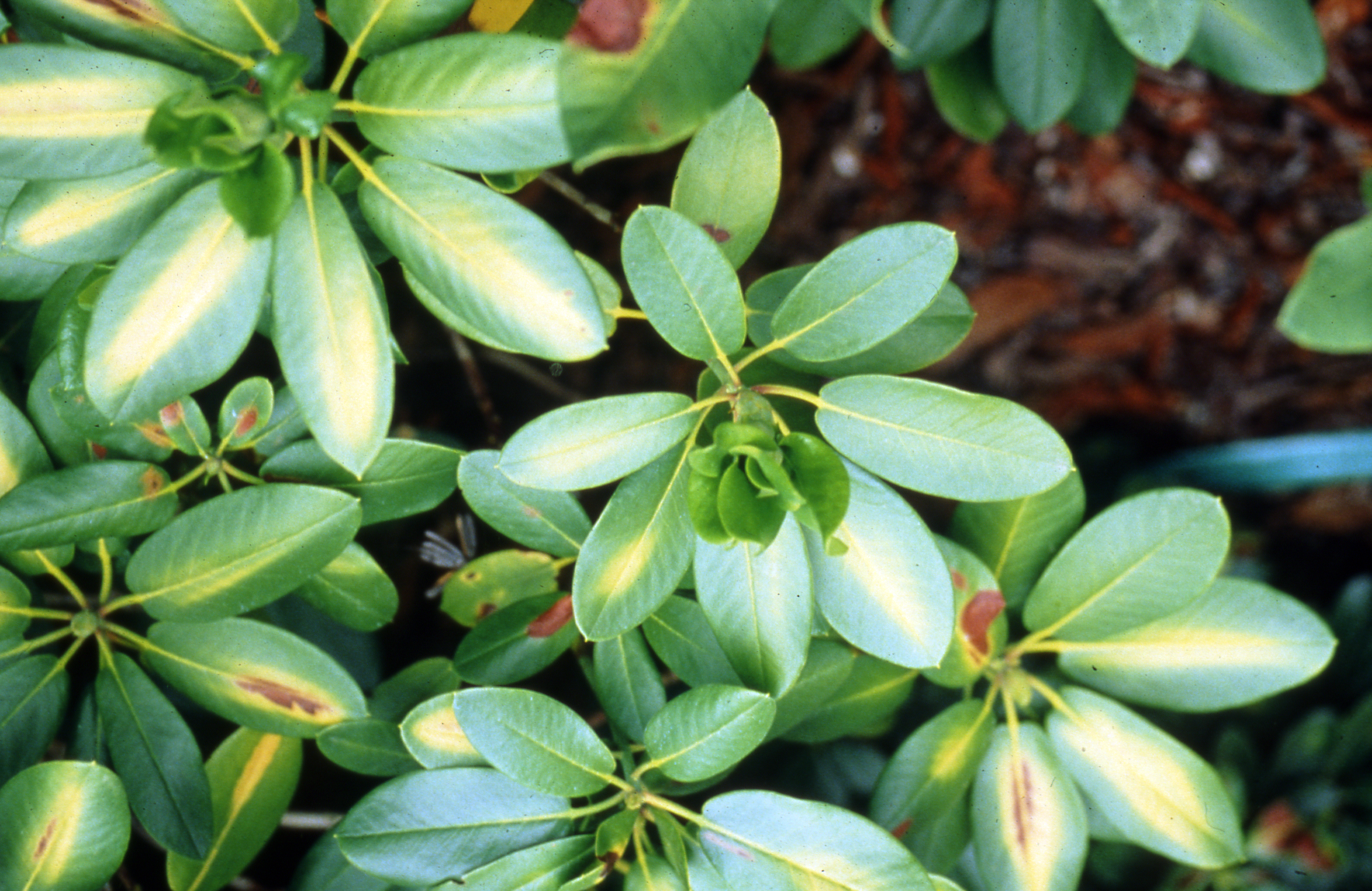
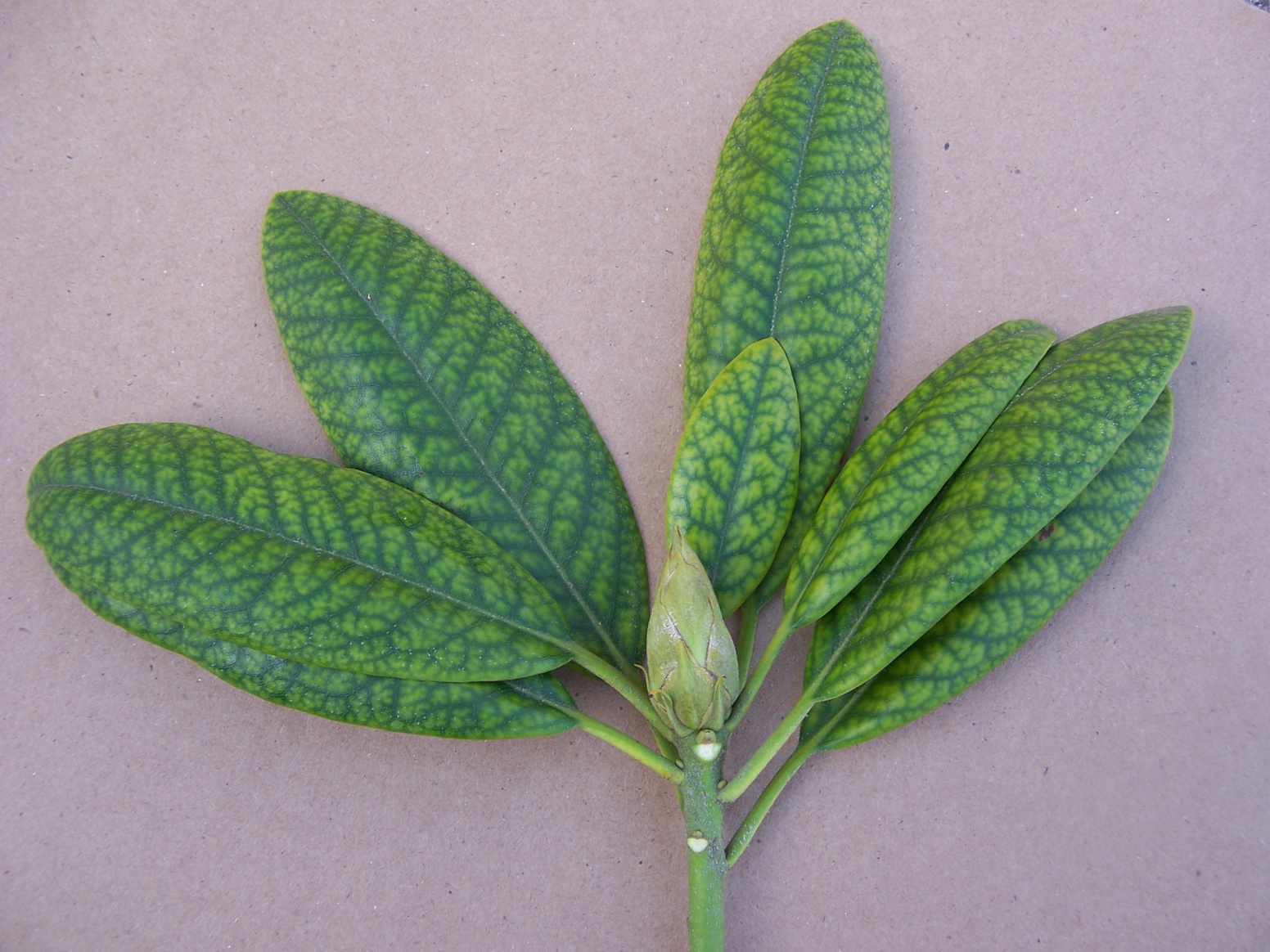
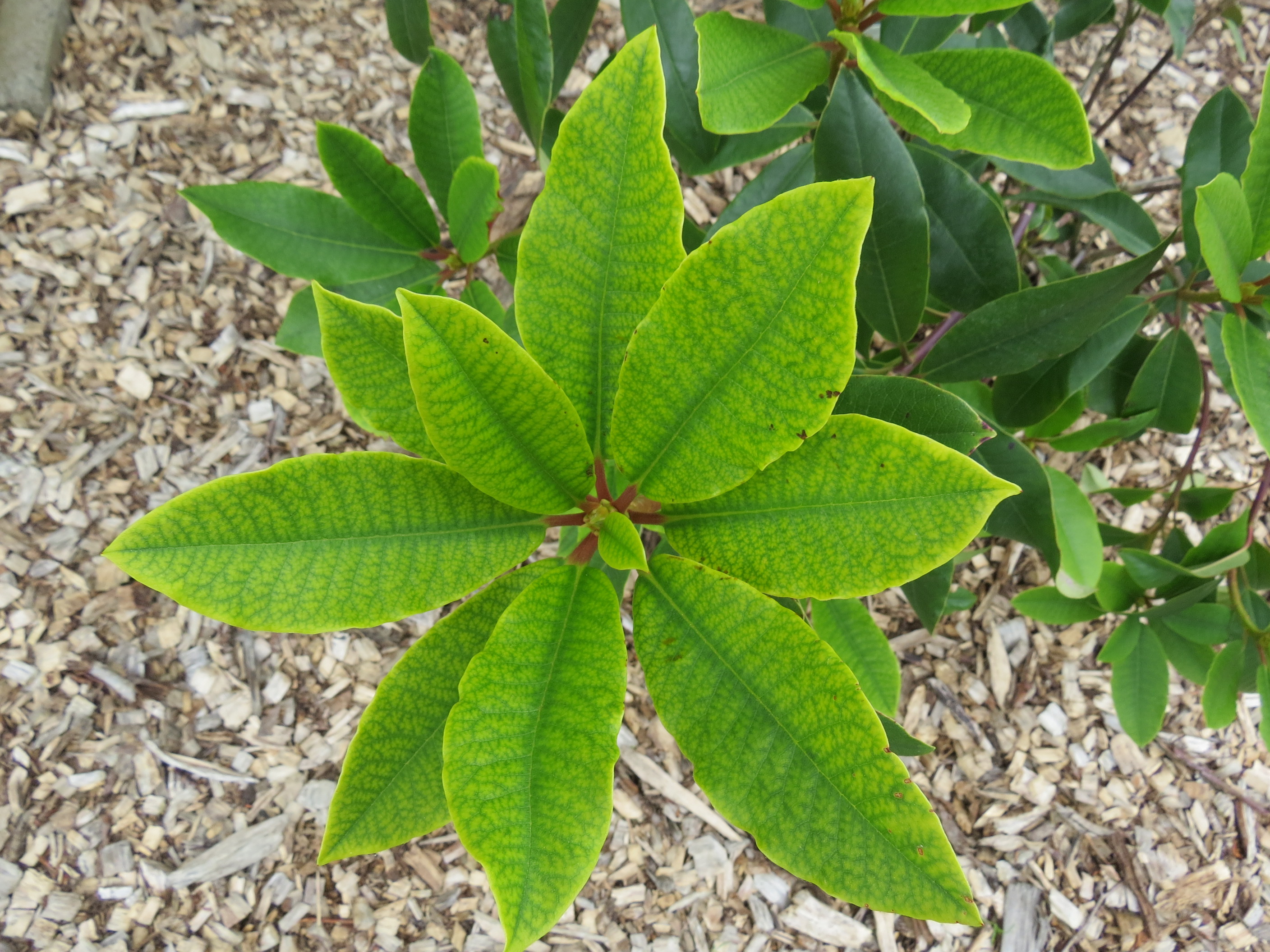
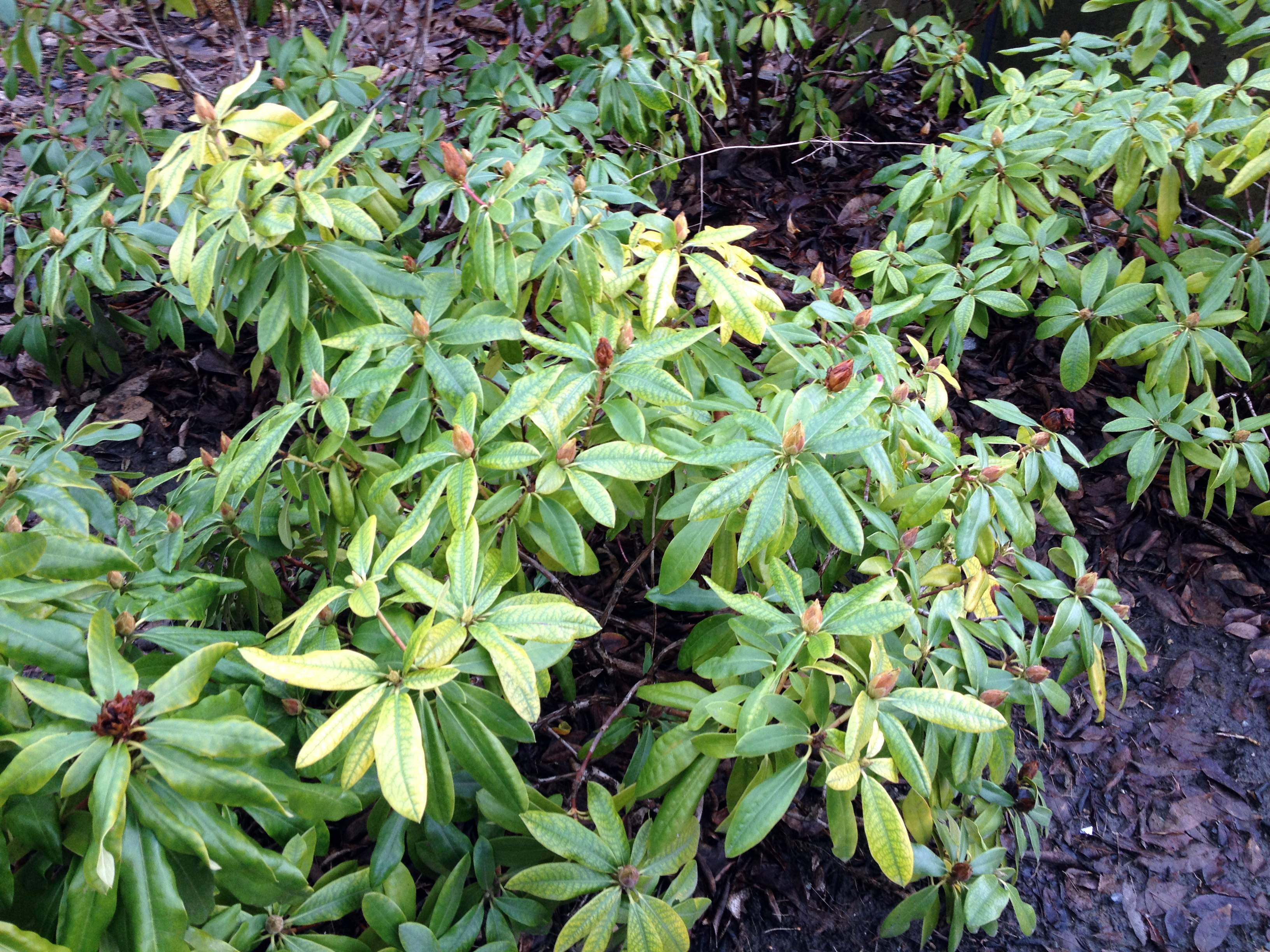
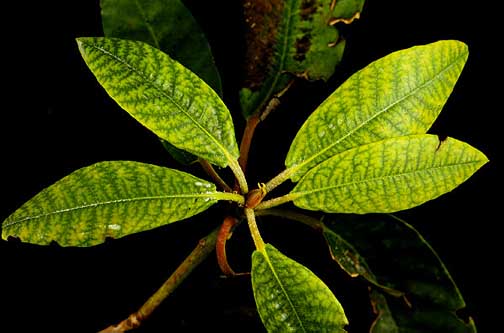
Cause A deficiency of some element, usually iron, in the plant. Iron may be lacking in the soil or in a form unavailable to plants. Lime-induced chlorosis, or leaf yellowing, is caused by strongly alkaline soil, which can make iron or manganese unavailable to plants. Rhododendrons grow normally in acidic soils. The evergreen azaleas R. macrosepalum var. hanaguruma, R. ripense and R.