Plant Disease Management Handbook

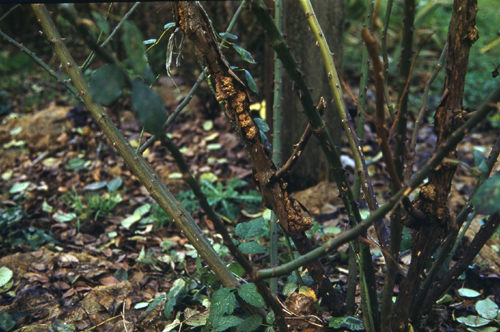
Cause Verticillium dahliae, a fungus that lives a long time in soil and can infect a wide range of hosts. Rootstocks such as Rosa odorata and 'Ragged Robin' are susceptible; R. multiflora and 'Dr. Huey' have more resistance. R. chinensis var. manetti is very resistant. Under favorable growing conditions plants may be able to tolerate infection.


Image related to Rose (Rosa spp.) and hybrids-Rust
Image related to Rose (Rosa spp.) and hybrids-Rose Mosaic
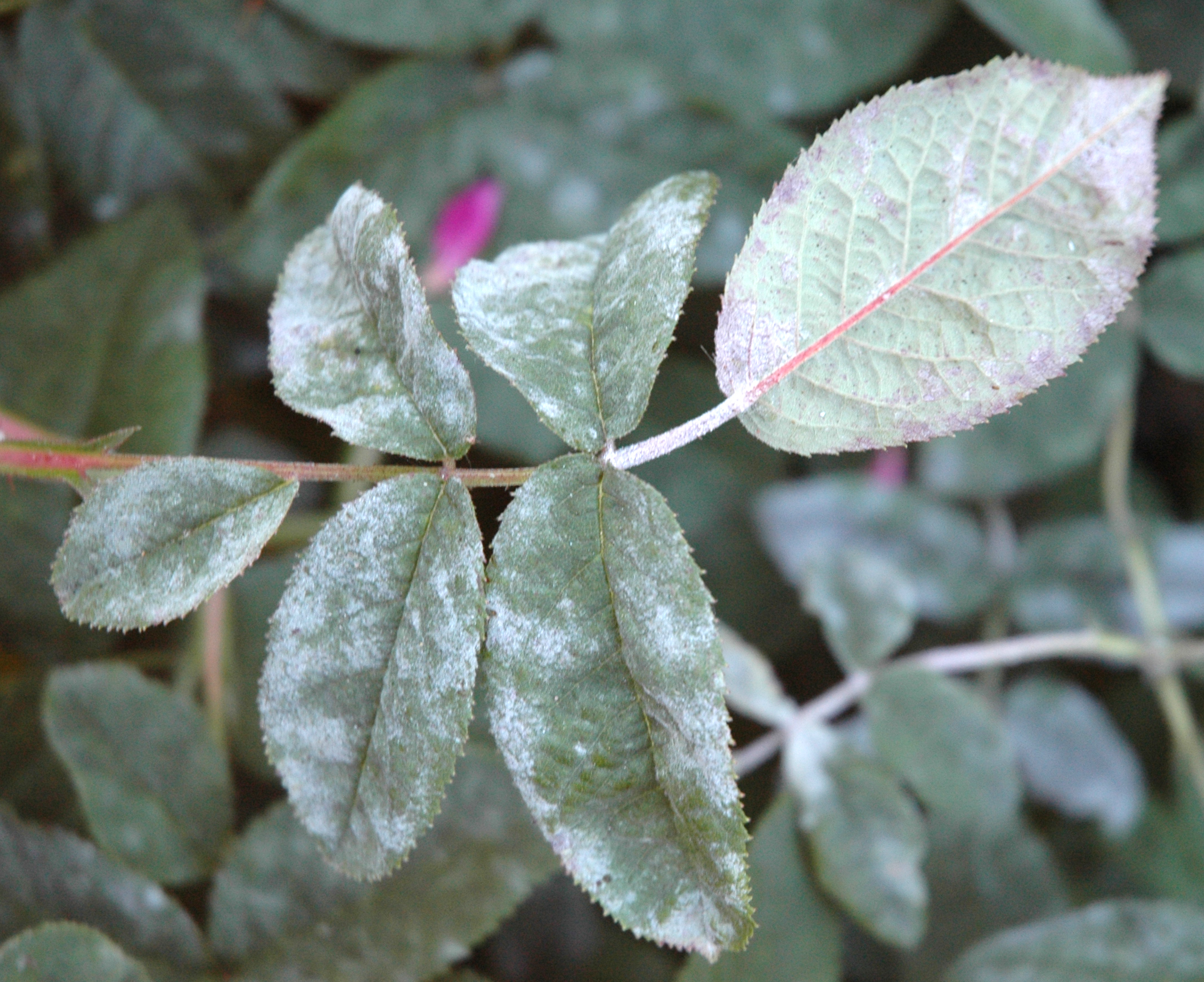
Image related to Rose (Rosa spp.) and hybrids-Powdery Mildew

Cause Nematodes are a big problem in the production areas of California but have not been investigated as a problem in the Pacific Northwest. Soil types, that are more sandy, generally result in more nematode injury at lower population levels. Host ranges are wide for many of these nematodes making crop rotation impractical.

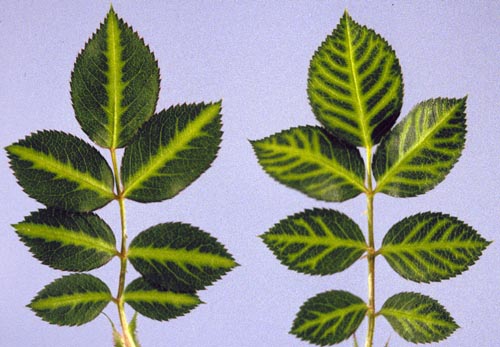
Cause Lime-induced chlorosis, or leaf yellowing, is caused by alkaline soil conditions. High (pH) alkalinity of soils can make iron or manganese unavailable to plants, causing leaf chlorosis. Has been more common in samples from eastern Oregon. Ideal pH for growing roses is from 6.0 to 6.5.

Symptoms The initial symptom is an interveinal chlorosis of the young leaves with the main veins remaining green. These leaves may remain small and become pale yellow to white.

Image related to Rose (Rosa spp.) and hybrids-Downy Mildew

Cause There are a number of herbicides available for use around roses plantings. The herbicide class and the dosage to the plant determine which symptoms appear and their severity. Injury from glyphosate (such as Roundup and related materials) is relatively common. Damage symptoms caused by this herbicide may not appear during the season of application, especially if application is made in autumn, but symptoms may appear the following spring. The plant will outgrow the injury if the dosage was not too high.

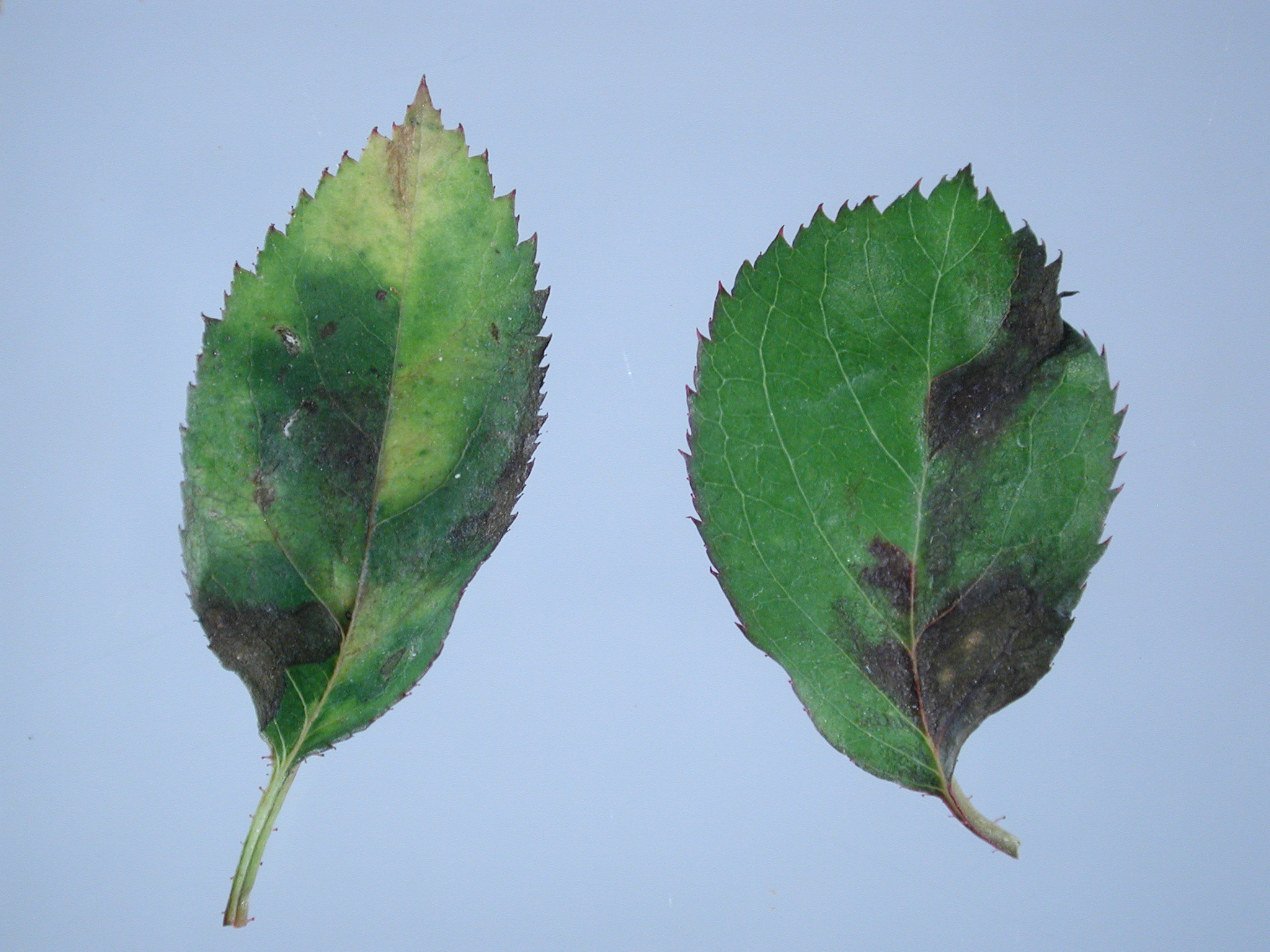
Image related to Rose (Rosa spp.) and hybrids-Chemical Injury