Plant Disease Management Handbook

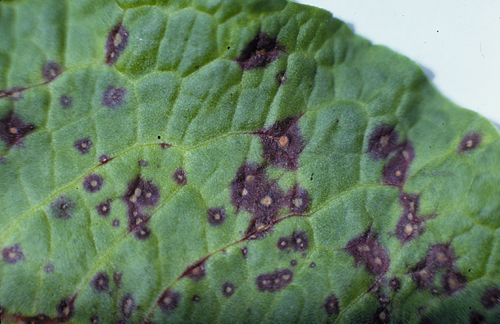
Cause Ascochyta rhei and Ramularia rhei, fungi that overwinter on old rhubarb leaves and stalks. These fungi also can spread through infected rootstock. Leaf spots are common on field-grown rhubarb west of the Cascade Range due to frequent rains in March and April when leaves and stalks are actively growing. Both pathogens produce spores that move by wind and splashing water.

Image related to Rhubarb (Rheum rhabarbarum)-Leaf Spots

Cause Botrytis cinerea, a fungus that overwinters on decayed rhubarb plant parts. Spores also are abundant in the air and on decayed parts of many other plant species. The disease can be a problem in the field but is more destructive in forced crops.

Image related to Rhubarb (Rheum rhabarbarum)-Gray Mold

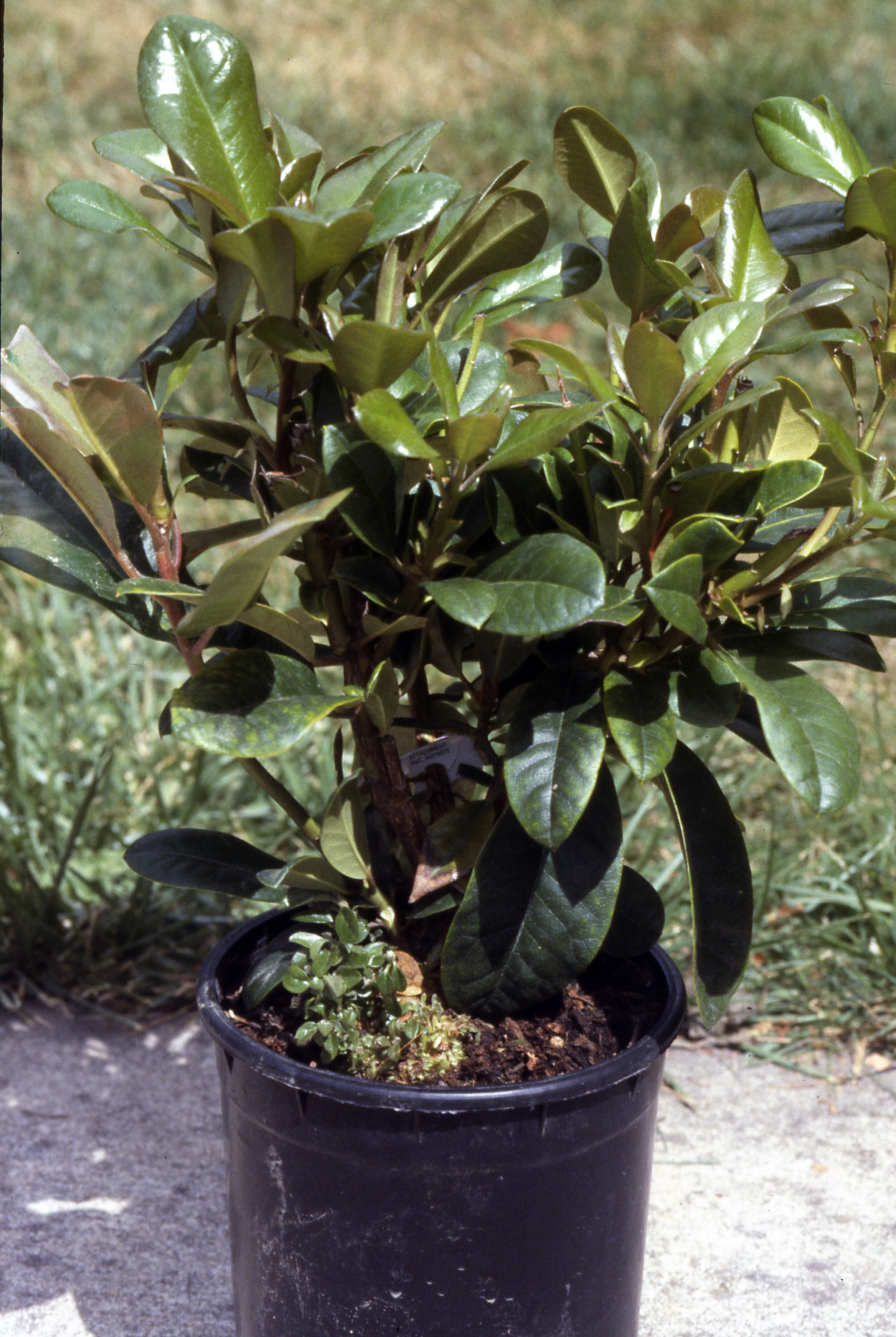
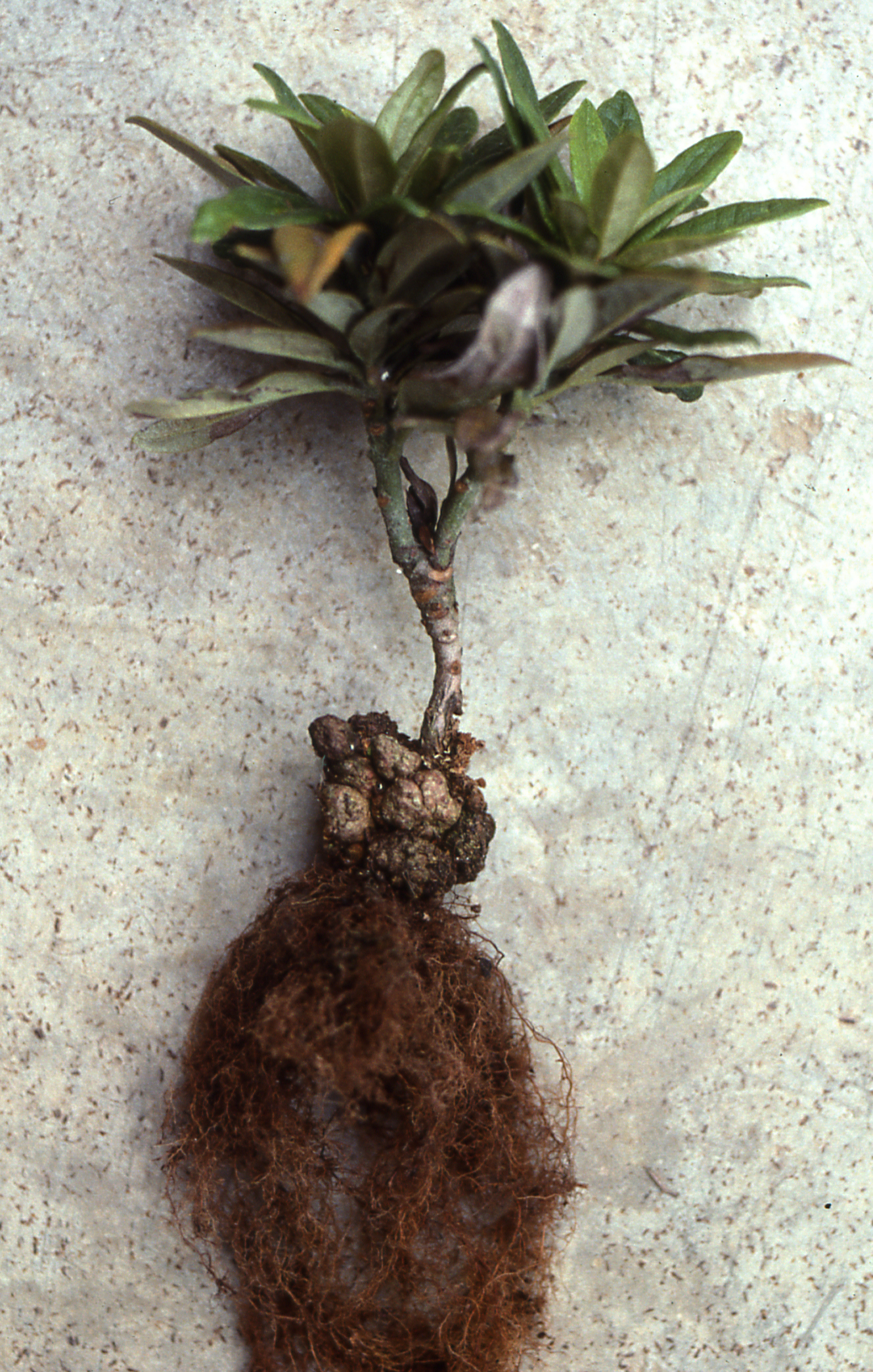
Cause Unknown. A genetic change that occurs during tissue-culture propagation that predisposes plants to express symptoms when grown under accelerated growth conditions. The disease was a major problem for growers in the 1980's but with changes in production of tissue culture plants it has not been a problem for many years. Tissue proliferation has occurred on seedlings and on plants propagated by tissue culture and vegetative cutting.

Cause Chrysomyxa piperiana is probably the main species on native R. macrophyllum in Oregon and has the alternate host, Sitka spruce, which is reported in Oregon. The rust of cultivated rhododendrons is C. reticulata, a native North American rust that spread to nurseries from Ledum.

Image related to Rhododendron-Rusts
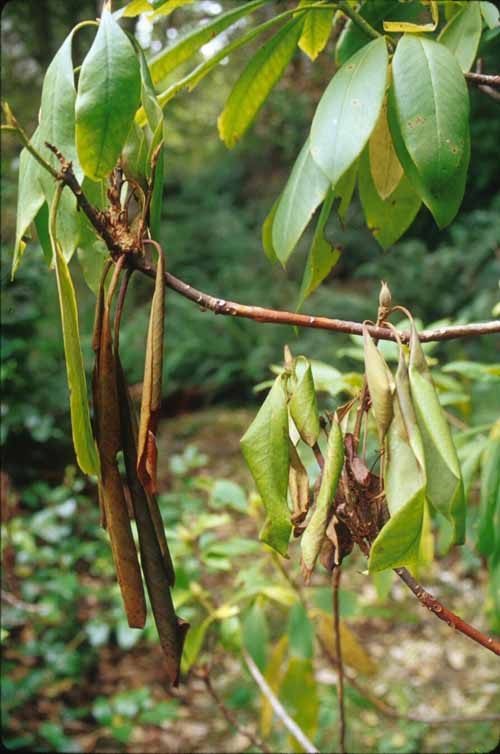
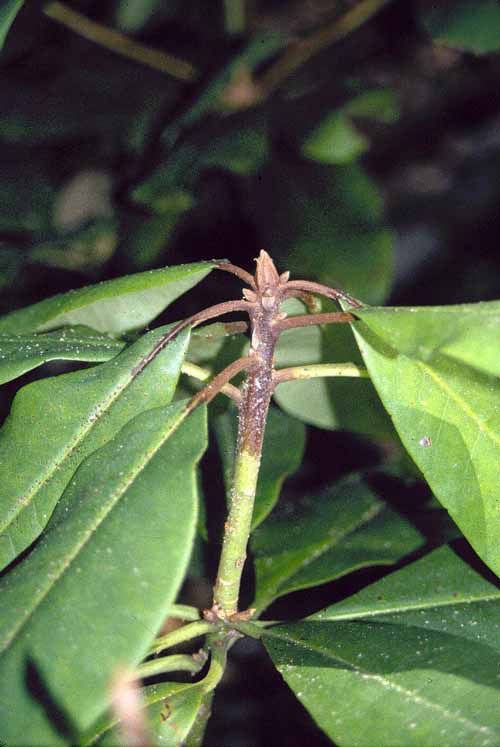
Image related to Rhododendron-Ramorum Leaf Blight and Shoot Dieback

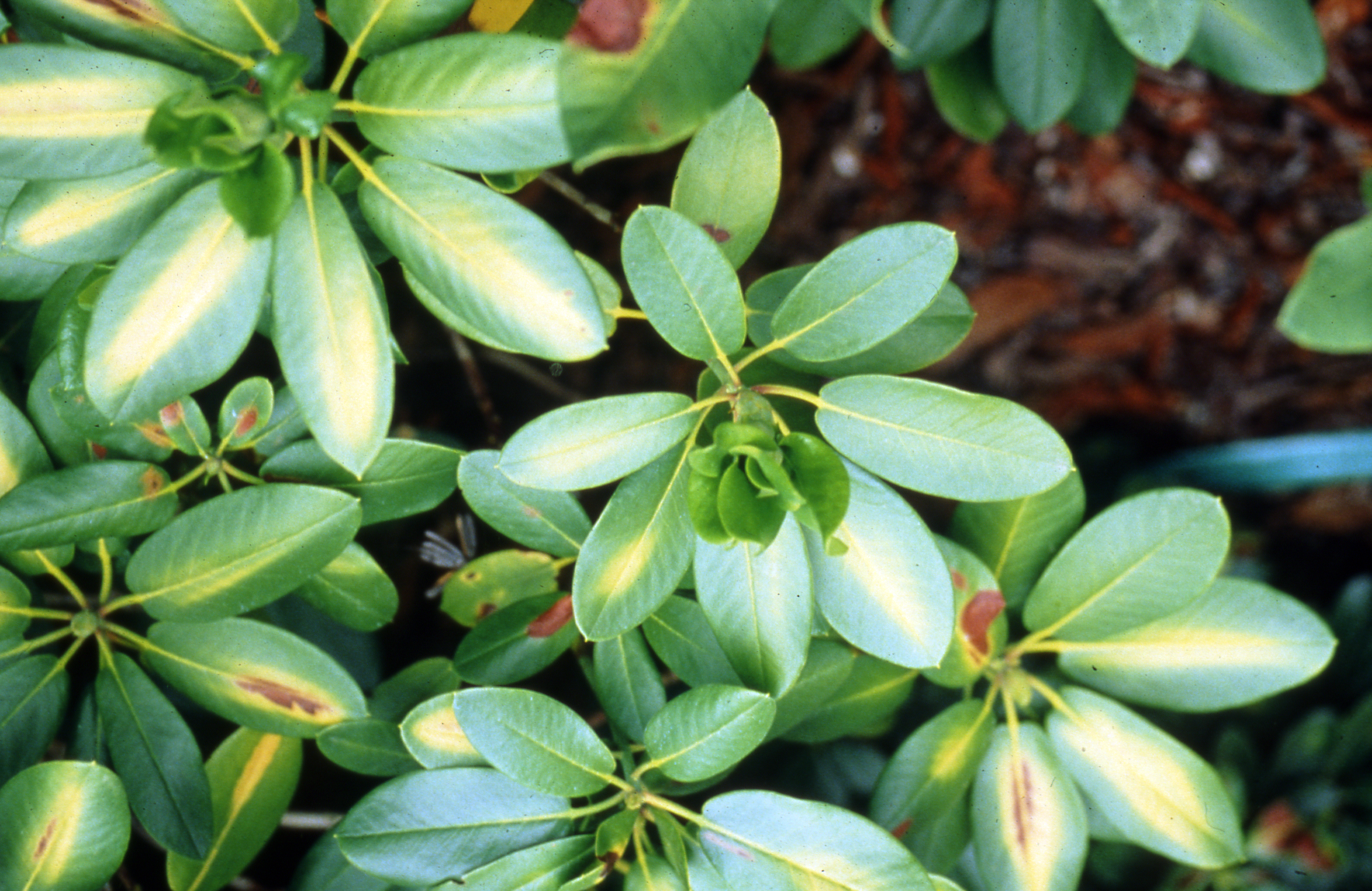
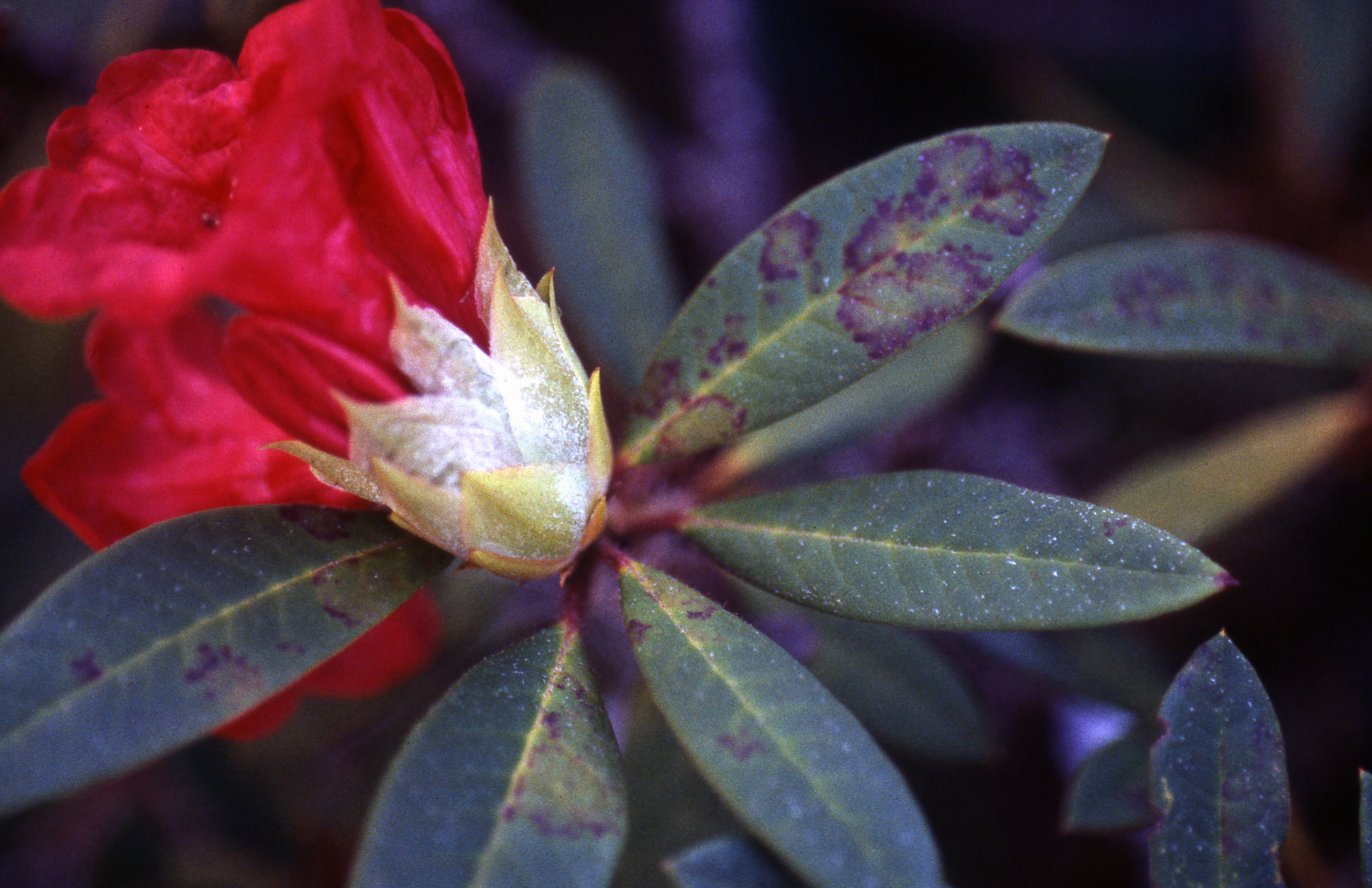
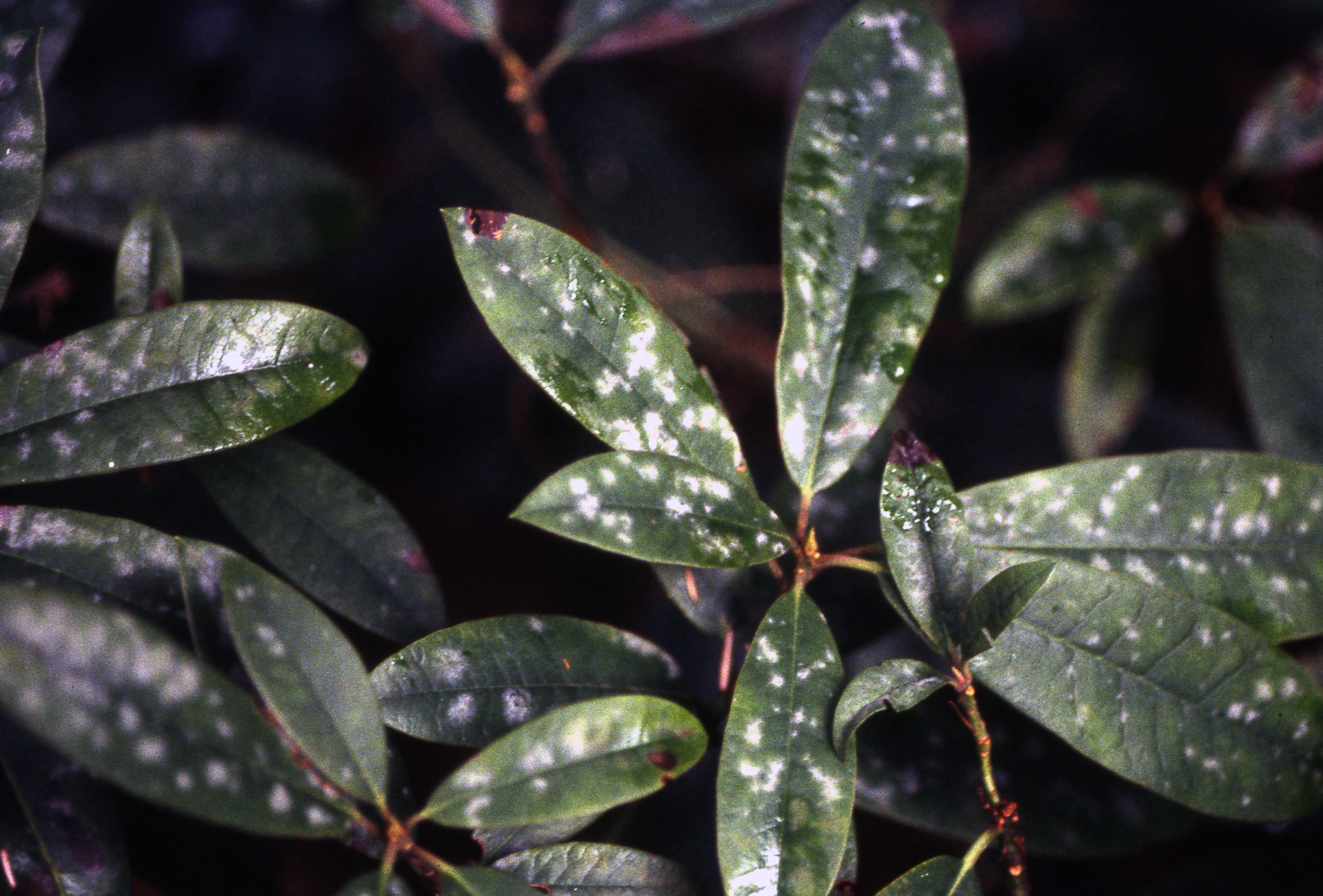
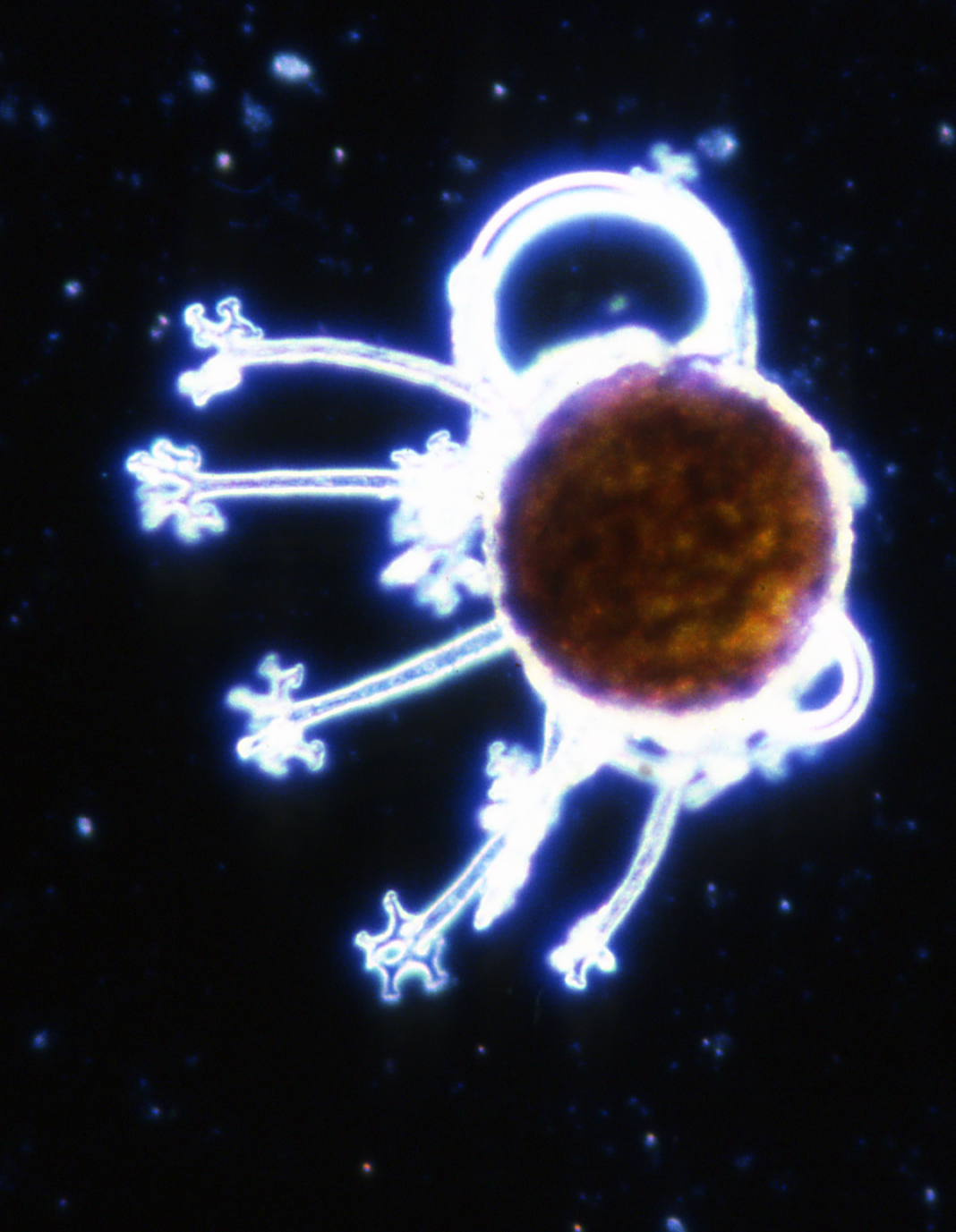
Cause The fungus Erysiphe azaleae (formerly Microsphaera azaleae) is found throughout the Pacific Northwest on garden azalea and rhododendron species and hybrids. Molecular techniques have identified a similar looking fungus as E. digitata which may have been introduced into the PNW in the 1990's.

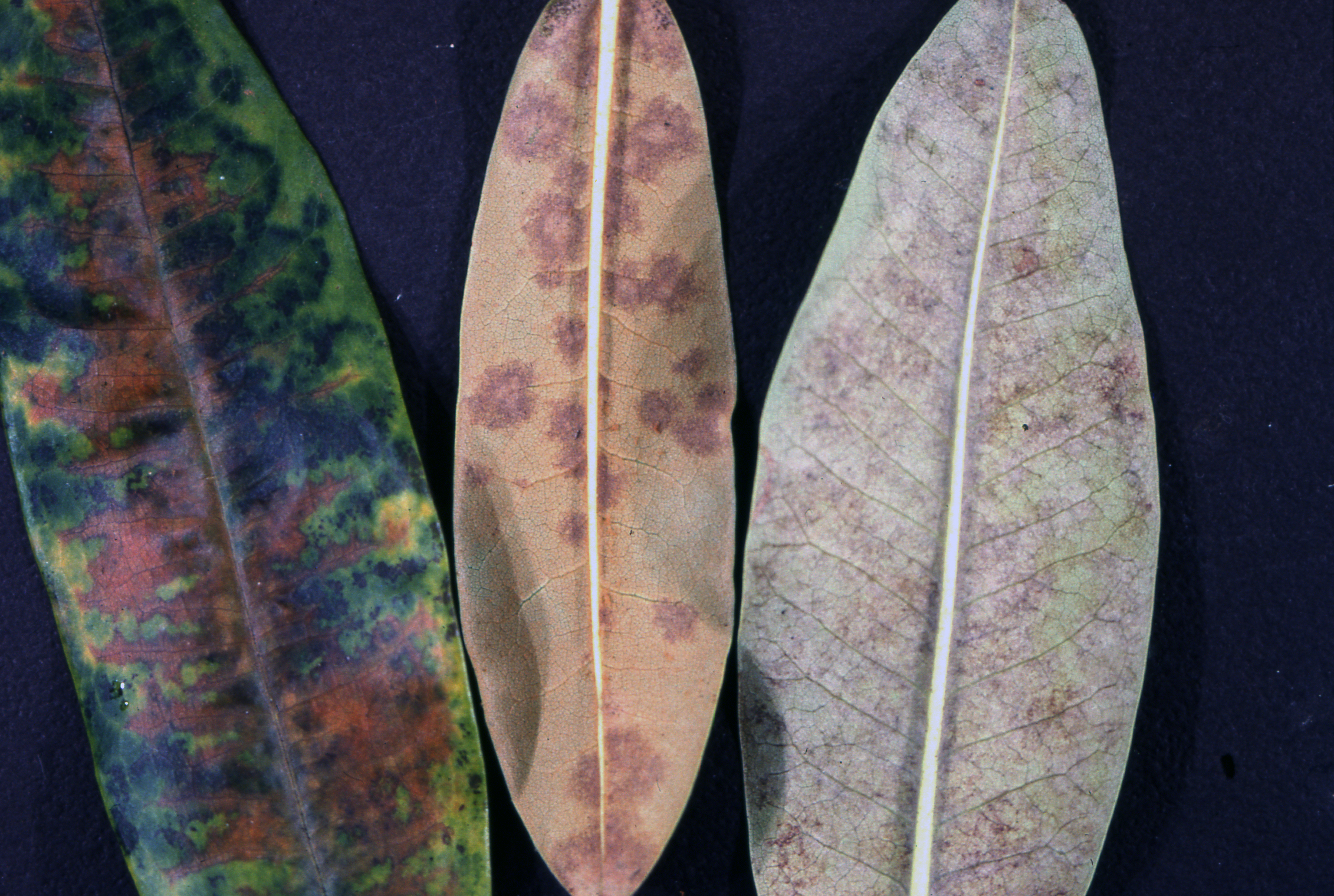
3 rhododendron leaves

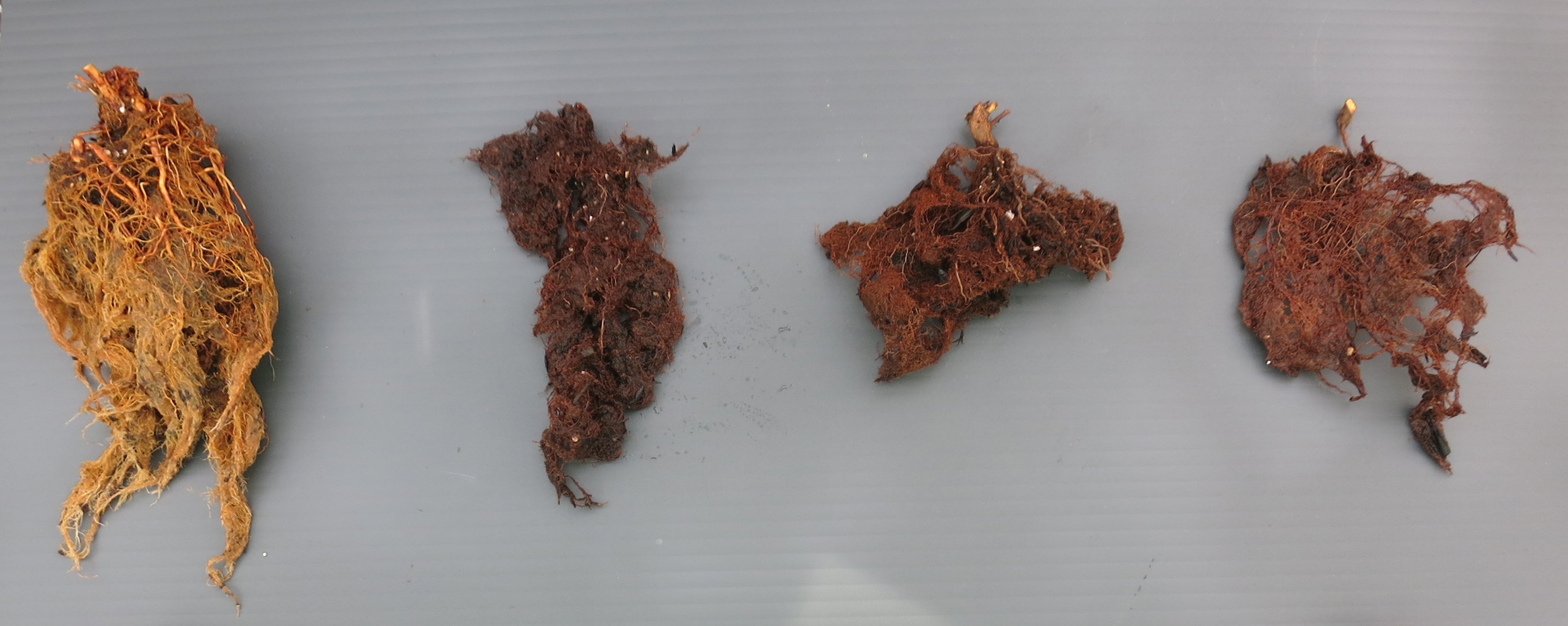
Cause Phytophthora root rot is caused by a number of Phytophthora species, including P. cactorum, P. cambivora, P. cinnamomi, P. citricola, P. cryptogea, P. plurivora, and P. pini. These pathogens are fungus-like microorganisms and are also known as water-molds.

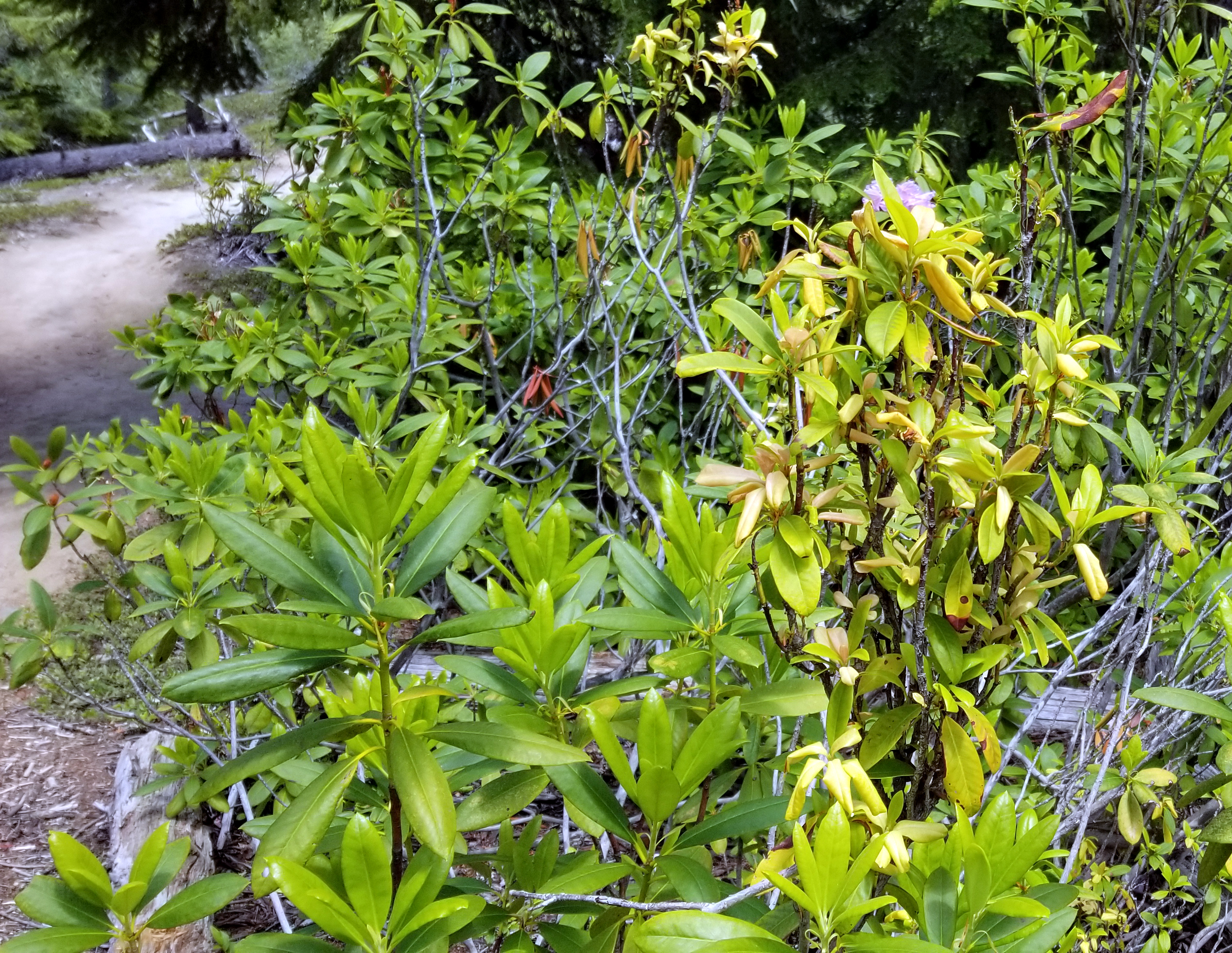
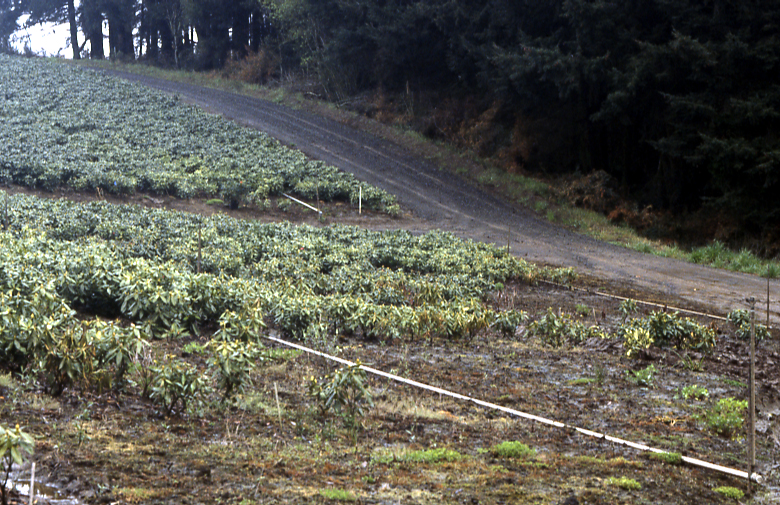
Field planted Rhododendron plants
Image related to Rhododendron-Phytophthora blight and dieback