Plant Disease Management Handbook

Cause Sclerotinia sclerotiorum is a fungus that overwinters as small black structures (sclerotia). Sclerotia may survive several years. After a moisture-conditioning period of at least 70 days, they produce a small, stalked, cup-shaped fruiting structure (apothecium), which releases spores into the air. Spores may infect senescent tissue such as blossoms and leaves or may germinate and colonize plant debris.

Cause Bremia lactucae, a fungus-like microorganism. The pathogen overwinters on wild hosts and weeds. It is worse in damp, foggy weather and between 43°F and 53°F.

Symptoms Light-green or yellowish areas on the upper leaf surface are matched by downy patches on the undersurface. Affected parts turn brown, and leaves die. Older leaves are attacked first.

Cultural control

Cause Pythium spp., Rhizoctonia solani, and Fusarium spp. Pythium is favored by cool, overly-wet soil conditions, Rhizoctonia by warmer soil temperatures, and Fusarium can grow at a wide range of conditions. All are soilborne and can produce long-living survival structures.

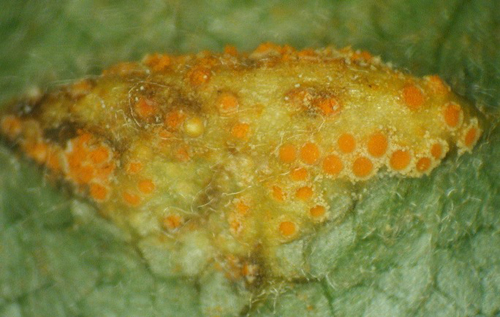
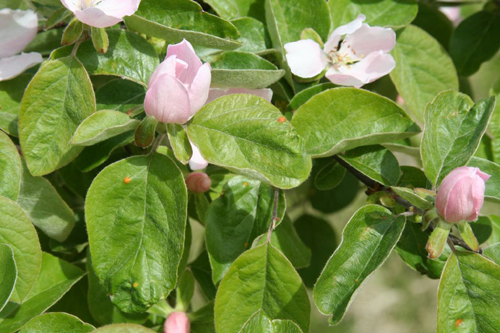
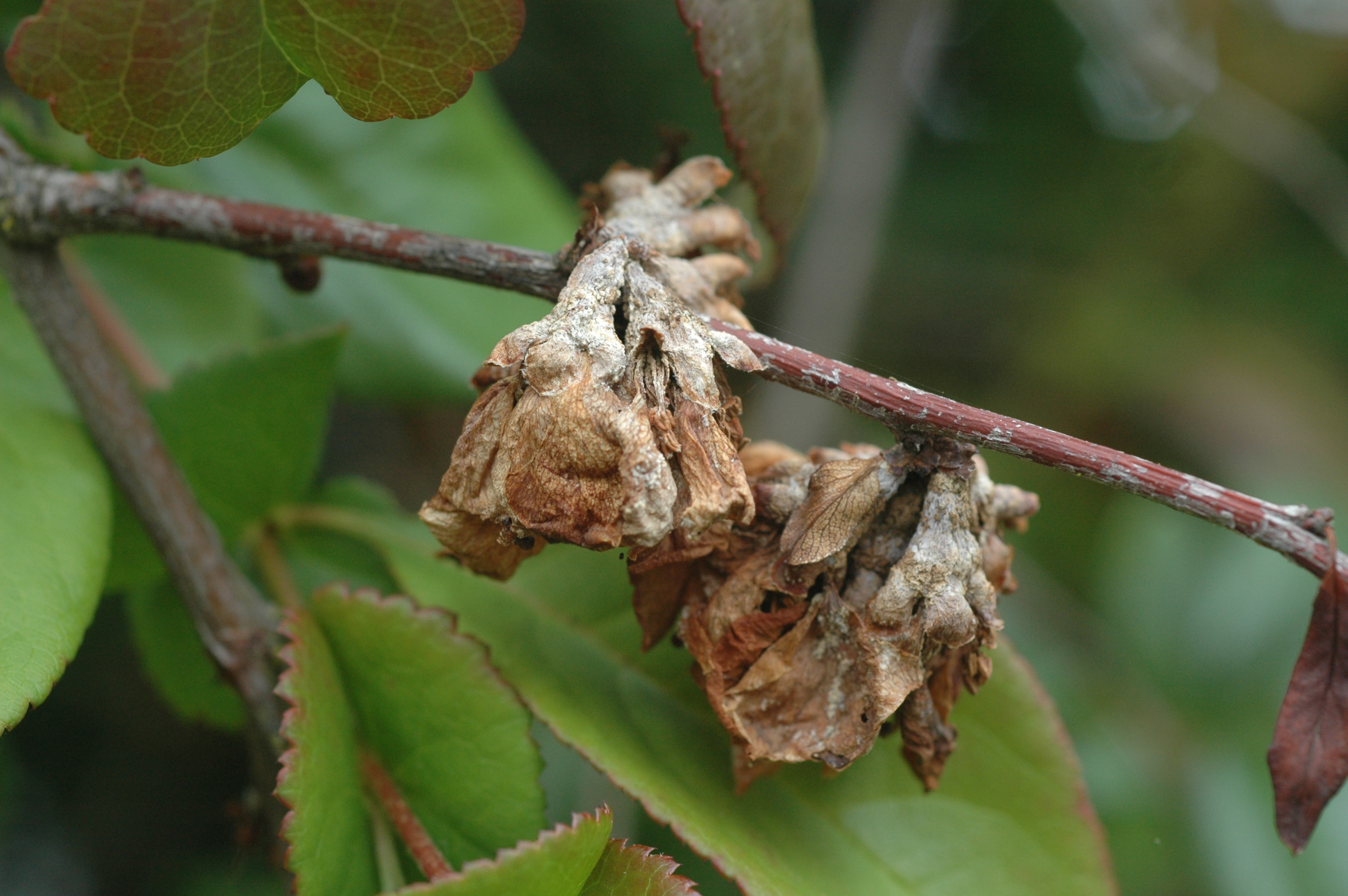
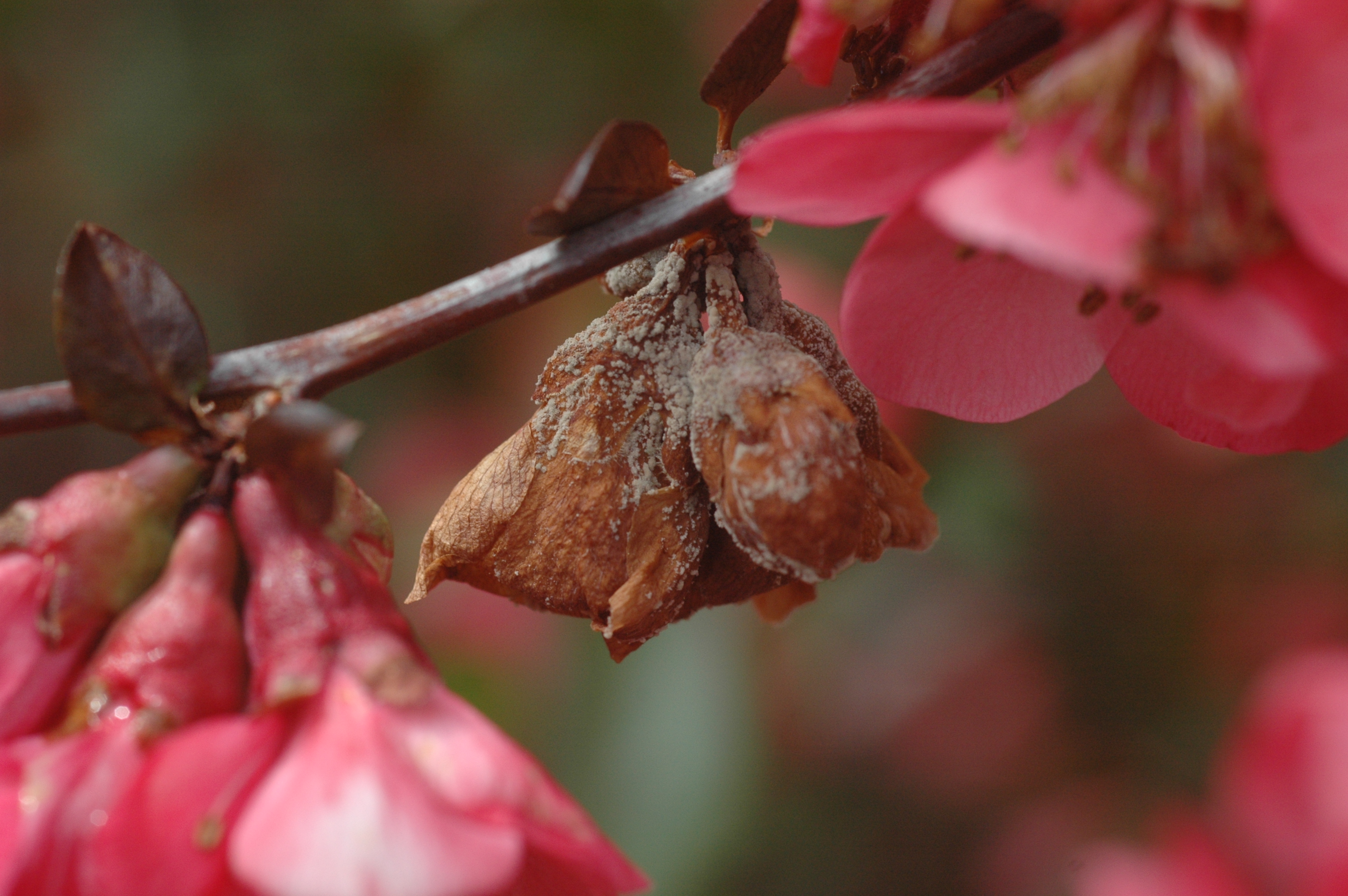
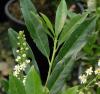
Image related to Quince-Rust
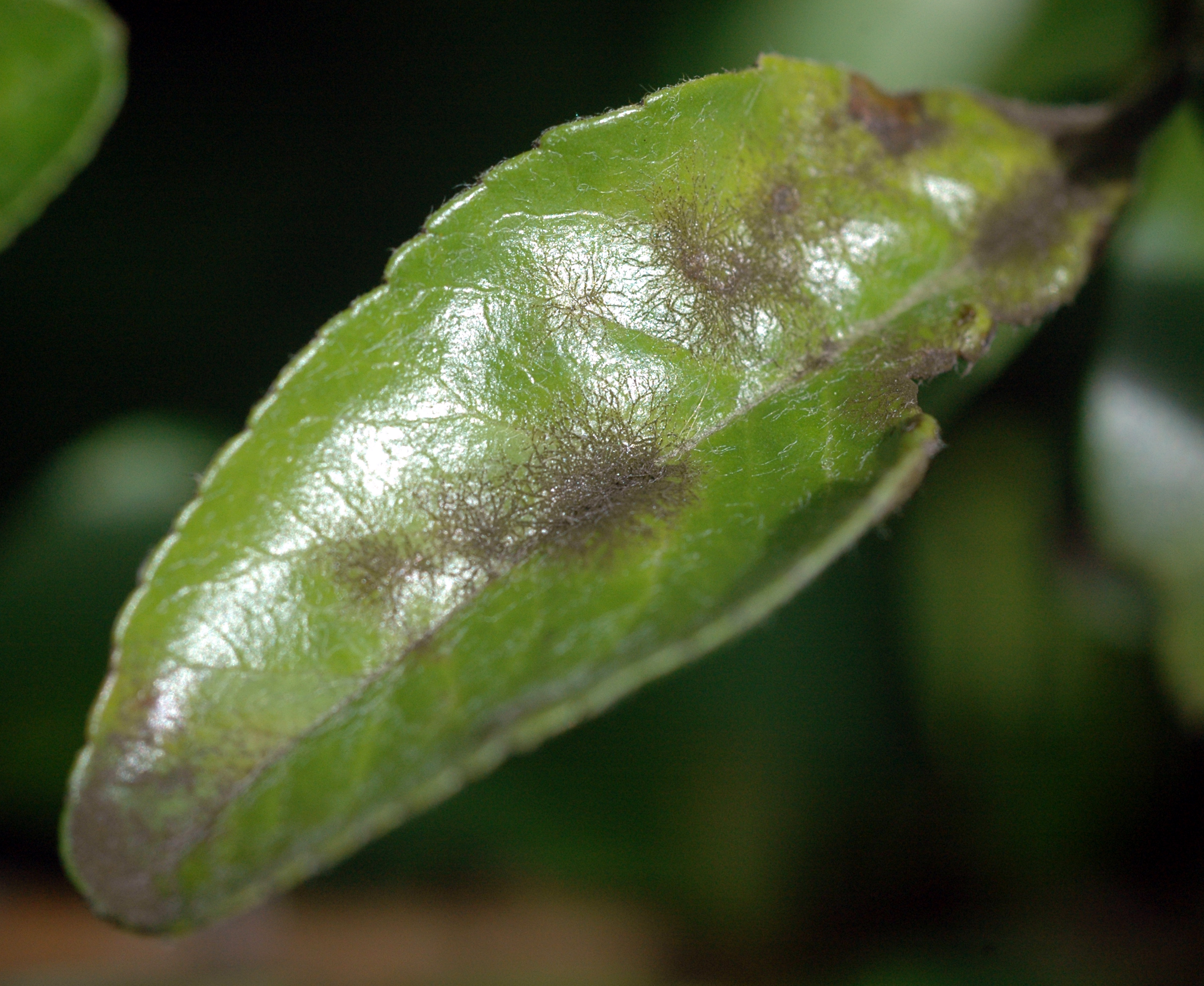
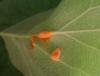
Image related to Quince-Leaf Spot

Cause Venturia inaequalis (formerly Spilocaea pyracanthae), a fungus that overwinters in infected leaves, twigs, and berries. No ascigerous state has been identified. Hosts are evergreen, but only young leaves and berries are most susceptible to infection. Rain splashes spores to young, emerging leaves and flower buds in the spring. Conidia, produced in lesions, are also spread during wet weather to healthy portions of the plant. Wet weather favors disease development.

See:

Cause Erwinia amylovora, a bacterium that survives in affected wood of this and many other ornamentals. This is the same fire blight that attacks apple, pear, and other closely related plants. It usually goes unnoticed on ornamentals such as cotoneaster, hawthorn, and pyracantha.

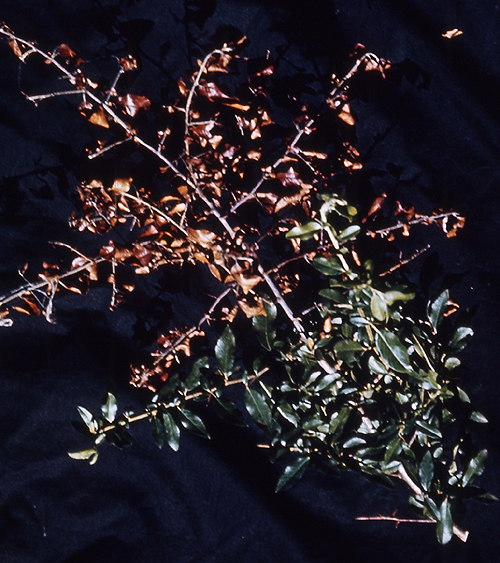
Image related to Pyracantha (Firethorn)-Fire Blight