Plant Disease Management Handbook

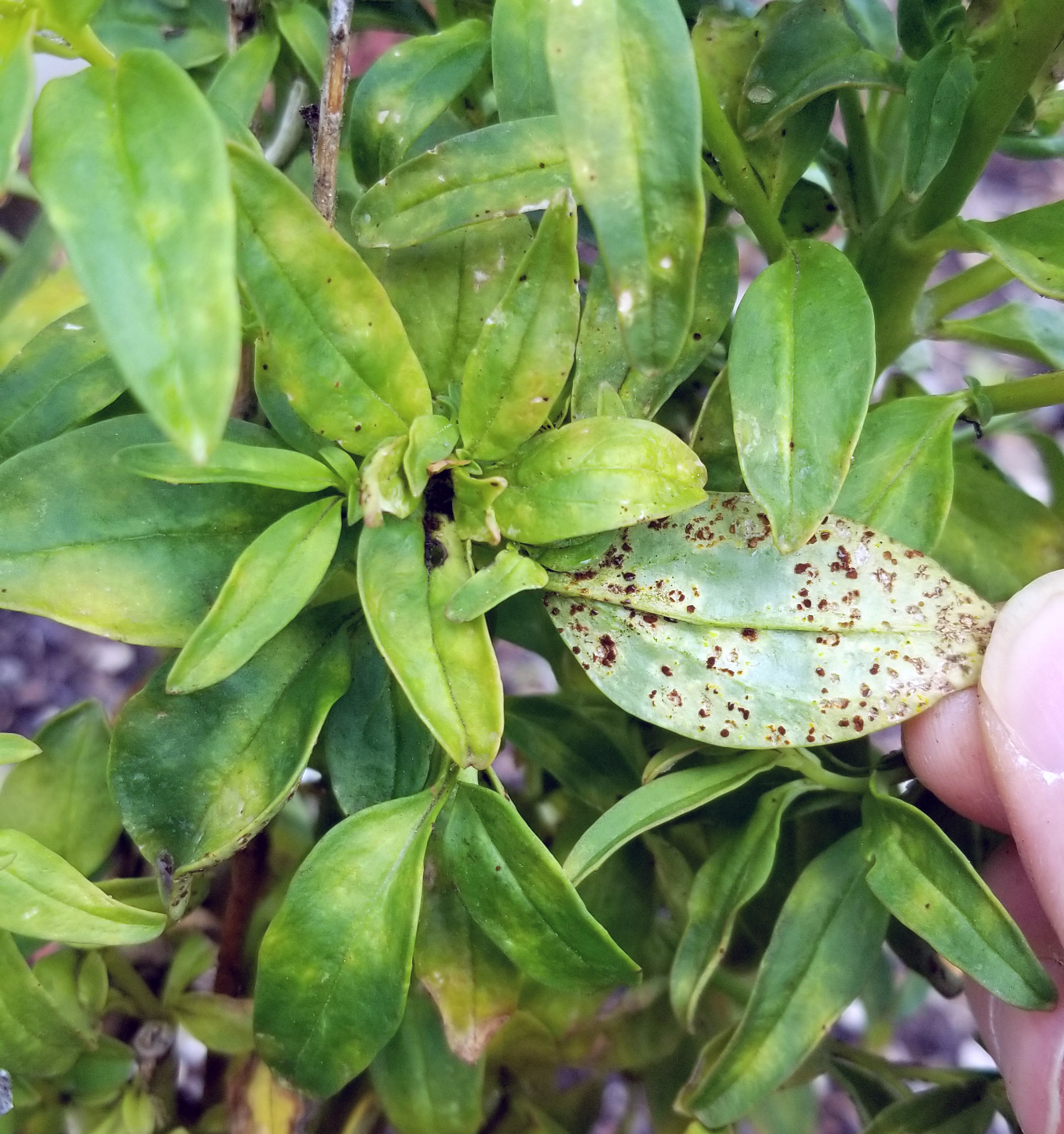
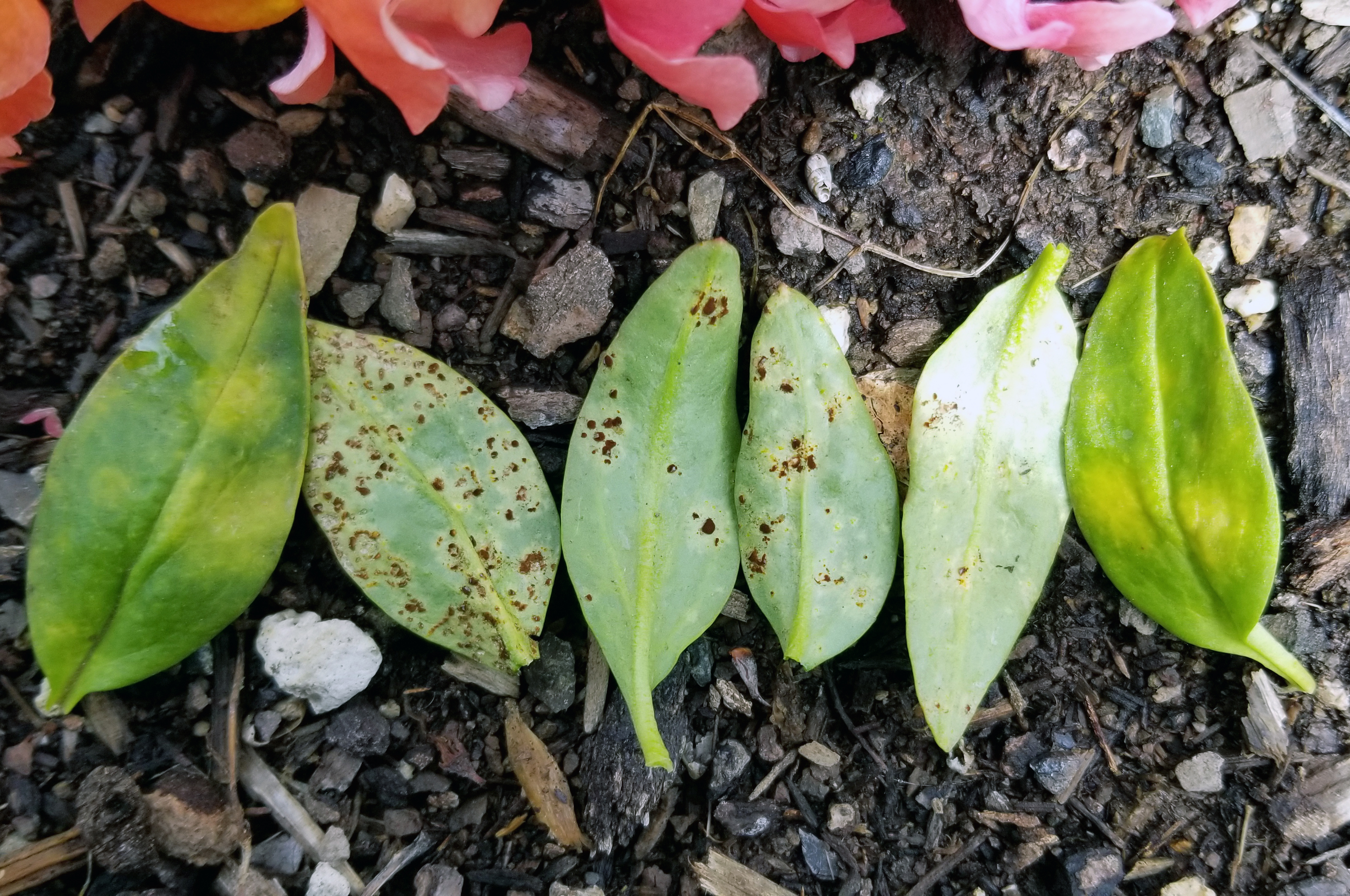
Cause The OSU Plant Clinic has found Fusarium sp. on dusty miller Jacobaea maritima, formerly Senecio cineraria). It survives in the soil as thick-walled, dormant chlamydospores, which germinate in response to exudates from nearby plant roots. Hyphae then penetrate the roots, colonize the cortex and move into the xylem tissue. Small spores (microconidia) are produced and carried up into the plant.

By C. M. Ocamb

Image related to Seed Crop, Crucifers (Brassica and Raphanus spp.)-White Leaf Spot and Gray Stem

By C. M. Ocamb

Image related to Seed Crop, Crucifers (Brassica and Raphanus spp.)-Sclerotinia Stem Rot

By C. M. Ocamb

Cause A fungus, Cladosporium variable. This fungus can grow under a wide range of temperatures, but 59°F to 68°F with relative humidity above 80% is most conducive to disease development in seed-crop crucifers. Spores can be moved by air, rain splash, or equipment.

By C. M. Ocamb

Image related to Seed Crop, Crucifers (Brassica and Raphanus spp.)-Light Leaf Spot

Cause Xanthomonas campestris pv. campestris is a bacterium that overwinters in plant refuse for up to 2 years and is carried internally and externally on seed. The bacterium infects other crucifer crops and weeds. It may be spread in the field by water (rain, irrigation), insects, equipment, and animals. Many outbreaks can be attributed to disease spread in the seedbed.

By C. M. Ocamb

Image related to Seed Crop, Crucifers (Brassica and Raphanus spp.)-Black Leg