Plant Disease Management Handbook

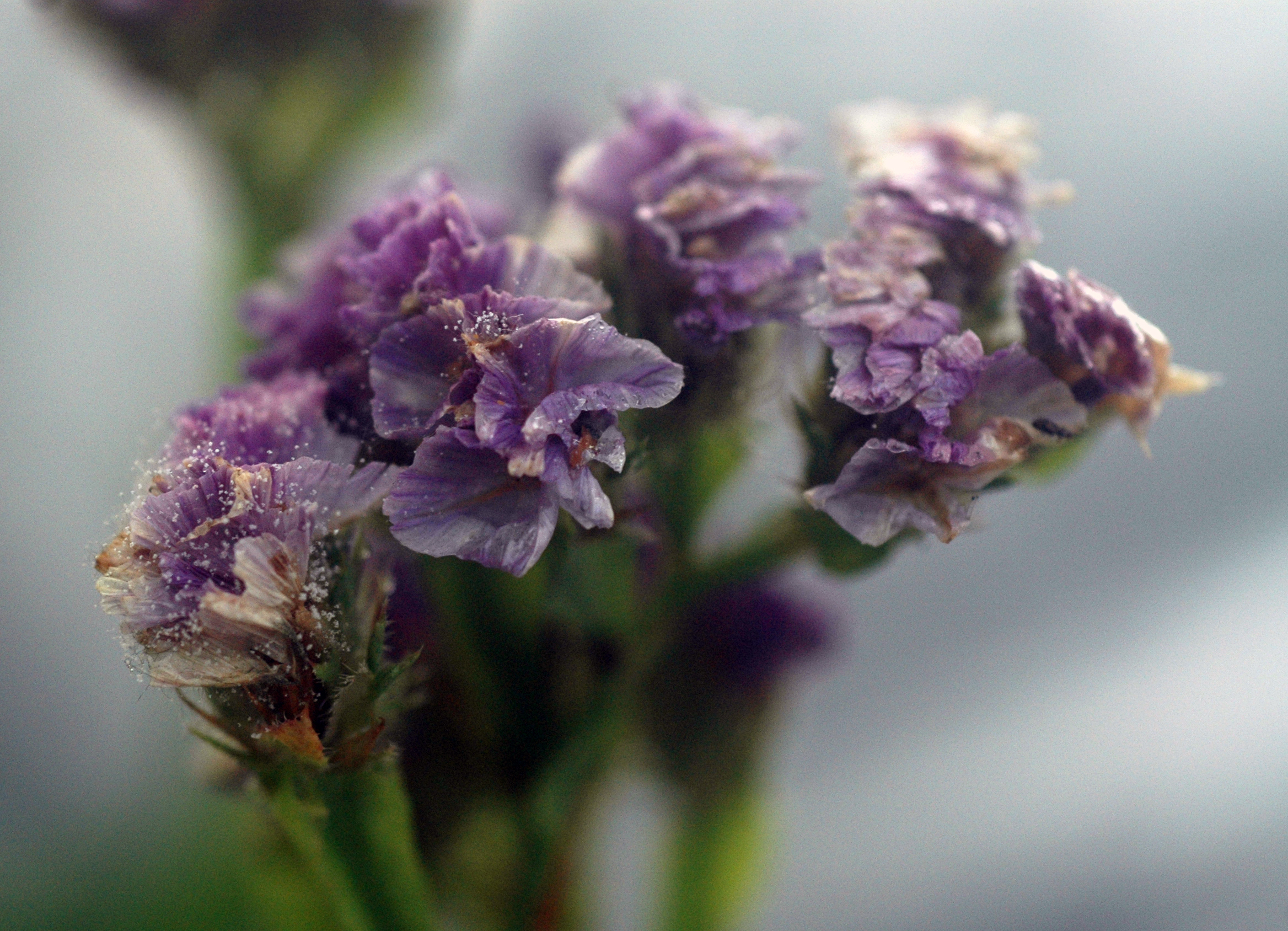
Cause Colletotrichum gloeosporioides (sexual: Glomerella cingulata), a fungus that survives on infected plants and plant debris. Some reports indicate the fungus may be seedborne. Wet weather and overhead irrigation favor the disease. Spores are produced in abundance within lesions. 'Gold Coast' is very susceptible.

See:

By C. M. Ocamb and H. Rivedal

Cause The fungus, Septoria cucurbitacearum, can infect leaves and fruit of many cucurbits. It was found in zucchini fields in the Willamette Valley during 2004. The fungus survives on host debris for more than a single year as mycelium. Pycnidia are produced on infested debris and then form conidia, which are moved by splashing or wind-blown rain. Disease is favored by cool, wet weather in the spring or late summer.

Cause The fungus, Sclerotinia sclerotiorum, has been observed frequently in Oregon, particularly on zucchini and kubocha squash. This fungus overwinters in soil as sclerotia or on old infected plant material. The greatest losses are in pumpkins or squash piled in the open, or in storage, following preharvest infection. In storage, the disease is called watery soft rot.

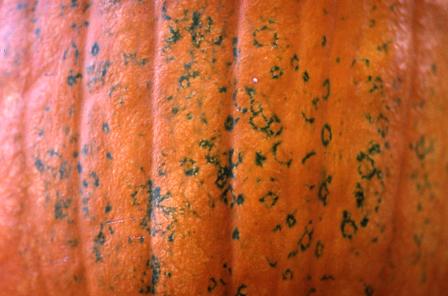
Cause The fungus, Cladosporium cucumerinum, which overwinters in cucurbit debris in soil, in greenhouse cracks and corners, and on seed. It can infect and severely injure fruit at all growth stages, particularly when young. Spores can travel long distances in moist air and can also be disseminated by insects, clothing, and tools. They penetrate the host less than 9 hours after germination; infection is visible in 3 days, and spores may be produced in 4 days.

Cause The fungi, Golovinomyces cucurbitacearum (formerly G.