Plant Disease Management Handbook

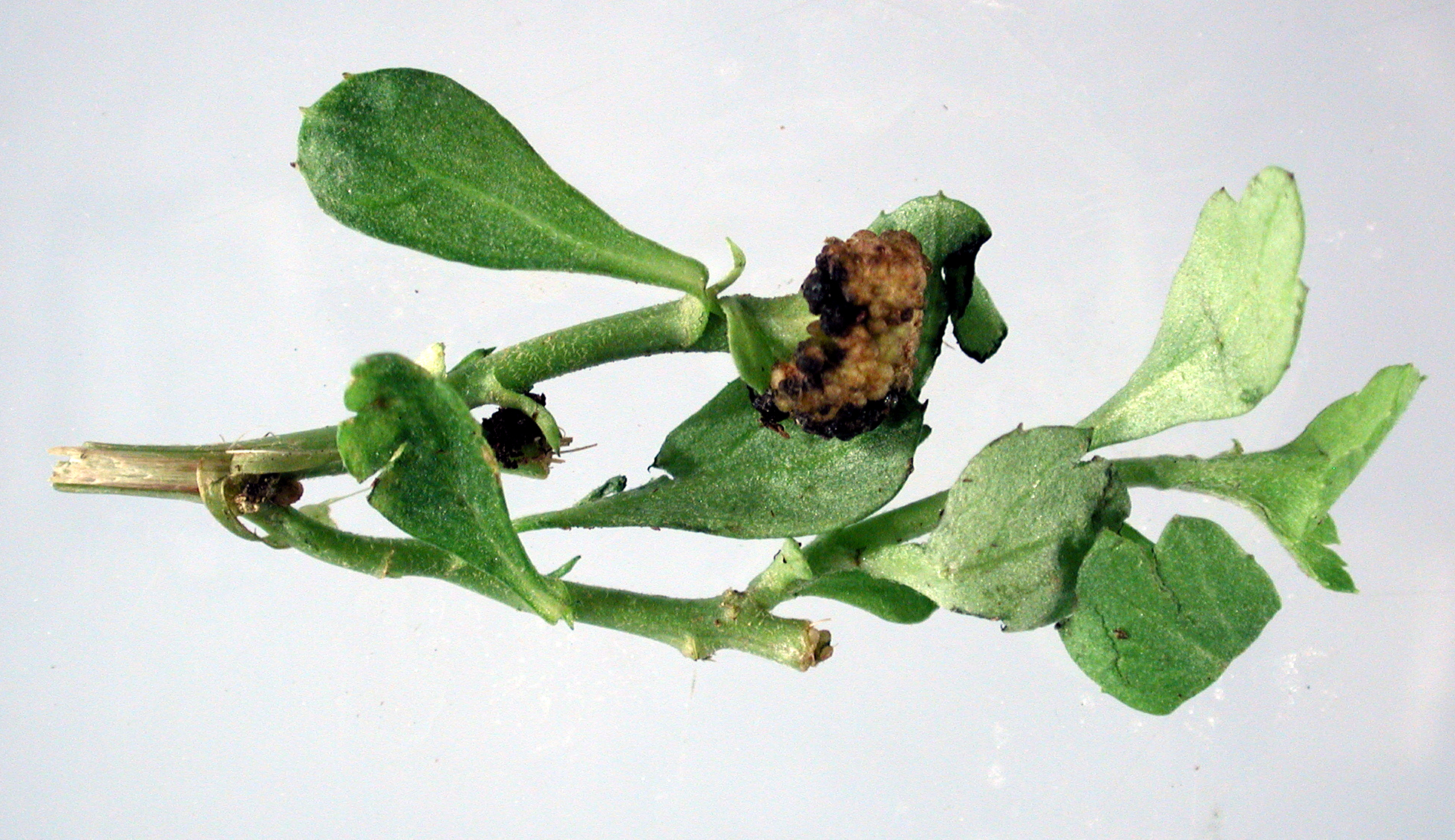
Photo showing Shoot blight on mountain hemlock.
Photo of Grape (Vitis spp.)-Bot Canker

Cause Xanthomonas vesicatoria (formerly X. campestris pv. vesicatoria) is a bacterium that overwinters in plant refuse for up to 2 years and can be seedborne. The bacterium infects solanceous weeds such as black nightshade and ground cherry; some strains also infect pepper.

See:

Cause The tomato spotted wilt virus, which is transmitted from plant to plant by thrips. This virus is a primary problem in greenhouses and can infect hundreds of weed, ornamental, and vegetable species, which then can harbor the virus. In Oregon, the problem has been found in potato fields.

Oak (Quercus spp.)-White Pocket Rot (Piped Rot)

Cause Neonectria ditissima (formerly Nectria galligena), a fungus, occasionally causes a perennial target-shaped canker on the trunk and limbs of Oregon white oak. In response to infection, the tree forms a callus ridge around the initial canker. The following year the fungus invades the heathy tissue beyond the callus ridge, and the tree forms another callus ridge.

Oak (Quercus spp.)-Nectria Canker
Oak (Quercus spp.)-Inonotus Root and Butt Rot

Cause Ganoderma applanatum (formerly Fomes applanatus), also called the "Artist's conk," is a common root and butt rot fungus on oaks and other hardwoods, especially Oregon white oak. Decay is a white-mottled rot of the trunk and large roots. Decay can extend more than 10 feet above ground.

Oak (Quercus spp.)-Ganoderma Root and Butt Rot