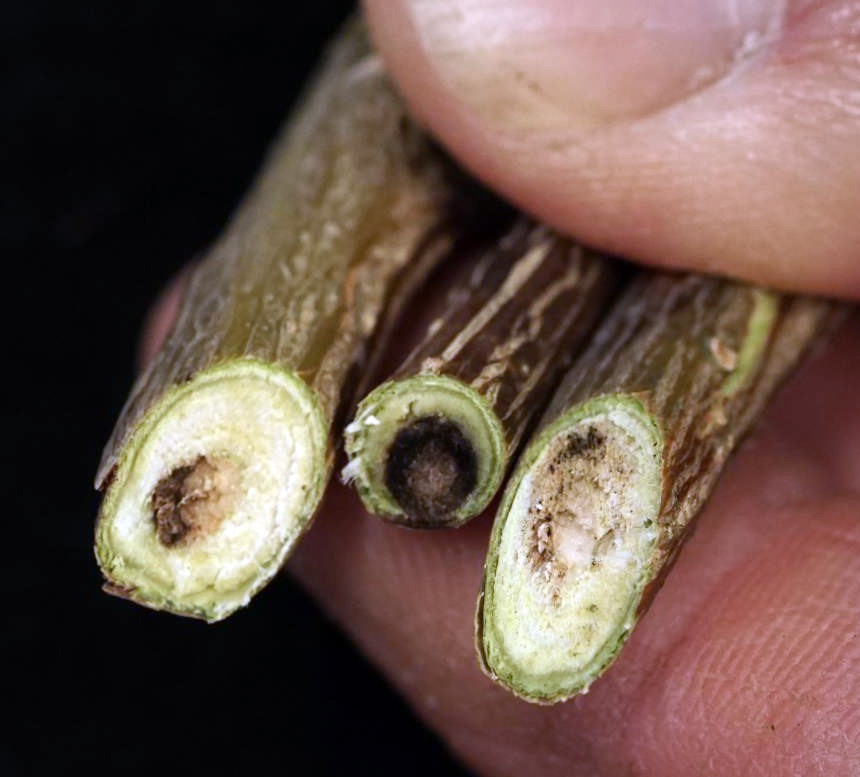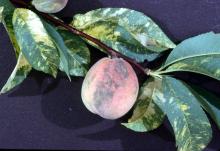
Slide is labeled "Peach Calico" which has since been shown to be due to Peach latent mosaic virus but can also be confused with Peach mosaic virus.
OSU Extension Plant Pathology Slide Collection, 1991.

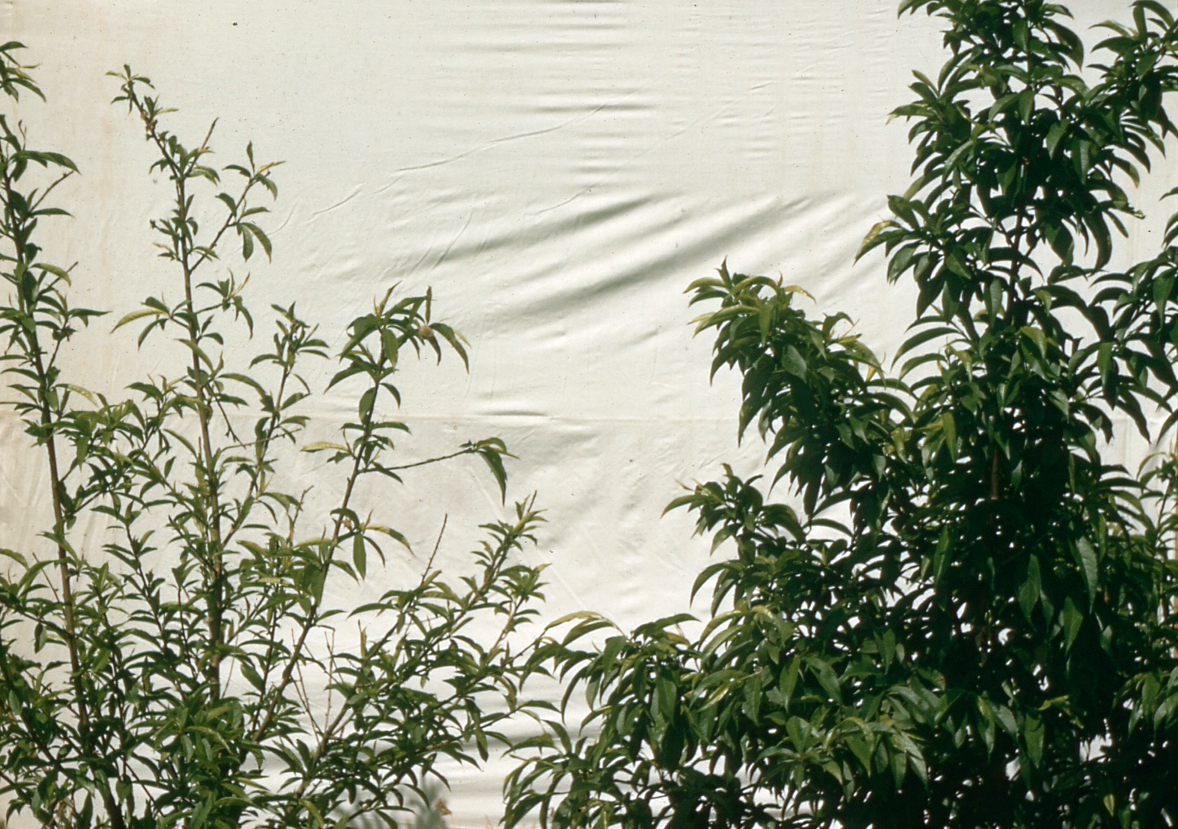
Slide labeled "Peach Ringspot Virus" on 'Hale' peach which we assume means Prunus necrotic ringspot virus.
OSU Extension Plant Pathology Slide Collection, circa 1950's.
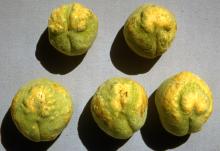
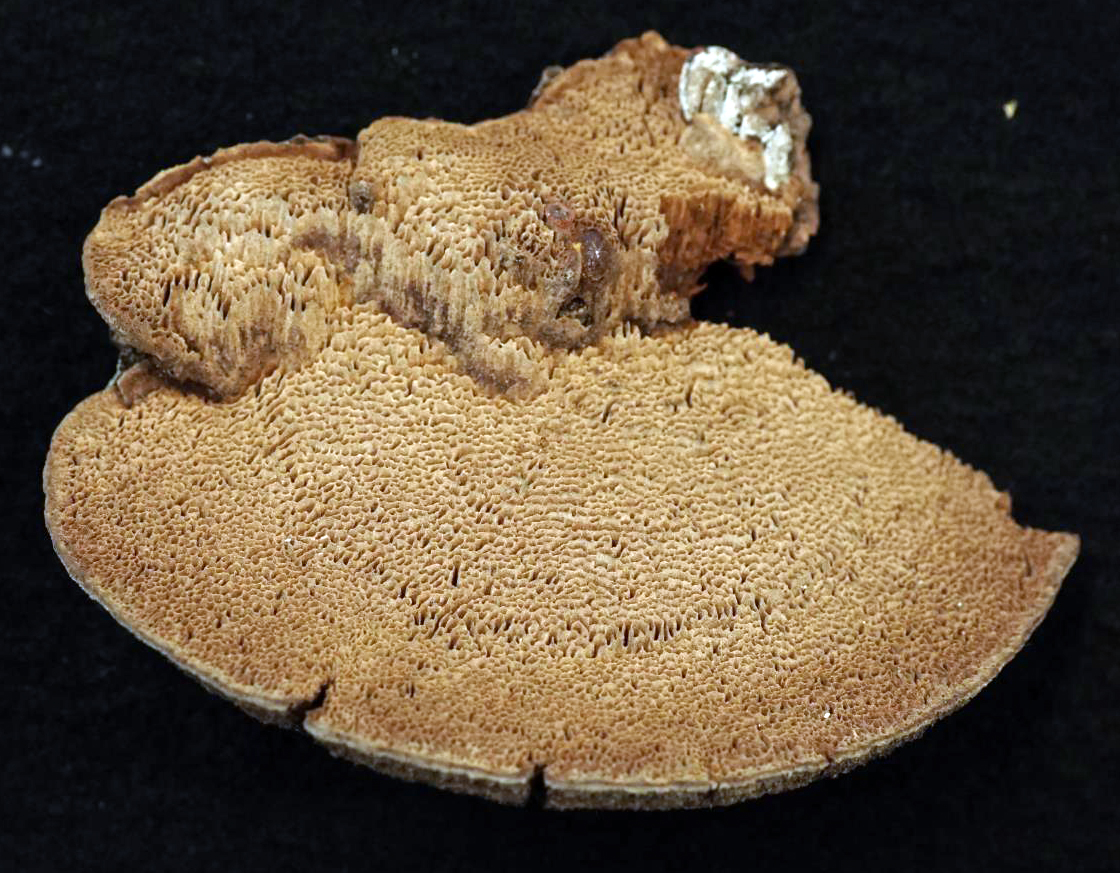
Slide is labeled Peach Wart.
OSU Extension Plant Pathology Slide Collection, circa 1950's.
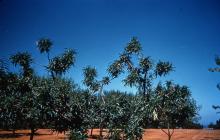
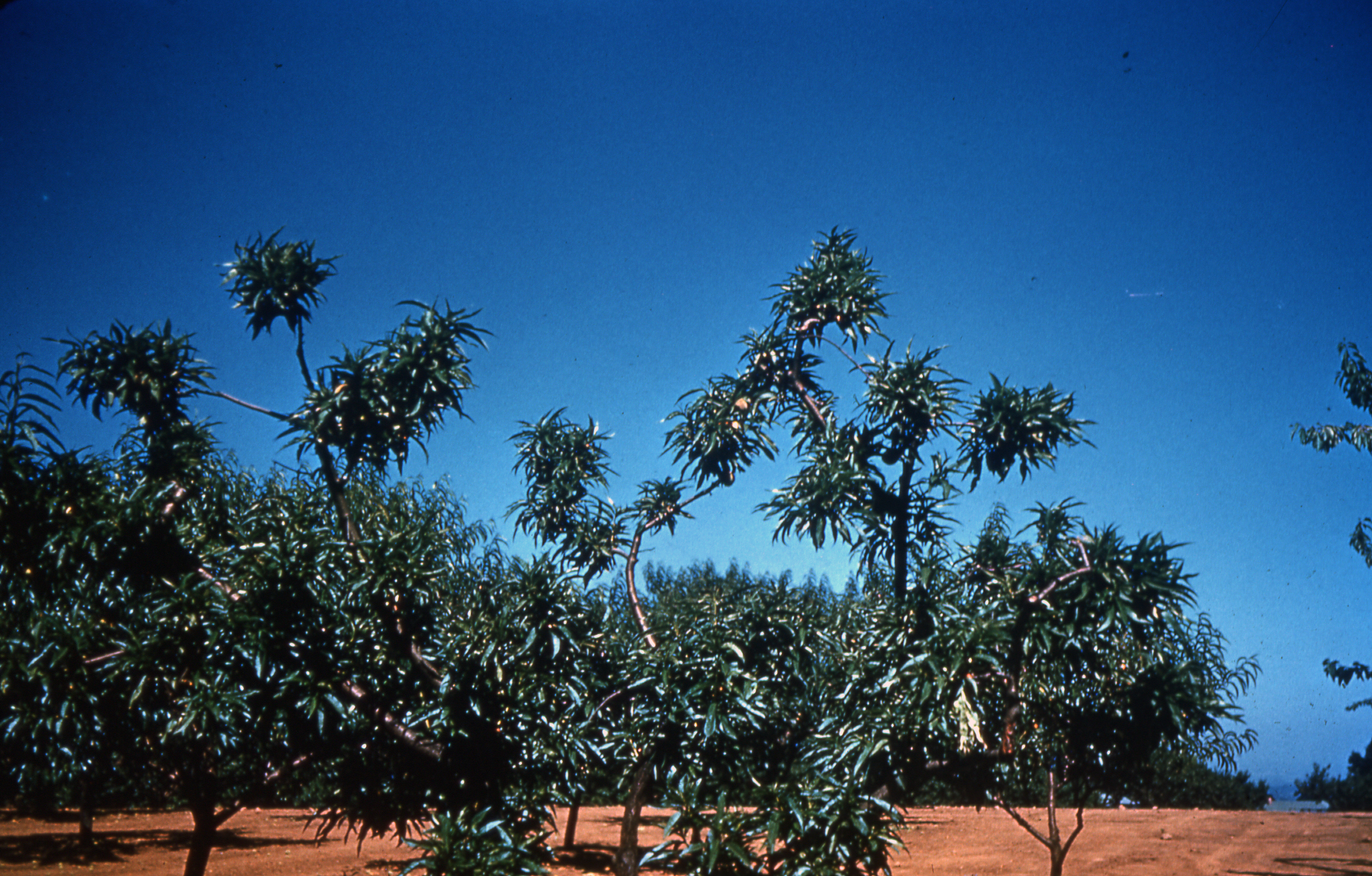
Old slide clearly shows rosette symptom on peach clv 'Muir' grown in West Salem, OR. Labeled "Peach Green Rosette" and speculated about it being due to a cherry virus (since cherry orchards were on either side). Not likely the peach rosette phytoplasma since trees would die quickly. Possible Peach rosette mosaic virus but slide does not indicate mosaic symptoms.
OSU Extension Plant Pathology slide collection, circa 1950s.