
See:
Pear (Pyrus spp.) - Fire Blight
Cause Erwinia amylovora, a bacterium that overwinters in cankers on infected quince, pear, apple, and some ornamental trees. Fire blight can be a devastating disease on European quince. Dieback can kill young trees in a single season and can persist in older trees for many years. Primary infections occur when rain, heavy dew, or pollinating insects carry bacteria from the cankers to open flowers during bloom. Bacteria can also be spread mechanically through cultural practices like pruning.
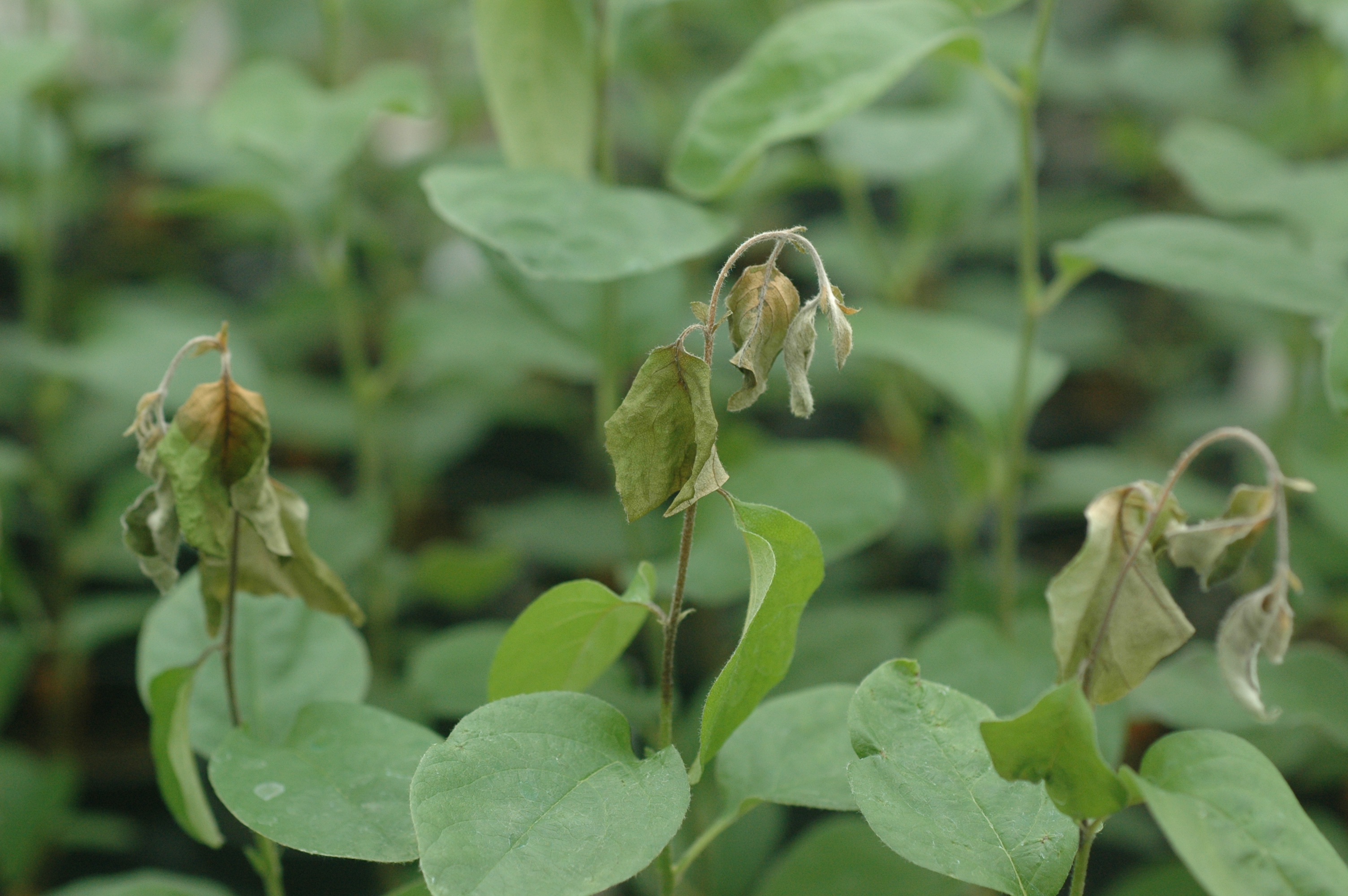
Symptoms Damage can occur on blossoms, fruit, shoots, twigs, branches, and entire trees. The tip of infected shoots become wilted and bend backward in the shape of a shepherd's cane (referred to as a shepherd's crook). Leaves and shoots become wilted and turn orange to brown. When woody tissue becomes infected it becomes blackened. Blossoms can become infected leading to wilting and necrosis. Infected fruitlets appear small, shriveled with blotchy necrosis and can exude bacteria laden ooze during warm, humid conditions.
Cultural control
- Remove and destroy infected plant parts with sanitized equipment.
- Scout for and prune out infected material. Whole tree removal may be necessary.
Chemical control Bactericides can be applied preventively before disease is present and reapplied throughout the growing season.
Note Arbor-OTC is registered for trunk injection, see label for details. Group 41 fungicide (antibiotic). 12-hr reentry.