Plant Disease Management Handbook

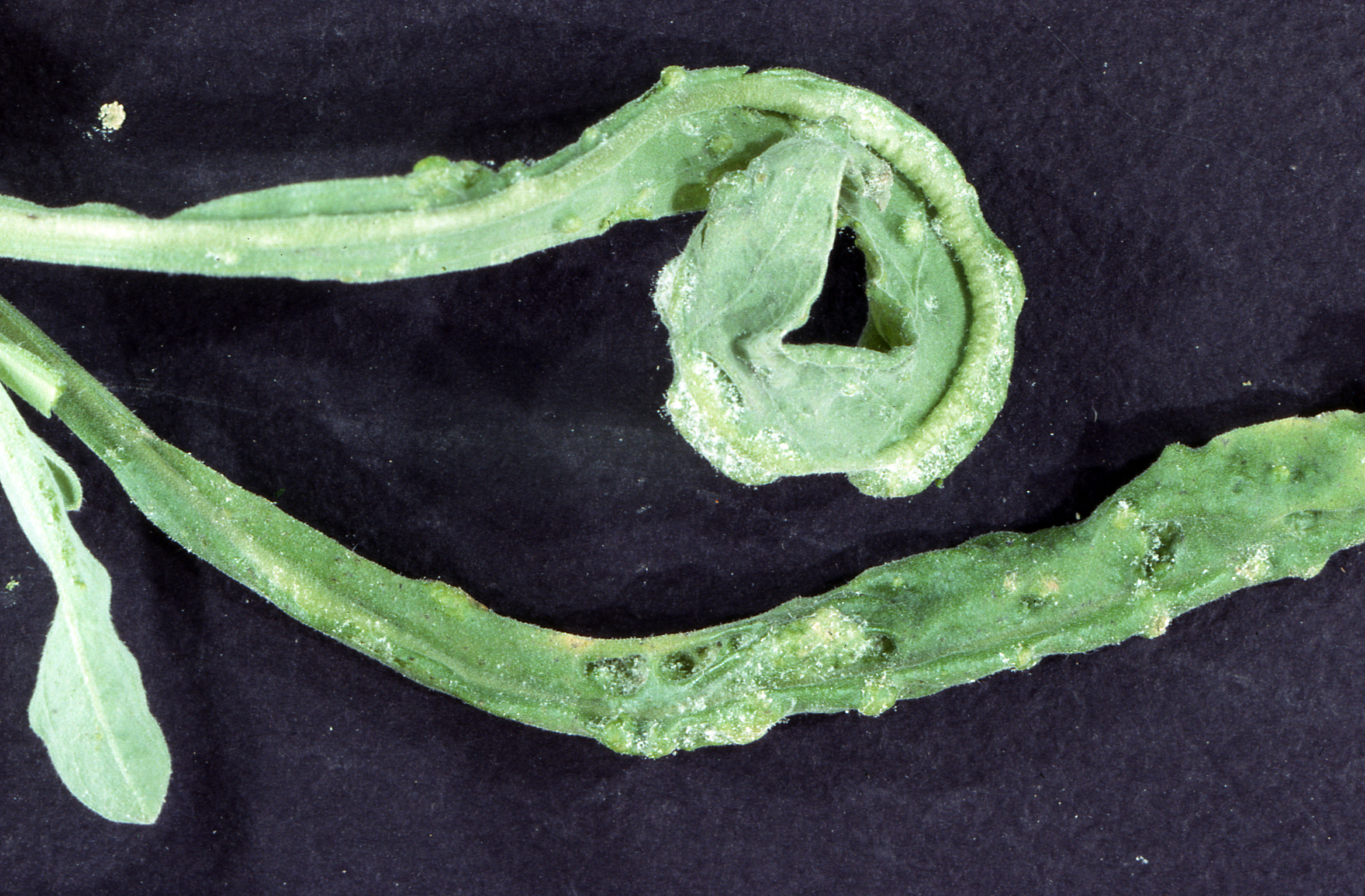
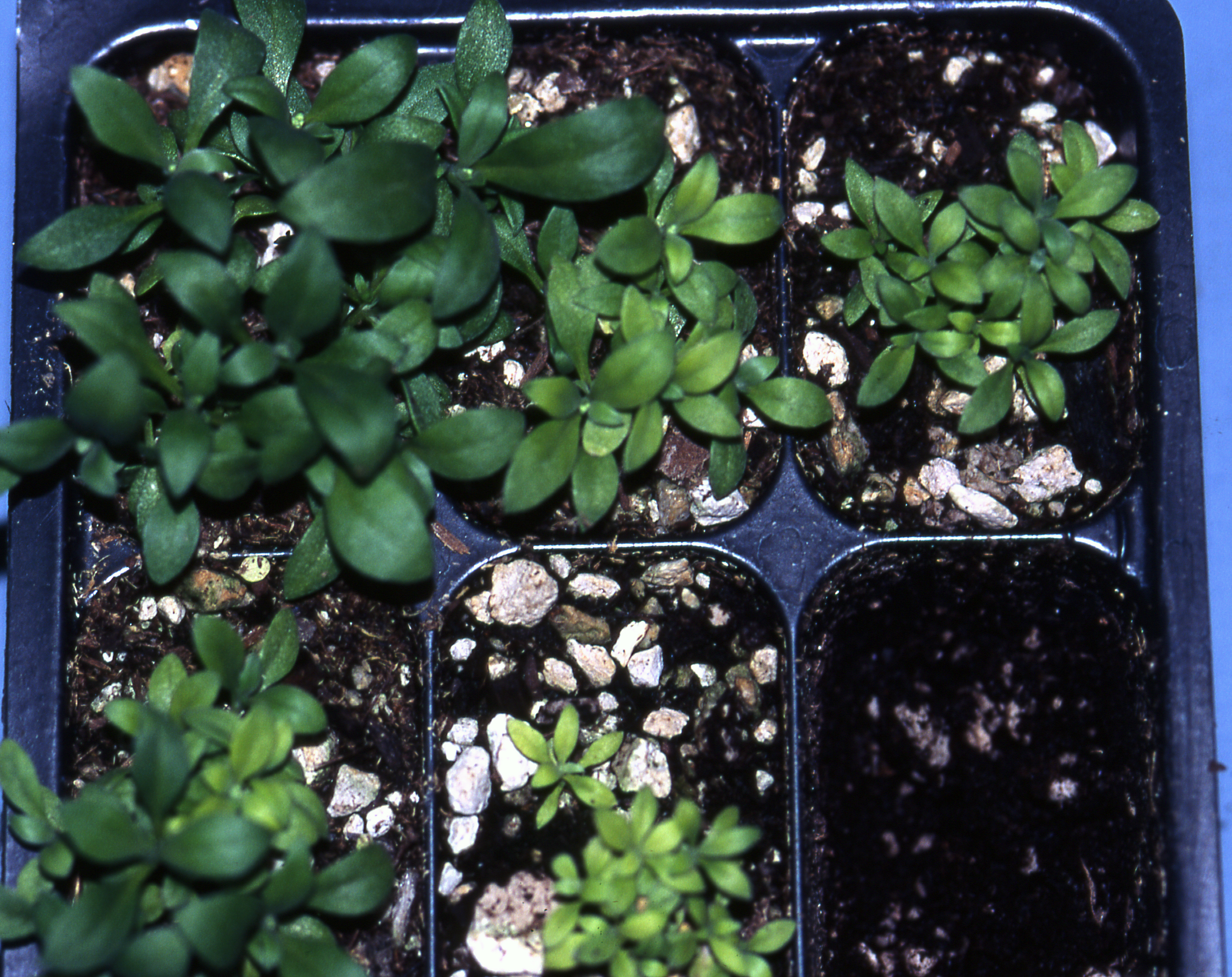
Cause Hyaloperonospora parasitica (formerly Peronospora parasitica), a fungus-like organism. Downy mildew was first found in 1990 on Alyssum saxatilis in Oregon and sporadically since then. No written report exists for this disease in North America. P. galligena has been reported in Europe; however, the Oregon isolate agreed with the description for P.

Image related to Alyssum-Downy Mildew

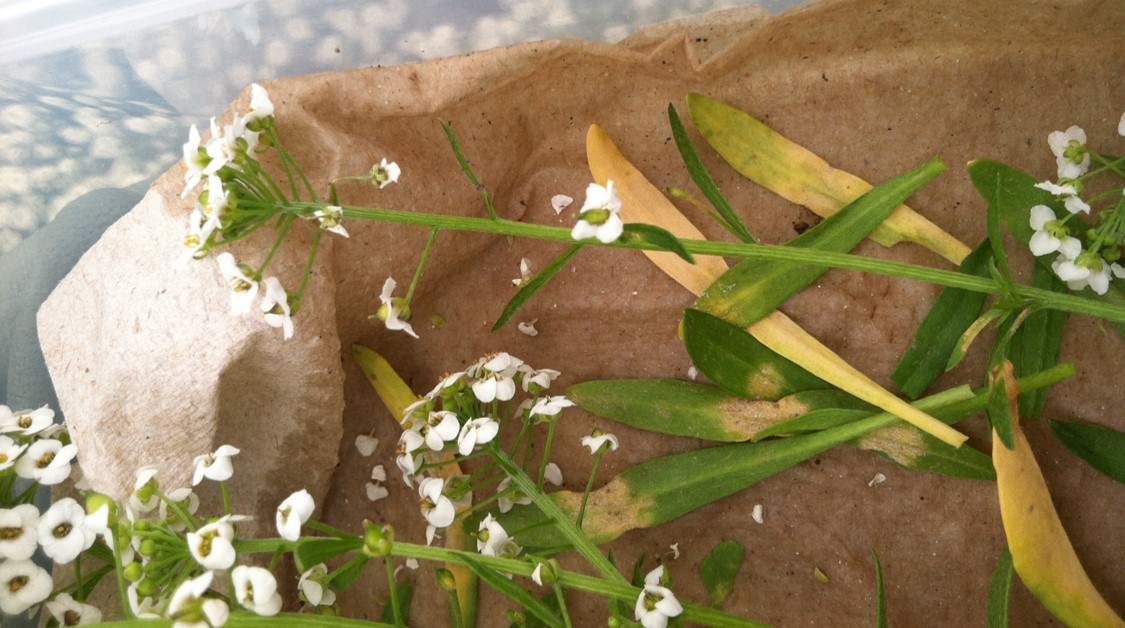
Cause Both Pythium spp. and Rhizoctonia solani can cause pre- and post-emergence damping-off. Neither has been reported in the Pacific Northwest but Pythium damping-off has been found by the OSU Plant Clinic. Pythium is favored by cool and overly moist soil conditions.

Image related to Alyssum-Botrytis Blight

Cause Freezing, desiccation by exposure from soil heaving, and ice formation within living root and crown tissue.

Symptoms Thin stands following severe winters with no snow cover. Crowns and upper part of taproot are dead and discolored on the outside; damage extends part way into the woody tissue. Winter injury is usually complicated and made more severe by the establishment of parasitic bacteria and fungi in the damaged area.

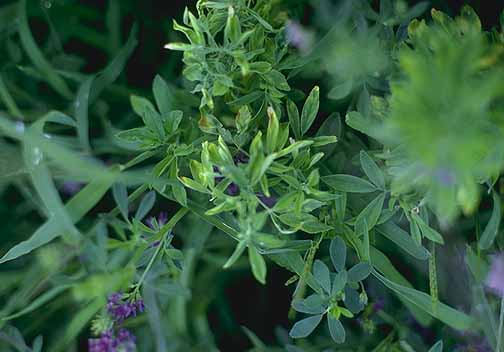
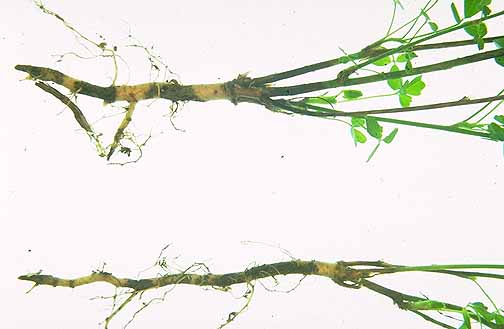
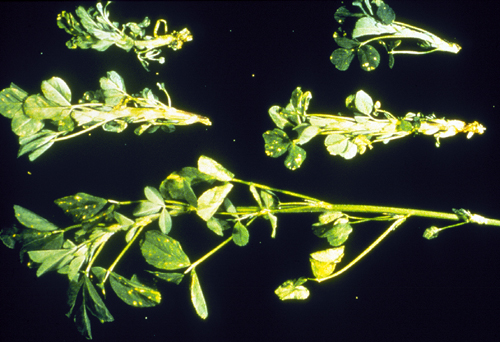
Cause Verticillium alfalfae (formerly V. albo-atrum) or V. dahliae, soilborne fungi, may infect numerous plant species without causing foliar symptoms. The disease is in eastern Washington, the Yakima Valley, the Willamette Valley, the Columbia Basin, and irrigated areas in northern, southwestern, and south-central Idaho.

Image related to Alfalfa (Medicago sativa)-Verticillium Wilt

Cause A fungus, Phoma medicaginis, which persists in crop refuse, infected crowns, and taproots. The disease may also spread through infected seed. Disease is most common in wet springs when it reduces yield and quality of first cuttings.

Image related to Alfalfa (Medicago sativa)-Spring Black Stem and Leaf Spot (Black Stem)

Cause Sclerotinia trifoliorum or S. sclerotiorum, which are soilborne fungi that can survive indefinitely as sclerotia in soil. They can attack stems and crowns in wet, cool springs. Damage is most severe on stems in solidly planted mature alfalfa fields. Early-growing varieties such as DuPuits are particularly susceptible. In the Pacific Northwest, sclerotia germinate in spring, producing small (0.25 to 0.5 inch in diameter), light brown, stalked discs (apothecia).

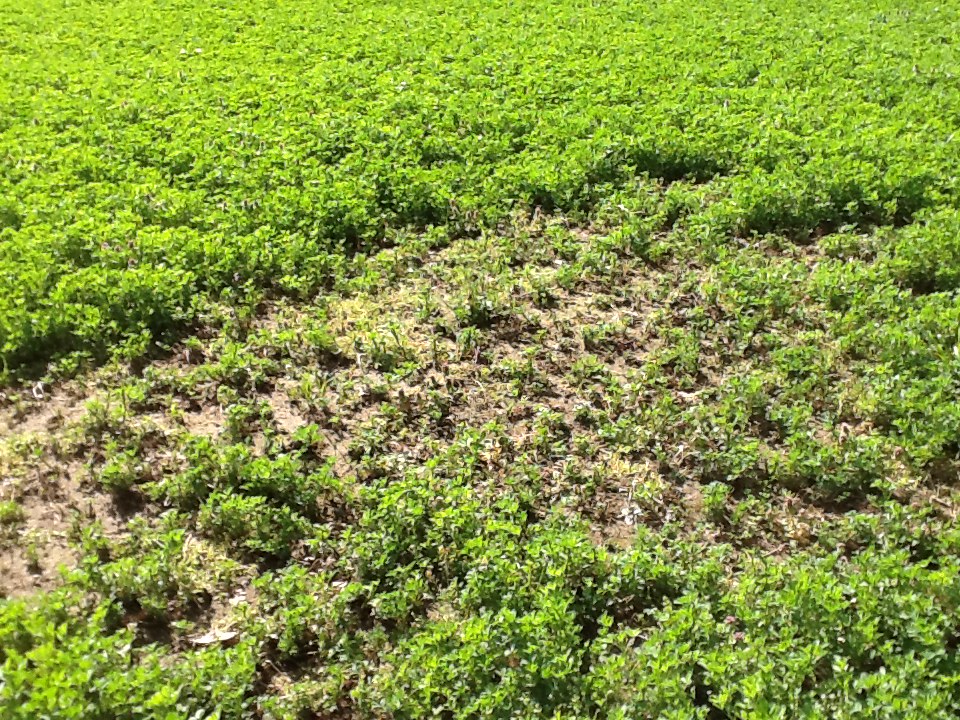
Cause Phytophthora megasperma f. sp. medicaginis (= P. medicaginis), a soilborne fungus-like microorganism favored by excessive soil moisture. The microorganism survives as hardy spores in soil or infected plant debris. Irrigation water can transport the microorganism.

Image related to Alfalfa (Medicago sativa)-Phytophthora Root Rot

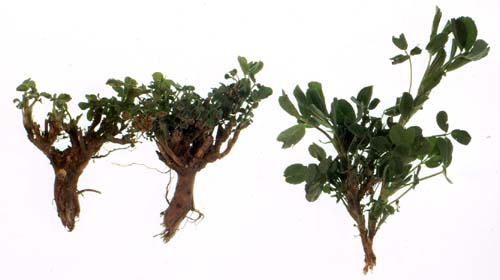
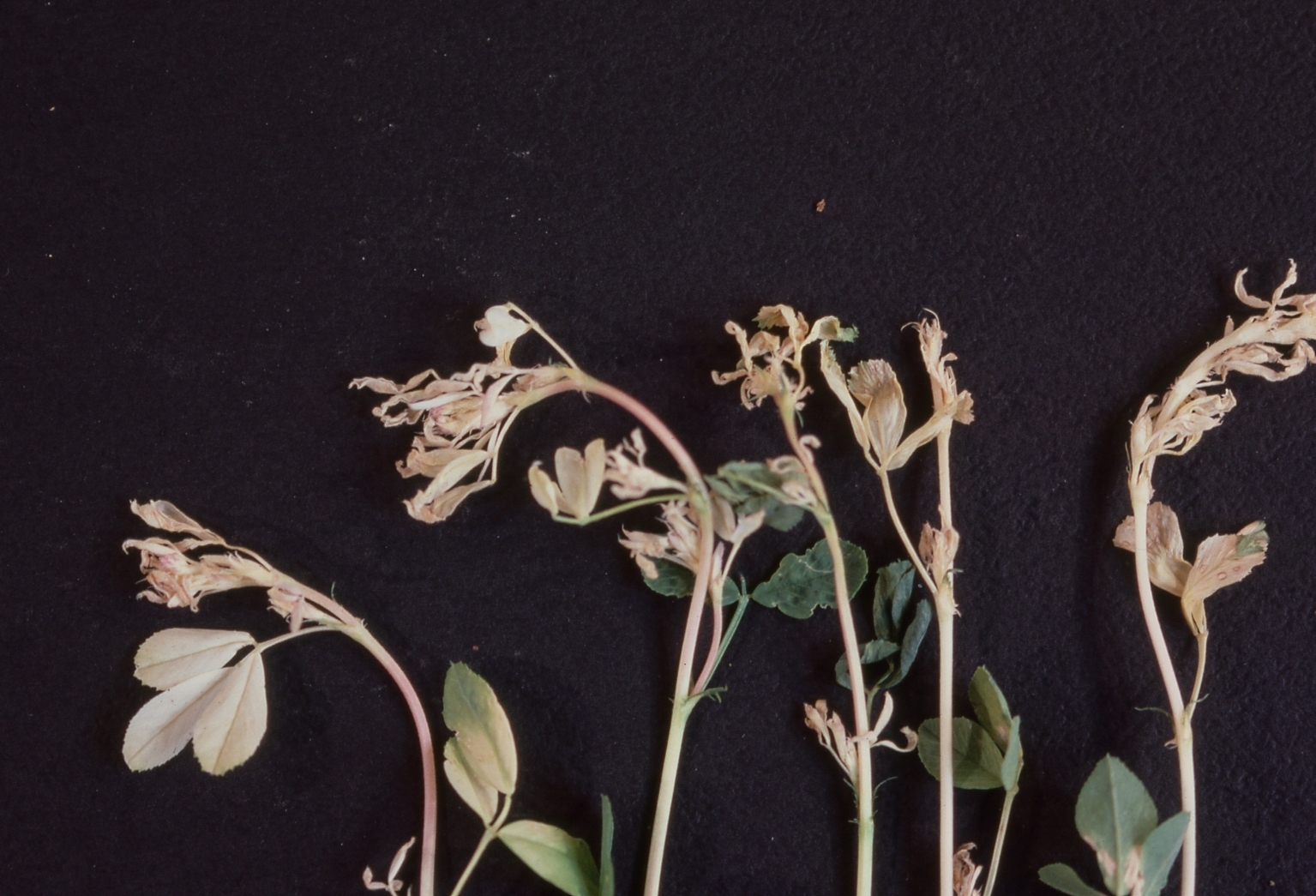
Cause Ditylenchus dipsaci is a nematode that lives principally in the stem portions of plants. It can persist in soil without a susceptible crop for at least 2 years. Flooding of affected areas helps to disseminate nematodes and increase damage. Most damage is done by nematode feeding in winter.

Image related to Alfalfa (Medicago sativa)-Nematode, Bulb and Stem