Plant Disease Management Handbook

Image related to Bean, Dry (Phaseolus vulgaris)-White Mold (Sclerotinia Rot)

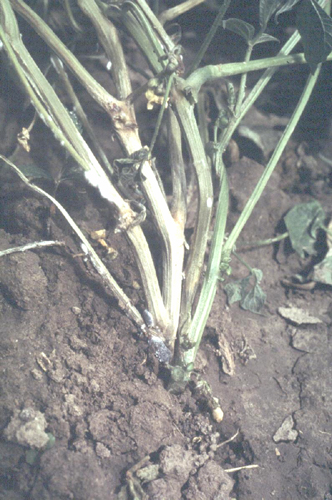
Cause Pythium debaryanum and P. ultimum are fungus-like microorganisms that persist indefinitely in soil or plant debris. Favored by wet soils, they increase when vegetable and legume crops are planted too frequently in the rotation.

By C. M. Ocamb and D. H. Gent

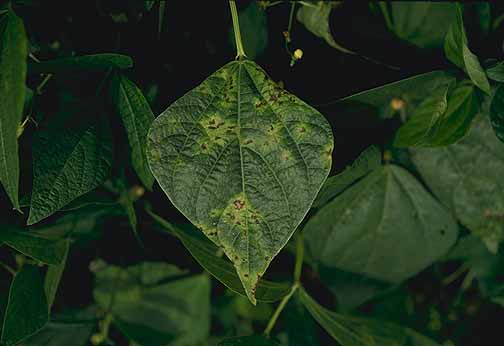
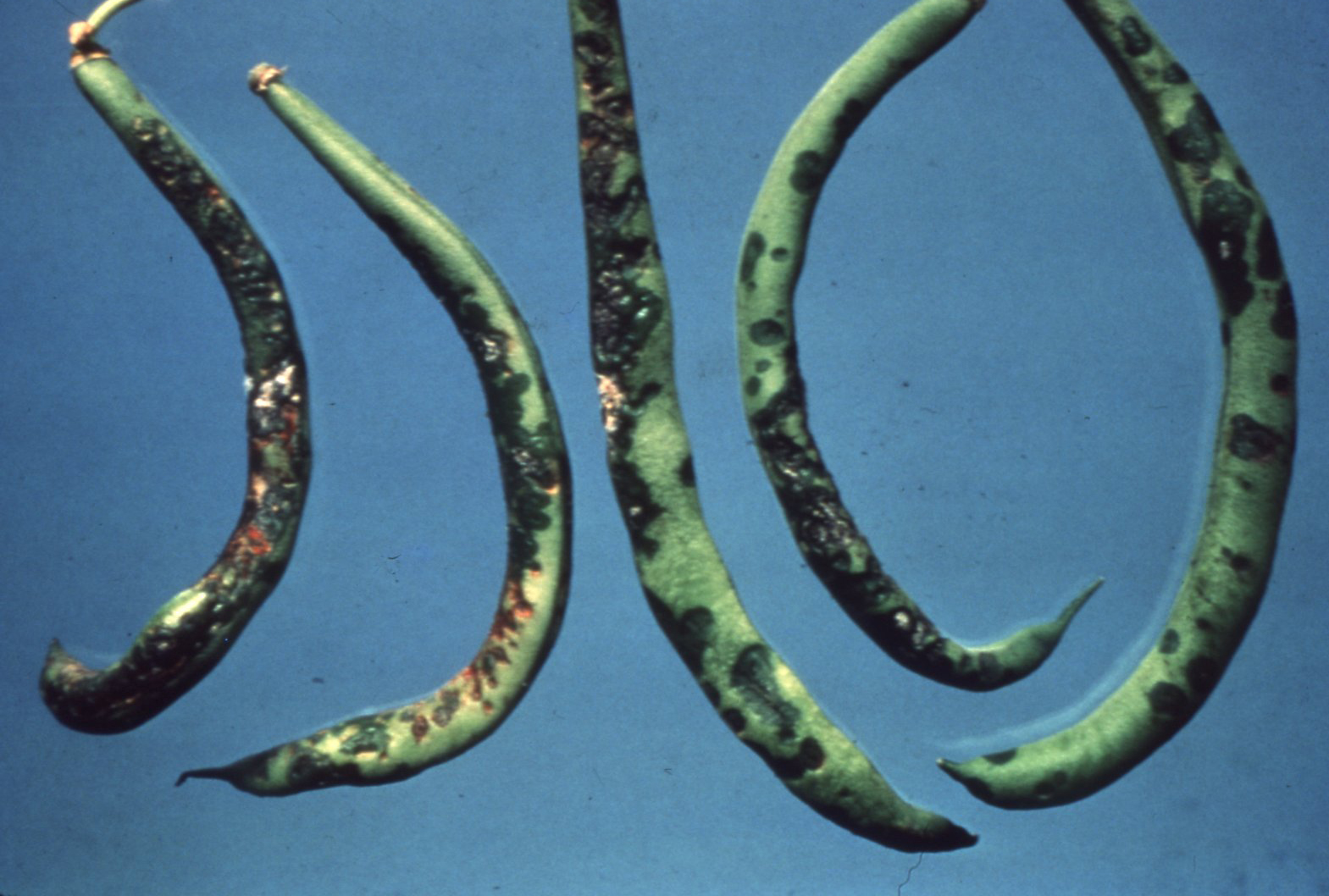
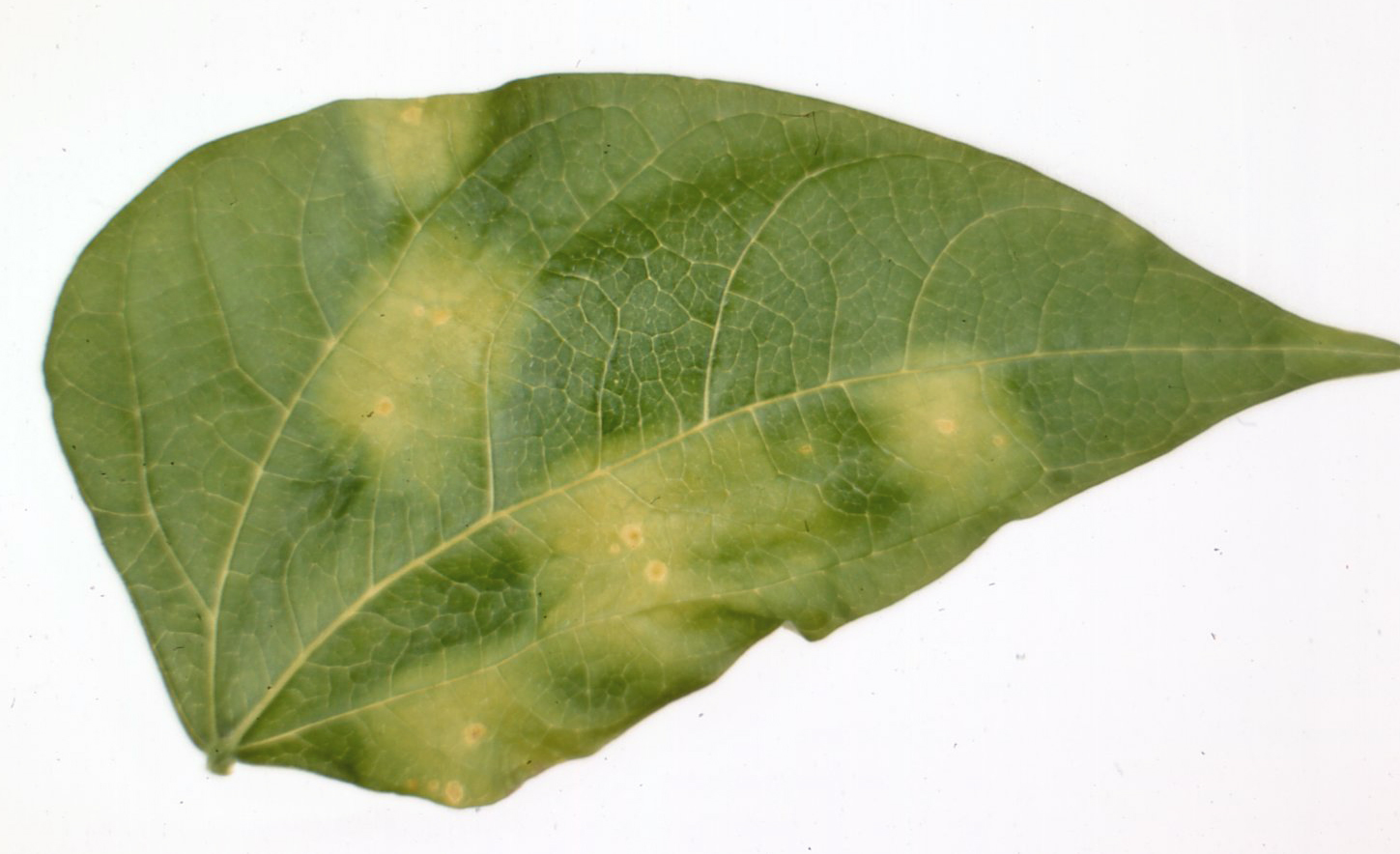
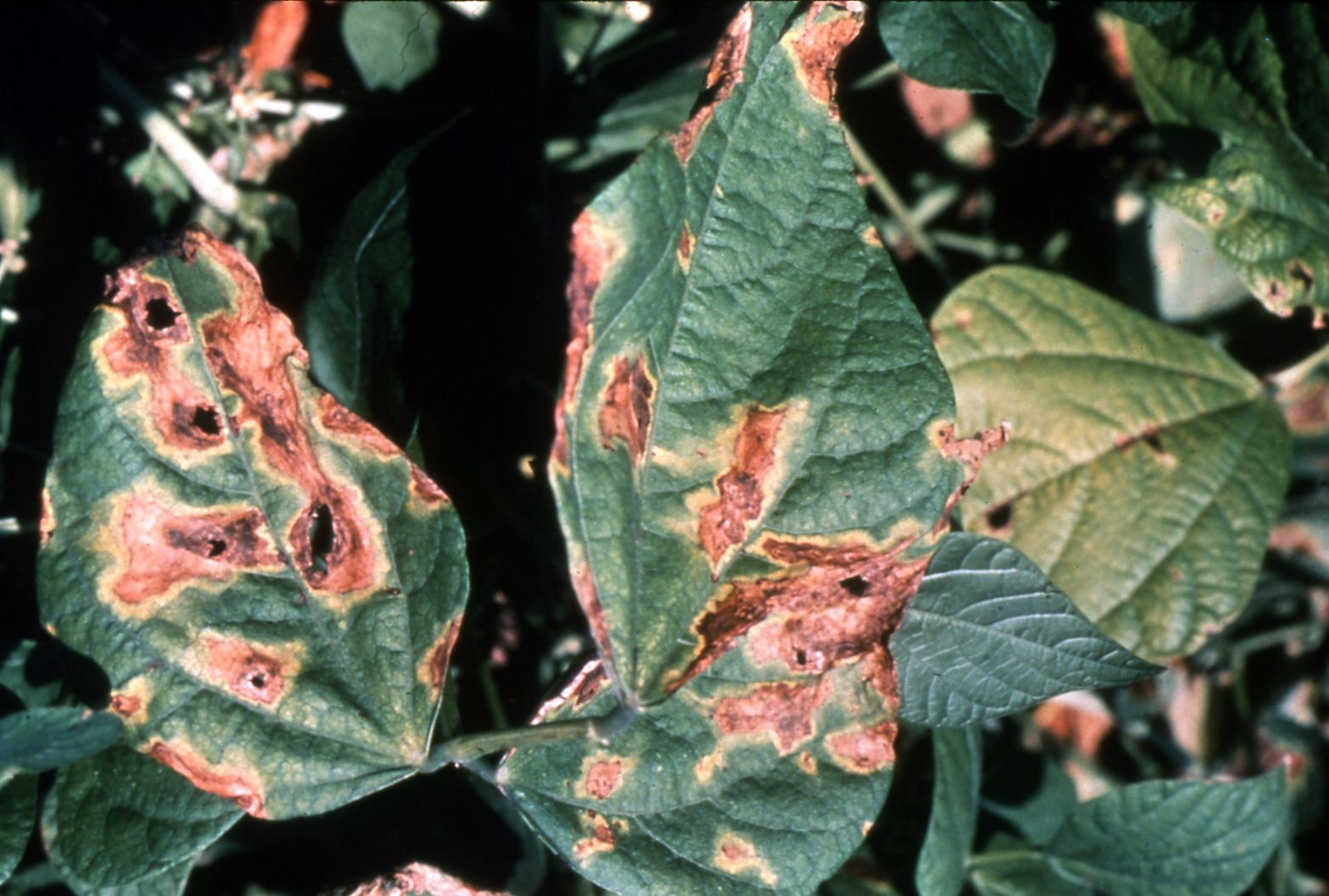
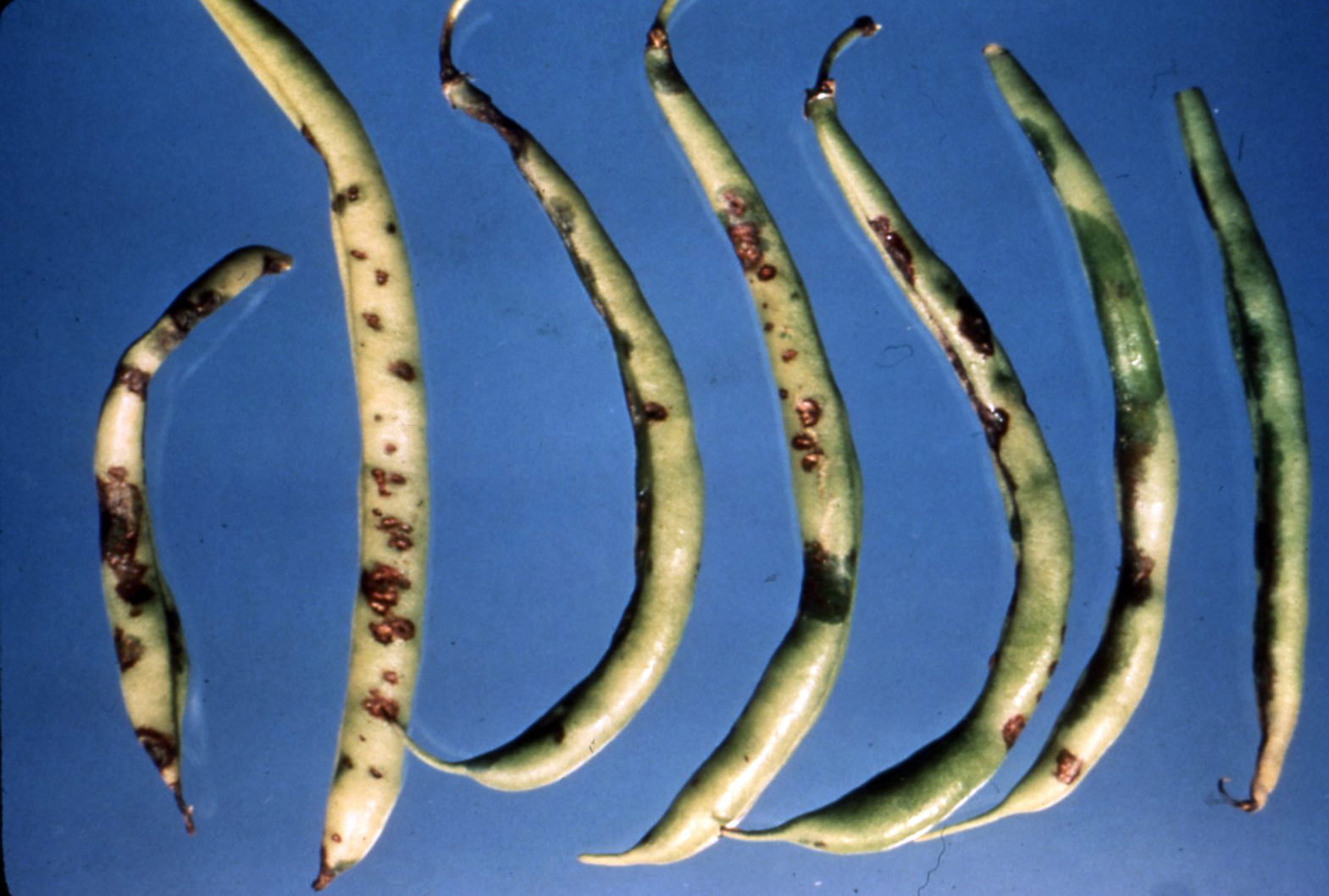
Cause Pseudomonas syringae pv. phaseolicola, a bacterium that overwinters primarily in seed but can survive in infected, undecomposed plant debris from the previous year's crop. Rain, irrigation water, tools, equipment, and humans can spread the bacterium. The frequent wet weather in Oregon's Willamette Valley in June favors the development and spread of halo blight.

Cause Pythium spp., Rhizoctonia solani, and Fusarium spp., possibly other pathogens can cause a seed rot and seedling blight known as damping-off. These soilborne fungi or fungus-like microorganisms can persist indefinitely in soil or plant debris. Rhizoctonia can be transmitted on seed. Damping-off is favored by wet soils.

Cause Beet curly top virus (BCTV) is spread by the beet leafhopper. Other crop hosts include sugar beet, watermelon, tomato, annual flowers, and cucurbit. The disease is cyclic but occurs frequently in the Columbia Basin, southern Idaho, and central Oregon. The virus overwinters in wild perennial or winter annual hosts and is not seedborne.

By D. H. Gent and C. M. Ocamb