Plant Disease Management Handbook

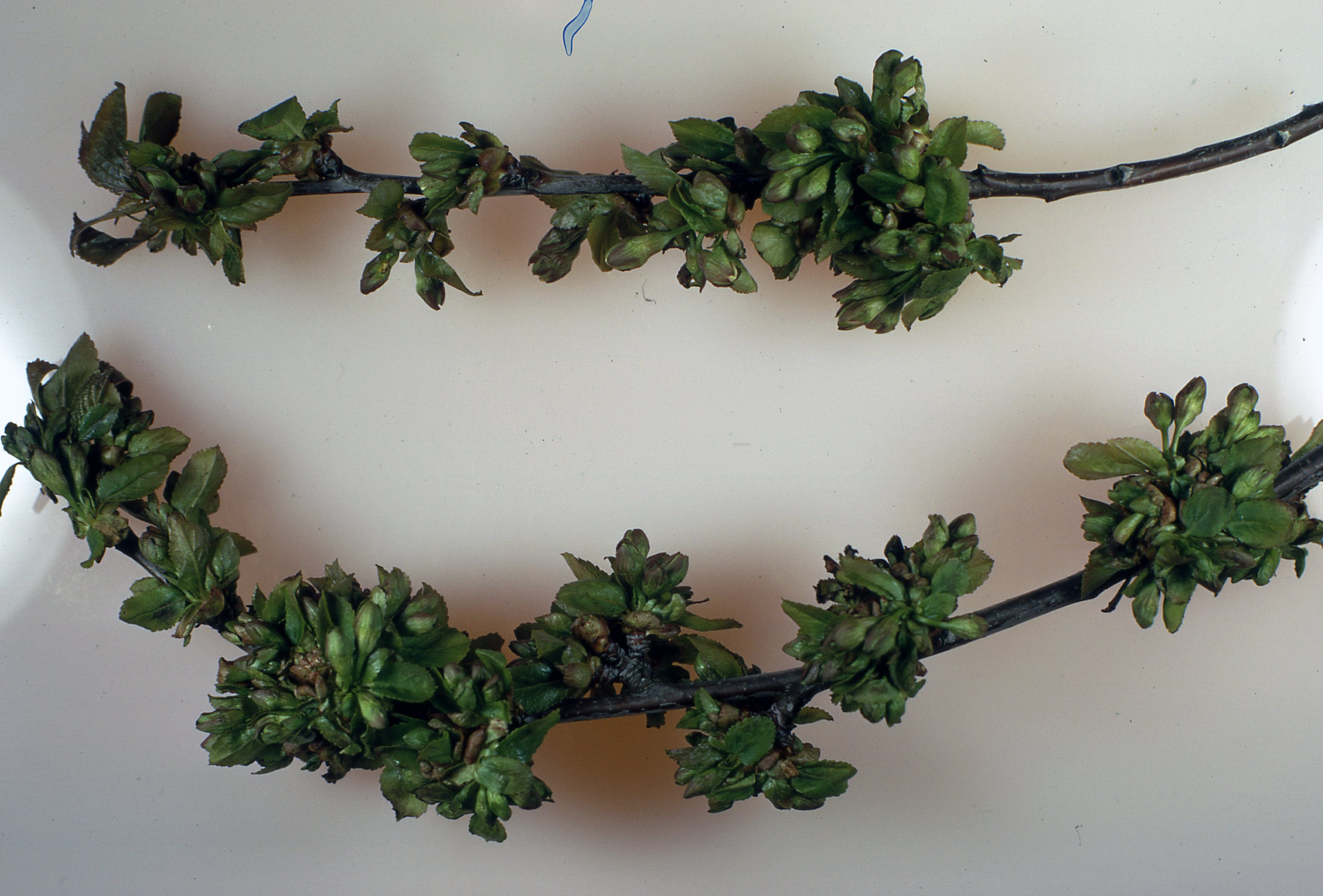
Cause This problem is apparently related to low levels of boron in early spring. A virus was implicated but never found.

Symptoms Poor growth and off-color generally show in time when affected trees or branches have smaller unopened green buds on shorter stems. Eventually, blossom buds open but soon abscise at the pedicel base, leaving a ring of persistent green bud scales.

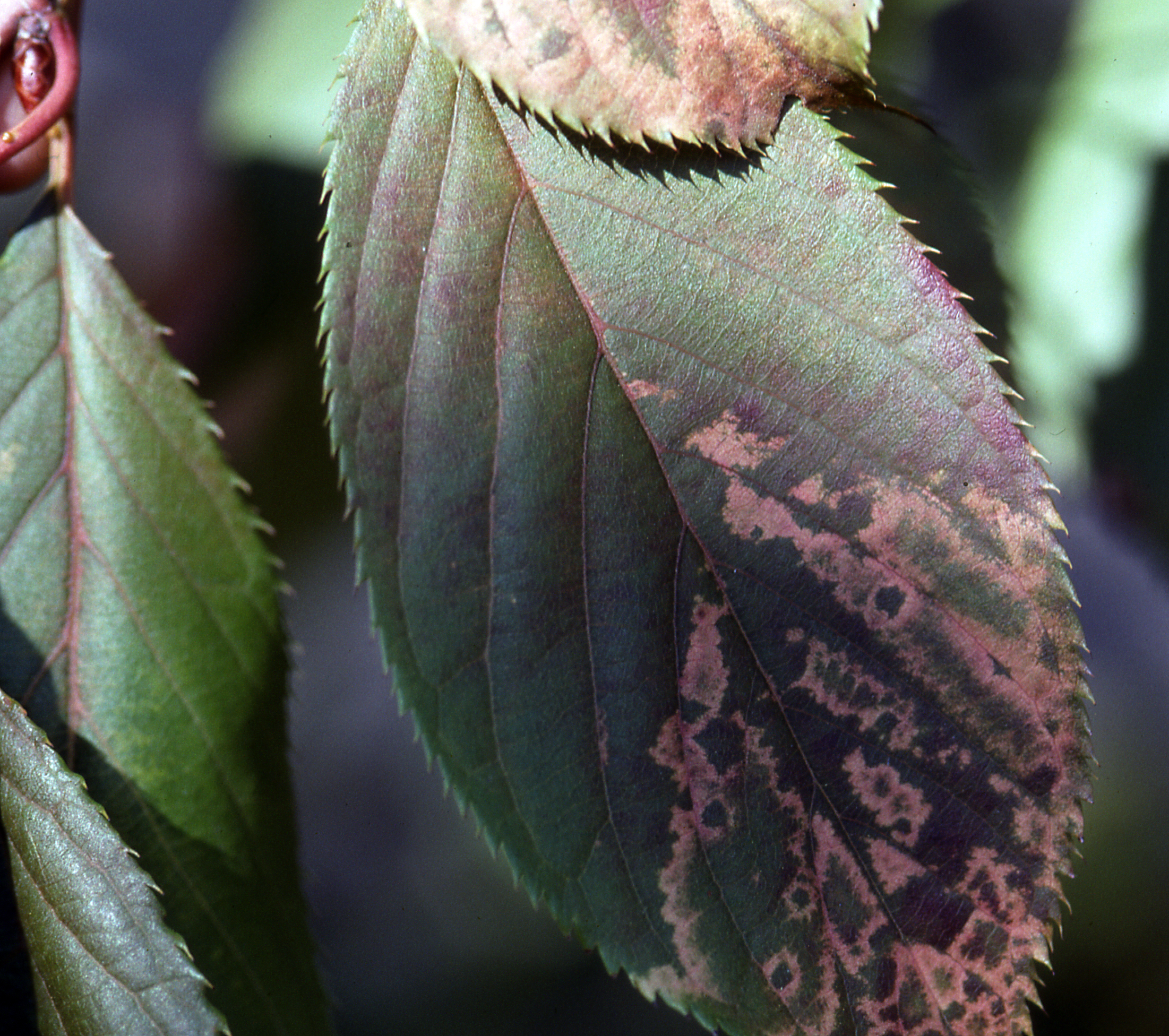
Cause Prunus necrotic ringspot virus (PNRSV), which has many strains that have produced variously named diseases over the years including necrotic ringspot, tatter leaf peach ringspot, recurrent ringspot, cherry rugose mosaic, rose mosaic, and almond calico. PNRSV is responsible for yield losses of up to 15% in sweet cherry and up to 100% in peach.

Cherry (Prunus spp.)-Prune Dwarf
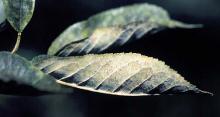
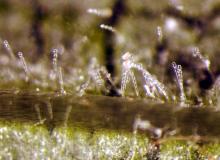
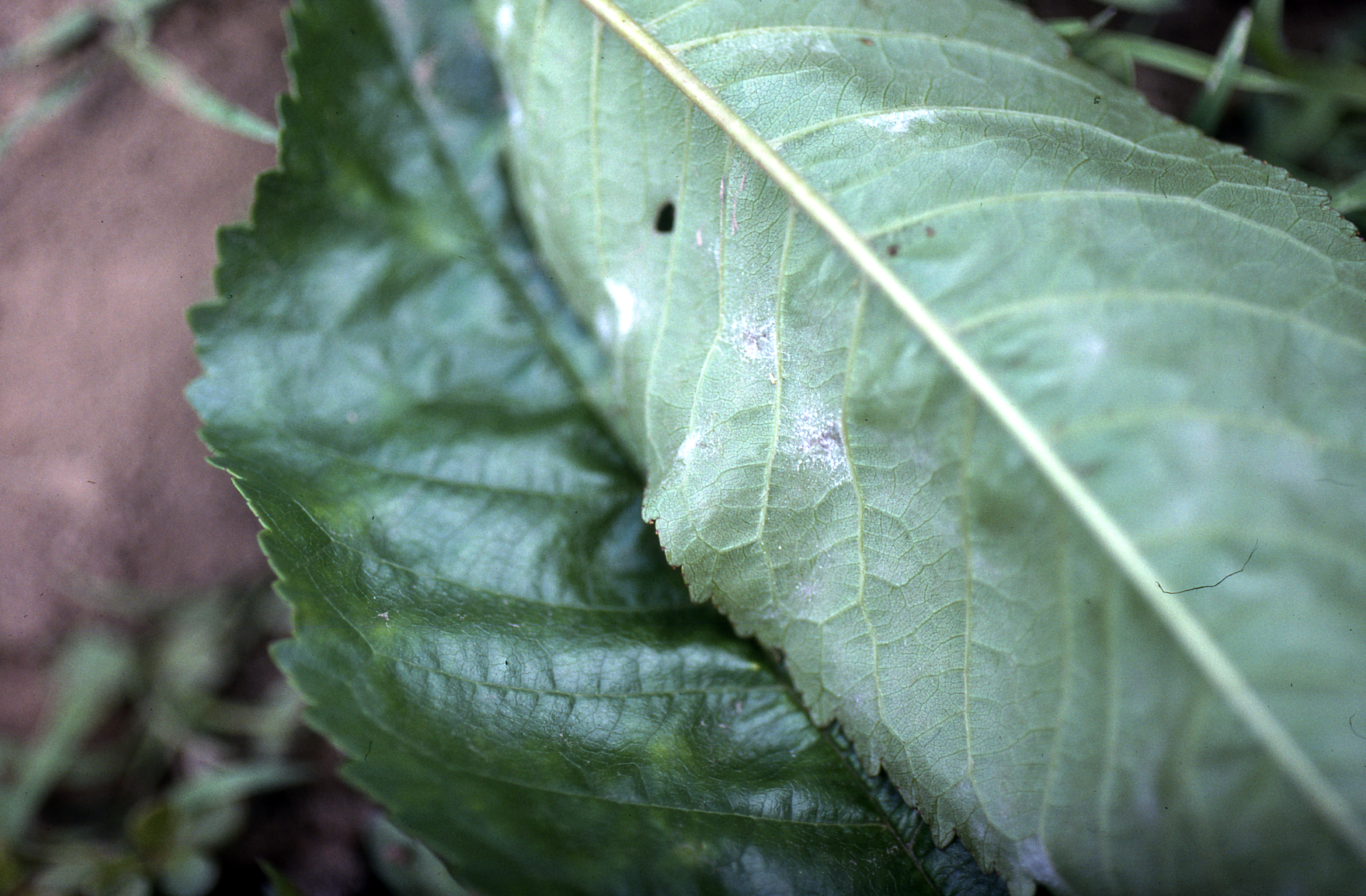
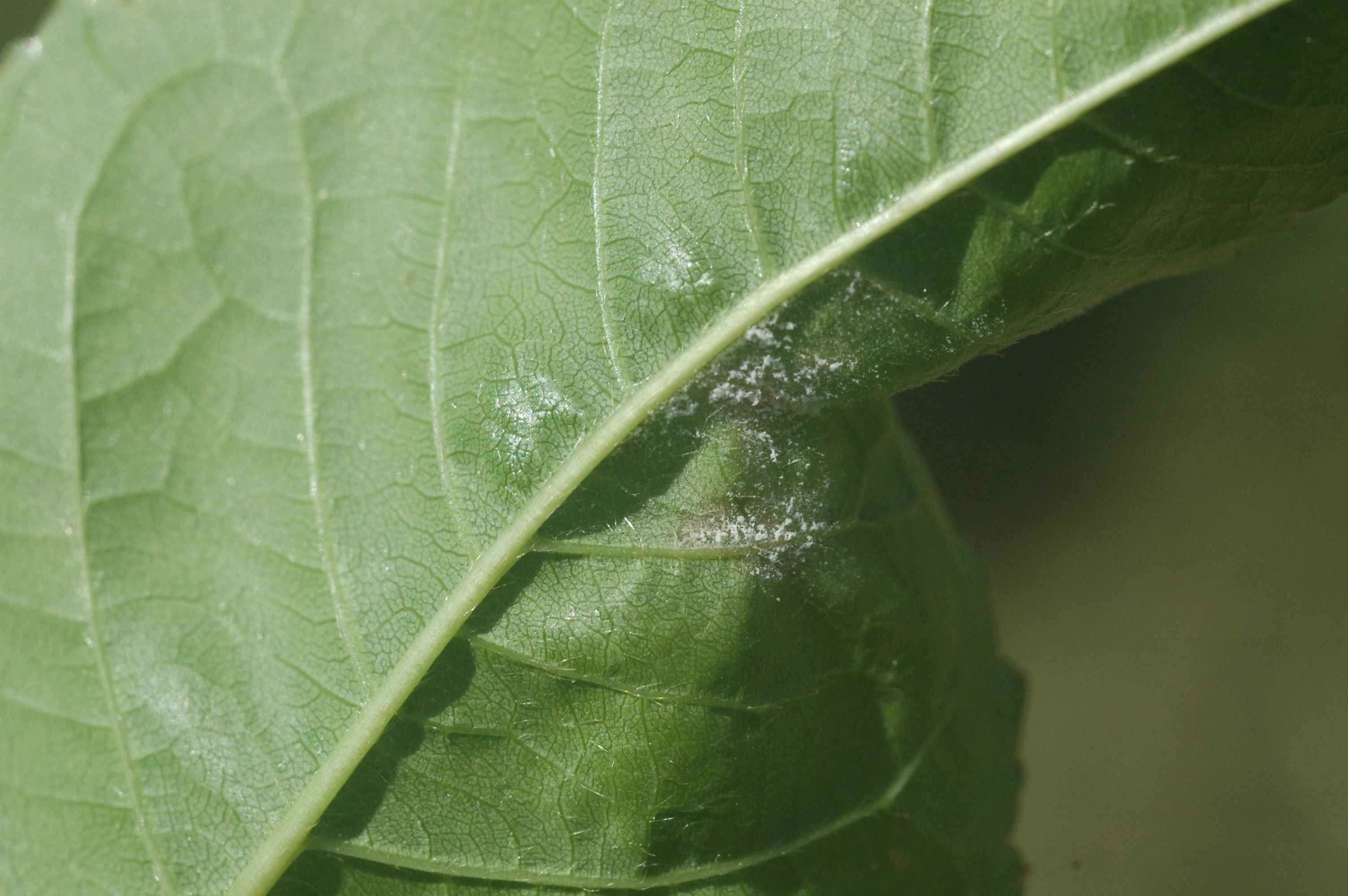
Image related to Cherry (Prunus spp.)-Powdery Mildew
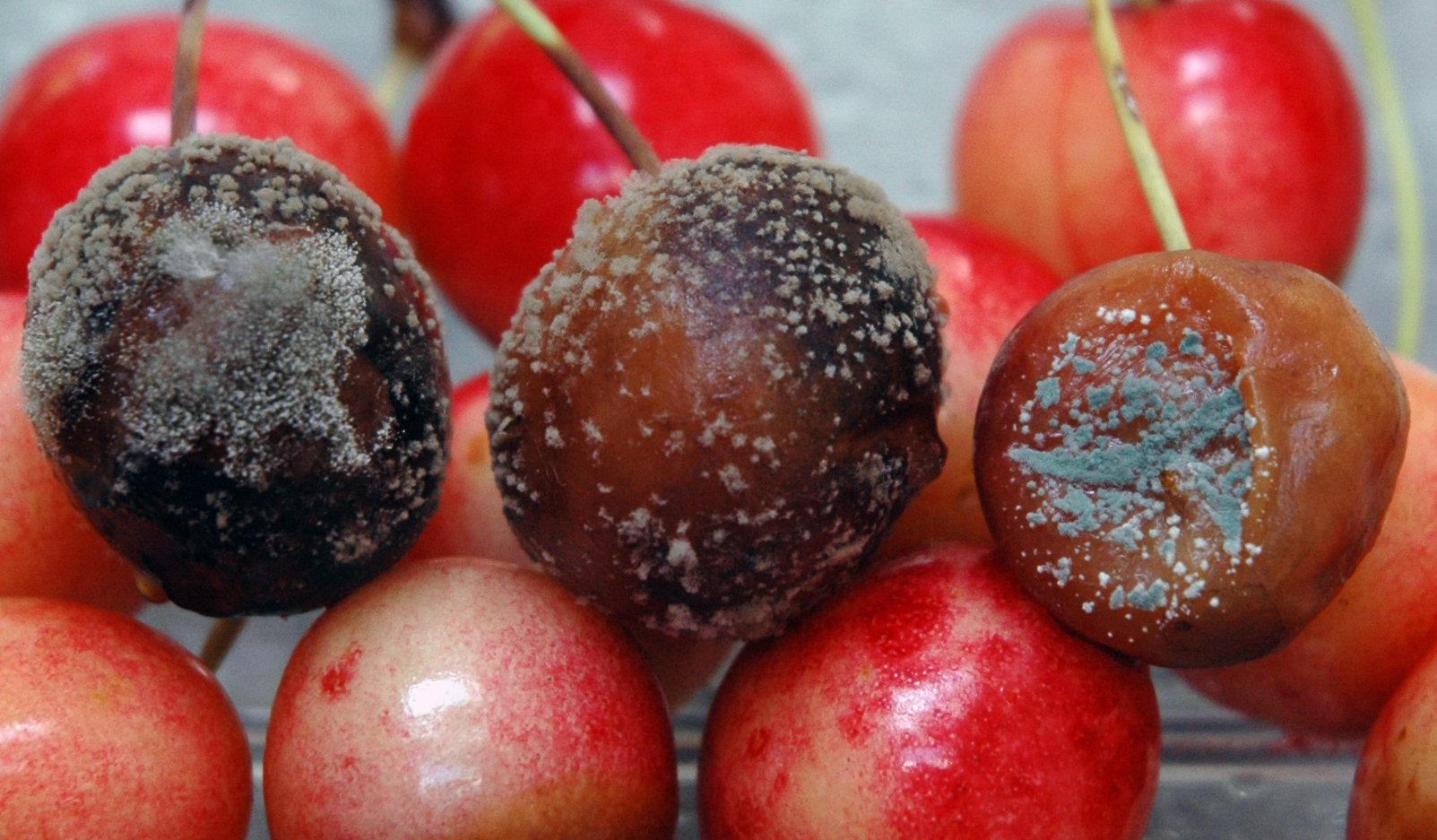
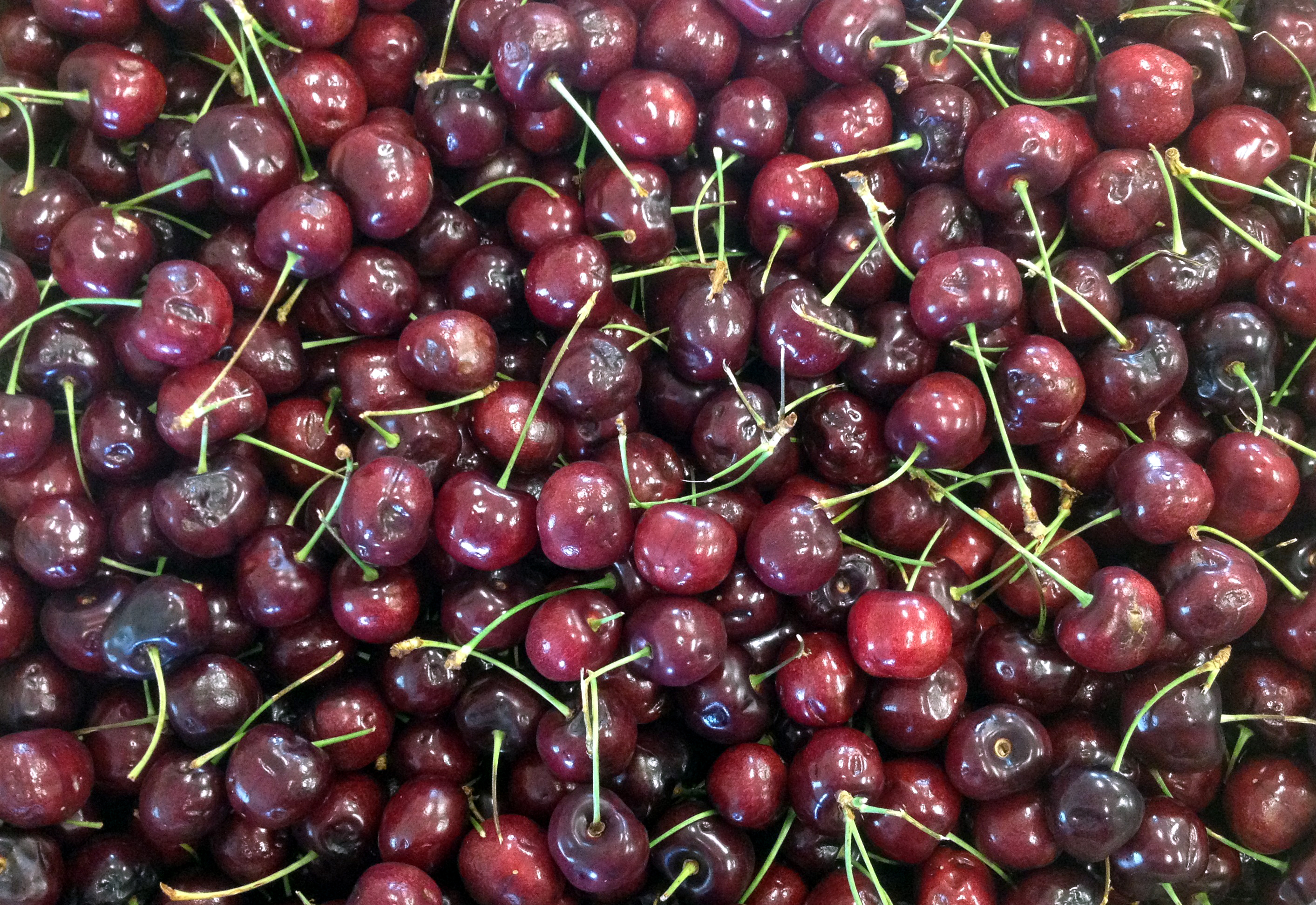
Image related to Cherry (Prunus spp.)-Postharvest Rots

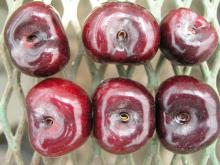
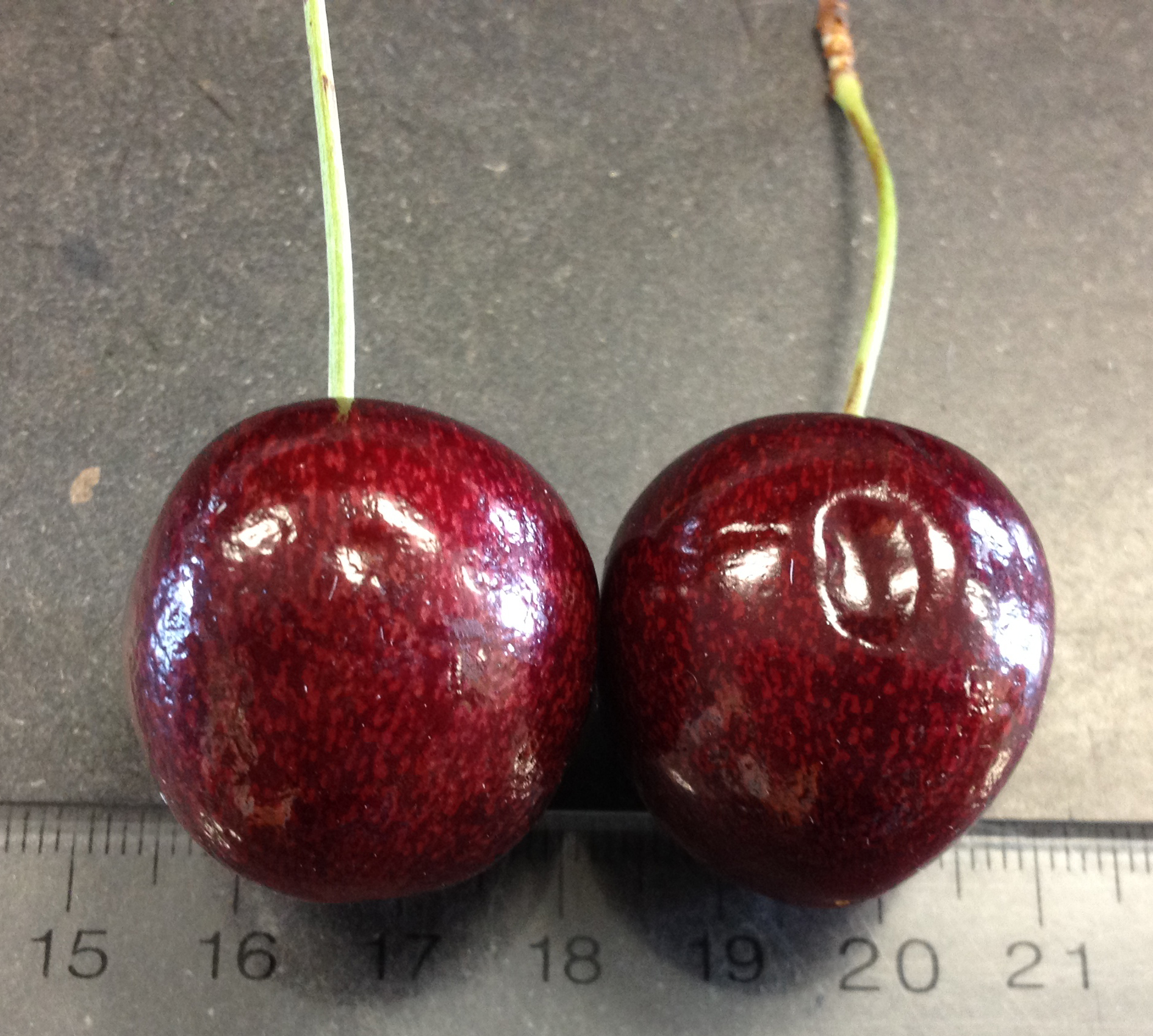
Cause There are many reasons that cherries may develop surface depressions or "pits" on the outside of the fruit. The most common cause is physical damage during harvest or postharvest handling. As a response to this damage pits may appear after a few days in cold storage. Some cultivars, such as Van, Lapins, and Sweetheart are more sensitive than others. The following cultivar list is from resistant to pitting to susceptible: Regina, Chelan, Bing, Skeena, Sweetheart, Lapin and Rainer.

Image related to Cherry (Prunus spp.)-Pitting

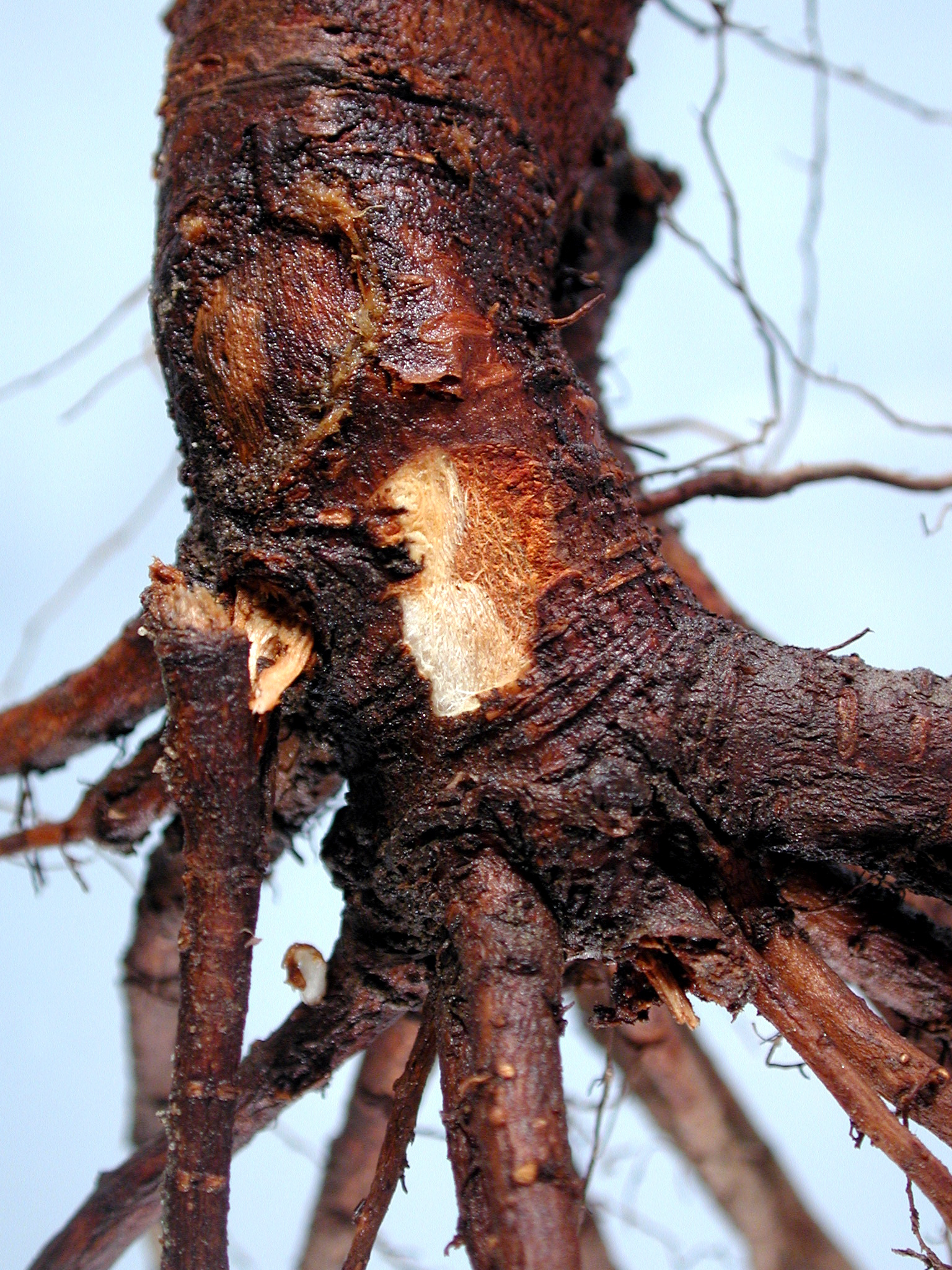
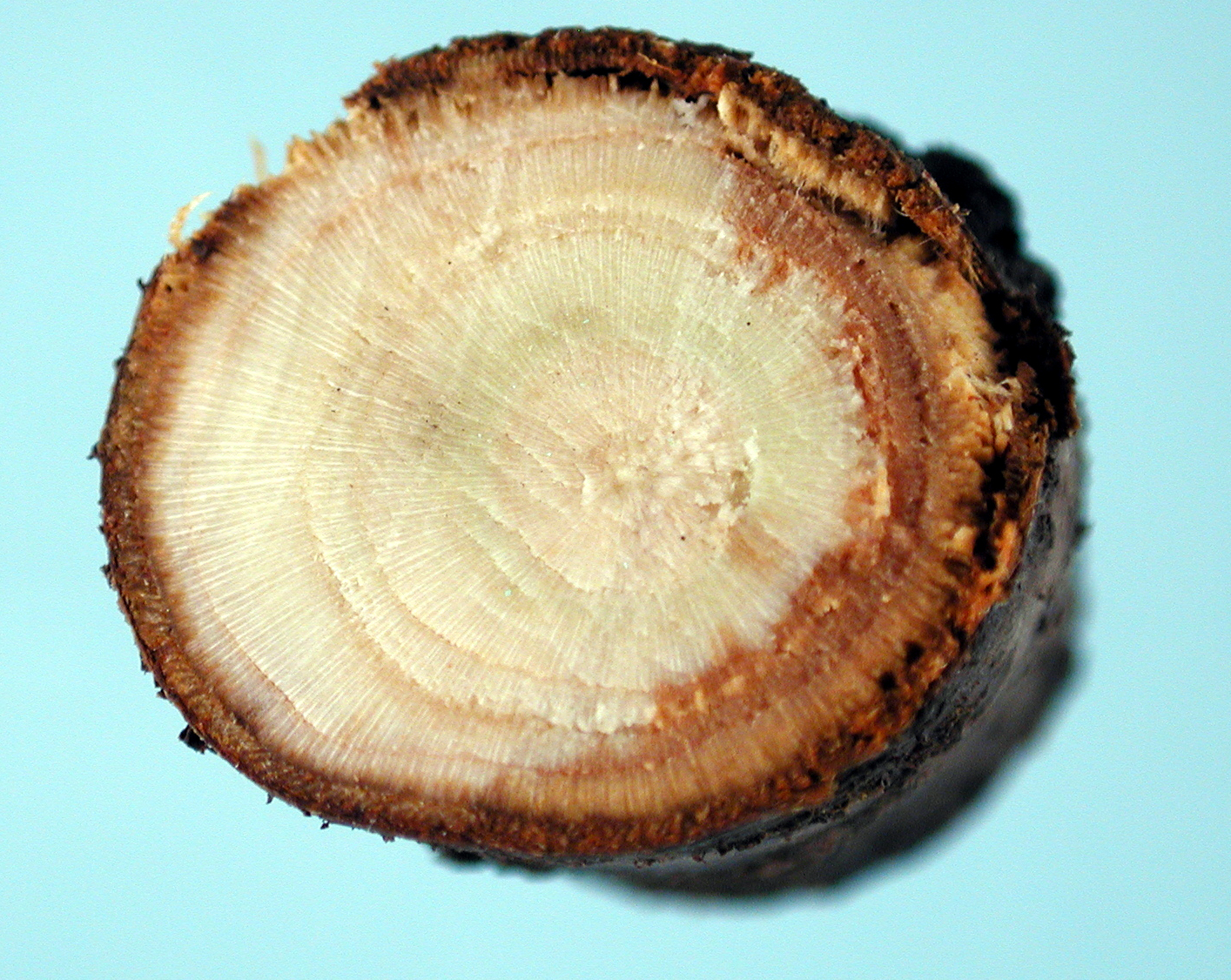
Cause Many Phytophthora species, fungus-like microorganisms, cause a root rot of stone fruits. P. cactorum is the only species reported from the Pacific Northwest and then only on apricot and peach in Washington. OSU Plant Clinic records indicate P. cactorum on cherry in the Willamette Valley of Oregon.

Image related to Cherry (Prunus spp.)-Phytophthora Root Rot