Plant Disease Management Handbook

Go to:

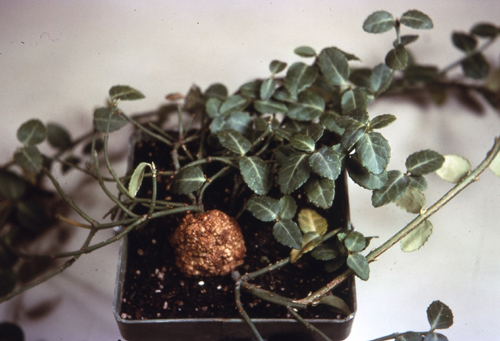
Note Common name is used for many plants (at least 5 genera) with silvery or whitish foliage.

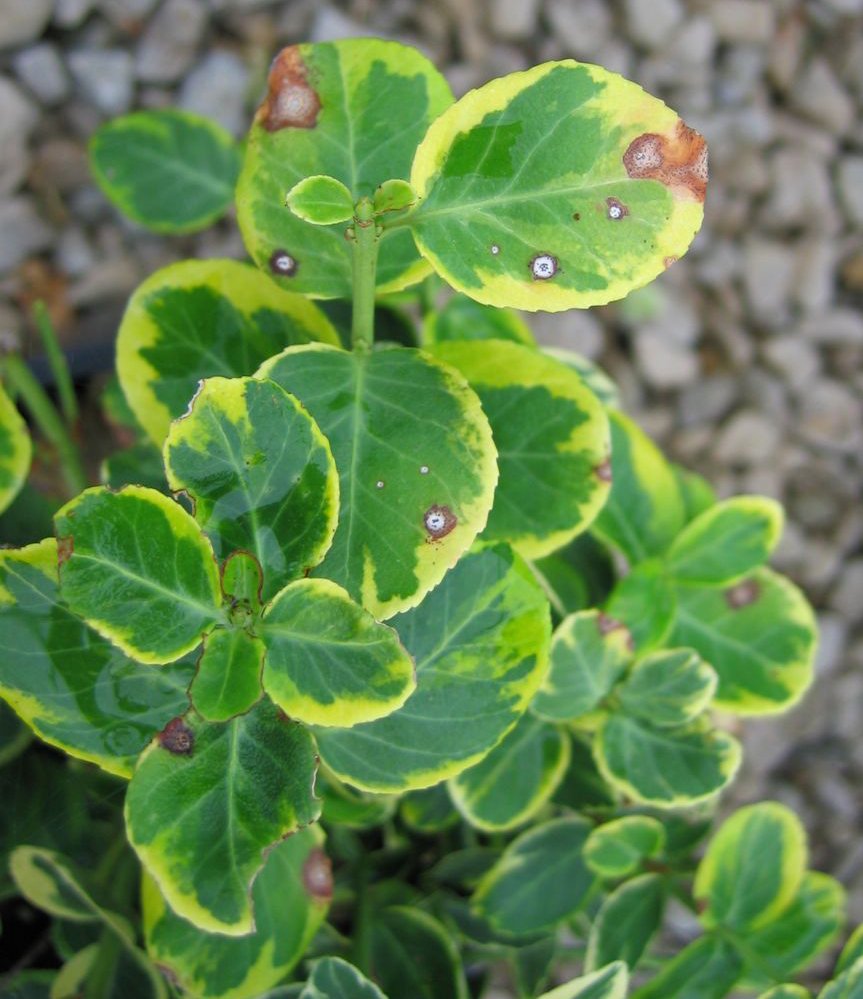
Cause Many fungi and bacteria cause a leaf spot on Dracaena spp., but Phoma draconis (formerly Phyllosticta draconis) is most common. Peperomia also is susceptible. Wet, humid conditions favor disease development. Yellow spots can also be from magnesium deficiency.

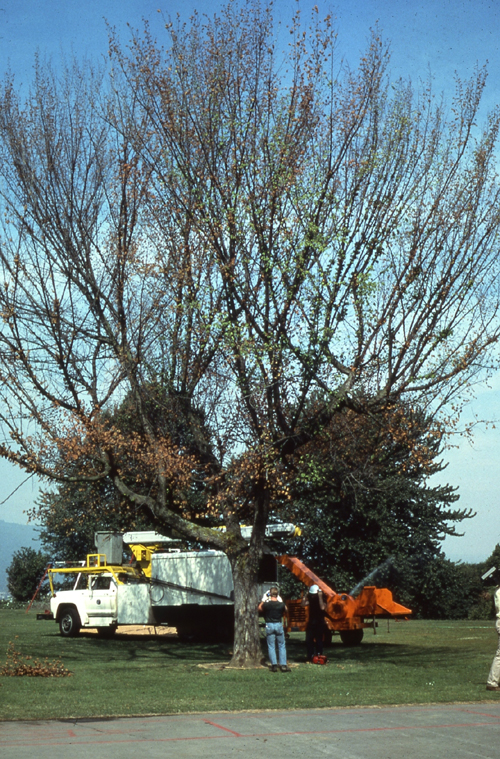
Image related to Dogwood (Cornus spp.)-Root Rot

Cause Erysiphe pulchra (formerly Microsphaera penicillata) and Phyllactinia guttata can produce white mycelial growth on leaves, buds, flowers, and new stems of dogwood. Powdery mildew on dogwood has been an increasing problem in Southeastern States since 1995, was reported from Washington during 1999 and found in Oregon in 2002.

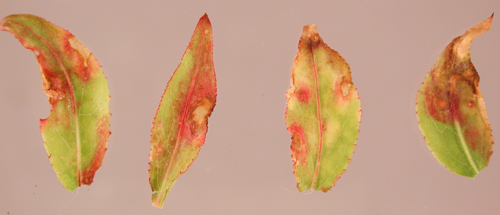
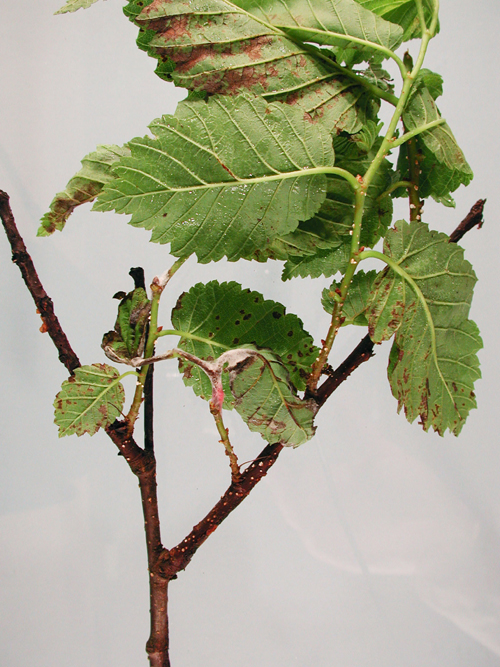
Cause Leaf spots may be caused by a wide variety of fungi including Cercospora, Elsinoe corni (cause of spot anthracnose), Phyllosticta, Ramularia, Septoria, Sphaceloma, Phlyctema vagabunda and others.

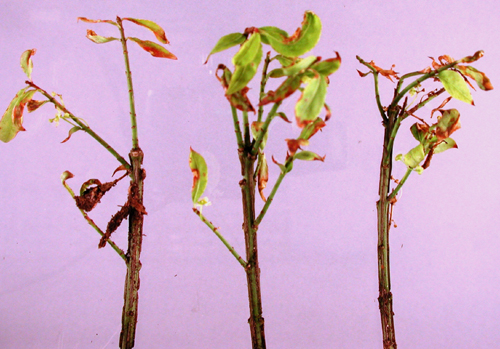
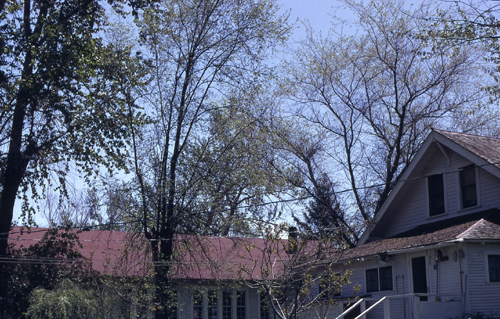
Image related to Dogwood (Cornus spp.)-Leaf Scorch
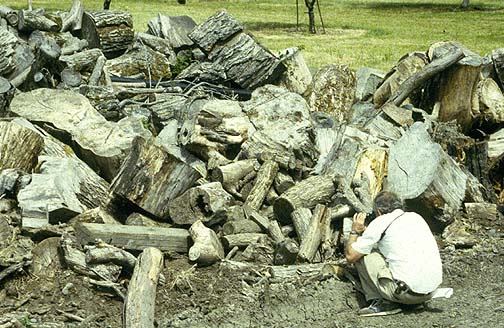
Image related to Dogwood (Cornus spp.)-Collar Rot

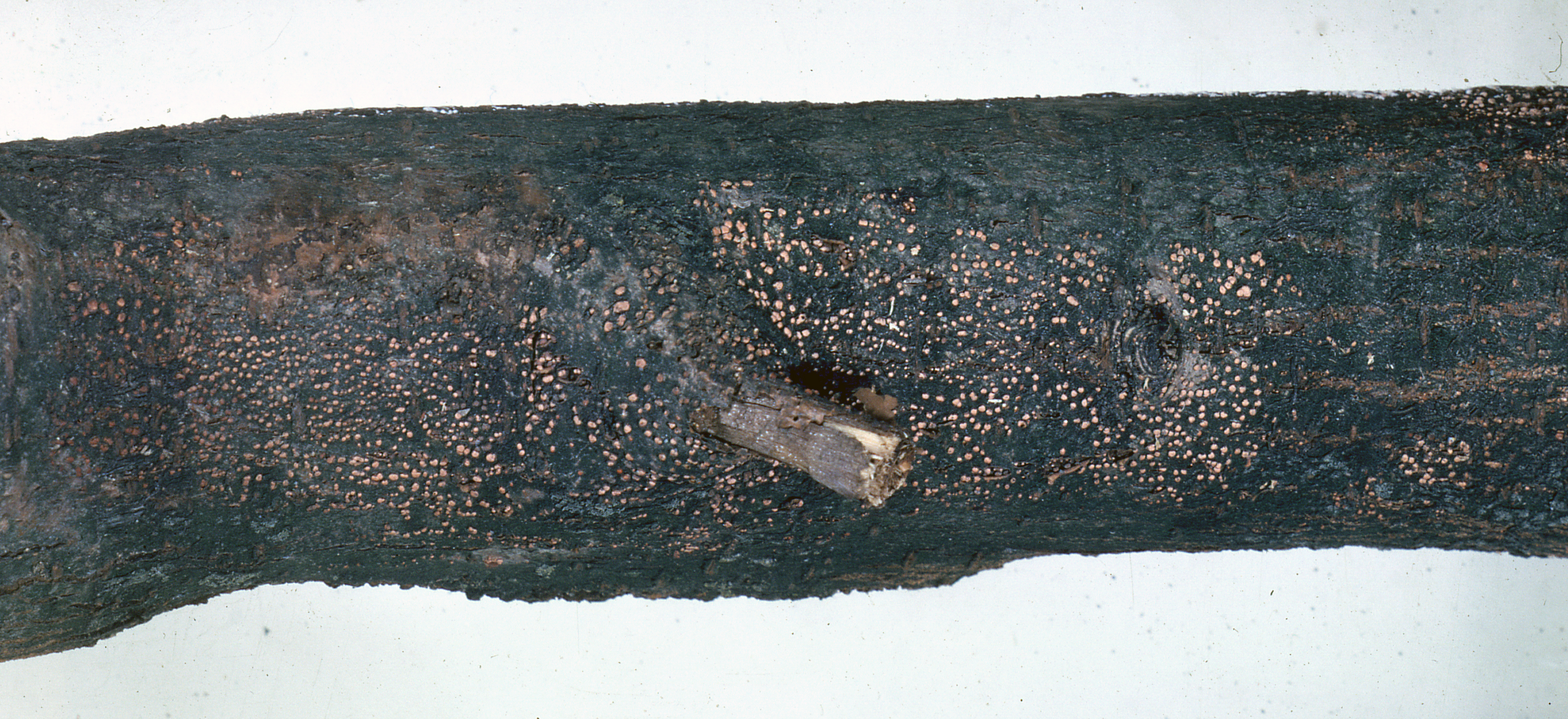
Cause Various fungi such as Phoma, Phomopsis, and Cytospora. Neonectria ditissima (formerly Nectria galligena) is a problem on native dogwood. Usually these fungi are opportunistic and are able to attack only trees weakened by drought, cold, root problems, or wounds and mechanical injury.

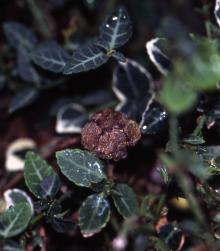
Image related to Dogwood (Cornus spp.)-Branch Cankers