Plant Disease Management Handbook

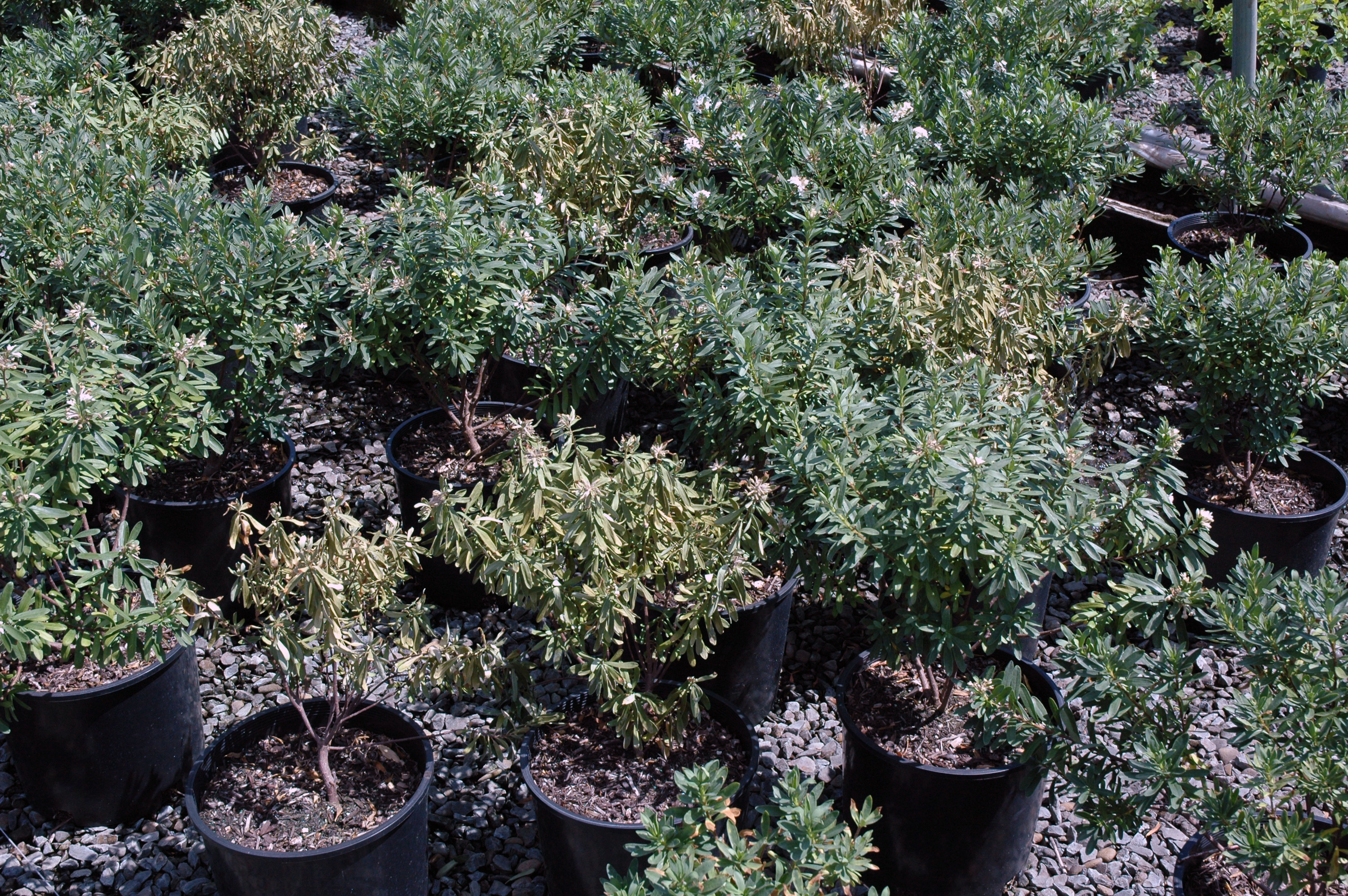
Cause Phytophthora sp., a fungus-like microorganism. This organism can survive as a resting structure (chlamydospores and oospores), as hyphae in the roots of diseased plants and in crop debris. It is easily spread in contaminated potting media, disease cuttings or liners and splashing or flowing water. Recycled irrigation water can also be a source. Cool, wet, or waterlogged soil favors disease development. The disease also can occur on sloping ground if soil stays excessively wet.

Image related to Daphne-Root Rot

Cause Verticillium dahliae and/or Fusarium oxysporum, fungi that live indefinitely in soil and may be carried in infected tubers. Verticillium grows into the xylem where it colonizes the plant through mycelial growth and conidial production. Conidia are transported passively by the fluid movement in the xylem. Once in the xylem, this fungus partially blocks water movement and produces toxins that result in wilt symptoms.

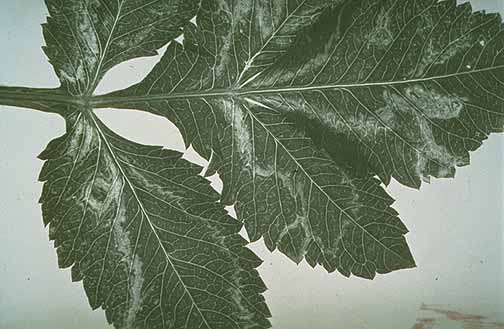
Image related to Dahlia-Virus Diseases

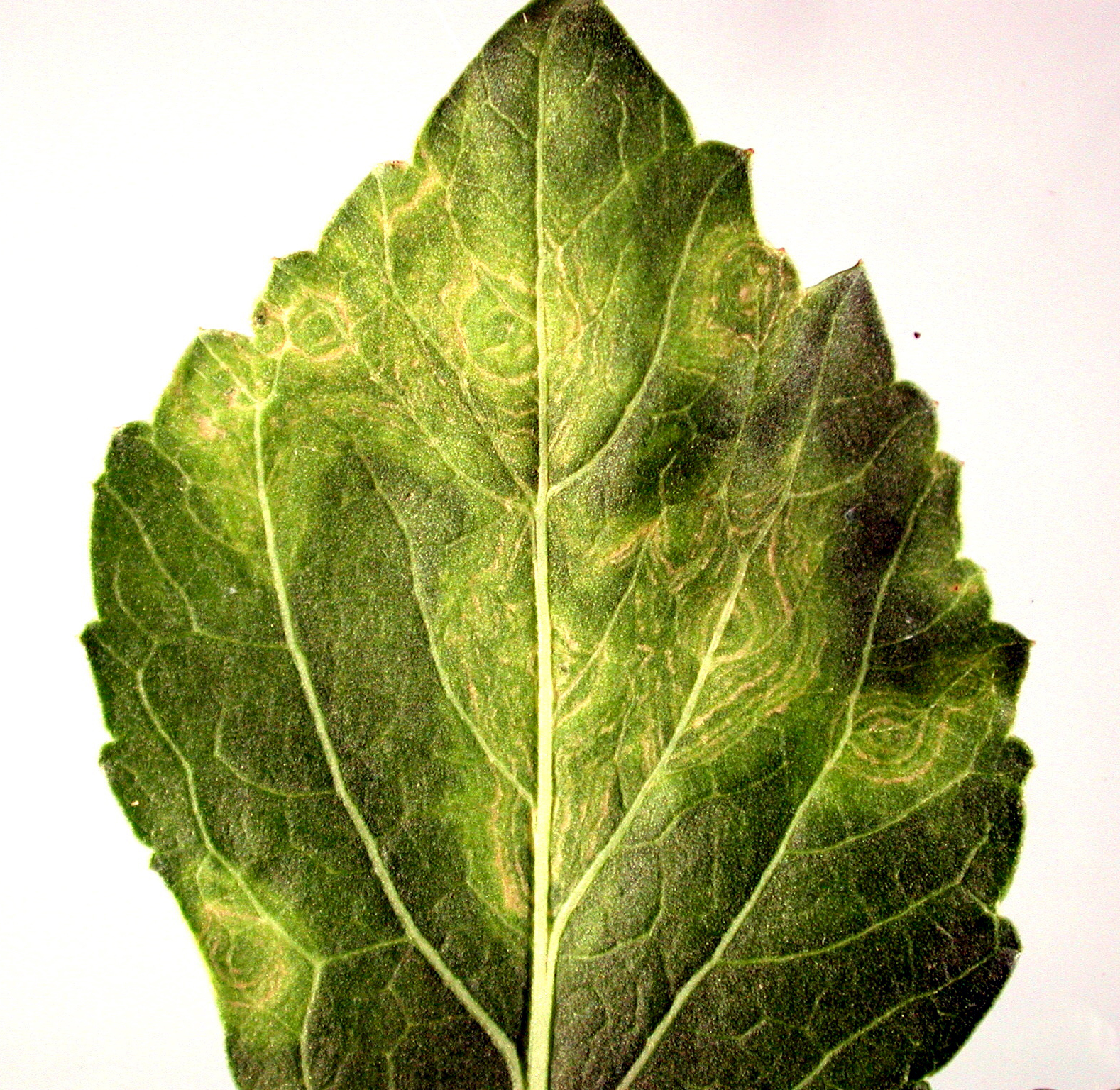
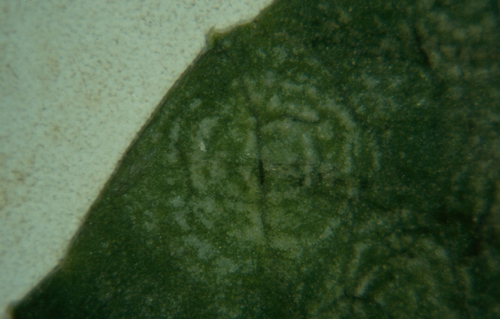
Cause Entyloma dahliae (formerly Entyloma calendulae f. dahliae), a soilborne fungus. It overwinters in plant debris in soil. It is not transmitted in dahlia seed or tubers but could move via soil on tubers. High humidity and wetness favor disease development.

PNW Plant Disease Image
Image related to Dahlia-Ringspot

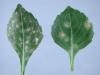
Cause Golovinomyces cichoracearum (formerly Erysiphe cichoracearum) has been reported from Washington and the disease has been observed in Oregon. Golovinomyces spadiceus has also been reported from the United States. It is not considered a large problem in the US but has been troublesome in other areas of the world (with different powdery mildew fungi). Weather that produces high humidity but dry leaves favors this fungus.

A few Dahlia leaves

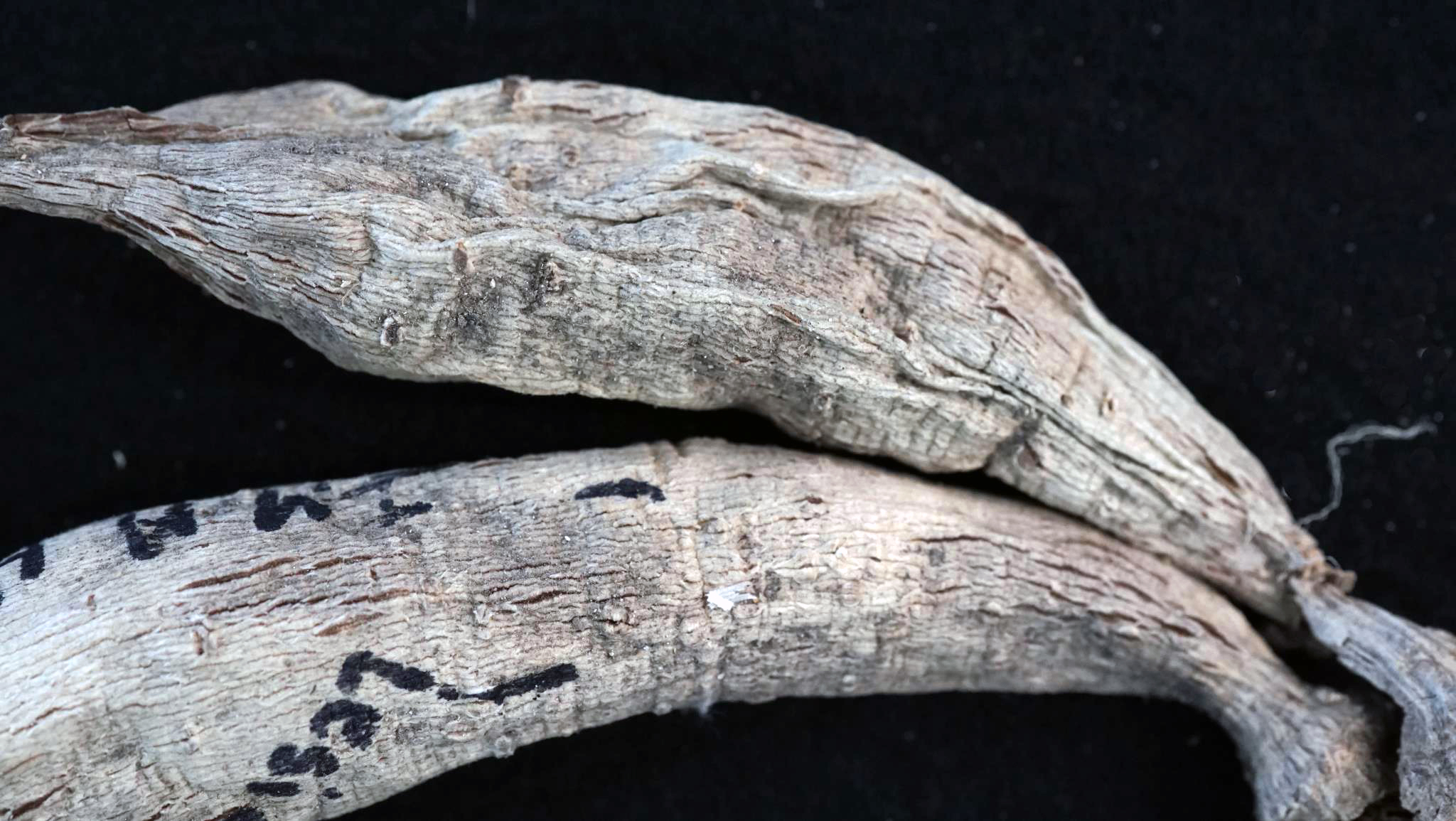
Cause Meloidogyne hapla, root-knot nematodes, are sedentary endoparasites, and only second-stage juveniles (the infective stage) and adult males (which may be rare) are in soil.

See:

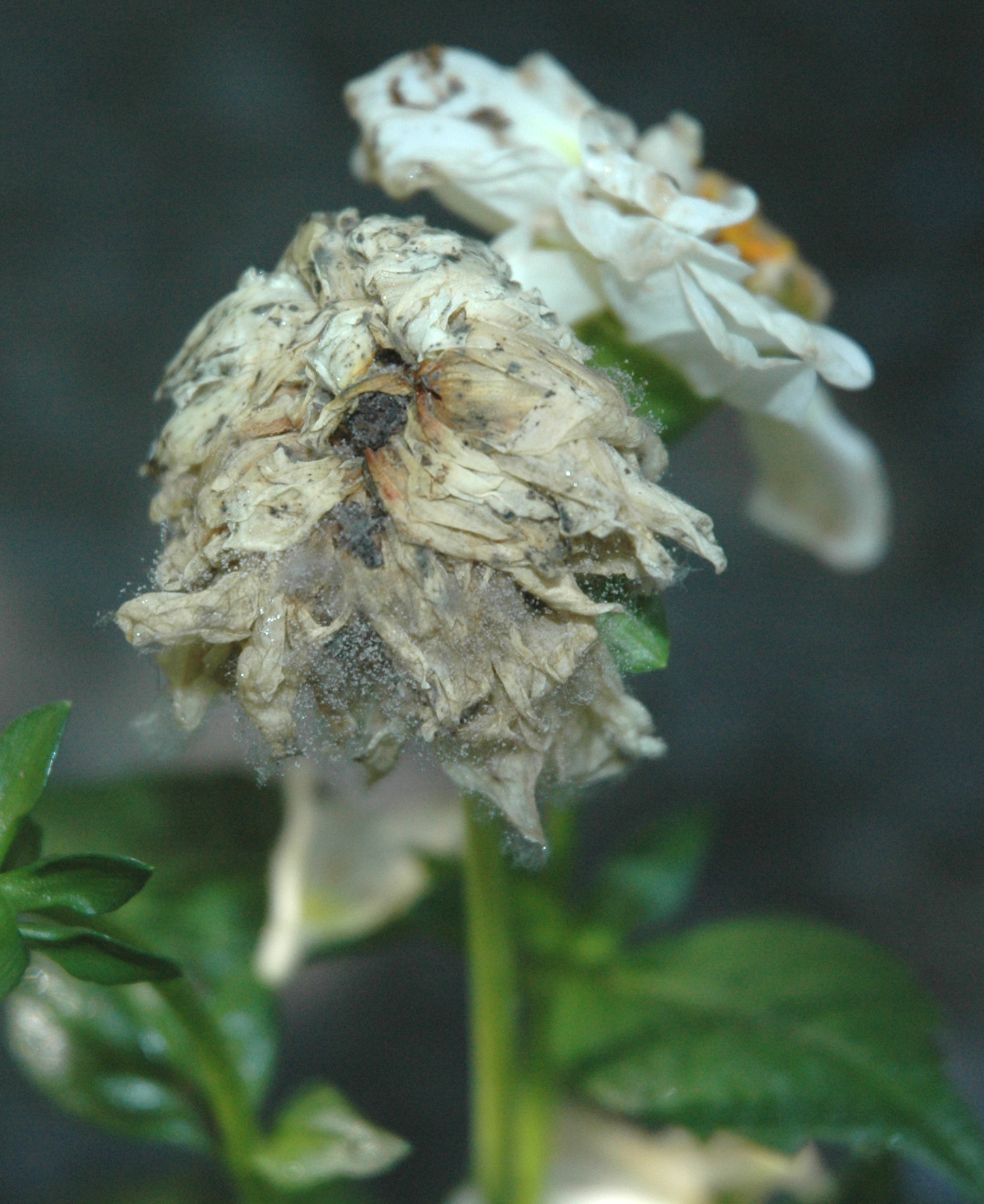
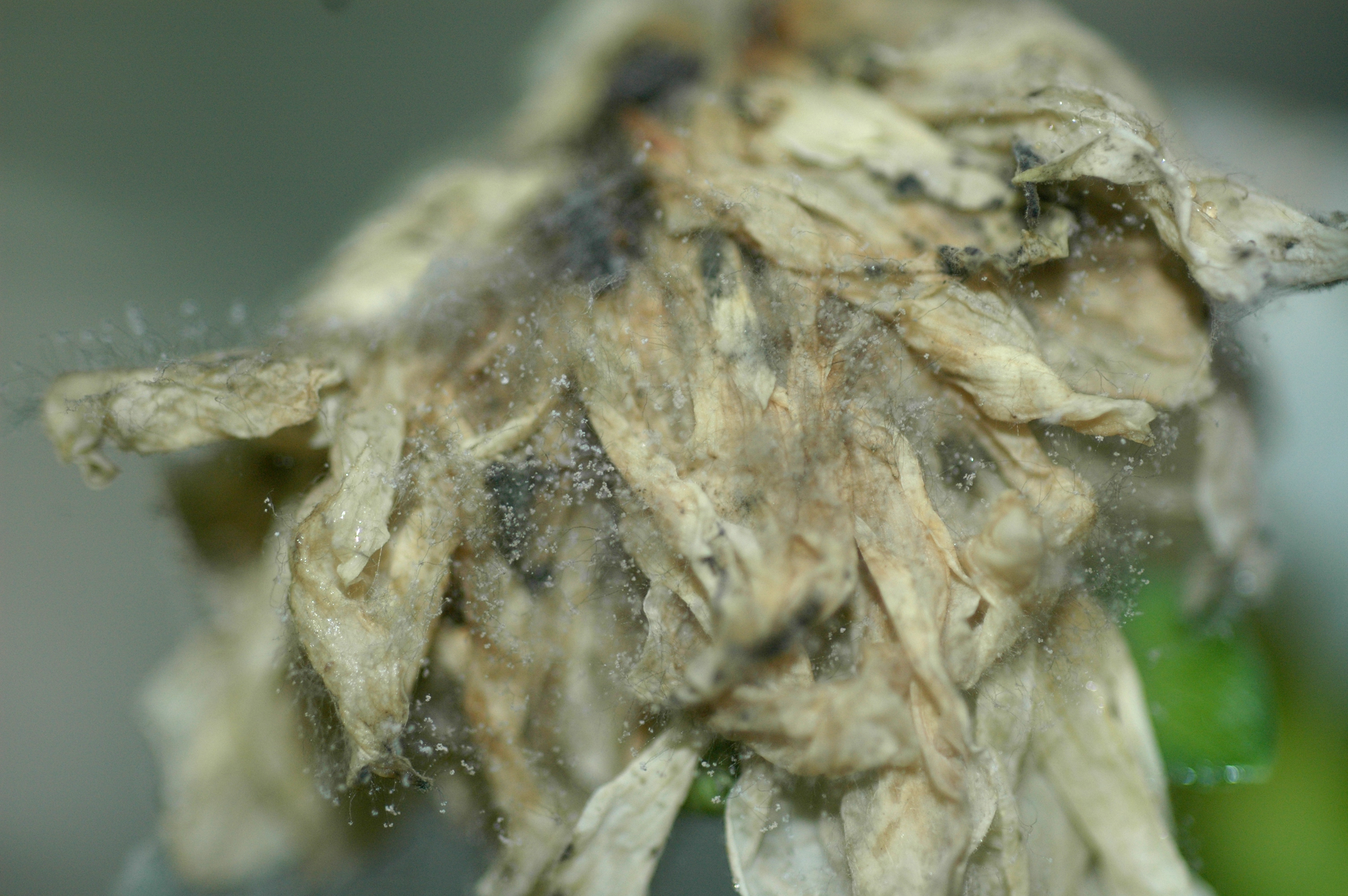
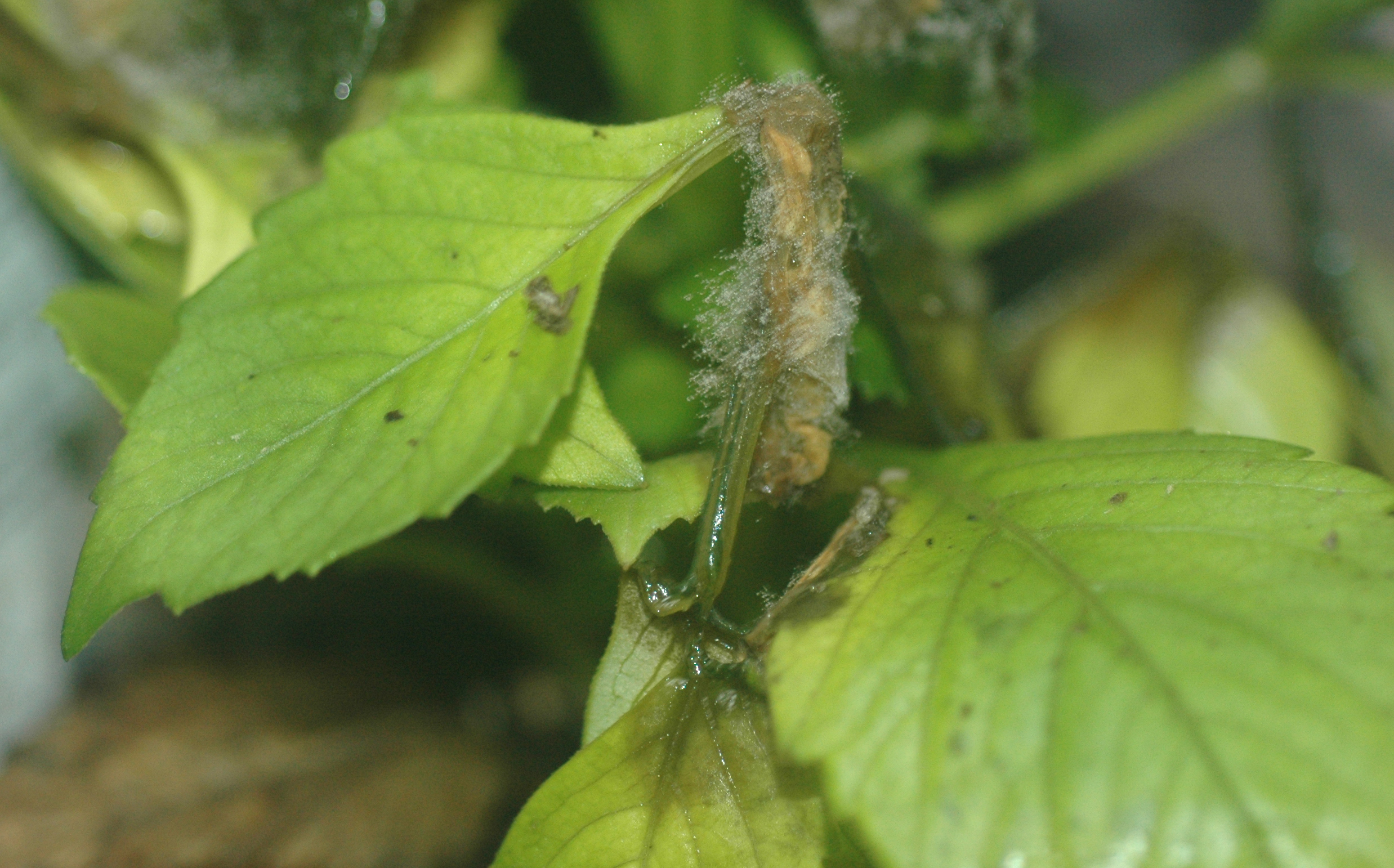
Cause Botrytis cinerea, a fungus. During cloudy weather and high humidity, the fungus occurs widely on soft, succulent plant material of a wide variety of hosts, building up rapidly on tender flower petals and rapidly growing stems and leaves.