Plant Disease Management Handbook

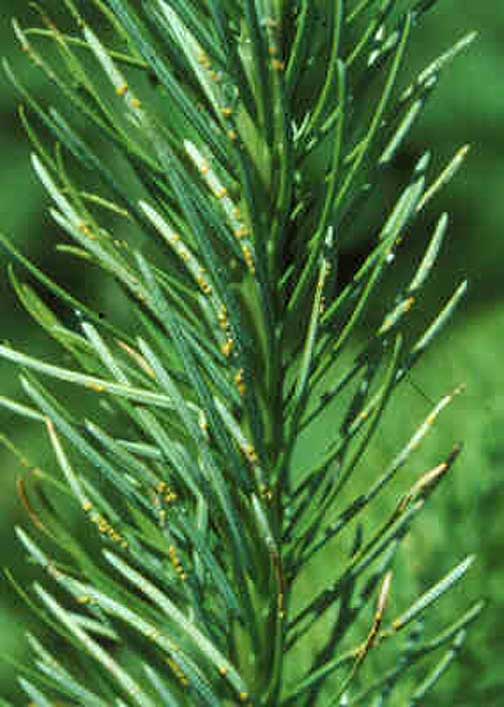
Image related to Fir, Douglas and True-Dwarf Mistletoe
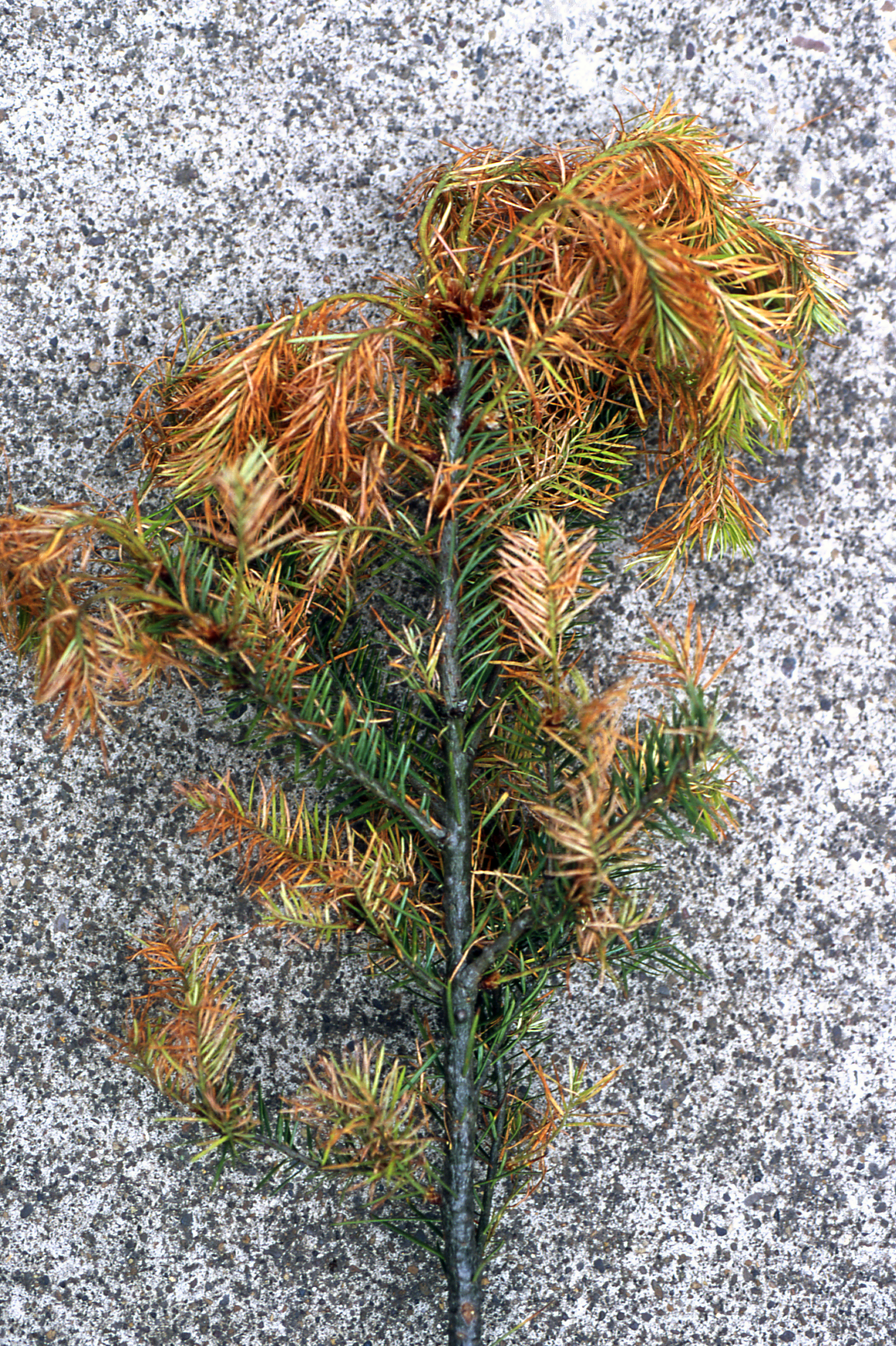
Image related to Fir, Douglas and True-Damping-off

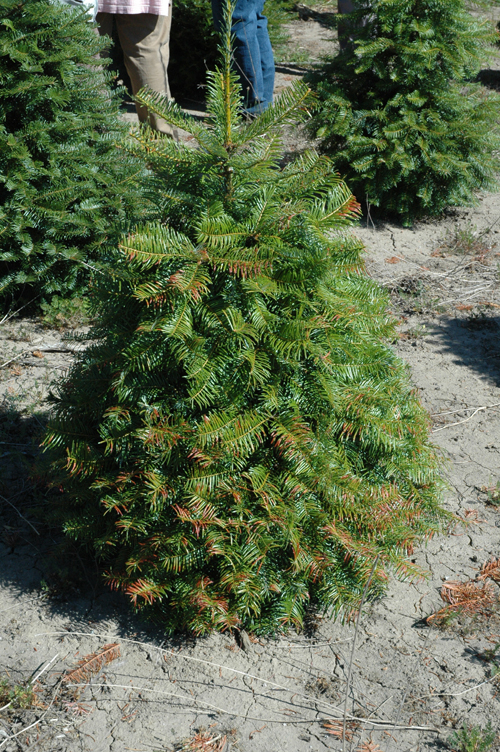
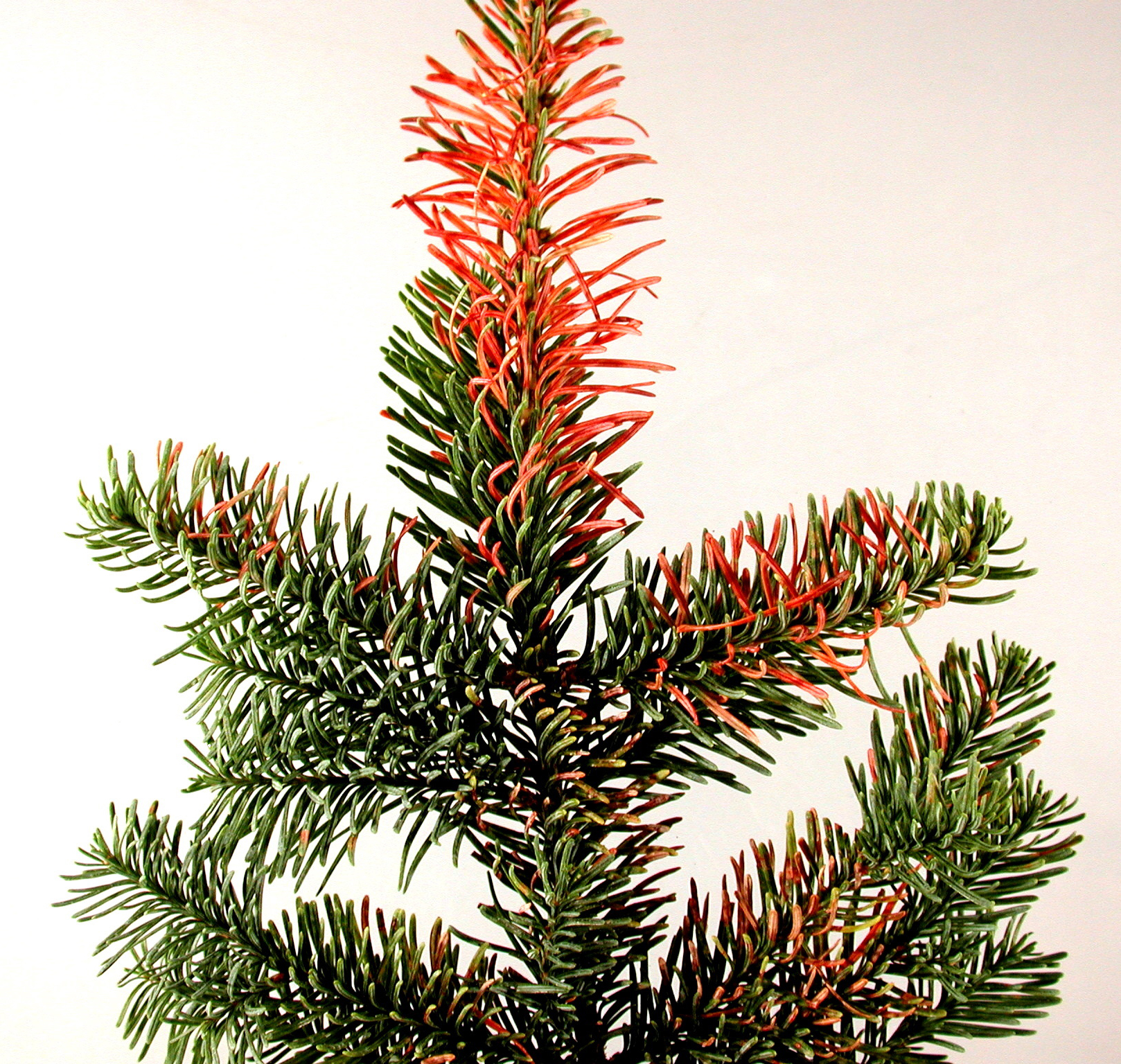
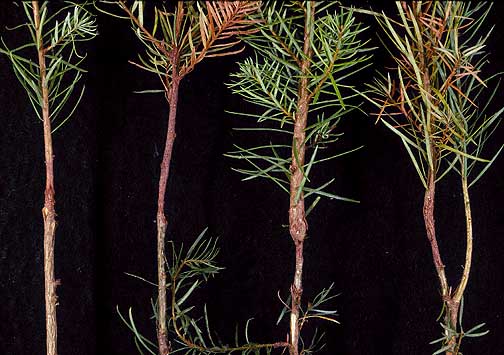
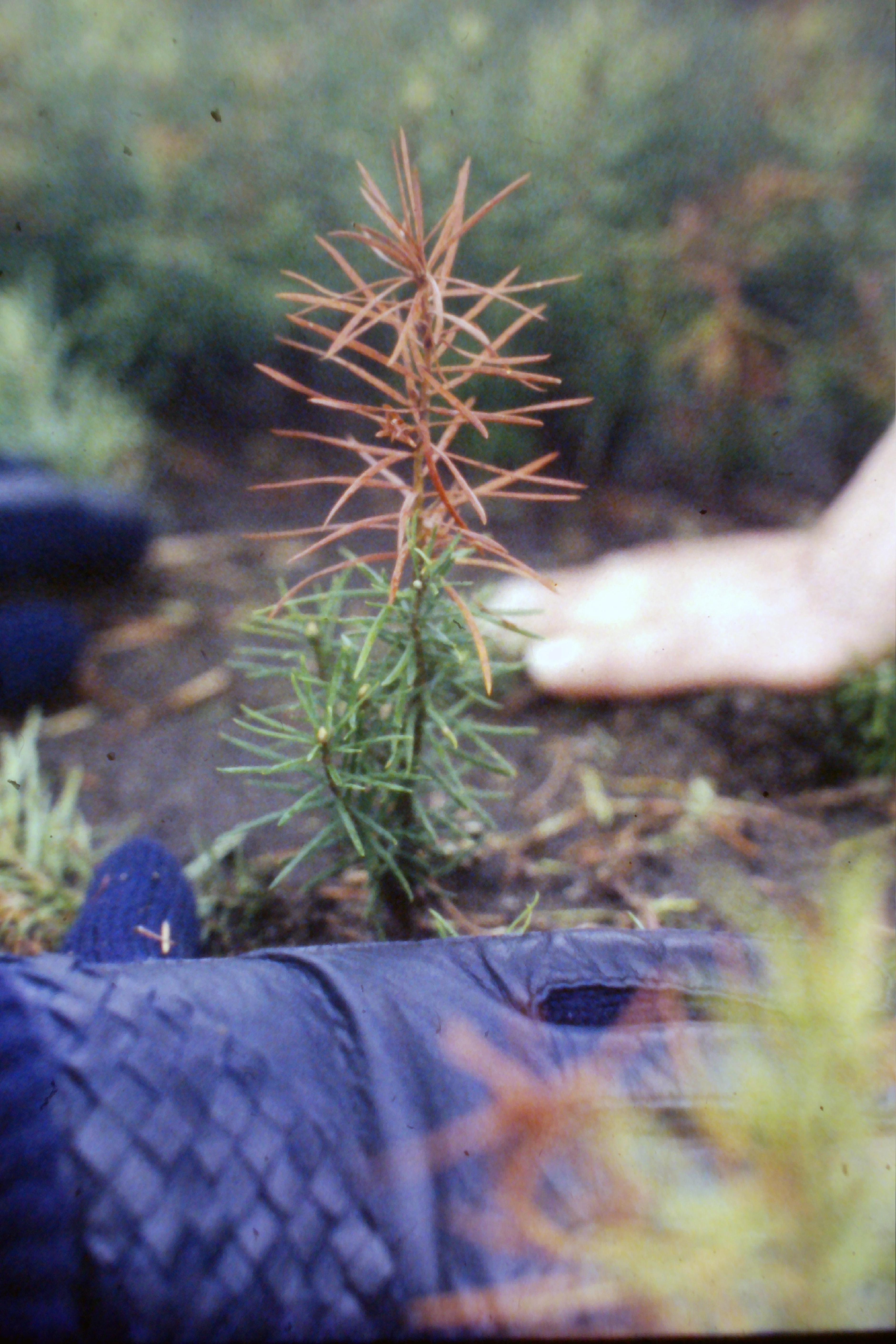
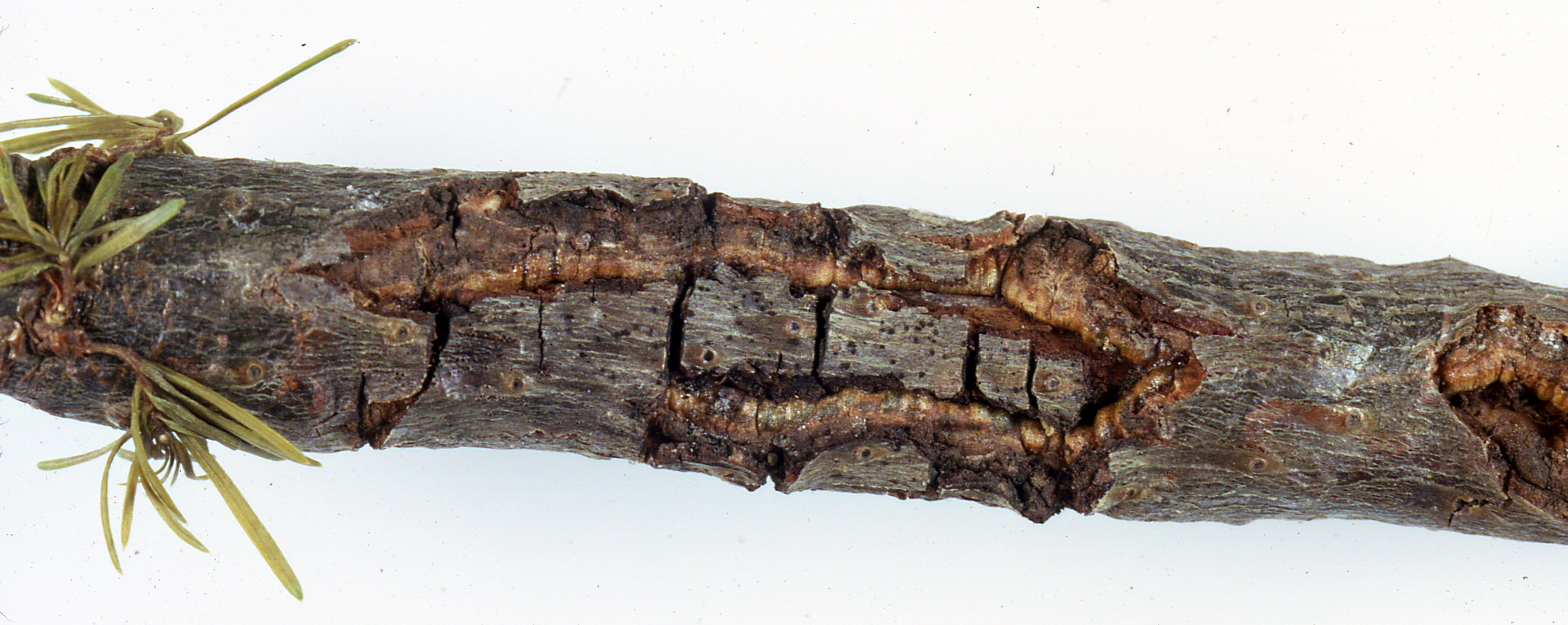
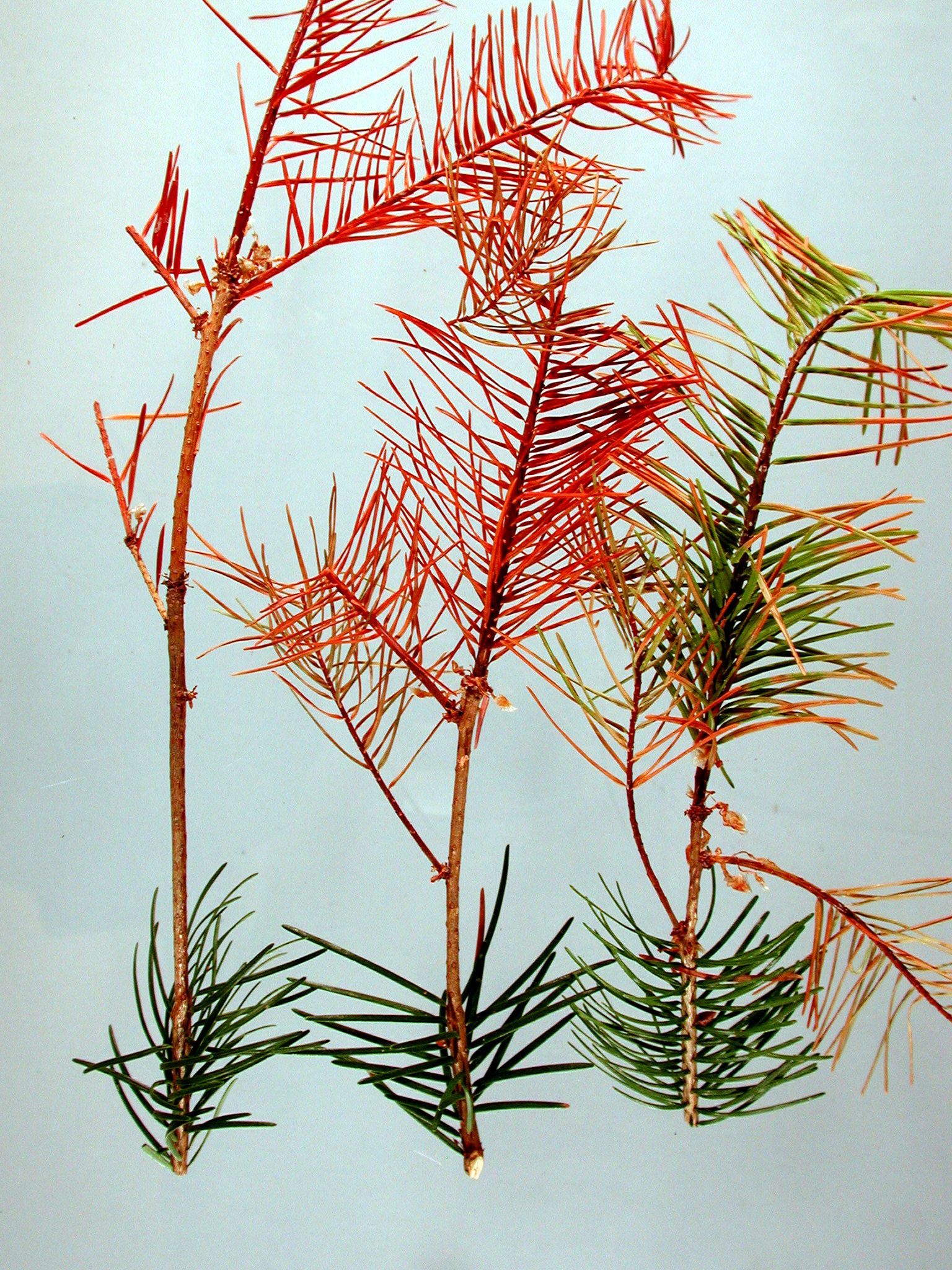
Cause The fungus Leptographium wageneri var. pseudotsugae in young Douglas-fir stands west of the Cascade Range that have been thinned (especially in the interior areas of southwest Oregon) and Grosmannia wageneri (formerly L. wageneri var. ponderosum) on old ponderosa pine stands east of the Cascade Range.

Image related to Fir, Douglas (Pseudotsuga menziesii)-Black-Stain Root Disease

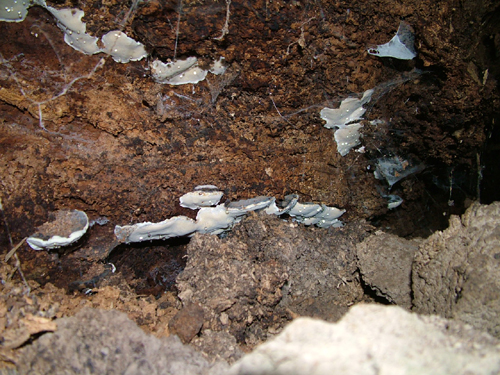
Cause Armillaria ostoyae (may be referred to as A. solidipes in some publications) is the species associated with most conifer mortality in the Pacific Northwest, while A. mellea is considered rare.

Go to:

Go to:

Cause Erysiphe euonymicola (formerly Oidium euonymi-japonici), a fungus that occurs only on Euonymus japonica and is found wherever the host grows. The green cultivar Patens is very susceptible. In the past, the fungus was rarely observed on variegated cultivars but now is much more common. The fungus overwinters as mycelia and spores on infected leaves and stems. Airborne spores are spread to newly emerging leaves in the spring.

Cause Rhizobium radiobacter (formerly Agrobacterium tumefaciens), a soilborne bacterium, enters Euonymus plants through wounds, either natural or caused by pruning, grafting, mechanical injury from cultivation, heaving of frozen soils, chewing insects, or the emergence of lateral roots. Pruning tools that cut through galls can become contaminated with the bacteria and spread them to cut surfaces of subsequently pruned plants.

Cause Pseudomonas syringae pv. syringae, a bacterium. Factors that favor the disease include wounds, frost damage, soil pH, poor nutrition, and infection by other pathogens. Sources of bacteria include old cankers, healthy buds, and epiphytes on leaf surfaces, weeds, grasses, and even soil. Bacteria can spread by wind, rain, insects, and infected nursery stock.

Image related to Euonymus-Bacterial Blight

Cause The fungus Colletotrichum gloeosporioides has been found a few times by the OSU Plant Clinic and is considered an occasional problem in BC. It is a problem on Euonymus japonica and E. fortunei including the very susceptible cultivars Canadale Gold, Emerald Gaiety, and Emerald 'n Gold. The fungus is favored by warm temperatures and long wet periods.

Image related to Euonymus-Anthracnose