Plant Disease Management Handbook

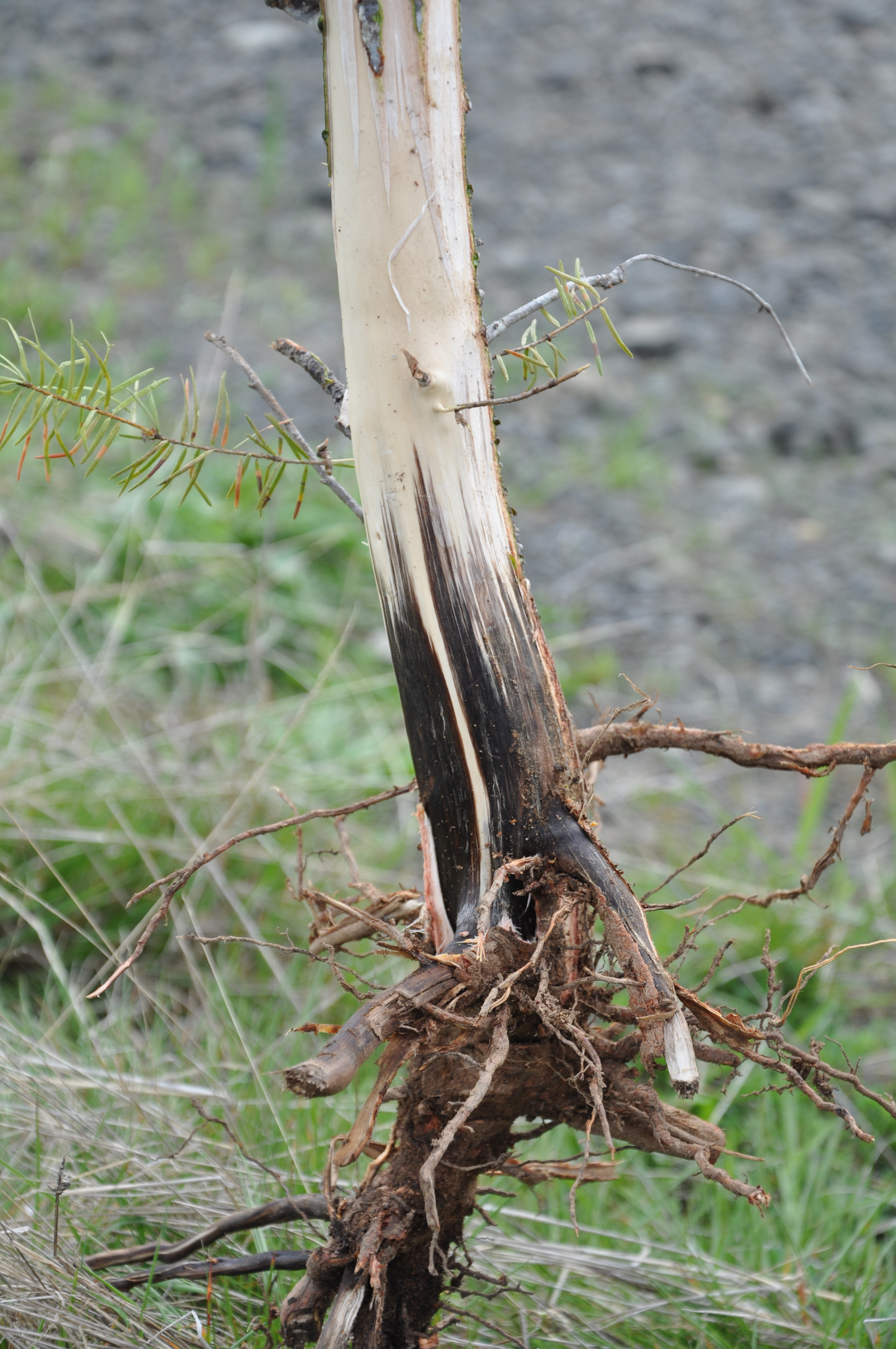
Cause The fungus-like microorganism Phytophthora cinnamomi has been reported and found frequently in Oregon. Waterlogged soils and warm temperatures favor P. cinnamomi. It survives unfavorable periods in soil and infected plant debris. Under favorable conditions, spores germinate and infect roots. After infection, the microorganism spreads mainly in the inner bark tissues of the root and stems.

Image related to Erica sp. (Heath)-Root Rot

Cause Nectria cinnabarina, a fungus. It is a common saprophyte on many plant species. The fungus colonizes bark, cambium, and sapwood of stems weakened by freezing, drought, mechanical injury, or other diseases.

Cause Ophiostoma ulmi (formerly Ceratocystis ulmi) and O. novo-ulmi, fungi with many subgroups. The first of two North American epidemics began in the 1920s with the introduction of a relatively non-aggressive subgroup, which reduced the native elm population. A second, more destructive epidemic began in the 1940s with the introduction of a more aggressive subgroup, which has been found in Oregon.

Image related to Elm (Ulmus spp.)-Dutch Elm Disease

Cause Wetwood is associated with bacteria including Enterobacter nimipressuralis, Bacillus megaterium, and Pseudomonas sp. Liquid accumulates in diseased tissue of the tree which is then colonized by the bacteria. Anaerobic growth of the bacteria produces gas inside the tree. The high gas pressure forces liquid out of the tree where it dries on the bark. A higher pH also can be detected in diseased tissue.

Image related to Elm (Ulmus spp.)-Bacterial Wetwood
Image related to Eggplant (Solanum melongena)-Verticillium Wilt

Cause Phytophthora capsici, a fungus-like microorganism. This soil-inhabiting organism causes root rot in pepper and eggplant and is most active in moist, warm weather (75°F to 91°F). Disease is generally seen in the wettest areas of a field.

See:

Chemical control

Cause Cercospora melongenae, a fungus that survives at least one year in infected plant debris or in soil. Wet leaves and a high relative humidity favor disease development.

Cause Colletotrichum coccodes (formerly C. atramentarium), a fungus that is saprophytic part of its life cycle and may survive from year to year in the soil and infected crop residues. Solanaceous crops and weeds are all hosts. Seed may also be infected. Free moisture and mild temperatures are conducive for disease with 68°F to 76°F being optimum for infection.