Plant Disease Management Handbook

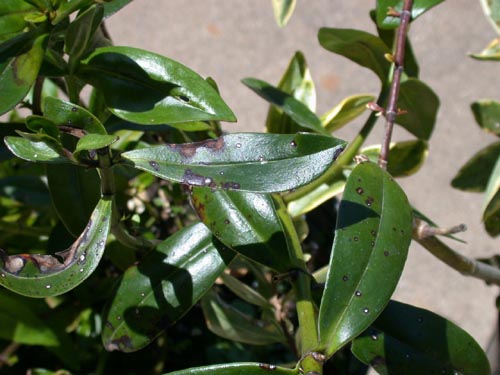
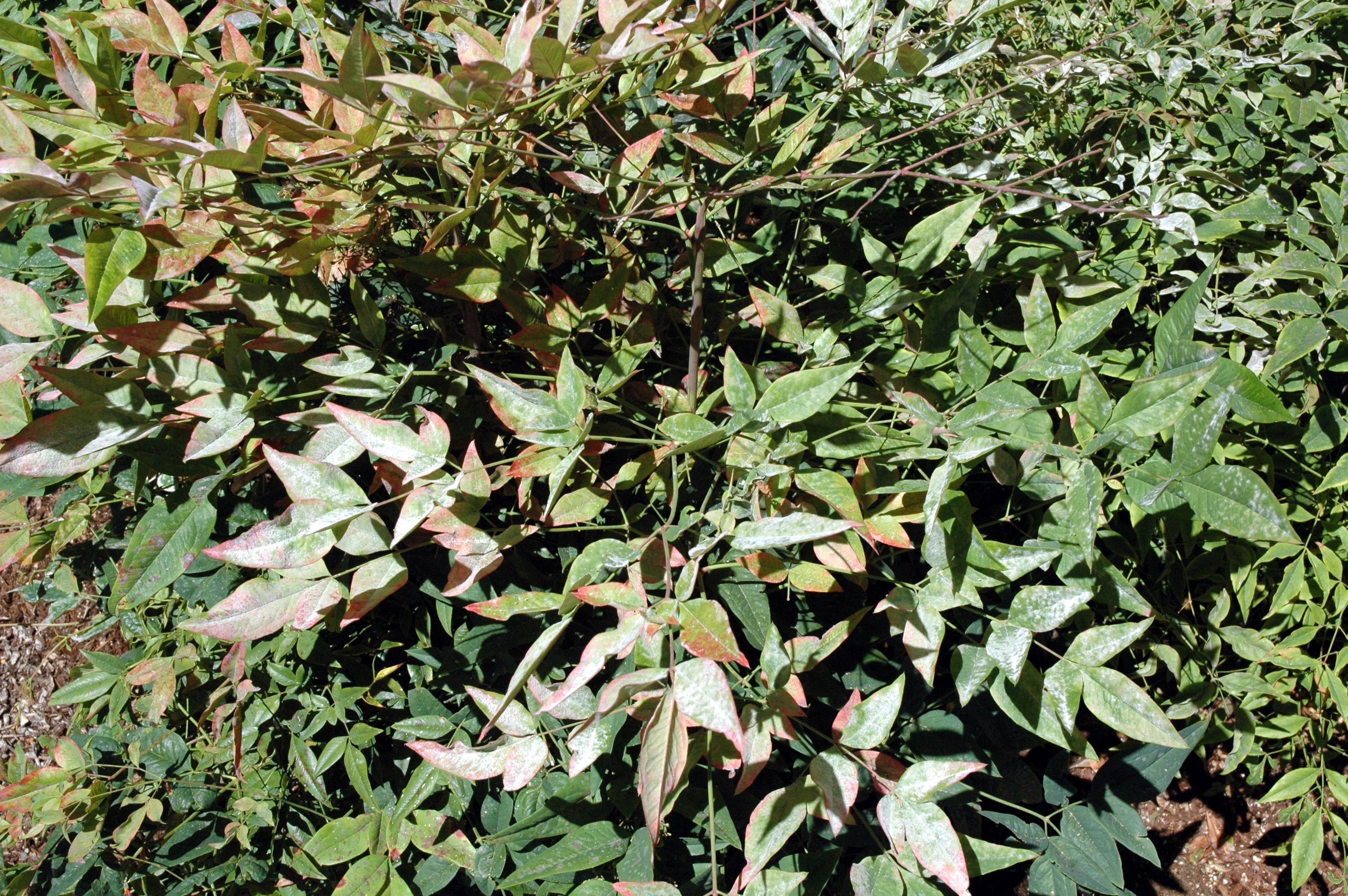
Cause Septoria exotica is a fungus that is favored by conditions that keep leaves wet. Pseudophaeophleospora atkinsonii (formerly Kirramyces hebes) has been described, which has similar symptoms but larger sized leaf spots. It is not known which might occur in the PNW.

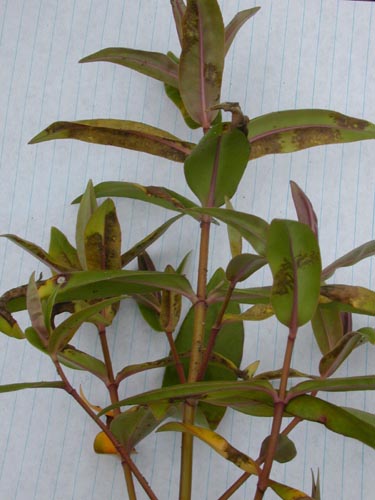
Cause There have been several organisms associated with root rots and resulting branch diebacks in Oregon including Phytophthora sp., Macrophomina phaseolina (Charcoal rot) and Fusarium oxysporum. Both Phytophthora and Fusarium are favored by excessively wet soils but Phytophthora is favored by cool soils conditions while

See:

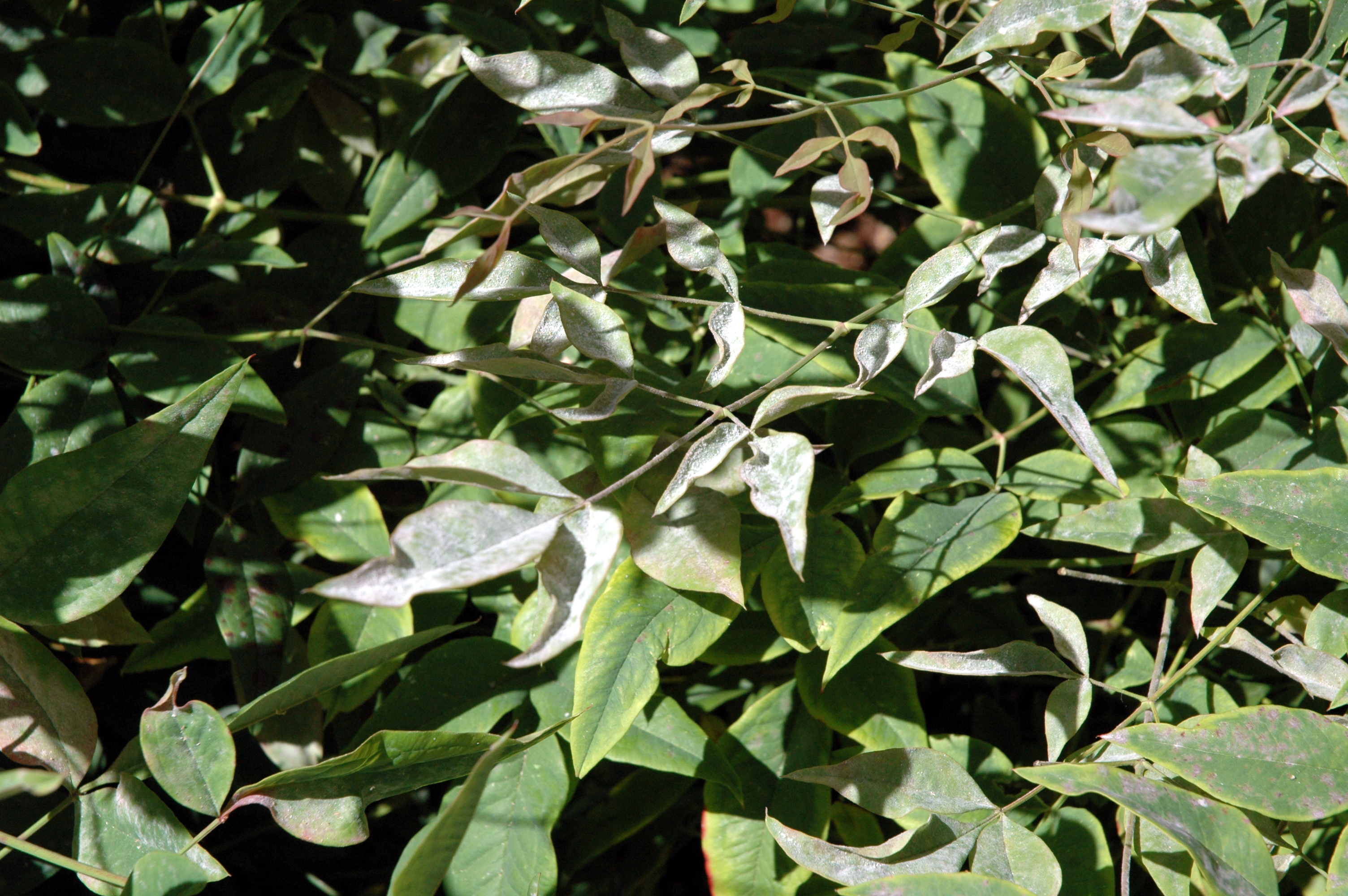
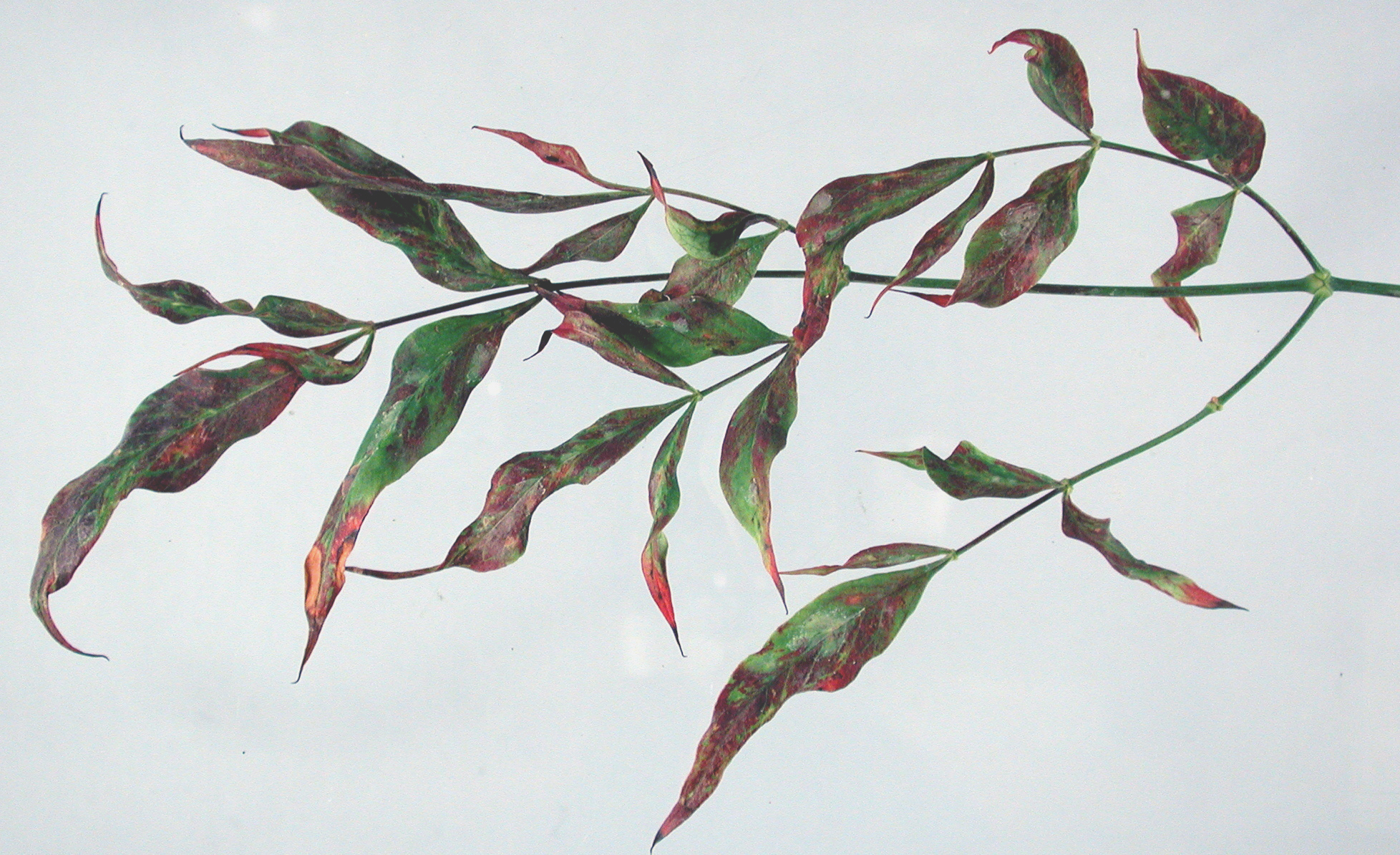
Cause Mosaic symptoms may be due to any of 3 viruses including cucumber mosaic virus (CMV), plantago asiatica mosaic virus (formerly nandina mosaic virus) and/or nandina stem pitting virus (NSPV). All of these viruses are easily transmitted through vegetative propagation of the host. CMV can also be vectored by a wide variety of aphids. None are seed transmitted.

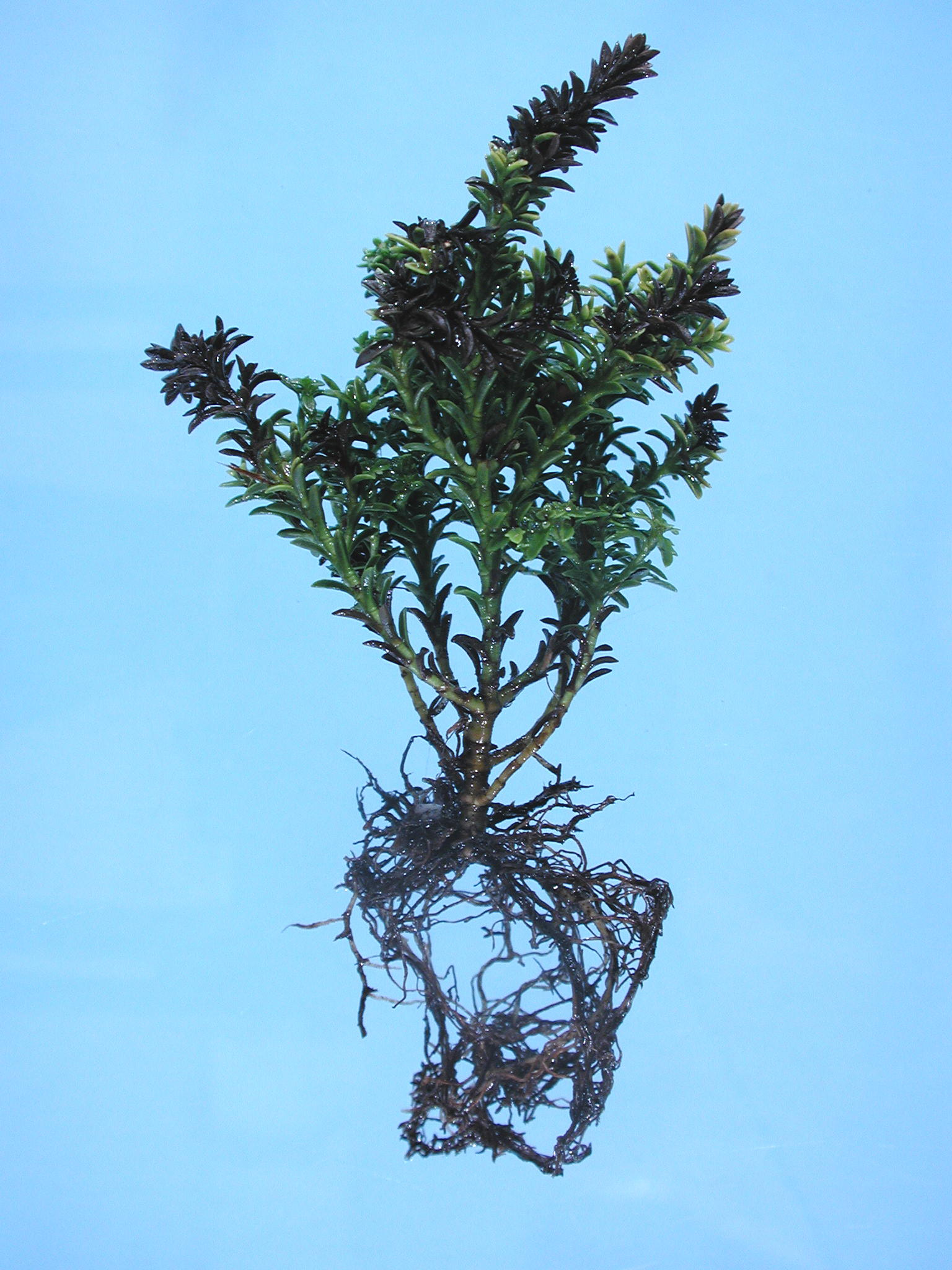
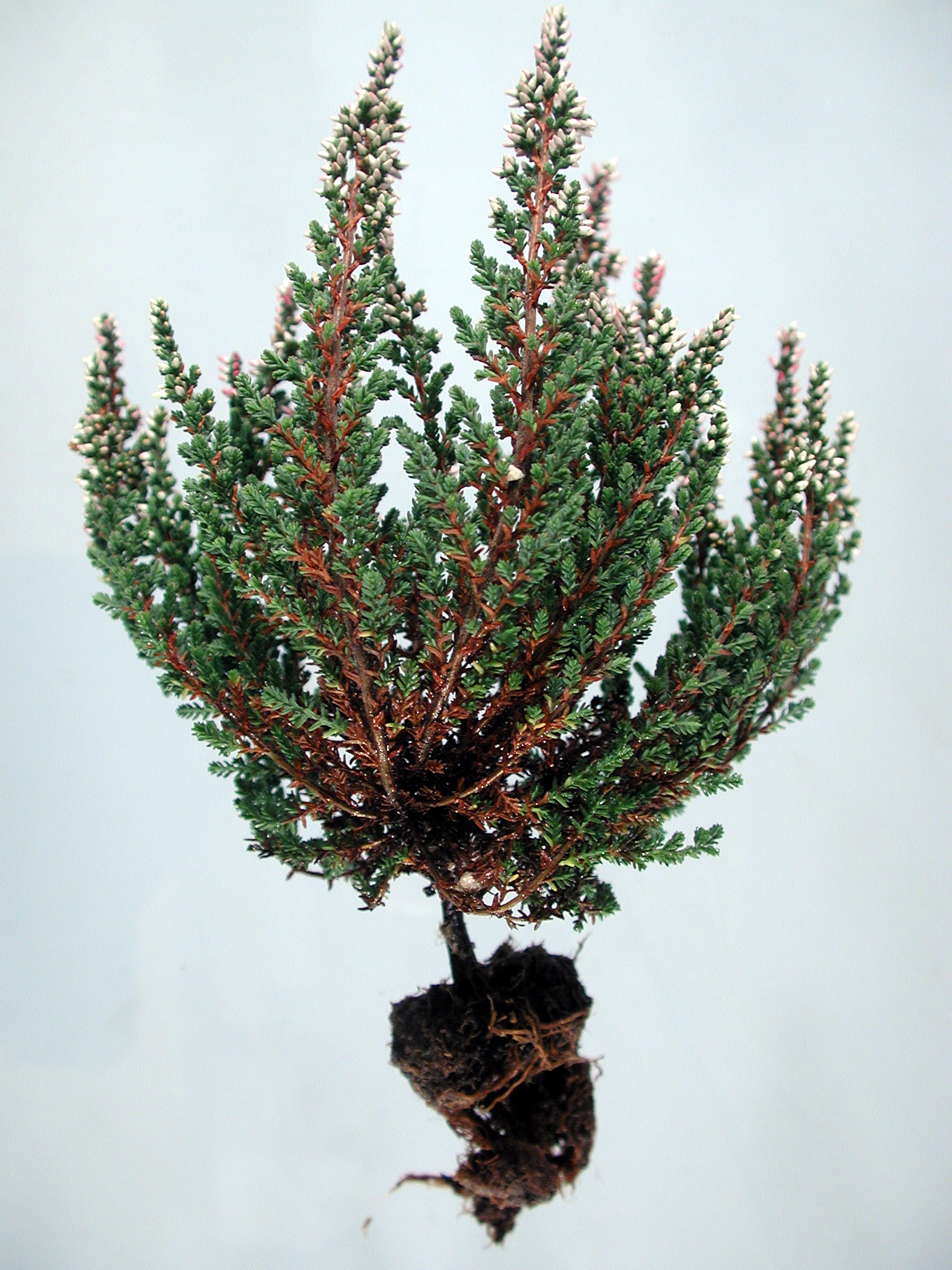
Cause The fungus-like microorganism Phytophthora cinnamomi has been reported frequently in Oregon. Waterlogged soils and warm temperatures favor the disease. It survives unfavorable periods in soil and within plant debris. Under favorable conditions, spores germinate and infect roots. After infection, the fungus-like microorganism spreads mainly in the inner bark tissues of the root and stems. They survive as various spores in the soil, container media, or infected roots.

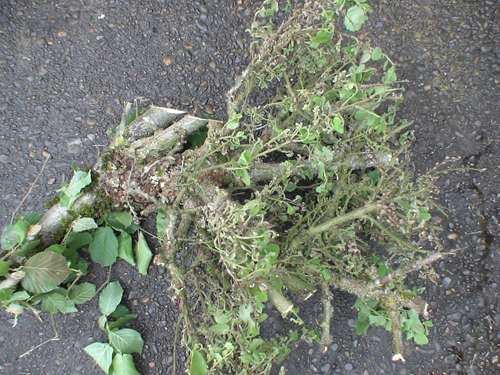
Cause Unknown. Witches' brooms in hazelnut are an oddity that is seen every few years. Growers are curious about the problem but do not report that it affects production in any way.

Witches' broom symptoms were associated with hazelnuts infected with Candidatus Phytoplasma fragariae in Slovenia but trees with the same pathogen in the UK only had yellowing leaf symptoms.

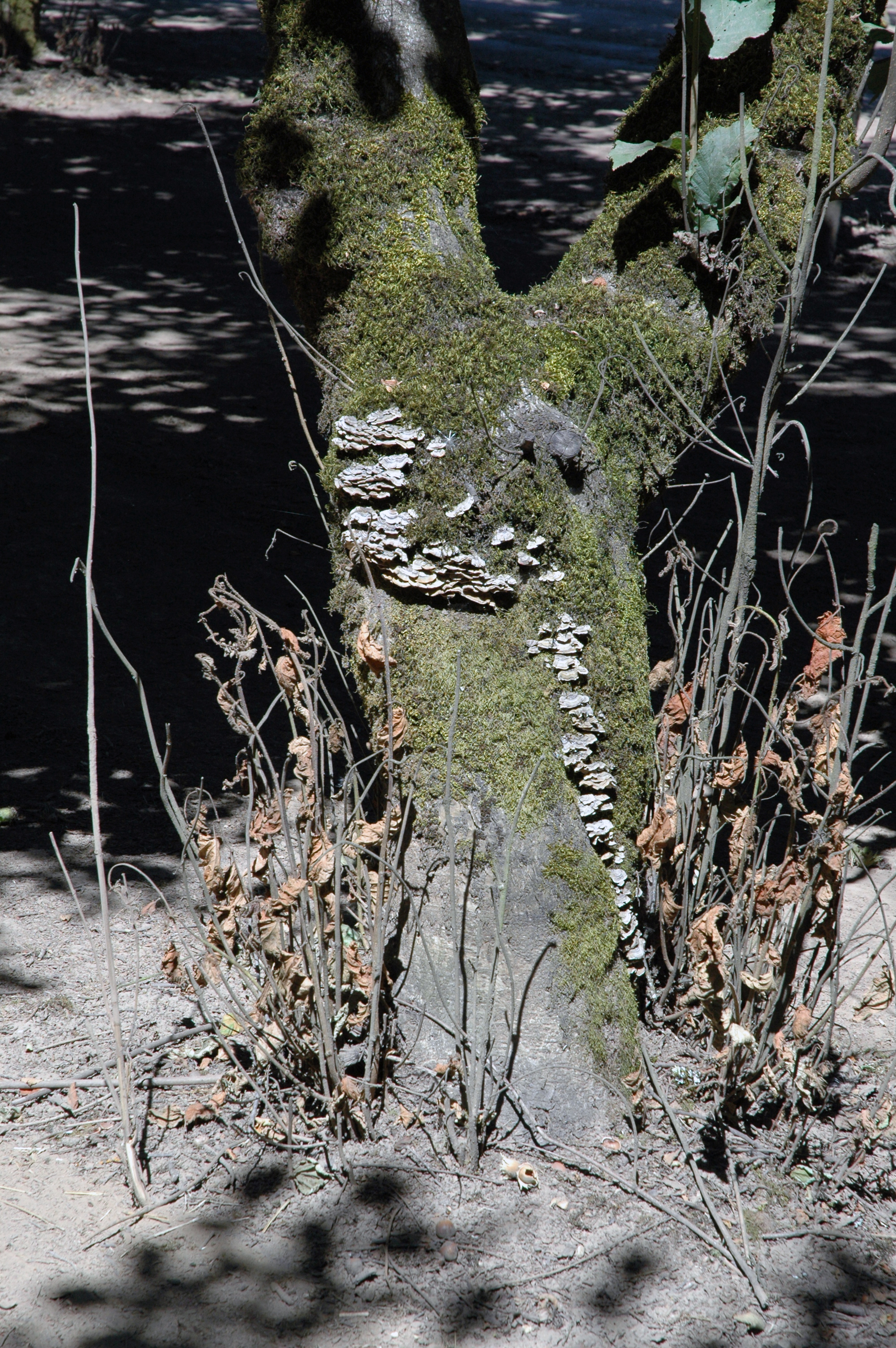
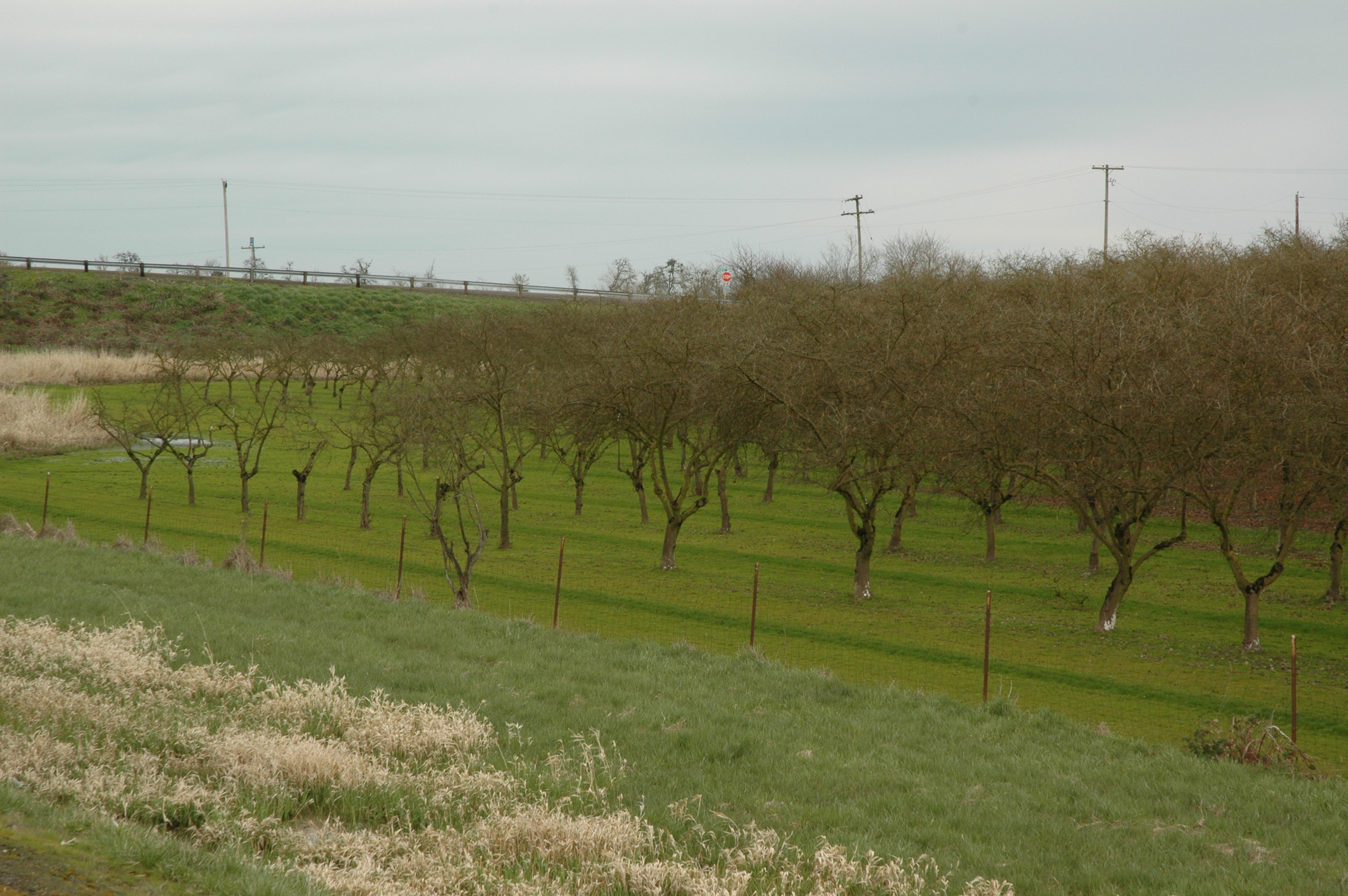
Cause Hazelnuts will not tolerate saturated soil conditions for extended periods of time during the winter. Trees grow poorly under these wet conditions for years and eventually may die.