Plant Disease Management Handbook

By A. Moore, K. Frost, and C. M. Ocamb

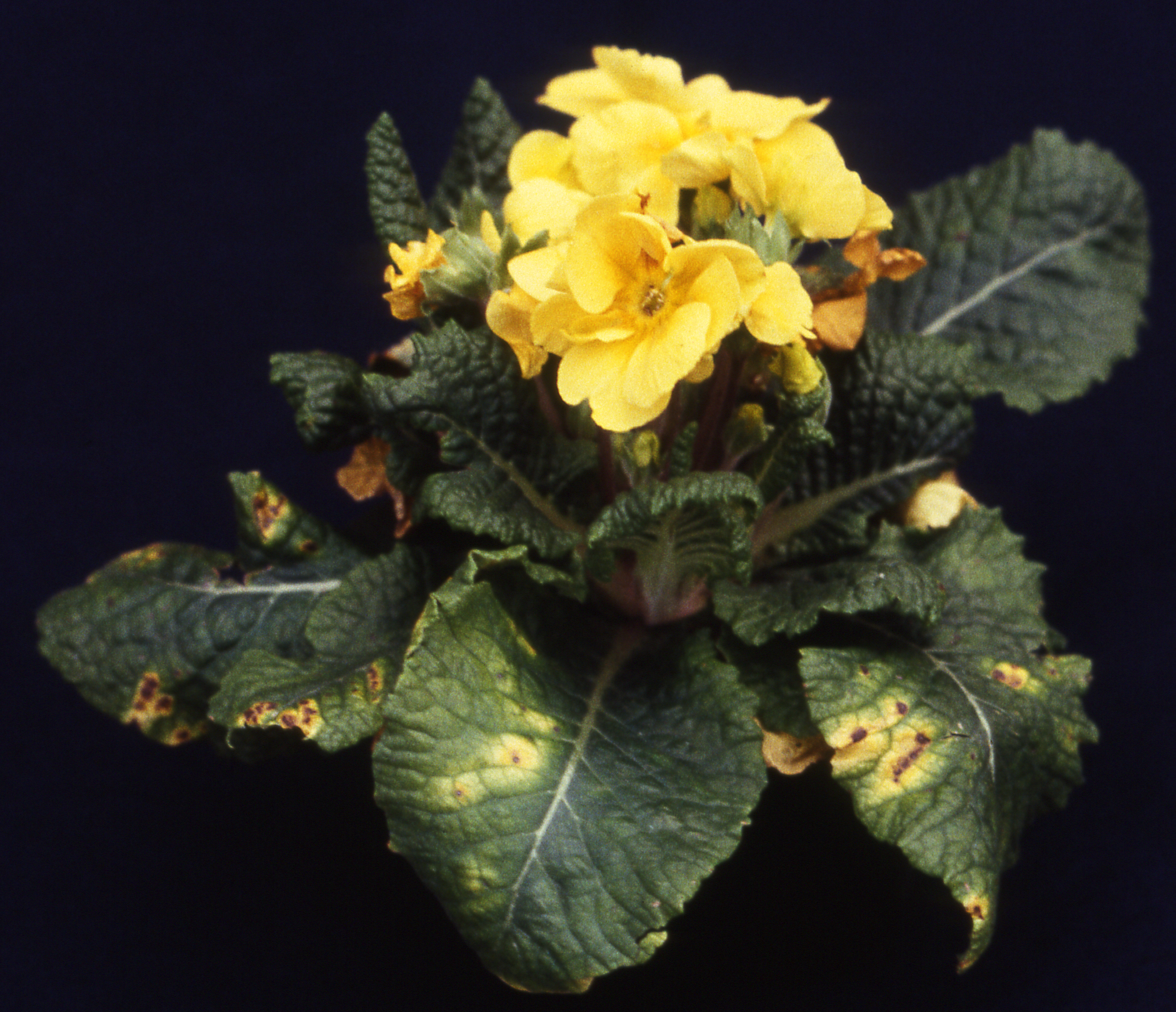
Image related to Potato (Solanum tuberosum)-Powdery Scab

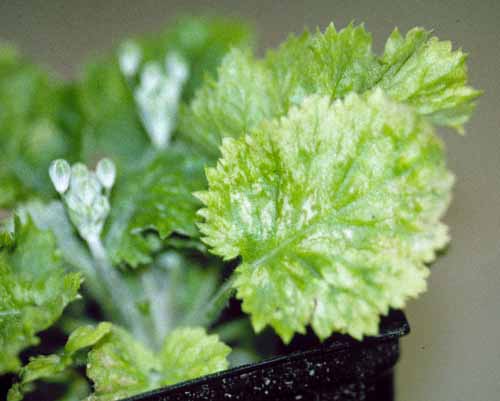
Cause The fungus, Golovinomyces orontii (formerly Erysiphe cichoracearum; anamorph Euoidium violae), is reported throughout the world on a wide range of hosts, but the strain on potatoes is a distinct physiologic race. Row-irrigated potatoes are more likely to show infection than sprinkler-irrigated.

Image related to Potato (Solanum tuberosum)-Powdery Mildew

Cause Synchytrium endobioticum, a primitive parasitic fungus that does not occur in the United States. Potato wart was found on Prince Edward Island, Canada in 2000, and there was concern that it may have spread to other areas. So far, the disease has not been found in other provinces of Canada or in the United States.

Image related to Potato (Solanum tuberosum)-Potato Wart

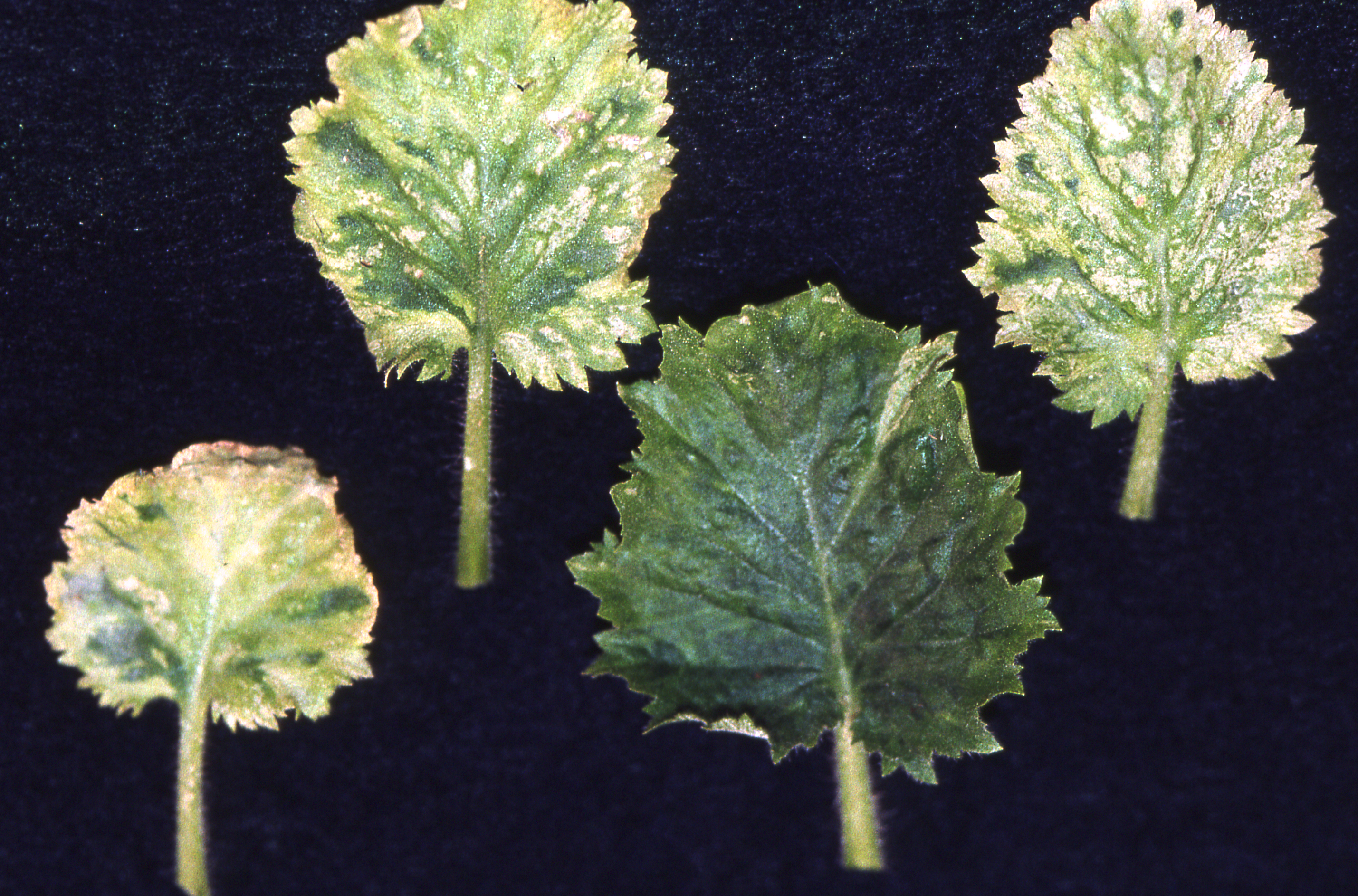
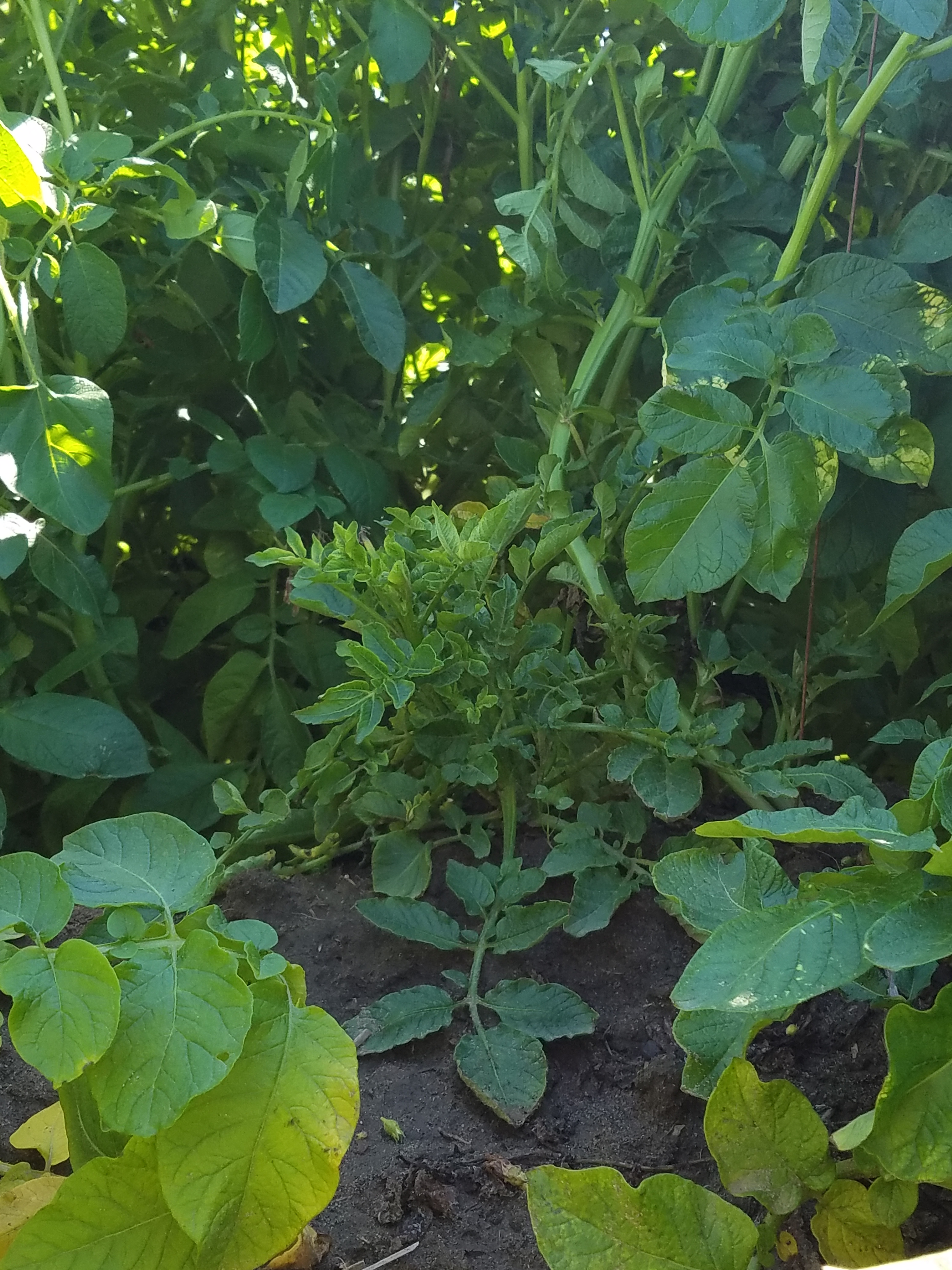
Cause An aphid-transmitted virus, potato virus Y, when combined with potato virus X.

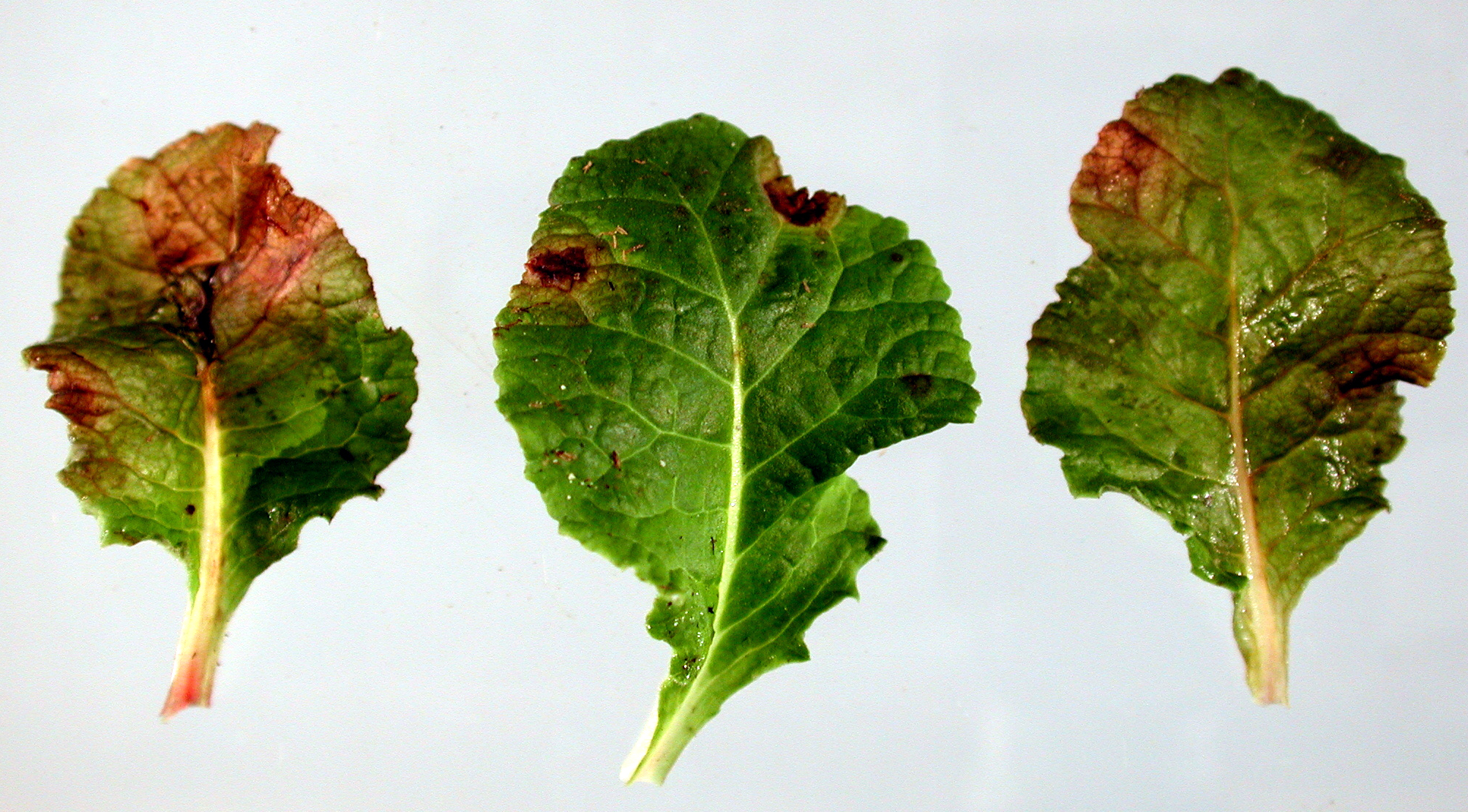
Symptoms Little mottling is present, but leaves are decidedly wrinkled and curled. Individual necrotic spots start and progress until the leaf dies. Lower leaves die first; sometimes leaving a stem with a tuft of wrinkled leaves at the tip.

Cultural control

Image related to Potato (Solanum tuberosum)-Potato Rugose Mosaic

By K. Frost and C. M. Ocamb

See:

By P. B. Hamm and C. M. Ocamb

Image related to Potato (Solanum tuberosum)-Potato Leafroll Virus (Leaf Roll)

By P. B. Hamm and C. M. Ocamb

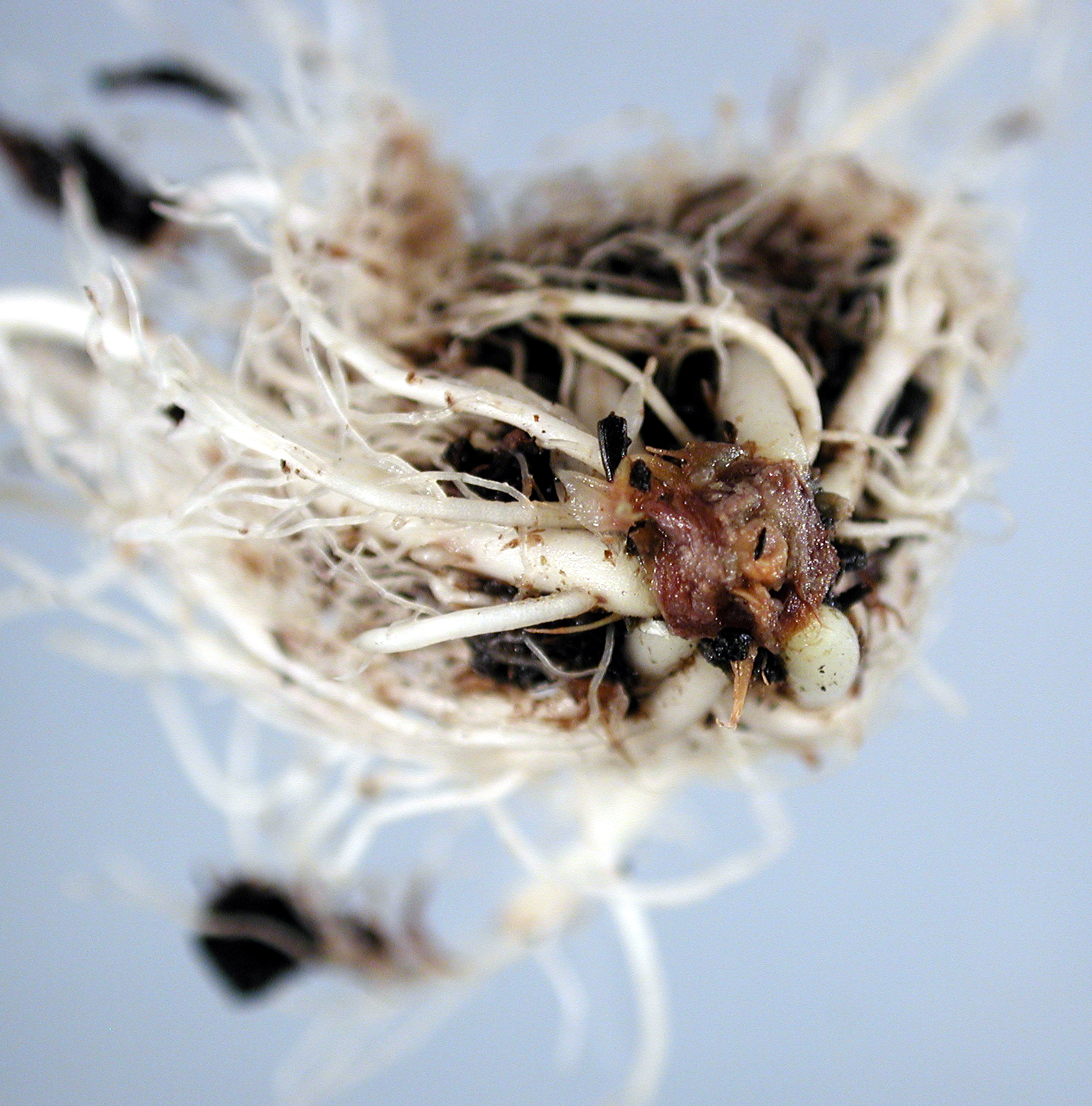
Cause Phytophthora erythroseptica, a soilborne fungus-like organism. The disease is directly associated with high soil moisture. It becomes a problem in storage by encouraging the development and spread of soft rot. Pink rot does not spread in storage by spore movement but grows from tuber to tuber.

Image related to Potato (Solanum tuberosum)-Pink Rot

By R. E. Ingham and C. M. Ocamb

See:

By R. E. Ingham, P. B. Hamm, and C. M. Ocamb

See:

By R. E. Ingham, P. B. Hamm, and C. M. Ocamb

Image related to Potato (Solanum tuberosum)-Nematode, Root-knot