Plant Disease Management Handbook

See:

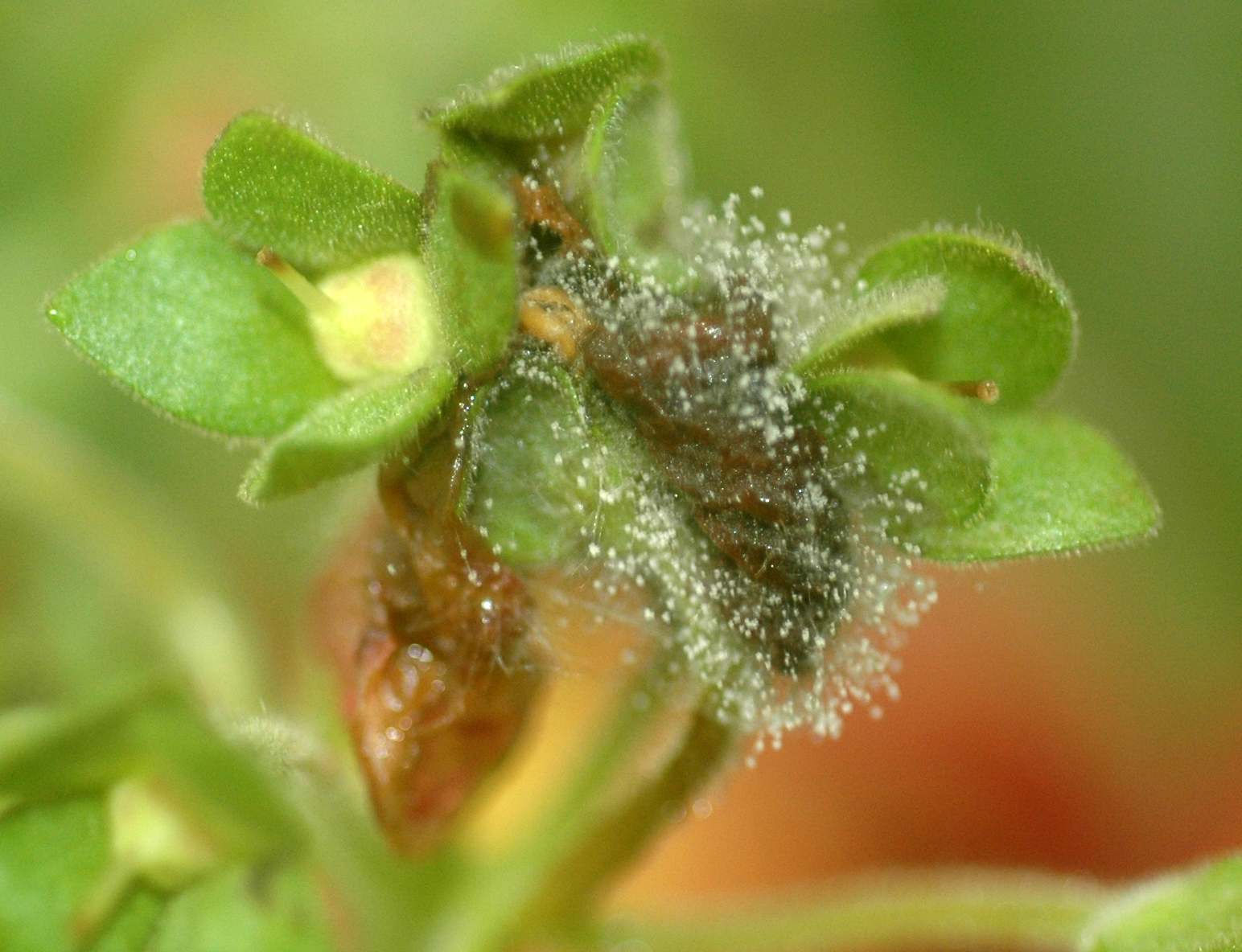
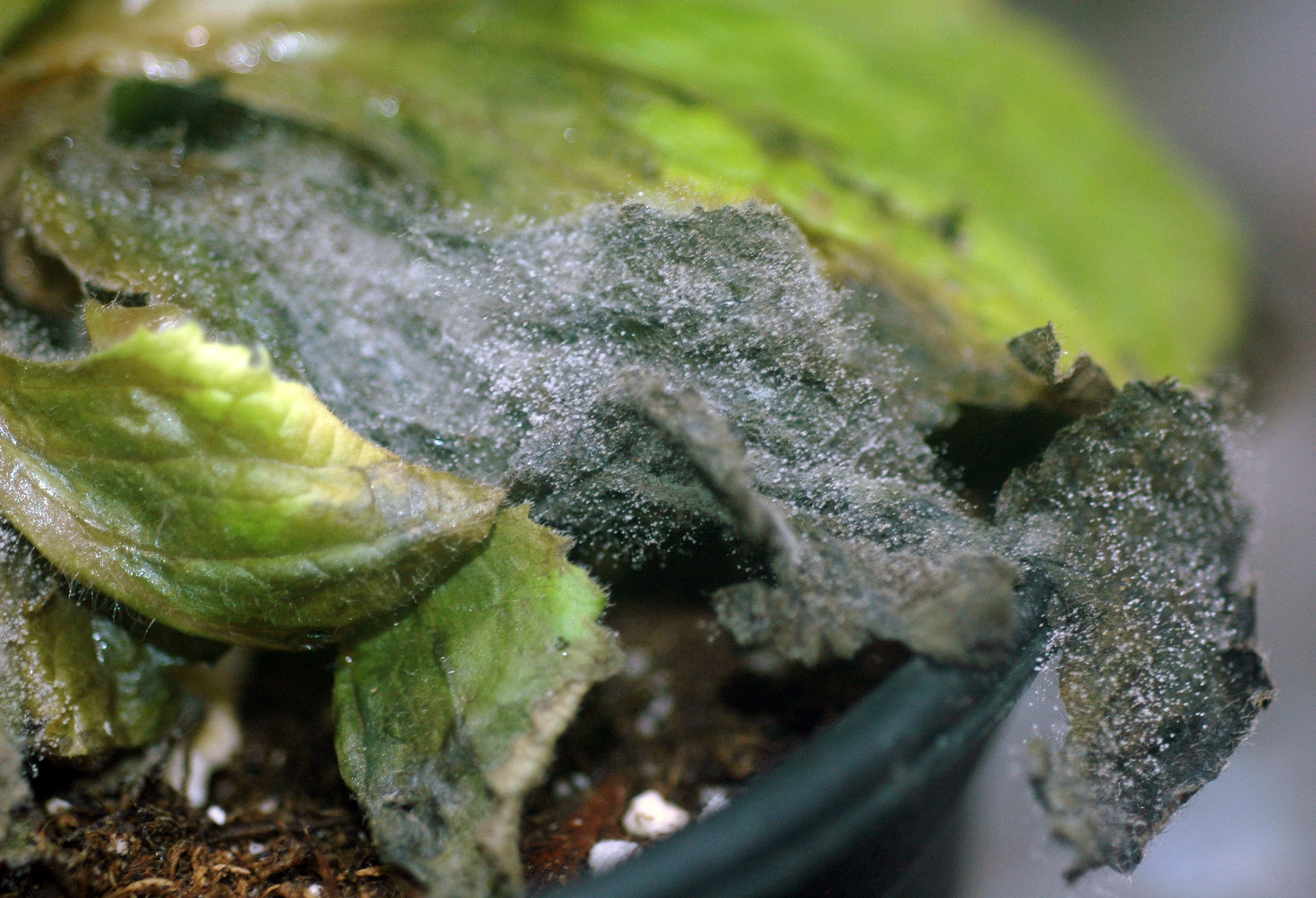
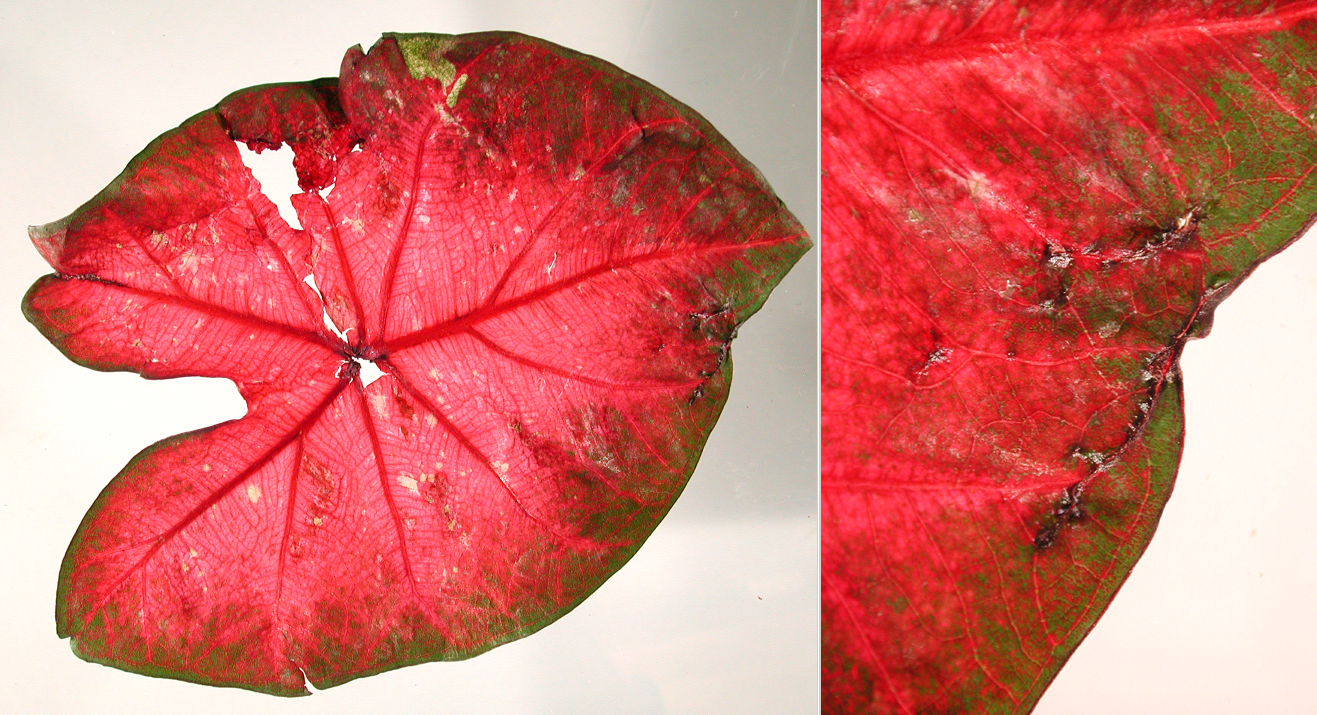
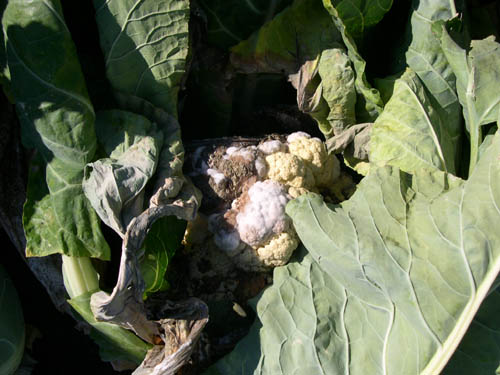
Cause Botrytis cinerea, a fungus favored by warm, wet greenhouse conditions. Senescent leaves and spent flowers are often infected. There are few references about Botrytis on this plant but it does show up on host lists.
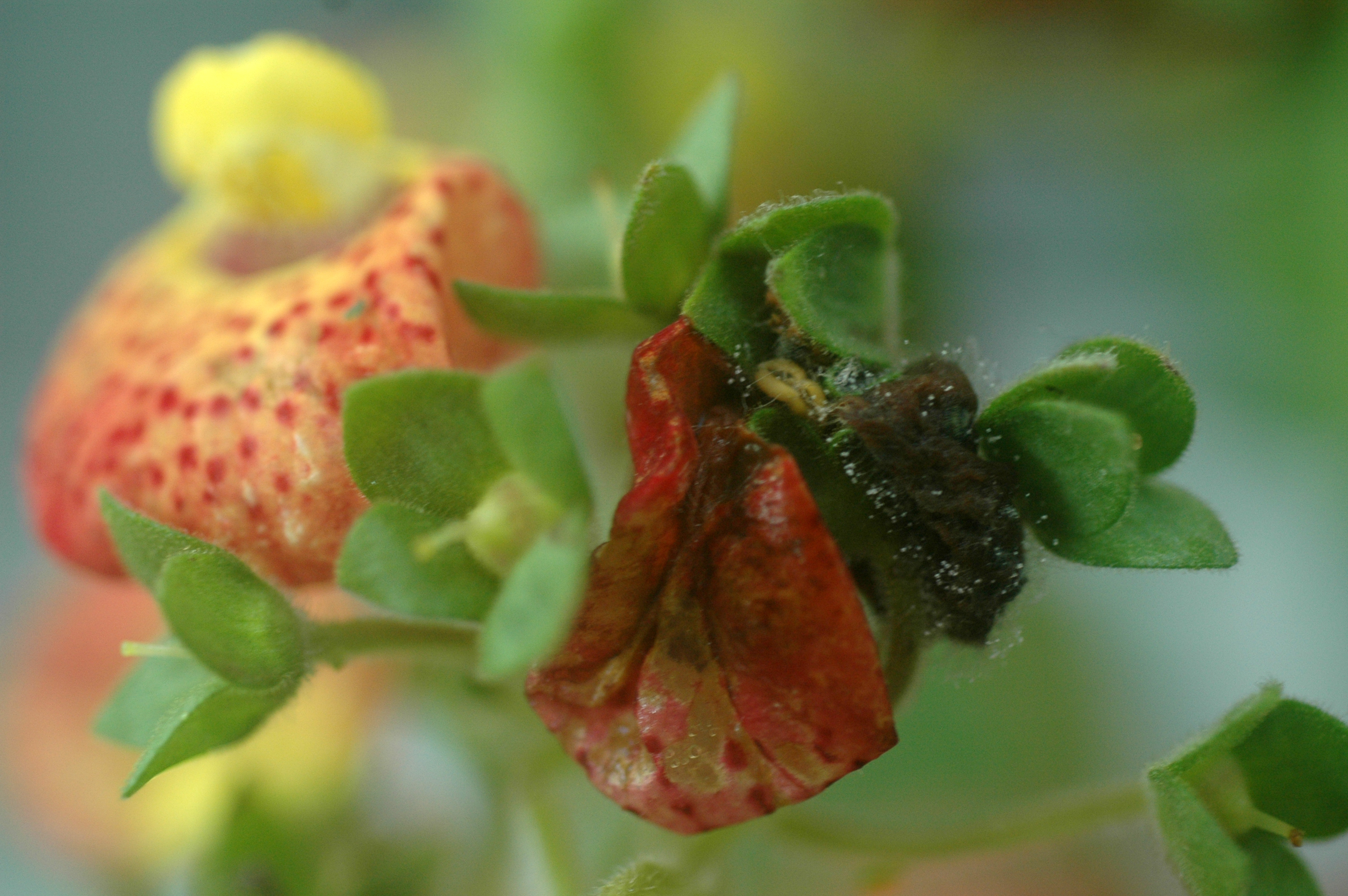
Image related to Cabbage and Cauliflower (Brassica sp.)-White Leaf Spot and Gray Stem

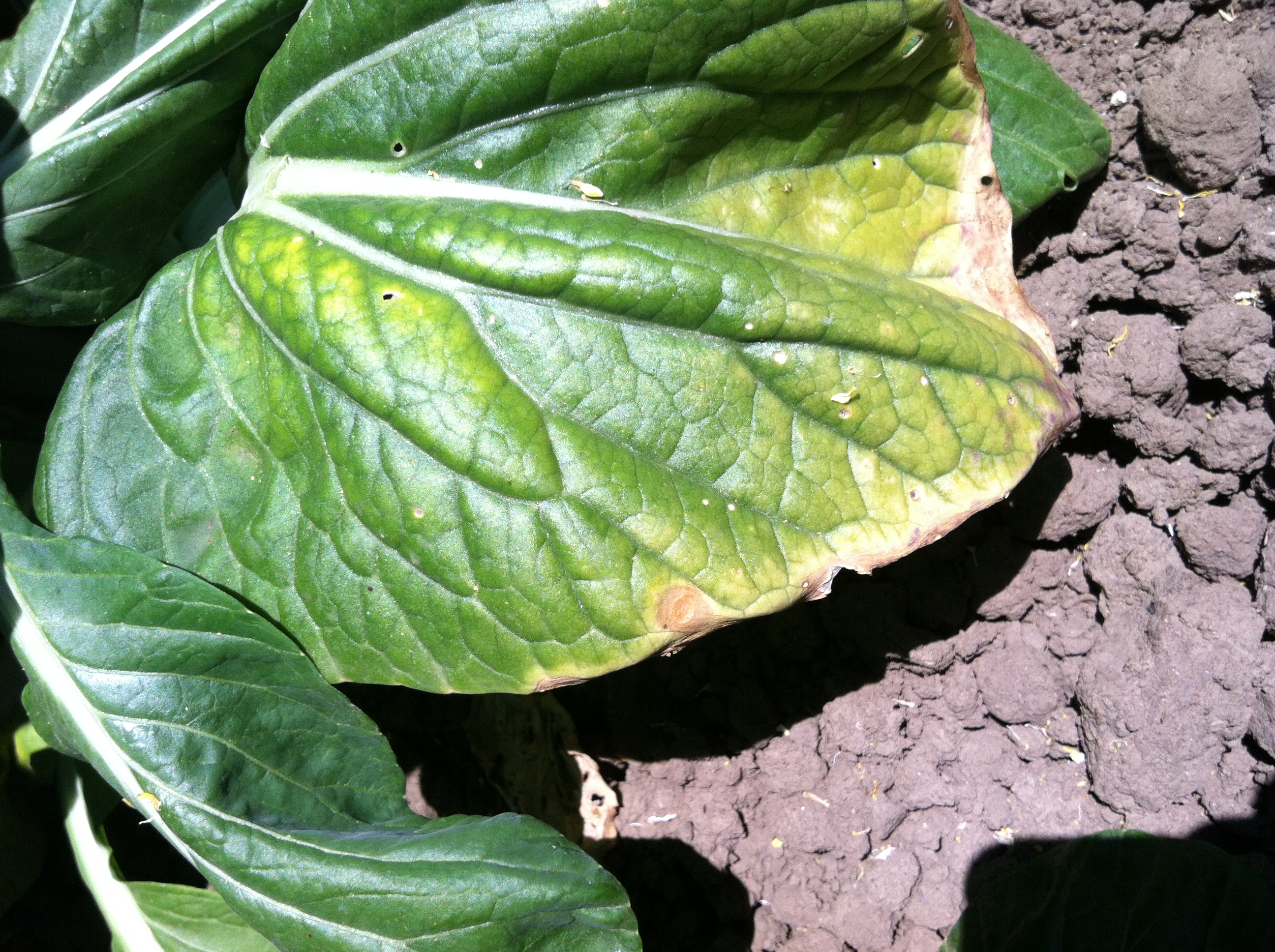
Cause This is a physiological disorder. High fertility and high temperatures aggravate the disorder. Some research indicates it may be influenced by an imbalance of nitrogen, potassium, and calcium. Water stress followed by a period of excessive growth and low humidity favors development of tip burn. These conditions influence calcium uptake and distribution in the cabbage head. Amount and frequency of irrigation appear to influence incidence of tip burn.

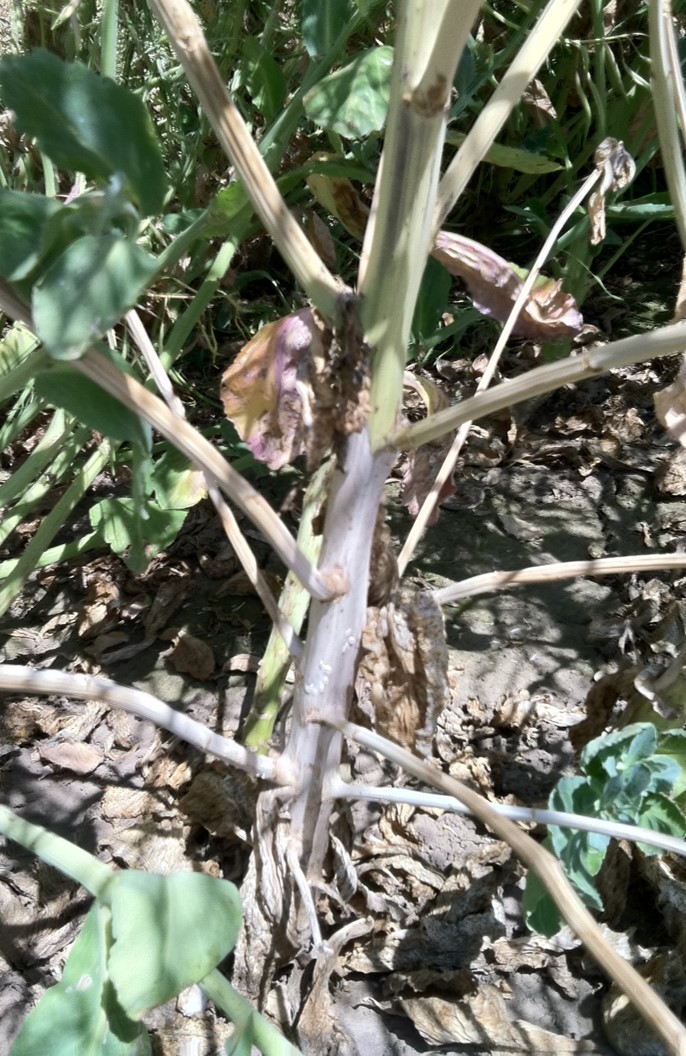
Image related to Cabbage and Cauliflower (Brassica sp.)-Sclerotinia Stem Rot and Watery Soft Rot

See:

Image related to Cabbage and Cauliflower (Brassica sp.)-Ring Spot (Black Blight)

Cause Phytophthora megasperma is a fungus-like microorganism that survives as resistant spores in the soil and infects its hosts with swimming zoospores under wet conditions. All crucifer crops are susceptible as are most cruciferous weeds.

Image related to Cabbage and Cauliflower (Brassica sp.)-Phytophthora Root Rot

Cause Physiological problem that is more prominent when air is cooler than soil, soil moisture is high, and relative humidity is high. Low transpiration rates with an increase in water absorption increase cell pressure, erupting epidermal cells and allowing inner cells to enlarge and protrude. This protrusion causes cells to die and discolor (yellow, brown, or rust), giving the impression that a parasitic organism is involved.

Cause Cyst nematodes (Heterodera schachtii) are sedentary endoparasites.

Image related to Cabbage and Cauliflower (Brassica sp.)-Downy Mildew (Staghead)