Cause Peronosporavariabilis (formerly Peronospora farinosa f. sp. chenopodii), a fungus-like microorganism that is seedborne. Spores produced on affected leaves are disseminated by splashing water. Cool, wet weather favors disease development.
Cause Apiosporinamorbosa (formerly Dibotryonmorbosum), a fungus. The disease is seen occasionally on wild and cultivated native Prunus spp. (plum, chokecherry, etc.) in eastern and southern Oregon and northeastern Washington. It has also been observed on understory trees in the Mt.
Cause The fungus Podosphaera alpina f. alpina has been reported from Washington and British Columbia and found several times by the OSU Plant Clinic. It has not been reported to be a serious pathogen.
Cause Fusarium spp. that are common saprophytes on umbelliferous crops as well as some weeds and other cultivated plants. These soilborne fungi can overwinter as chlamydospores and hyphae in soil or plant debris and on living plant roots. Conidia produced on hyphae are spread by wind and move with soil.
Cause Several different fungi have been reported causing leaf spots in the PNW including Cylindrosporium sp., Rhopalidium cercosporelloides and Septogloeum schizonoti. The later has been found a few times by the OSU Plant Clinic. Powdery mildew has also been reported from Washington and Idaho. Pseudomonas syrinagae and Xanthomonas sp.
The bacteria Pseudomonas and Xanthomonas were associated with these leaf spots.
OSU Plant Clinic Image, 2013.
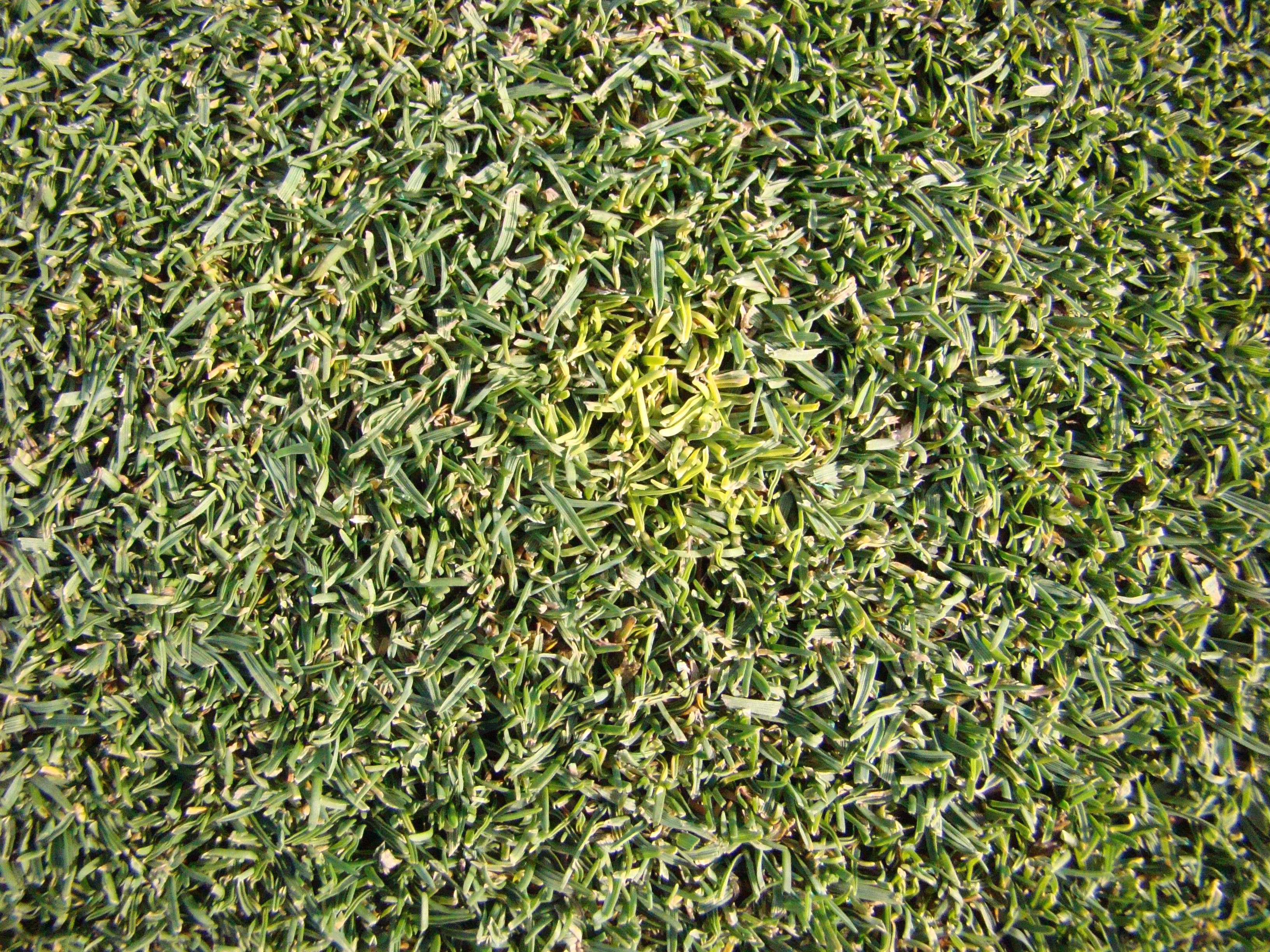
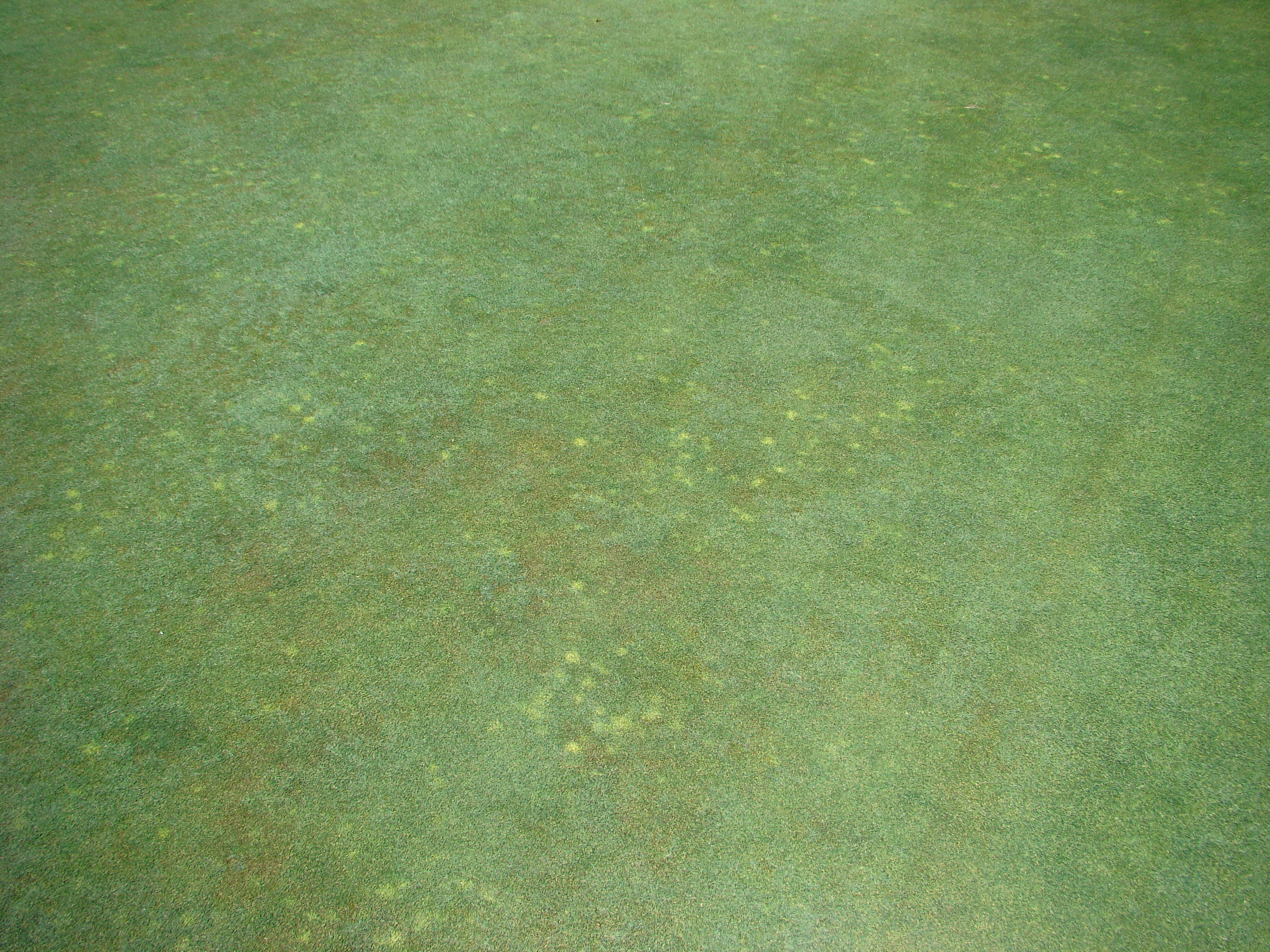
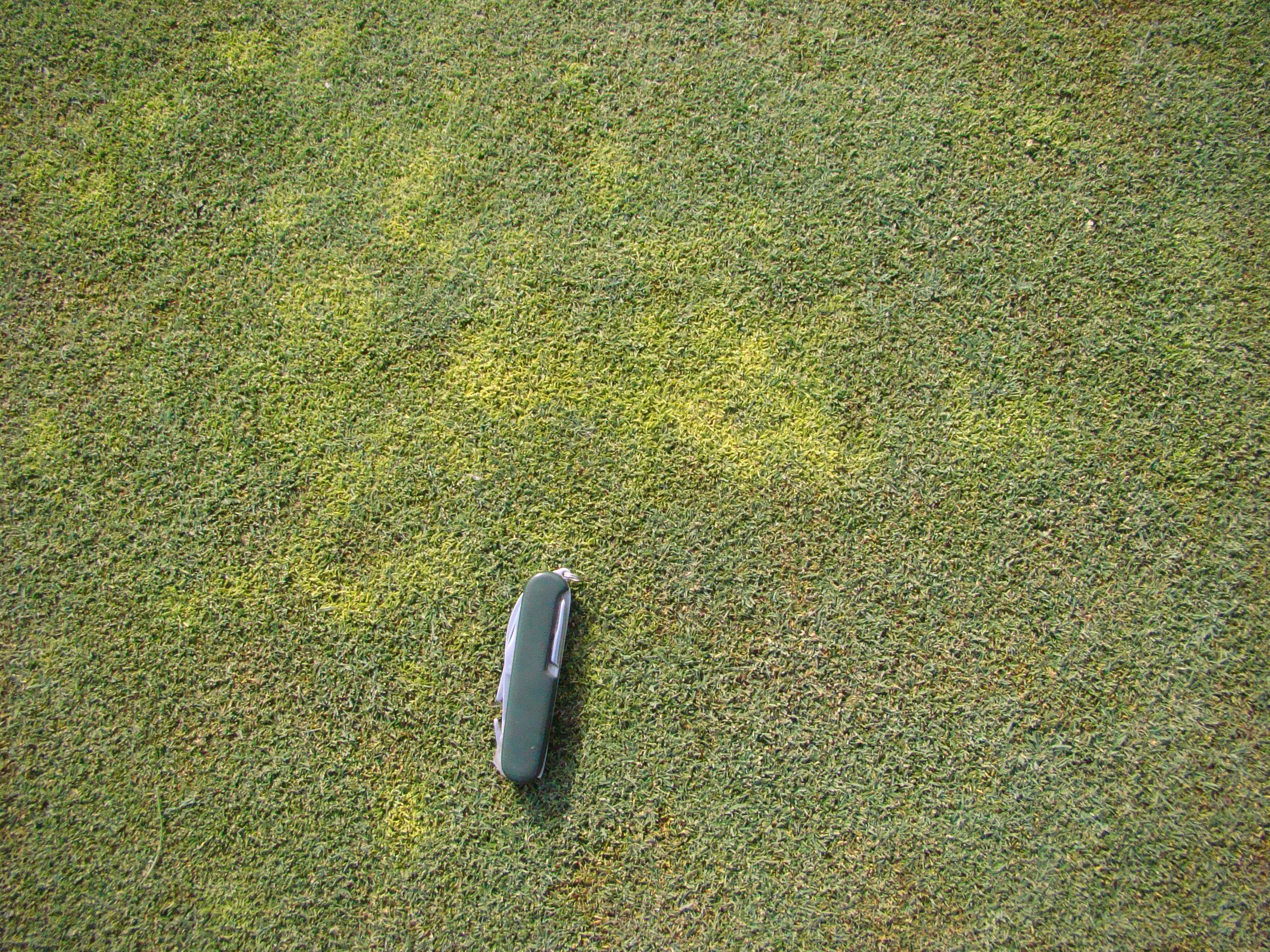
Hosts Poa annua and low-mowed bermudagrass (Cynodon spp.) in the PNW as well as creeping bentgrass (Agrostis palustris) in the southeast USA.
Other than the color, turfgrass does not have signs of abnormal growth.