Plant Disease Management Handbook

Host All grasses are susceptible.

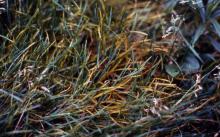
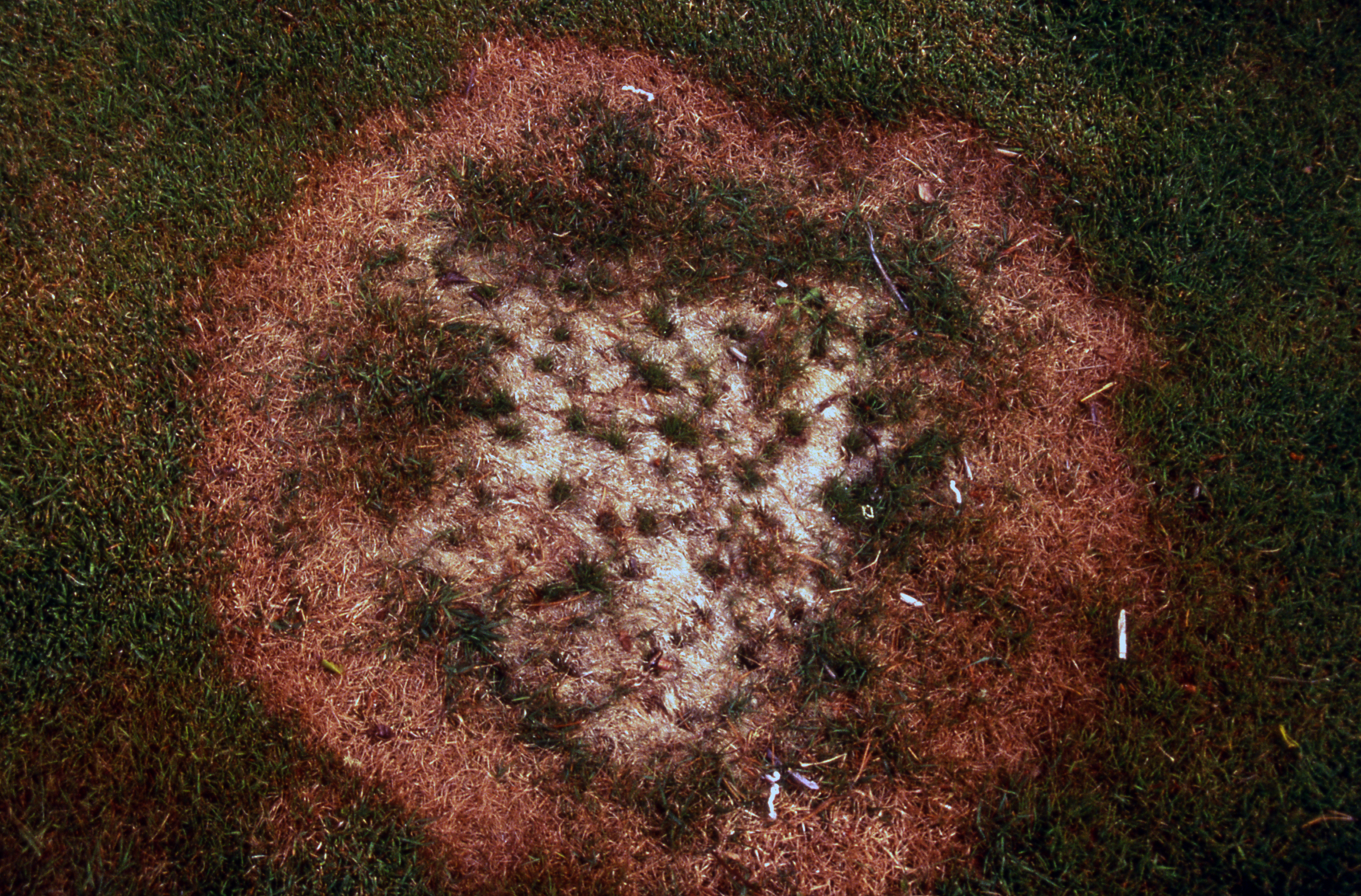
Image related to Lawn and Turf-Typhula Blight (Gray Snow Mold)

See:

Hosts Many, but primarily bluegrass and bentgrass.

PNW Plant Disease Image

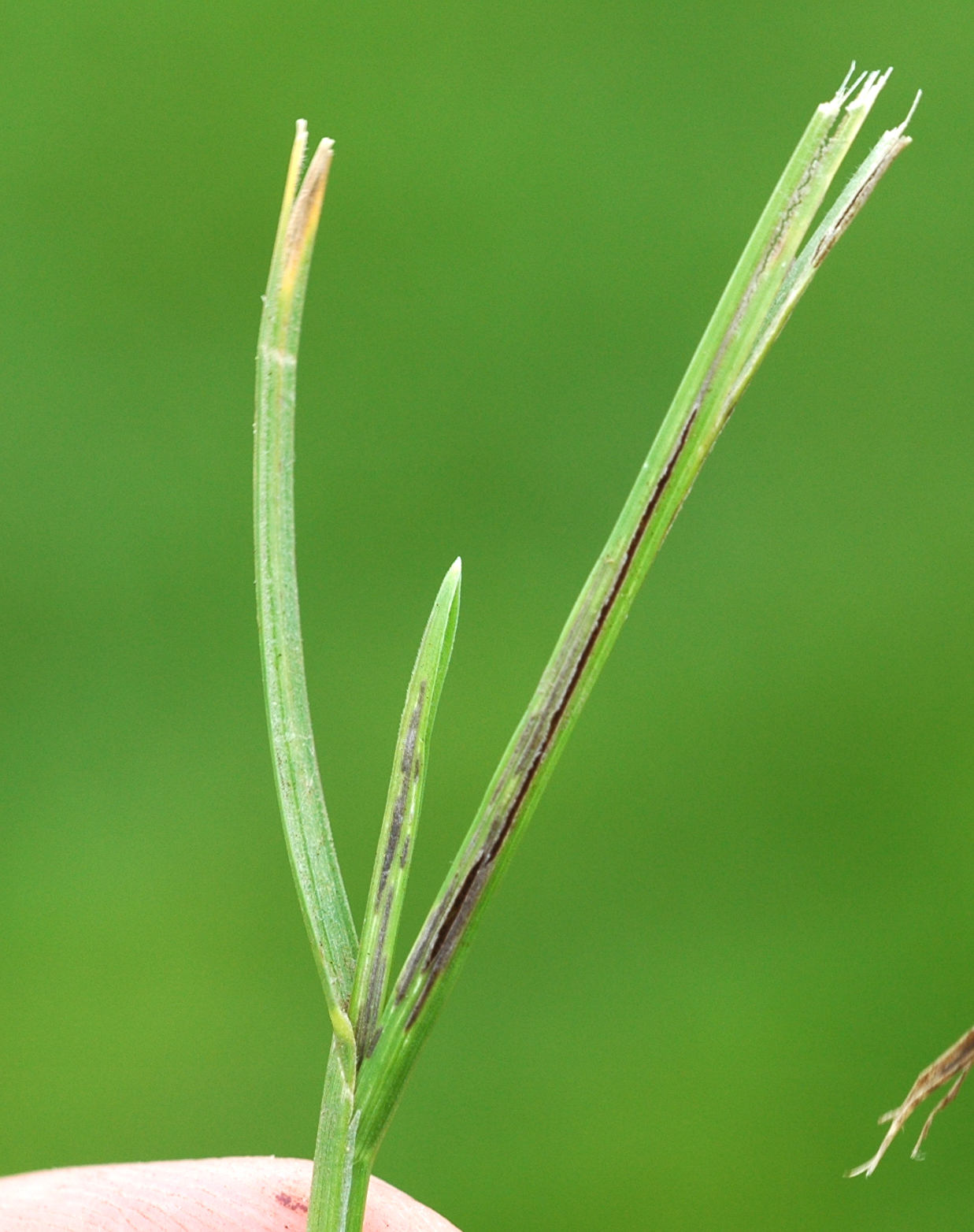
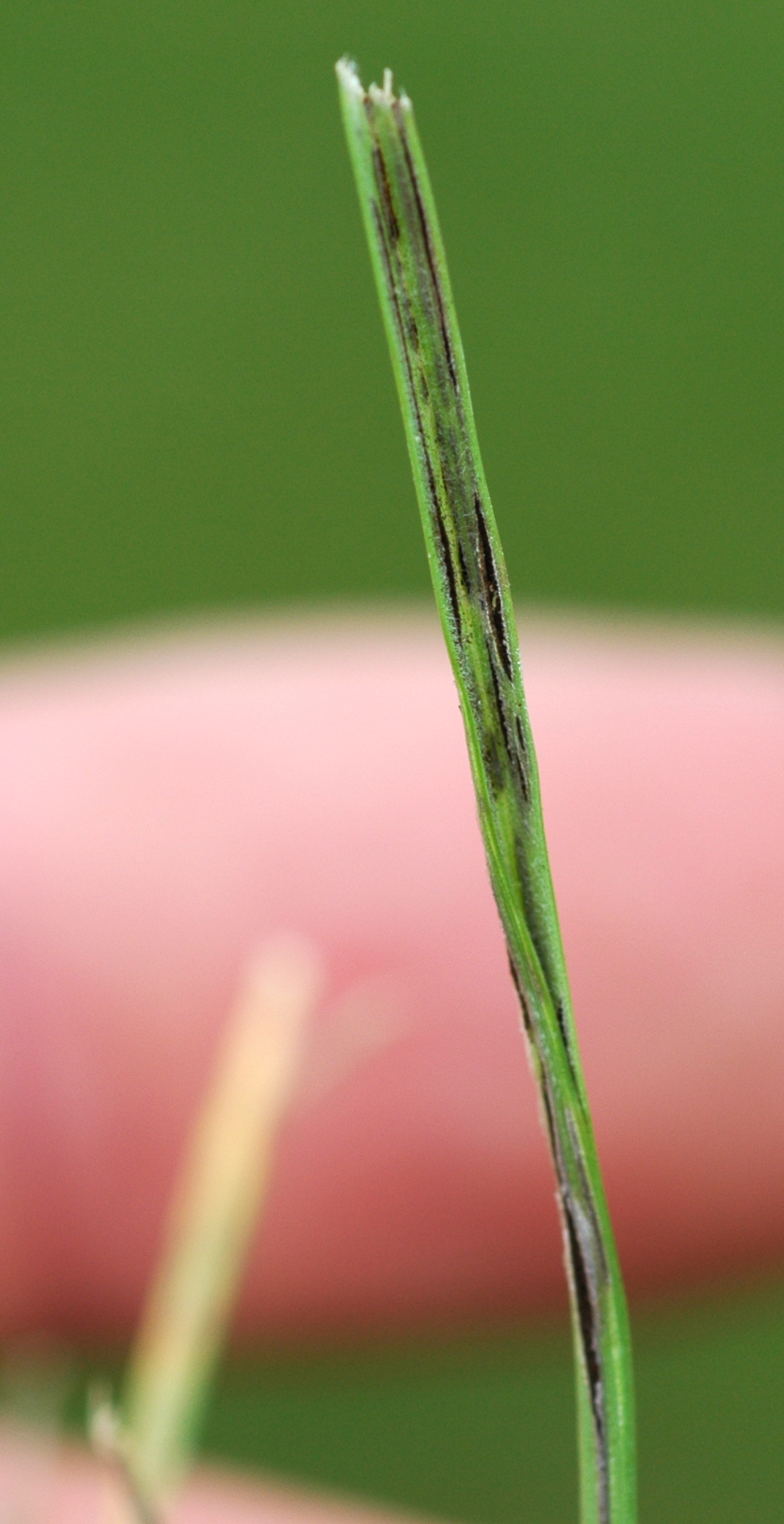
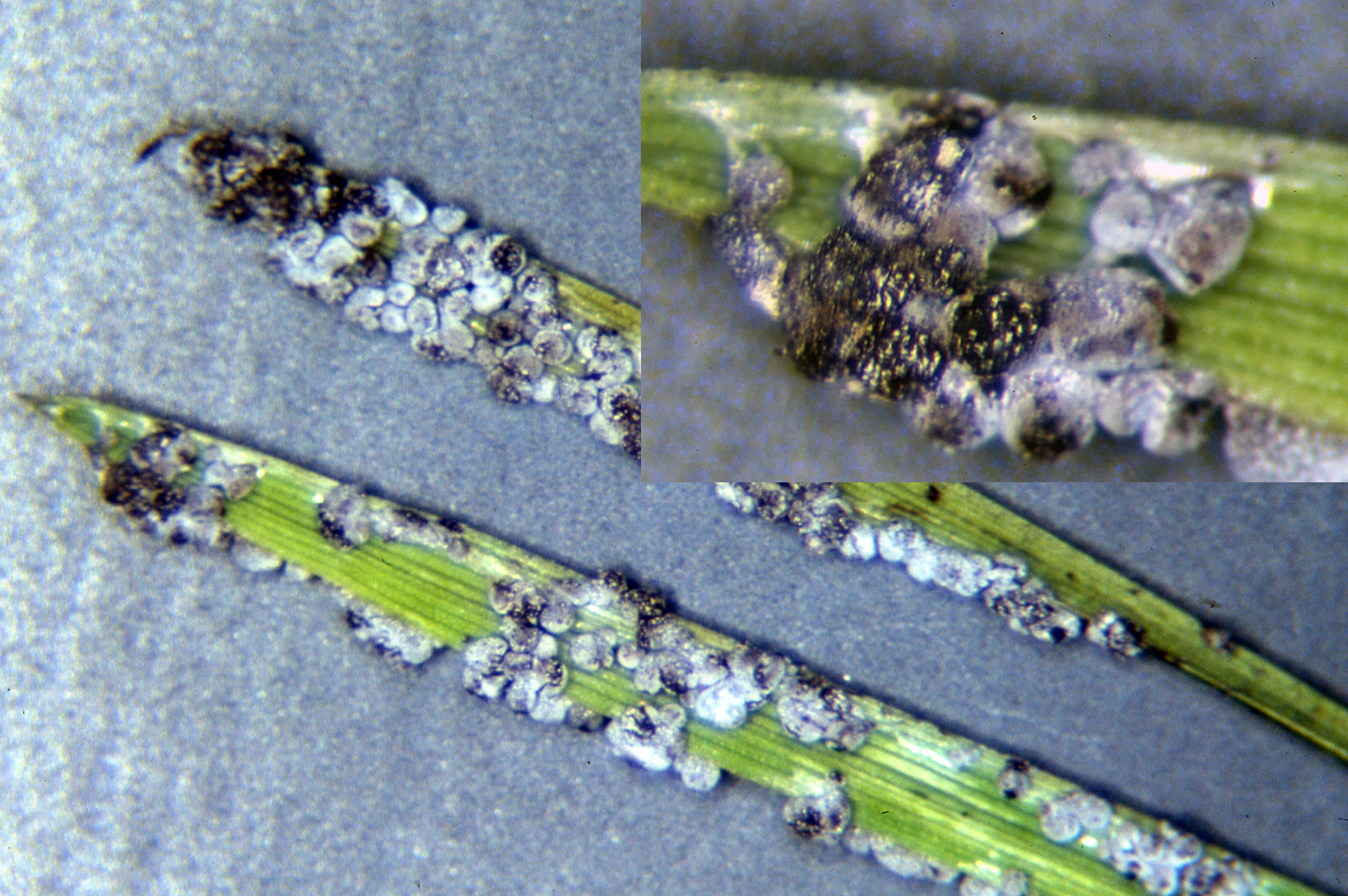
Cause A fungus, Septoria sp., that survives unfavorable weather in winter and summer as mycelium and fruiting bodies (pycnidia) in infected plants and debris. In cool rain, spores in pycnidia ooze out and are splashed by water or carried on equipment to healthy plants. The fungus thrives in cool, moist weather. Undernourished, unmowed, or long turf suffers increased damage. Many grasses are affected. Extensive damage is not commonly observed.

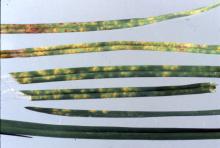
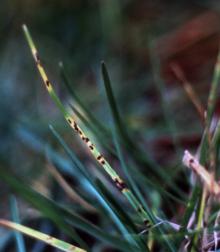
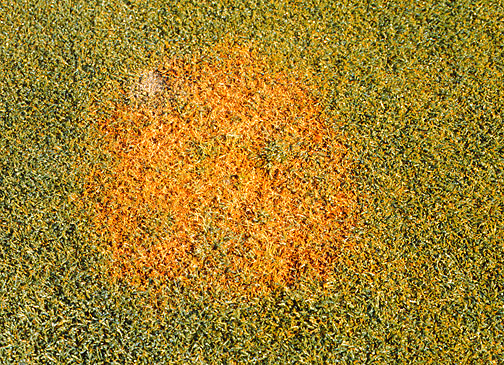
Image related to Lawn and Turf-Septoria Leaf Spot (Tip Blight)

Go to:

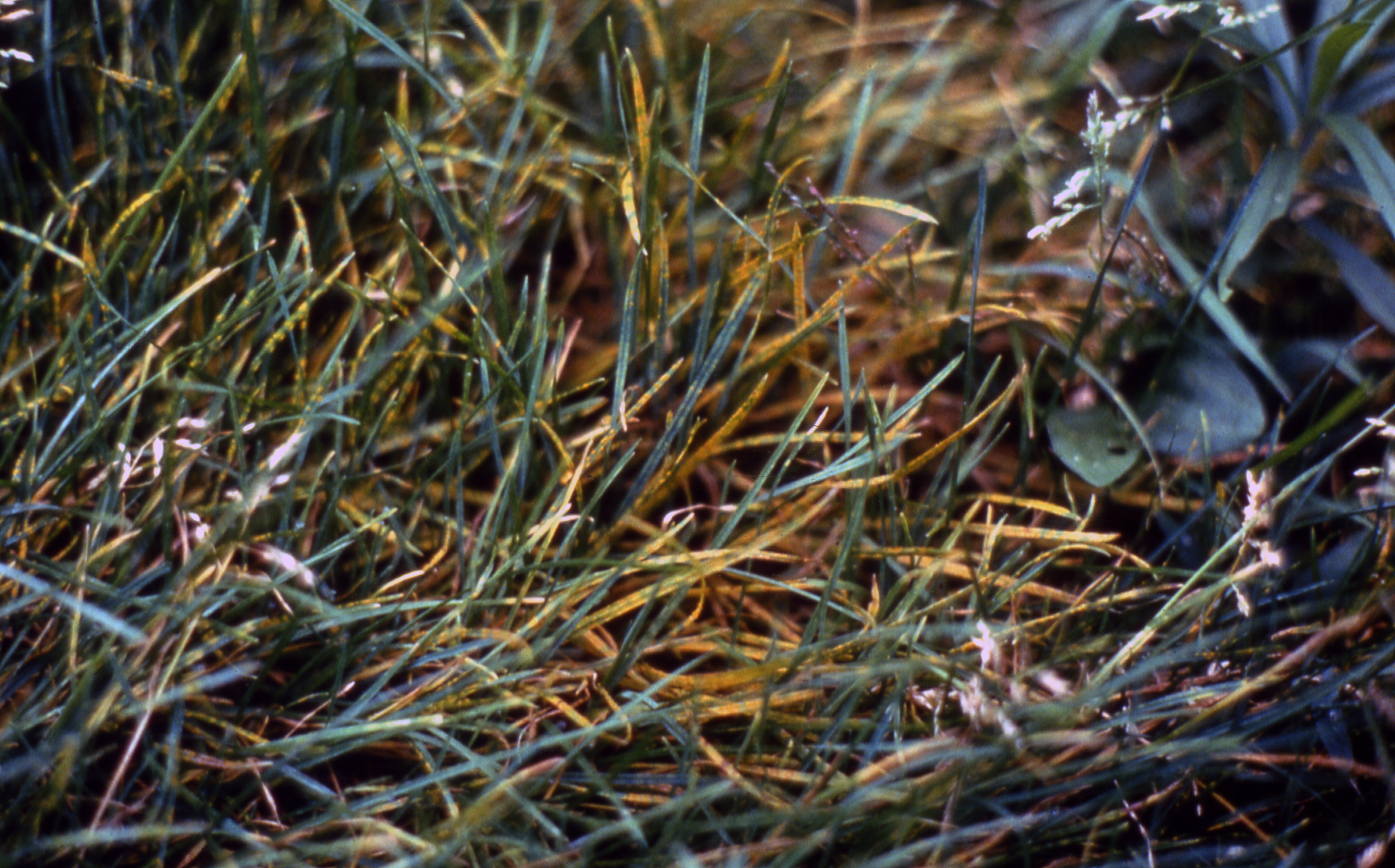
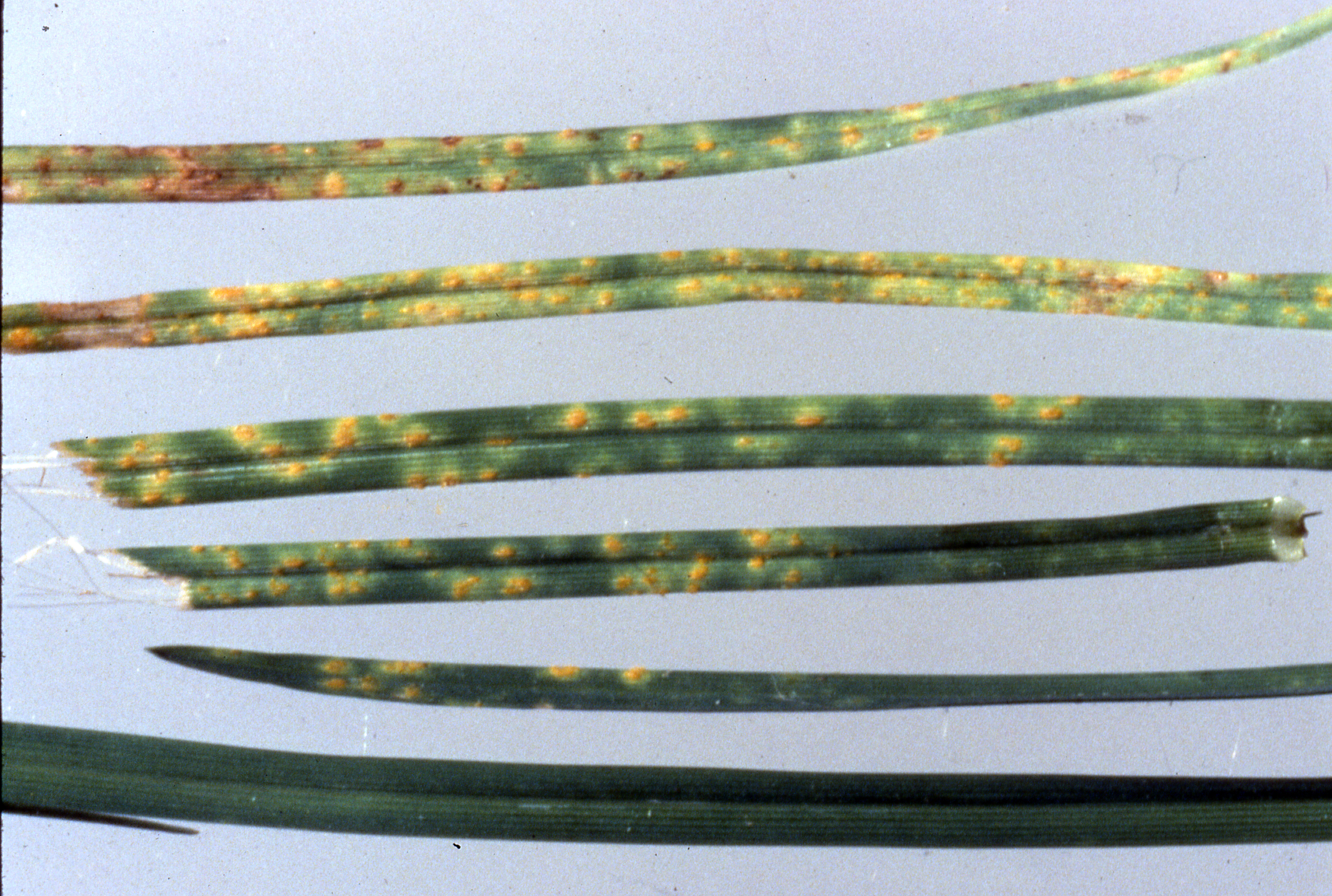
Hosts Rusts typically occur on bluegrasses, ryegrasses, and fine fescues.

Hosts The pathogen can attack all cool-season turfgrasses but is most severe on perennial ryegrass as well as, red and Chewing fescue, and bentgrass to a lesser extent. Hard fescue is resistant.

Hosts Cool-season turfgrasses, such as annual bluegrass, rough bluegrass, and perennial ryegrass.

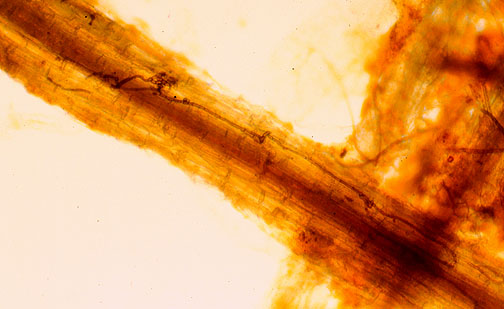
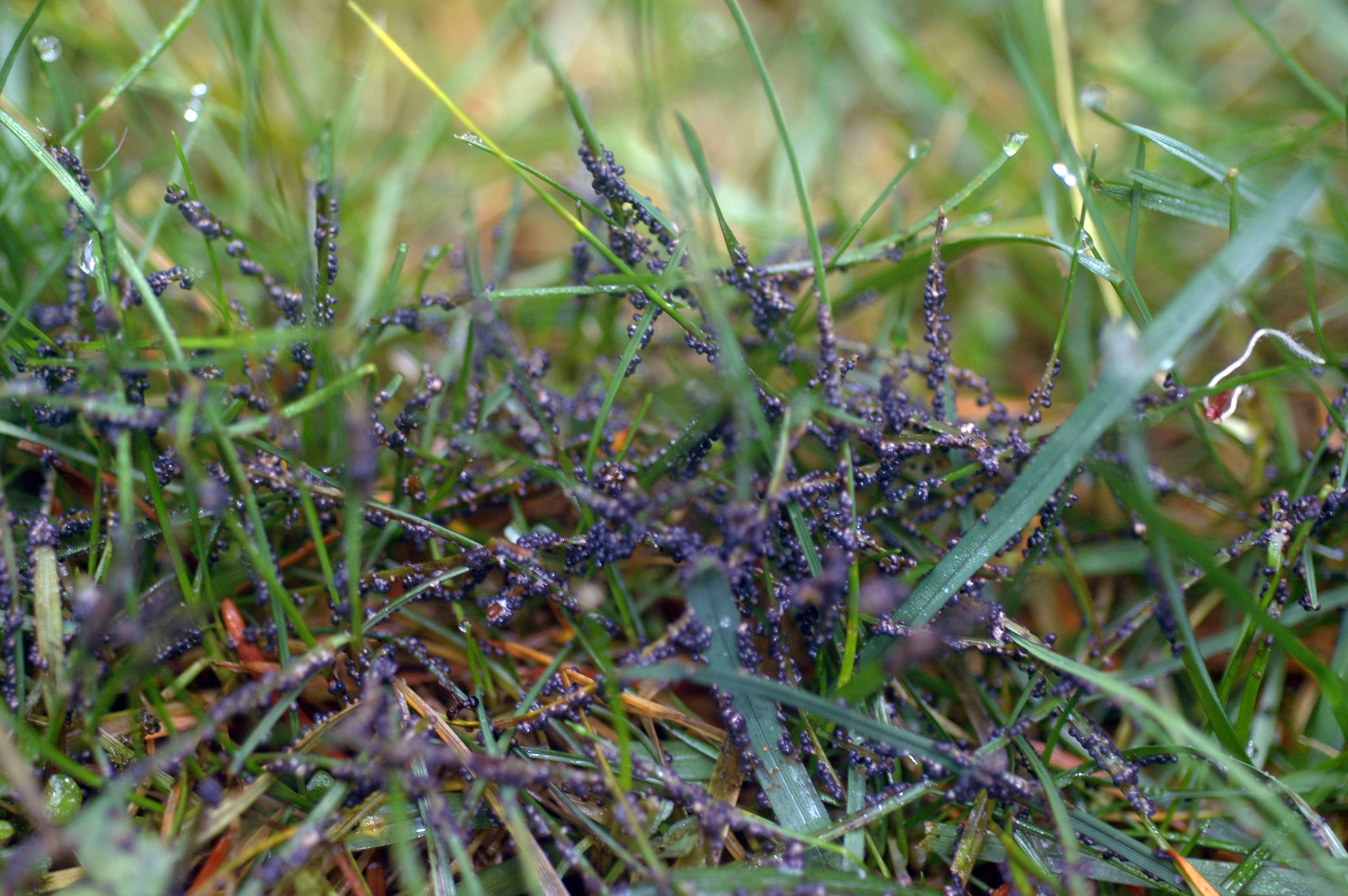
Image related to Lawn and Turf-Pythium Crown and Root Rot

See:

Hosts Bluegrass and fescues are most susceptible.

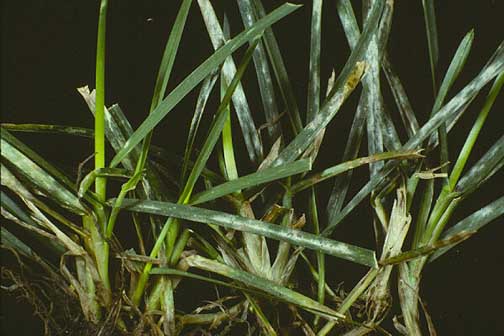
Image related to Lawn and Turf-Powdery Mildew