Plant Disease Management Handbook

See:

Hosts Many. Ryegrass and bluegrass species are particularly susceptible to damping-off.

PNW Plant Disease Image

Hosts Common on bluegrass and fescue.

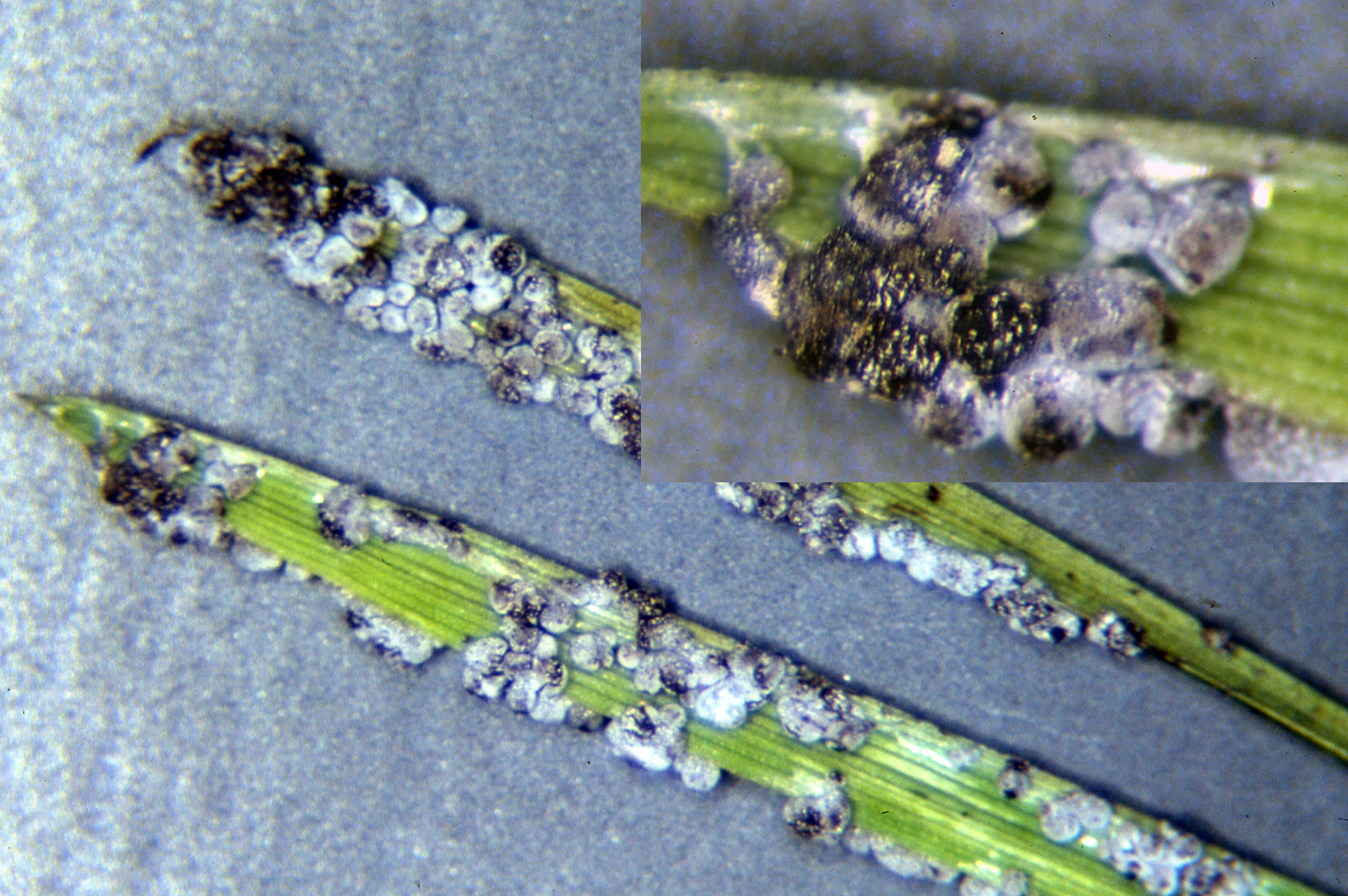
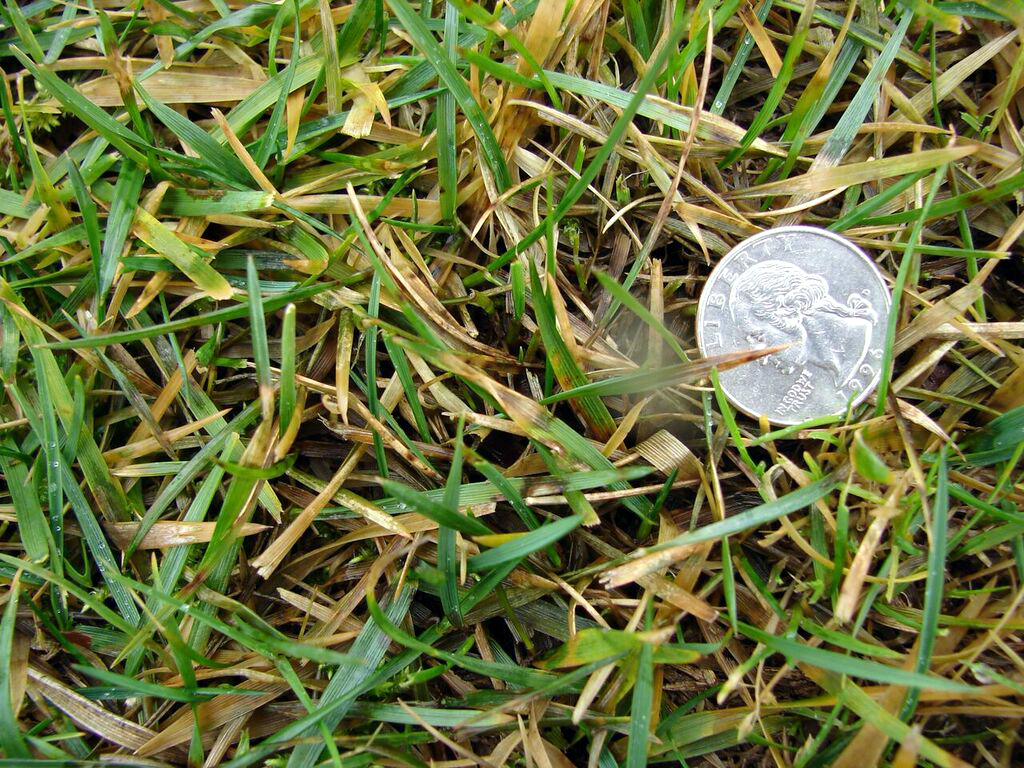
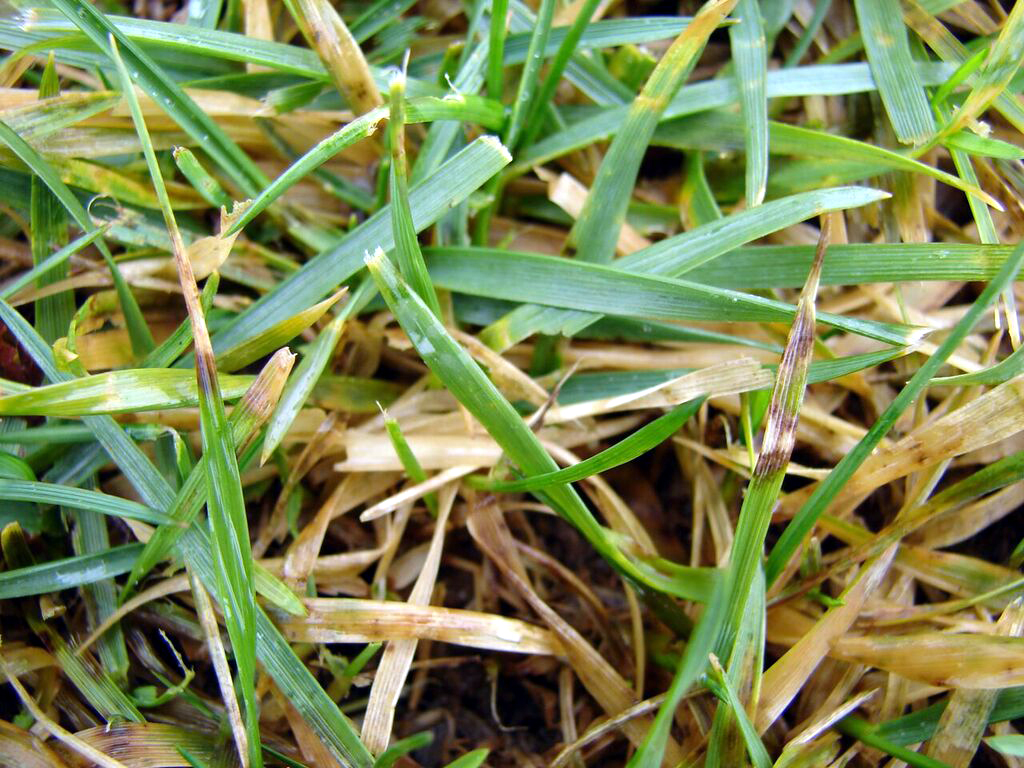
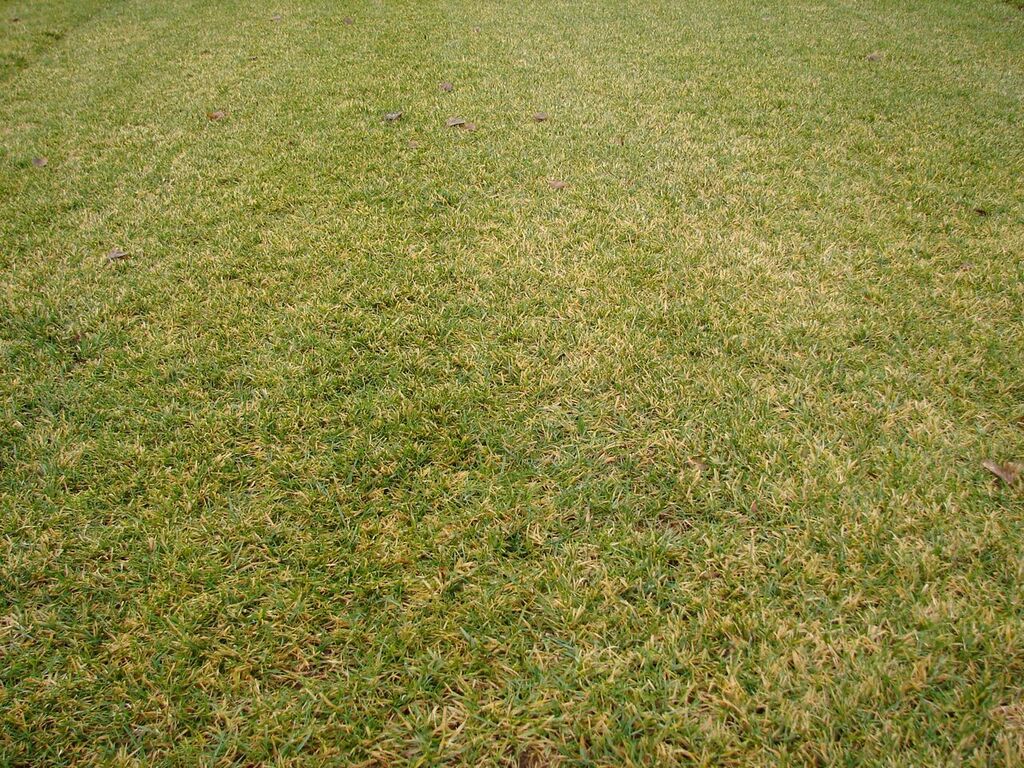
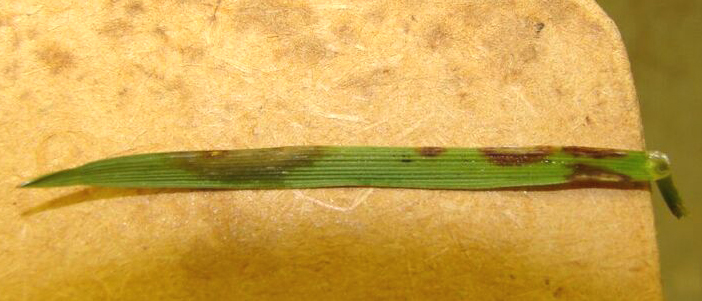
Cause Fungi, Curvularia spp., about nine species in all. They live on diseased grass and organic debris at the soil surface. The disease is most destructive in warm weather, from May to October and on compacted soil. These fungi are weakly virulent, commonly isolated from turf with problems and may be components of disease complexes.

See:

Hosts Annual bluegrass, creeping bentgrass, and rough bluegrass. The pathogen does not appear to affect perennial ryegrass, fescues, or Kentucky bluegrass.

Hosts Bentgrass lawns are especially susceptible.

Cause A fungus, Rhizoctonia solani, that lives in soil and on diseased vegetation of nearly any kind. Brown patch is rare west of the Cascade Range and not common east of the Cascade Range. Hot (82°F or above) humid weather favors the disease.

Image related to Lawn and Turf-Brown Patch

See:

Hosts Primarily perennial ryegrass and some fine fescues, but other grasses may be affected.

Image related to Lawn and Turf-Brown Blight

Hosts Annual bluegrass is most severely affected, especially in putting green turf. Red fescue and bentgrass also are susceptible but are more resistant than annual bluegrass. This disease is not much of a problem on bentgrass in the Willamette Valley of Oregon.

Cause Algae (aquatic plants). Two genera are common: Symploca sp. and Oscillatoria sp. Algae grow where conditions are unsuited for growing a dense, healthy turf. Shaded areas with poor drainage, little air movement, and compacted soils are ideal for algal growth. Under those conditions, algae grow better than turfgrasses. The only permanent algae control is to correct the conditions unfavorable for grass growth.

Cause The OSU Plant Clinic has found Fusarium, Phytophthora, Pythium and Rhizoctonia associated with rotting roots of lavender. These pathogens, including Fusarium avenaceum, P. megasperma from field grown plants and P.

Image related to Lavender-Root Rot

Go to:

Cause Larch are deciduous: they lose their needles each fall. People who think they are evergreen conifers wonder why their trees have died suddenly.

Symptom Needles turn brown and fall off the tree in fall. May seem to be very sudden to those who are unaware of the species' deciduous habit.

Cultural control None needed.